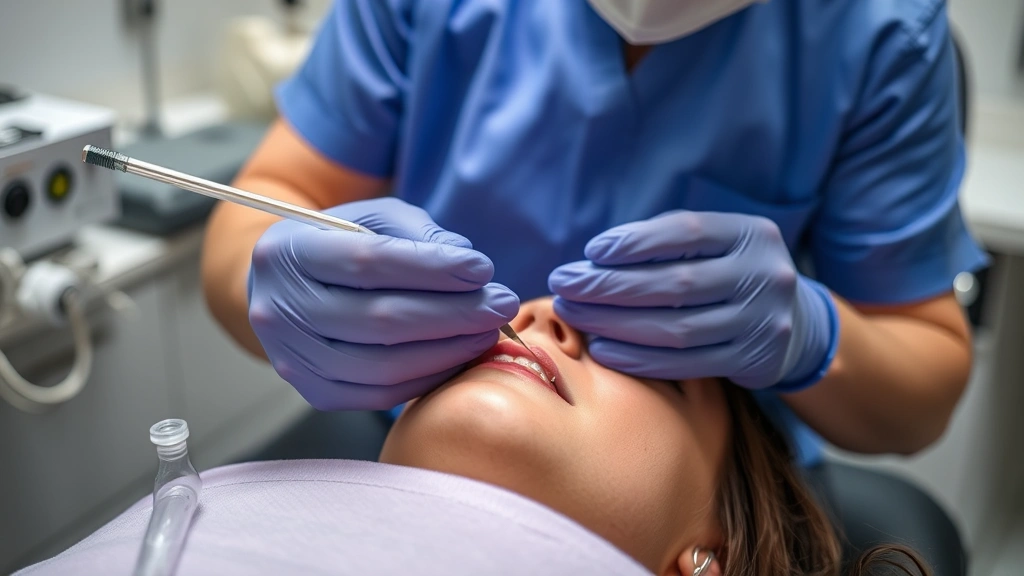
Nipple Piercing Healing Tips: Expert Advice
Nipple piercings are a bold form of self-expression, but understanding the healing process is essential for anyone considering this modification. Unlike ear piercings that typically heal in weeks, nipple piercings require significantly more time and careful attention. The healing timeline, combined with proper aftercare techniques, determines whether your piercing becomes a successful permanent modification or develops complications that may require professional intervention.
Whether you’re contemplating your first nipple piercing or already have one in progress, knowing what to expect during each healing phase helps you make informed decisions about care and activity restrictions. This comprehensive guide covers everything from initial healing timeframes to long-term maintenance strategies that professional piercers recommend.
How Long Does Nipple Piercing Take to Heal
Nipple piercings typically require 6 to 12 months for complete healing, though some individuals experience full healing within 9 months while others need up to 18 months. This extended timeline reflects the unique characteristics of nipple tissue, which contains numerous nerve endings and blood vessels that respond differently to trauma compared to other body areas. The initial wound closure occurs within 2 to 3 weeks, but this represents only the superficial healing phase.
The distinction between initial closure and complete healing is crucial for piercing aftercare. While the opening may appear healed externally after a few weeks, the internal fistula—the channel created by the piercing needle—continues developing and strengthening for many months. Prematurely removing jewelry or changing it too frequently during this internal healing phase significantly increases infection risk and can cause the piercing to close or migrate.
Several factors influence individual healing timelines. Your age, overall health status, immune system function, and adherence to aftercare protocols all contribute to how quickly your body completes the healing process. Additionally, whether you received the piercing from a professional using proper sterile techniques versus other methods dramatically affects healing speed and complication rates.
Healing Stages and Timeline
Week 1-2: Initial Inflammatory Response
Immediately after piercing, your body initiates an inflammatory response characterized by swelling, redness, and tenderness. This is a normal protective mechanism as your immune system recognizes the wound and begins tissue repair. During this critical period, discharge may appear yellowish or slightly bloody, which is expected. Avoid touching the piercing except during designated cleaning times, and resist the urge to rotate jewelry, a common mistake that introduces bacteria and delays healing.
The first two weeks demand strict attention to cleanliness and activity modification. Sleeping on your side or stomach can irritate fresh piercings, so back-sleeping is preferable. Tight clothing that creates friction against the piercing site should be avoided, and sports or strenuous exercise that increases sweating should be postponed.
Week 3-8: Transition Phase
After the initial inflammation subsides, the piercing enters a deceptive healing phase where it appears significantly better despite ongoing internal tissue development. Visible swelling decreases, discharge reduces, and tenderness diminishes. However, this apparent improvement shouldn’t prompt premature jewelry changes or increased physical activity. The internal fistula is still fragile and vulnerable to infection or damage.
During this phase, maintain consistent saline solution cleaning without introducing new variables. Many people make the mistake of switching to stronger antiseptics or more frequent cleaning, which can actually impede healing by disrupting beneficial bacteria and irritating healing tissue. Consistency with your established routine proves more effective than escalating intervention intensity.
Month 3-6: Maturation Phase
By the third month, most visible signs of healing have resolved. The piercing site appears normalized, and discomfort is minimal or absent. This phase represents significant internal tissue maturation as the fistula continues strengthening and epithelializing. Jewelry can typically be changed during this period, though many professionals recommend waiting until at least the 6-month mark to minimize complications.
If you must change jewelry before 6 months, ensure you work with a professional piercer who maintains strict sterilization standards. Attempting self-jewelry changes with non-sterile equipment introduces serious infection risks. The channel, while more stable than earlier phases, remains vulnerable to trauma and bacterial colonization.
Month 6-12: Final Strengthening
From month 6 onward, the piercing has typically achieved sufficient stability for safe jewelry changes and normal activities. However, complete tissue maturation continues through month 12. The fistula becomes increasingly reinforced with collagen and epithelial tissue, creating a permanent channel that can accommodate jewelry changes without excessive trauma or infection risk.
Even after 12 months, nipple piercings retain some sensitivity to jewelry changes and can become irritated by inappropriate material or design. Continuing to use high-quality jewelry and maintaining occasional saline rinses supports long-term health and prevents complications from developing years after initial piercing.
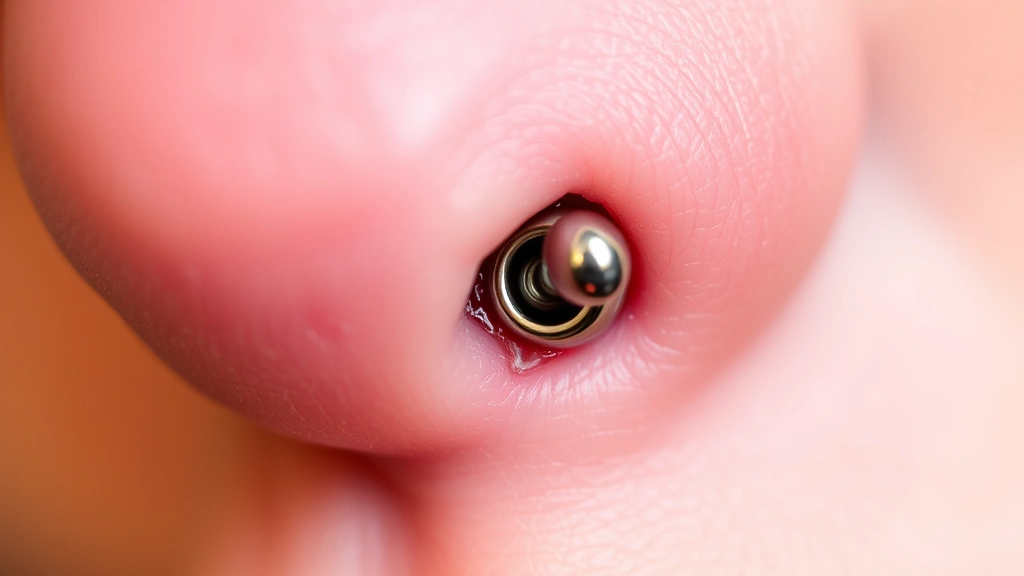
Essential Aftercare Practices
Saline Solution Cleaning Protocol
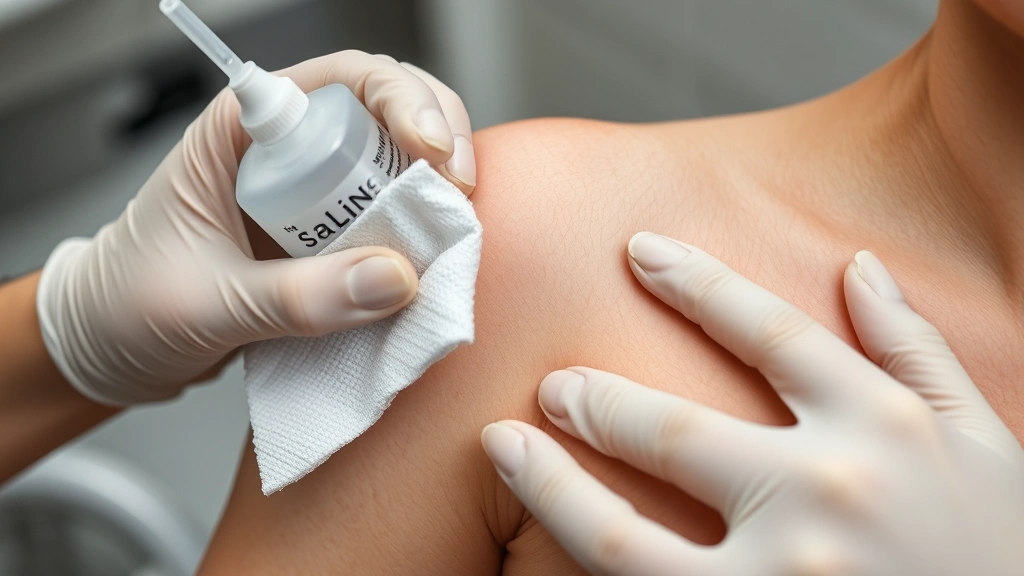
Professional piercers universally recommend saline solution as the primary cleaning method for nipple piercings. Unlike harsh antiseptics like hydrogen peroxide or alcohol, saline solution gently removes debris and discharge without disrupting the healing process. Use sterile saline solution specifically formulated for wound care, available at pharmacies without prescription.
The recommended cleaning frequency is 2 to 3 times daily during the first month, then gradually reducing to once daily as healing progresses. Apply saline solution using sterile gauze or non-woven paper towels, never cloth towels that harbor bacteria. Soak the piercing for 5 to 10 minutes to soften discharge and allow gentle cleaning without aggressive scrubbing.
Avoiding Problematic Cleaning Methods
Never use antibacterial soaps, tea tree oil, alcohol-based products, or hydrogen peroxide on healing nipple piercings. These substances disrupt the natural bacterial flora and damage newly forming tissue. Similarly, avoid rotating or moving jewelry during cleaning, a practice that was once recommended but is now recognized as counterproductive. The jewelry should remain stationary while you clean around it with saline solution.
Homemade saline solutions made with table salt and tap water are not recommended despite being inexpensive. Tap water may contain contaminants, and non-sterile salt ratios can create solutions that irritate rather than heal. The minimal cost difference between homemade and pharmacy-purchased saline is negligible compared to the infection risk.
Clothing and Activity Modifications
Wear soft, loose-fitting clothing that minimizes friction against the piercing site. Tight bras, especially those with underwire, create pressure and irritation that extends healing time. Many people find going braless or wearing soft sports bras more comfortable during the first 3 months. If you must wear structured bras, ensure they’re properly fitted and use soft fabric barriers between the piercing and bra material.
Avoid swimming in pools, hot tubs, oceans, or lakes for at least the first month. These environments contain bacteria that can introduce infections into fresh piercings. Showers are acceptable, but direct water spray should be minimized during the first 2 weeks. After the initial period, gentle shower water exposure is fine, though avoid submerging the piercing in standing water.
Common Healing Complications
Infection Recognition and Response
While nipple piercings have lower infection rates than many body modifications when performed by professionals, infections can still occur. Signs of infection include excessive warmth, increasing pain after initial healing, pus discharge (particularly yellow or green colored), and fever. If you suspect infection, discontinue home care and consult a healthcare provider immediately. Professional medical evaluation ensures proper diagnosis and appropriate treatment, which may include antibiotics or other interventions.
Do not attempt to treat suspected infections with over-the-counter products alone. Nipple piercings located close to breast tissue require professional medical assessment to rule out serious complications. Early professional intervention prevents minor infections from developing into mastitis or abscess formation.
Keloid and Scar Tissue Formation
Some individuals develop excessive scar tissue or keloids around the piercing site, particularly those with genetic predisposition to keloid formation. These raised, firm growths extend beyond the original piercing wound and can be cosmetically concerning. While keloids are not dangerous, they require professional treatment from dermatologists, which may include steroid injections, laser therapy, or surgical removal.
Minimize keloid risk by avoiding unnecessary jewelry changes, using high-quality hypoallergenic materials, and maintaining consistent aftercare. If you have a personal or family history of keloid formation, discuss this with your piercer before getting pierced, as they can provide specific recommendations or may advise against the procedure.
Migration and Rejection
Occasionally, the body treats the piercing as a foreign object and gradually moves it or expels it. Migration appears as the piercing moving from its original position, while rejection involves the piercing working its way out as tissue underneath the jewelry thins. Both conditions result from improper jewelry sizing, excessive trauma, or individual tissue characteristics.
Professional piercers minimize migration and rejection risk through proper initial jewelry sizing and placement. If you notice your piercing moving or developing thin tissue areas, consult your piercer immediately. Continuing to wear inappropriate jewelry accelerates the process and may result in permanent scarring.
Jewelry Selection for Optimal Healing
Initial Jewelry Material Requirements
Professional piercers use specific jewelry materials for initial piercings to support healing and minimize complications. Surgical stainless steel (specifically 316LVM or higher grades), titanium, and gold (14K or higher) are recommended materials that resist corrosion and allergic reactions. Avoid initial jewelry made from acrylic, wood, bone, or other porous materials that harbor bacteria and impede healing.
The jewelry gauge (thickness) and length must be precisely sized to accommodate initial swelling without creating excessive pressure. Too-tight jewelry restricts blood flow and increases infection risk, while too-loose jewelry causes migration and excessive movement. Professional piercers measure and select appropriate sizes based on individual anatomy, ensuring optimal healing conditions.
Jewelry Changing Timeline
Wait at least 6 to 12 months before changing jewelry, with many professionals recommending the full year even if healing appears complete earlier. When you do change jewelry, use high-quality materials and ensure the new piece is properly sized. If you’re uncertain about sizing or material compatibility, have a professional piercer make the change using sterile techniques and equipment.
Once fully healed, you can change jewelry more frequently without complications, though occasional breaks from jewelry allow the piercing to rest and remain healthy. Some people rotate jewelry seasonally or wear different styles for different occasions, which is perfectly acceptable after complete healing.
Activity Restrictions During Recovery
Exercise and Physical Activity
Avoid intense exercise, weightlifting, and contact sports for the first 4 to 6 weeks. These activities increase sweating, create friction against the piercing site, and carry injury risk. When you resume exercise, wear supportive clothing that minimizes breast movement and friction. Running, high-impact activities, and sports requiring protective equipment should be avoided until at least month 2 to 3.
Gradually reintroduce activities as healing progresses and pain decreases. Start with low-impact exercise like walking or gentle yoga, then progress to moderate activities as comfort increases. Complete return to all activities, including contact sports and intense weightlifting, should wait until at least month 4 to 6 when the piercing has achieved sufficient stability.
Sexual Activity and Intimate Contact
Avoid sexual contact involving the pierced nipples for at least the first 4 to 6 weeks. Saliva, bacteria from a partner’s mouth, and physical trauma from sucking or biting introduce infection risk and cause tissue damage during critical healing phases. Once initial healing is complete, you can gradually resume intimate contact with proper communication and care.
Even after healing, some people find their pierced nipples remain sensitive or develop different sensation patterns. This varies individually and may take months to fully stabilize. Open communication with partners about sensitivity and comfort levels ensures enjoyable intimate experiences without complications.
Long-Term Maintenance and Care
Ongoing Cleanliness Practices
After complete healing, nipple piercings require minimal maintenance compared to fresh piercings. Occasional saline rinses, particularly after swimming or sweating heavily, help maintain cleanliness and prevent irritation. Many people find that simple showering with mild soap provides adequate cleaning for healed piercings.
Inspect your piercings periodically for signs of irritation, infection, or jewelry issues. If you notice increased pain, discharge, or other concerning changes, consult a healthcare provider or professional piercer. Early intervention prevents minor issues from developing into serious complications affecting your health and the piercing’s longevity.
Jewelry Maintenance and Rotation
Keep jewelry clean by washing with mild soap and water or using sterile saline solution. If you wear the same jewelry continuously, occasional cleaning prevents buildup of dead skin cells and bacteria. When rotating jewelry, ensure new pieces are properly sterilized before insertion, particularly if they’ve been stored for extended periods.
Consider having a professional piercer assist with jewelry changes if you’re uncertain about proper technique or sterilization. The minimal cost of professional assistance is worthwhile insurance against complications from improper handling or contaminated jewelry.
Pregnancy and Lactation Considerations
If you become pregnant or plan to breastfeed, discuss your piercings with your healthcare provider. Pregnancy hormones may increase breast sensitivity, and nipple piercings can complicate breastfeeding for some people. Many women successfully breastfeed with piercings by removing jewelry during feeding and reinserting afterward. Your individual anatomy and breastfeeding experience will determine what works best for you.
Some people choose to temporarily remove jewelry during pregnancy and lactation, then reinsert after these phases complete. If you remove jewelry for extended periods, the piercing may partially close, requiring professional reinsertion. Discuss your preferences and concerns with your healthcare provider to develop an approach that supports your health and comfort.
For those interested in understanding recovery timelines for other health-related topics, explore our guide on how long it takes for Wellbutrin to take effect, which covers pharmaceutical healing processes. Similarly, our article on how long Vyvanse takes to work provides insights into medication timelines. For those interested in broader DIY projects and guides, we offer comprehensive resources covering various topics.
FAQ
Can I change my nipple piercing jewelry before 6 months?
While technically possible after 3 to 4 months if healing is progressing well, waiting until 6 months or longer significantly reduces complications. If you must change jewelry earlier, have a professional piercer perform the change using sterile techniques. Early jewelry changes carry increased infection and migration risks.
What should I do if my nipple piercing becomes infected?
Consult a healthcare provider immediately if you suspect infection. Signs include excessive warmth, increasing pain, pus discharge, and fever. Do not attempt home treatment alone, as infections near breast tissue require professional medical evaluation to rule out serious complications. Your provider may prescribe antibiotics or recommend other treatments.
Is it normal for my piercing to hurt after the first month?
Mild tenderness during the first 2 to 3 weeks is normal, but pain should progressively decrease. Persistent pain after the initial period may indicate infection, improper jewelry sizing, or excessive irritation. If pain doesn’t improve or worsens, consult your piercer or healthcare provider to identify and address the underlying cause.
Can I remove my jewelry if my piercing isn’t fully healed?
Removing jewelry from a healing nipple piercing risks the piercing closing partially or completely, often within hours. If you must remove jewelry temporarily, reinsertion should occur as quickly as possible. If the piercing closes significantly, professional reinsertion may be necessary. Avoid removing jewelry unless absolutely necessary during the healing phase.
What’s the difference between a fresh piercing and a fully healed one?
Fresh piercings have open wounds with active tissue repair and inflammation. They’re vulnerable to infection, trauma, and migration. Fully healed piercings have established fistulas with stable epithelial tissue, allowing safe jewelry changes and normal activities without complications. The distinction is important because care requirements differ significantly between phases.
Are nipple piercings permanent?
Fully healed nipple piercings can last indefinitely with proper care and regular jewelry wearing. However, if you remove jewelry for extended periods (weeks to months), the piercing may partially or completely close. Once fully healed, the fistula is remarkably stable, but prolonged absence of jewelry increases closure risk compared to other body piercings.


