
Tadpole to Frog: Timeline & Expert Insights
The transformation from tadpole to frog represents one of nature’s most remarkable metamorphoses. Understanding how long it takes tadpoles to grow into frogs requires examining the intricate biological processes, environmental factors, and species-specific variations that govern this fascinating life cycle. Whether you’re a curious naturalist, an educator, or someone considering creating a backyard pond ecosystem, comprehending this timeline provides essential insights into amphibian development and the delicate balance required for successful metamorphosis.
The journey from aquatic tadpole to terrestrial frog typically spans anywhere from 12 to 16 weeks under optimal conditions, though this timeline can extend significantly based on temperature, food availability, species type, and water quality. This comprehensive guide explores each stage of development, the factors influencing transformation speed, and practical considerations for anyone interested in observing or supporting this extraordinary biological process. By understanding the tadpole lifecycle, you’ll gain appreciation for the complexity of amphibian development and the environmental conditions necessary for healthy frog populations.
Understanding the Tadpole Lifecycle Stages
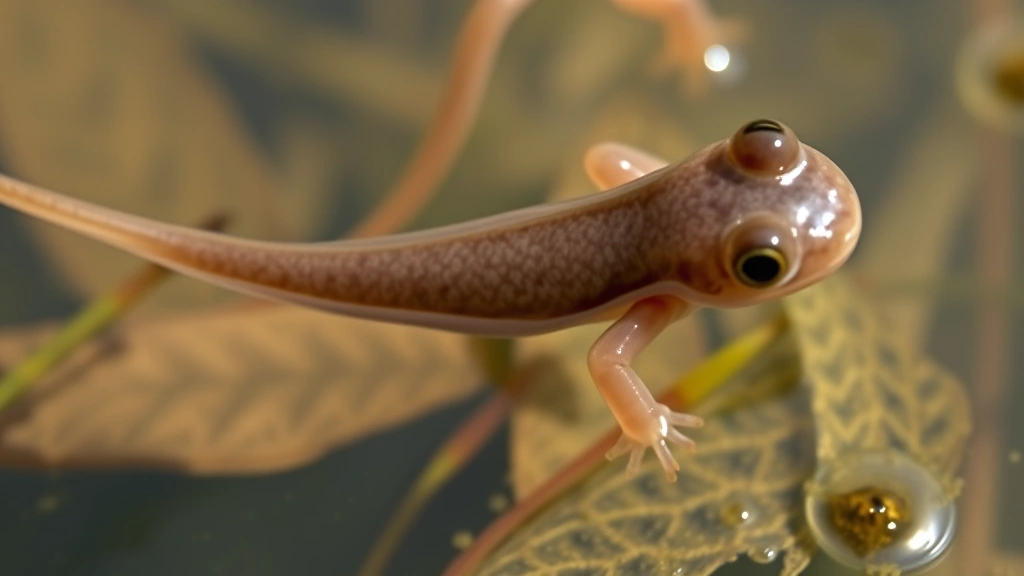
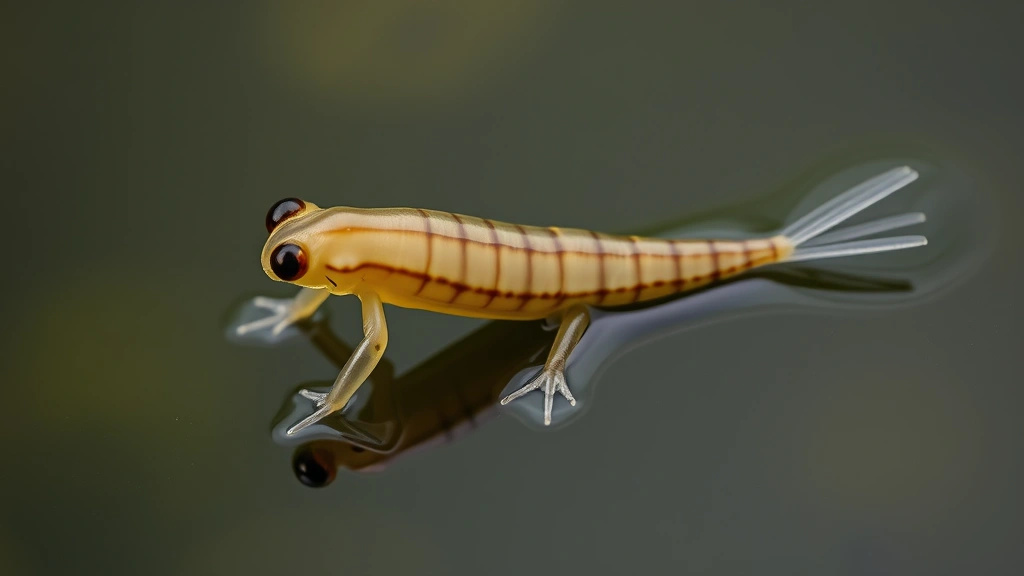
The transformation from tadpole to frog occurs through a process called complete metamorphosis, involving distinct developmental stages that typically progress through predictable phases. The first stage begins immediately after the tadpole hatches from its egg, usually within 3 to 12 days depending on water temperature and species. At this point, the tadpole is entirely aquatic, breathing through external gills and possessing a long tail for swimming through freshwater environments.
During the early development phase, which lasts approximately 2 to 3 weeks, tadpoles focus primarily on feeding and growing. They consume algae, aquatic plants, and detritus, gradually increasing in size. The external gills begin transitioning to internal gills during this period, allowing the tadpole to extract oxygen more efficiently from water. This stage is crucial for establishing the foundation for subsequent developmental phases and requires abundant food resources and stable water conditions.
The middle developmental phase, occurring between weeks 4 and 8, marks the beginning of visible limb development. Hind legs emerge first, appearing as small buds near the base of the tail. These legs gradually develop digits and increase in size, becoming functional for movement within the water. Simultaneously, the tadpole’s body structure begins reorganizing internally, with the digestive system adapting from herbivorous to carnivorous feeding patterns. When considering creating dedicated spaces for nature observation projects, understanding these intermediate stages helps inform design decisions for educational displays.
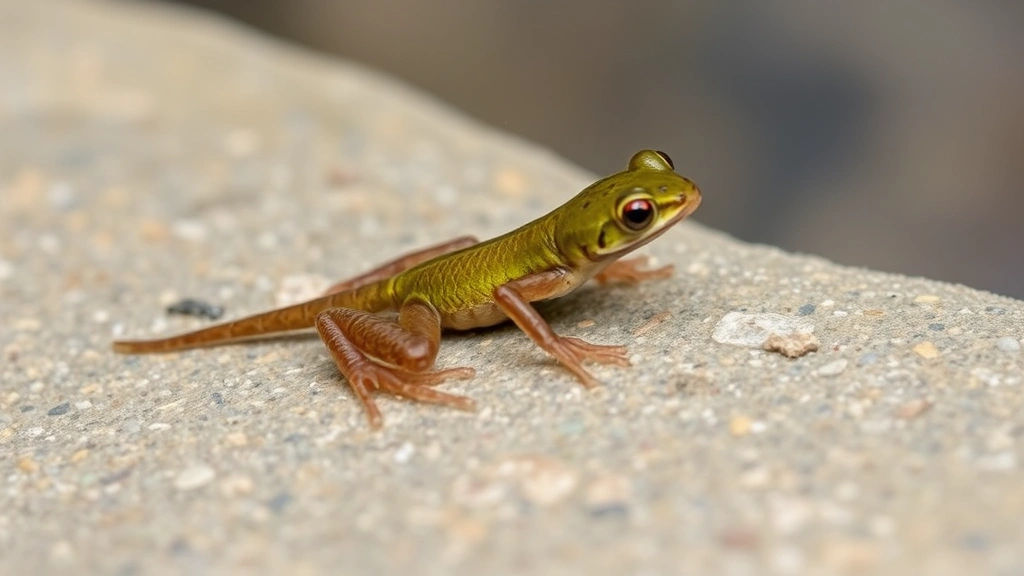
The final metamorphic stage, spanning weeks 9 to 16, involves rapid transformation. Front legs develop and break through the gill covers, lungs become functional for air breathing, and the tail gradually shortens through reabsorption rather than shedding. The tadpole’s diet shifts dramatically, and it begins spending increasing time at the water surface. By week 12 to 16, depending on species and conditions, the metamorphosis completes, and the young frog leaves the water to begin its terrestrial life.
Temperature’s Critical Role in Development
Water temperature stands as the single most influential factor determining metamorphosis speed. Tadpoles are cold-blooded organisms, meaning their metabolic rates directly correlate with surrounding water temperature. Warmer water accelerates development dramatically, while cooler temperatures slow the process considerably. Research from AmphibiaWeb, a comprehensive amphibian database, demonstrates that tadpoles in water maintained at 77-82°F (25-28°C) complete metamorphosis approximately 2-4 weeks faster than those in 64-68°F (18-20°C) water.
The optimal temperature range for most temperate frog species falls between 70-77°F (21-25°C), providing adequate metabolic activity without stress-inducing extremes. Temperatures below 60°F (15°C) significantly slow development, sometimes extending the timeline to 20+ weeks. Conversely, temperatures exceeding 82°F (28°C) can stress tadpoles, potentially causing developmental abnormalities or increased susceptibility to disease. When establishing observation areas or breeding projects, maintaining consistent temperature within the optimal range becomes essential for predictable development and healthy metamorphosis.
Seasonal variations in natural pond environments create natural temperature fluctuations that tadpoles have evolved to tolerate. Spring-spawning species experience gradual temperature increases as water warms, naturally accelerating development as resources become more abundant. However, tadpoles spawned late in the season may experience temperature drops in autumn, which can halt or significantly slow metamorphosis. Some species have evolved strategies to overwinter as tadpoles, resuming development the following spring when conditions improve.
Nutritional Requirements During Metamorphosis
Proper nutrition fundamentally supports the energy demands of metamorphosis, directly influencing development speed and ultimate frog size and health. Tadpoles require substantial food quantities during their rapid growth phase, particularly as they approach metamorphosis. Inadequate nutrition extends the developmental timeline, sometimes by several weeks, as the tadpole’s body cannot allocate sufficient energy toward transformation processes.
Early-stage tadpoles consume primarily algae, aquatic plants, and organic detritus. They possess specialized mouthparts adapted for grazing and filtering, enabling them to process large quantities of vegetative matter. As development progresses and front legs emerge, tadpoles transition toward more carnivorous diets, consuming small aquatic invertebrates, insect larvae, and even smaller tadpoles. This dietary shift provides concentrated proteins and nutrients essential for supporting the intensive metabolic demands of advanced metamorphosis stages.
In controlled environments, tadpoles thrive on varied diets including blanched lettuce, spirulina powder, specialized tadpole pellets, and live foods like brine shrimp or daphnia. High-quality commercial tadpole foods formulated with balanced nutrients accelerate development predictably. When establishing DIY projects involving natural ecosystems, ensuring adequate food availability through diverse aquatic vegetation and invertebrate populations supports healthy tadpole development and natural metamorphosis progression.
The relationship between nutrition and development speed follows a clear pattern: well-fed tadpoles complete metamorphosis 1-2 weeks faster than underfed counterparts. Additionally, properly nourished tadpoles metamorphose into larger froglets with better survival prospects. Conversely, nutritional stress can trigger early metamorphosis in some species as a survival strategy, resulting in smaller froglets less equipped for terrestrial life.
Species-Specific Development Timelines
Different frog species exhibit remarkably varied development timelines, reflecting evolutionary adaptations to specific ecological niches and seasonal patterns. Understanding species-specific variations proves essential for accurate predictions and appropriate care planning. The American bullfrog (Lithobates catesbeianus) represents one of the longest-developing species, often requiring 18-20 weeks or more for complete metamorphosis, particularly when spawned late in the season. This extended timeline allows bullfrog tadpoles to accumulate substantial body mass before transformation.
Conversely, the spring peeper (Pseudacris crucifer) completes metamorphosis in approximately 8-12 weeks under favorable conditions, reflecting its early breeding season and need for rapid development before summer temperatures peak. Gray tree frogs (Hyla versicolor) typically metamorphose within 12-16 weeks, while leopard frogs (Lithobates pipiens) usually require 12-14 weeks. Tropical species often exhibit faster development, with some completing metamorphosis in 8-10 weeks when maintained in warm, resource-rich environments.
The FrogWatch USA program provides comprehensive species-specific data collected from citizen scientists nationwide, offering reliable baseline timelines for common North American species. Consulting species-specific resources ensures accurate expectations when observing or cultivating particular frog species. Geographic variations within species also influence development rates, as populations adapted to shorter breeding seasons often develop faster than southern populations experiencing longer seasonal windows.
Environmental Factors Affecting Growth Rate
Beyond temperature and nutrition, numerous environmental variables significantly influence tadpole development speed and metamorphosis success. Water quality parameters including pH, dissolved oxygen levels, and chemical contaminants directly impact metabolic processes and developmental progression. Tadpoles thrive in neutral to slightly alkaline water (pH 6.5-8.0) with adequate dissolved oxygen levels maintained above 5 mg/L. Poor water quality stresses tadpoles, slowing development and increasing disease susceptibility.
Photoperiod, or daily light exposure duration, influences metamorphic timing in some species. Extended daylight exposure can accelerate development in spring-breeding species, while reduced light may delay transformation in autumn-breeding populations. Most tadpoles develop normally under standard daylight cycles without requiring supplemental lighting, though consistent photoperiods support predictable development in controlled environments.
Water depth and habitat complexity also affect development rates. Tadpoles in shallow water experience greater temperature fluctuations and increased predation risk, potentially triggering stress responses that accelerate or disrupt metamorphosis. Adequate vegetation and shelter reduce stress, supporting steady development progression. Population density influences resource availability and competitive stress; overcrowded conditions extend development timelines and reduce ultimate froglet size.
Chemical pollutants, particularly pesticides and heavy metals, severely disrupt normal development. Studies published in environmental toxicology journals document metamorphic abnormalities, developmental delays, and increased mortality in tadpoles exposed to agricultural runoff and industrial contaminants. Natural ecosystems with minimal chemical exposure support healthier, faster-developing tadpole populations compared to contaminated environments.
Creating Optimal Conditions for Tadpole Development
For those interested in establishing comprehensive home projects, creating dedicated tadpole development environments requires thoughtful planning and consistent maintenance. Begin by establishing appropriate container size; minimum 10-gallon aquariums work for small tadpole populations, though larger volumes (20+ gallons) provide greater environmental stability and reduced maintenance frequency.
Install reliable temperature control mechanisms maintaining water within the 70-77°F (21-25°C) optimal range. Submersible heaters and aquarium thermometers enable precise temperature management. Establish gentle water circulation through air stones or low-flow filters, ensuring adequate oxygen availability without creating disruptive currents. Perform 25-30% water changes weekly to maintain water quality and remove accumulated waste products.
Provide diverse food sources including commercial tadpole pellets, blanched vegetables, and live invertebrates like brine shrimp. Offer food quantities that tadpoles consume within 2-3 hours, removing uneaten portions to prevent water quality deterioration. Include abundant aquatic vegetation such as java moss or anubias, providing both food and shelter while contributing to natural water filtration.
Maintain consistent lighting through standard room illumination or aquarium lights providing 12 hours daily photoperiod. Avoid direct sunlight exposure, which can cause excessive temperature fluctuations and algae blooms. Monitor developmental progress regularly, documenting leg emergence and tail reduction to track metamorphosis advancement. When tadpoles begin breathing air and spending time above water, provide emergence platforms such as floating cork or sloped rocks enabling gradual terrestrial transition.
Common Challenges and Solutions
Several common obstacles can disrupt normal tadpole development or extend the metamorphic timeline beyond expected durations. Temperature fluctuations represent the most frequent problem in uncontrolled environments. Solution: Install reliable heaters and monitor temperatures daily, maintaining consistency within acceptable ranges. Sudden temperature drops can halt development; gradual acclimatization prevents shock responses.
Poor water quality arising from inadequate filtration or infrequent water changes stresses tadpoles and slows development. Solution: Establish regular maintenance schedules including weekly 25-30% water changes and filter cleaning. Test water parameters monthly using aquarium test kits, ensuring pH remains 6.5-8.0 and ammonia stays below 0.25 mg/L.
Nutritional deficiencies result from limited food variety or insufficient feeding quantities. Solution: Provide diverse food sources including quality pellets, blanched vegetables, and live foods. Feed younger tadpoles small amounts twice daily; reduce frequency as they mature. Observe tadpoles during feeding to ensure adequate consumption.
Disease and parasitic infections spread rapidly in crowded or poor-quality conditions. Solution: Maintain appropriate population density (1 tadpole per gallon minimum), perform regular water changes, and quarantine visibly sick individuals. Avoid introducing wild tadpoles to established populations without careful observation periods.
Incomplete metamorphosis sometimes occurs when tadpoles reach developmental stages but fail to complete transformation. This typically results from inadequate nutrition, suboptimal temperature, or genetic factors. Solution: Ensure excellent feeding and temperature consistency. Some individuals naturally develop slower; patience and continued optimal conditions often result in eventual completion.
Predation and escape threaten tadpole populations in outdoor settings. Solution: Use mesh covers preventing predator access while allowing water circulation. Ensure secure container placement preventing accidental spillage. Monitor populations regularly, documenting mortality and growth rates.
FAQ
How long does it take a tadpole to turn into a frog?
Most tadpoles complete metamorphosis into froglets within 12-16 weeks under optimal conditions. However, timelines vary significantly by species (8-20 weeks), temperature (warmer = faster), and environmental conditions. American bullfrogs may require 18-20 weeks, while spring peepers complete transformation in 8-12 weeks.
What temperature speeds up tadpole development?
Water temperatures between 70-77°F (21-25°C) provide optimal development rates. Warmer temperatures (77-82°F/25-28°C) accelerate development 2-4 weeks but may cause stress. Temperatures below 60°F (15°C) significantly slow metamorphosis, sometimes extending timelines to 20+ weeks.
Can tadpoles survive winter and continue developing in spring?
Yes, many species overwinter as tadpoles, entering dormancy during cold months and resuming development when water temperatures warm in spring. This adaptation allows tadpoles spawned late in the season to survive until conditions support continued growth.
What do tadpoles eat to develop faster?
High-quality commercial tadpole pellets, spirulina powder, blanched vegetables, and live foods like brine shrimp and daphnia support rapid development. Well-nourished tadpoles complete metamorphosis 1-2 weeks faster than underfed counterparts and metamorphose into larger, healthier froglets.
Do all tadpoles develop at the same rate?
No, development rates vary by species, individual genetics, temperature, nutrition, and environmental conditions. Even within the same species, individual tadpoles may develop at noticeably different rates based on competitive success and resource access.
What happens if a tadpole doesn’t complete metamorphosis?
Incomplete metamorphosis usually results from inadequate nutrition, suboptimal temperature, or genetic factors. Continuing optimal feeding and temperature maintenance often results in eventual completion. Some individuals naturally develop slower; patience typically resolves the issue.
How can I tell if my tadpole is developing normally?
Normal development follows predictable progression: hind legs emerge around week 4-6, front legs appear by week 8-10, and tail gradually shortens from weeks 10-16. Tadpoles spending increasing time at water surface and developing air-breathing capacity indicate advanced metamorphosis stages.
Is it legal to collect tadpoles from the wild?
Regulations vary by location and species. Many areas permit limited tadpole collection for educational purposes, while others restrict wild collection entirely. Consult local wildlife agencies and IUCN conservation guidelines before collecting wild tadpoles.
What’s the difference between a tadpole and a pollywog?
Tadpole and pollywog are synonymous terms referring to the larval stage of frogs and toads. Regional dialects determine which term predominates; both accurately describe the aquatic larval form.
Can tadpoles breathe air like adult frogs?
Early-stage tadpoles breathe exclusively through gills. As metamorphosis progresses, lungs develop, and tadpoles increasingly surface for air. By late metamorphosis, tadpoles rely primarily on air breathing, though they retain gill function until complete transformation occurs.
References and Additional Resources: