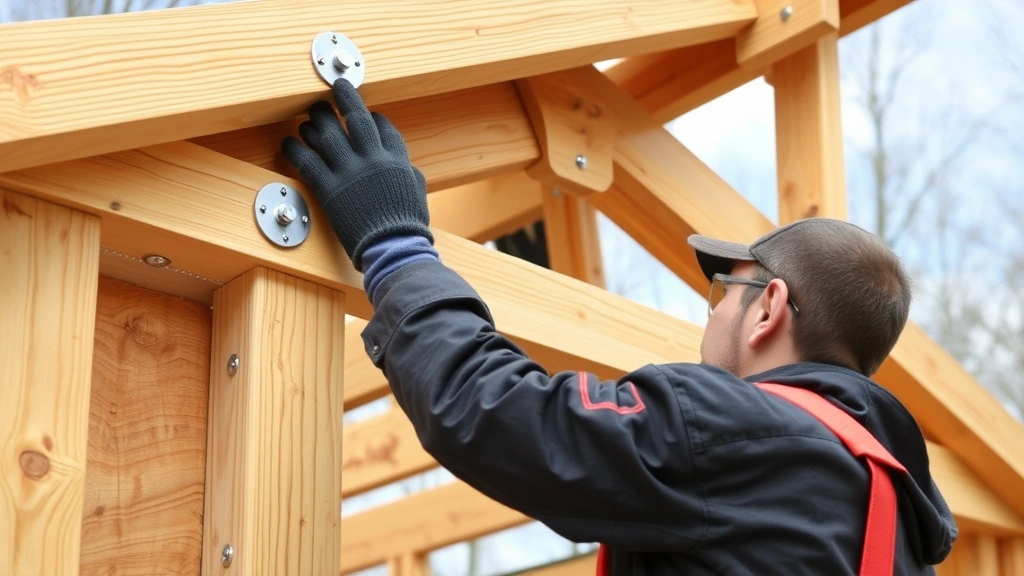
DIY Shed Roof? Expert Tips on Building One
Building a shed roof is one of the most rewarding DIY projects you can undertake, transforming a simple structure into a weather-protected storage solution. Whether you’re constructing your first shed or upgrading an existing one, understanding the fundamentals of roof design, material selection, and installation techniques will ensure your project stands the test of time. A properly built shed roof not only protects your stored items from the elements but also adds structural integrity to your entire shed, making it a critical component that deserves careful attention and planning.
The process of building a shed roof requires a combination of proper planning, quality materials, and precise execution. Unlike many other home improvement projects, roof construction demands an understanding of load distribution, weather resistance, and local building codes. This comprehensive guide walks you through every stage of the process, from initial design considerations to final weatherproofing, ensuring that your DIY shed roof project succeeds without costly mistakes or safety compromises.

Understanding Shed Roof Types and Styles
Before you pick up a hammer, understanding the different shed roof types available will help you choose the best option for your specific needs and skill level. The most common shed roof styles include gable roofs, shed roofs, gambrel roofs, and saltbox roofs, each offering distinct advantages and construction complexities.
A gable roof features two sloping sides that meet at a peak, creating a triangular shape. This design is popular among DIYers because it offers excellent water drainage, provides attic space for storage or ventilation, and is relatively straightforward to construct. The symmetrical design also distributes weight evenly across the supporting walls.
The shed roof, also called a lean-to roof, slopes in only one direction. This single-slope design is the simplest to build and requires fewer materials, making it ideal for beginners or those working on a tight budget. However, it provides less interior headroom and may require additional bracing in areas with heavy snow loads.
A gambrel roof resembles a barn roof with two slopes on each side, creating more interior space. While visually appealing, gambrel construction is more complex and requires more precise framing work. Consider tackling beginner woodworking projects first if you’re new to construction.
Saltbox roofs combine asymmetrical slopes, offering a classic aesthetic while maintaining functional water drainage. This style requires advanced framing knowledge and is best reserved for experienced builders.
Consider your local climate when selecting a roof type. Areas with heavy snow loads benefit from steeper pitches that shed snow more effectively. Regions with high winds require more robust bracing and lower pitch angles. Consult your International Code Council (ICC) building codes for specific requirements in your area.

Materials and Tools You’ll Need
Gathering the right materials and tools before starting your project prevents delays and ensures professional results. Your material list depends on your chosen roof type, local climate conditions, and desired longevity.
Structural Materials:
- Pressure-treated lumber for rafters (typically 2×6, 2×8, or 2×10 depending on span)
- Roof sheathing plywood or OSB (oriented strand board), usually 1/2-inch or 5/8-inch thickness
- Ridge board and collar ties for gable roofs
- Hurricane ties or rafter connectors for wind resistance
- Pressure-treated ledger board if attaching to existing structure
Weatherproofing Materials:
- Roofing underlayment or ice and water shield
- Roofing material (asphalt shingles, metal panels, or wood shakes)
- Flashing for valleys, edges, and penetrations
- Ridge vents or soffit vents for proper ventilation
- Gutter system and downspouts
Essential Tools:
- Circular saw or miter saw for cutting rafters
- Power drill with bit set
- Pneumatic nailer or roofing nailer
- Tape measure and framing square
- Safety equipment: harness, glasses, gloves, and dust mask
- Ladder or scaffolding for safe access
- Roofing shovel and pry bar for installation
Before purchasing materials, review American Wood Council standards for lumber grading and appropriate species for your climate zone.
Calculating Roof Pitch and Measurements
Accurate measurements are the foundation of a successful roof project. Roof pitch, expressed as a ratio of rise to run (for example, 6:12 means 6 inches of rise for every 12 inches of horizontal run), affects water drainage, material costs, and installation difficulty.
Common Roof Pitches:
- 4:12 pitch: Minimal slope, suitable for dry climates
- 6:12 pitch: Moderate slope, excellent for most regions
- 8:12 pitch: Steeper slope, ideal for snowy climates
- 12:12 pitch: Very steep, maximum water shedding capability
To determine your required pitch, research local snow loads and rainfall data for your region. Steeper pitches shed snow and water more effectively but require more materials and increase installation difficulty. Visit your National Roofing Contractors Association (NRCA) website for regional guidelines.
Calculate rafter length using the Pythagorean theorem or a rafter calculator. For example, a shed with a 20-foot width and 6:12 pitch requires rafters approximately 13.4 feet long. Always add extra length for overhang (typically 12-18 inches) to protect walls from water damage.
Create a detailed scale drawing of your shed showing all measurements, angles, and material placements. This drawing serves as your blueprint during construction and helps you order materials accurately. Many builders benefit from understanding proper structural planning techniques used in larger projects.
Building the Roof Frame Structure
The roof frame is the skeleton of your entire roof system, so precision during this phase prevents problems later. Begin by ensuring your shed walls are perfectly square, level, and plumb using a level and measuring diagonals to confirm squareness.
Preparing for Rafter Installation:
If your shed has existing walls, snap chalk lines to mark rafter locations, typically 16 or 24 inches on center. For gable roofs, install a ridge board first, securing it temporarily with bracing. The ridge board should be perfectly level and centered over the shed width.
Cut your first pair of rafters as a test, then use them as templates for remaining rafters. Precision in the first pair saves hours of fitting adjustments. Mark bird’s mouth cuts (notches that sit on the top plate) carefully, ensuring they’re identical on both sides.
Fastening Rafter Systems:
Install rafter pairs symmetrically, working from the center toward the ends. Use hurricane ties or rafter connectors at wall plates to resist uplift forces from wind. According to Structural Building Components Industry Council, these connections are critical in high-wind areas and may be required by local codes.
Install collar ties approximately one-third down from the ridge to prevent rafter spreading. These horizontal members tie opposite rafters together and significantly increase structural rigidity. Space collar ties every four feet along the length of the roof.
For shed roofs, install ledger boards securely to existing structures using lag bolts spaced 16 inches apart. Use flashing above the ledger to prevent water from running behind it and causing rot. This detail is often overlooked but is essential for long-term durability.
Check all rafters for level and plumb before moving to sheathing installation. A roof frame that’s out of square now will cause problems during shingle installation and may create visible waviness in the finished roof.
Installing Sheathing and Underlayment
Roof sheathing provides the nailing surface for roofing materials and distributes roof loads across the rafter system. Standard sheathing consists of 1/2-inch or 5/8-inch plywood or oriented strand board (OSB), installed with staggered seams for maximum strength.
Sheathing Installation Guidelines:
- Start at the eave and work toward the ridge
- Leave 1/8-inch gaps between sheets for expansion
- Stagger seams so they don’t align vertically
- Nail every 6 inches along rafters and 12 inches in field
- Use 8-penny nails for 1/2-inch sheathing, 10-penny for 5/8-inch
After sheathing installation, install underlayment before roofing material. Underlayment serves as a secondary water barrier, protecting against ice dams and wind-driven rain. Modern synthetic underlayment is superior to traditional felt paper because it’s more durable, breathable, and provides better traction for workers.
Install underlayment horizontally, starting at the lowest edge and overlapping each course by 4-6 inches. Secure with cap nails or staples approximately every 12 inches. Pay special attention to valleys, roof penetrations, and eaves where water tends to accumulate.
For areas prone to ice dams, consider installing ice and water shield along the eaves and valleys. This self-adhering membrane prevents water backup during freeze-thaw cycles. Extend it at least 3 feet up the roof or to the interior wall line, whichever is greater.
Choosing and Installing Roofing Material
Your roofing material choice affects durability, maintenance requirements, cost, and aesthetic appeal. The most common options for shed roofs include asphalt shingles, metal roofing, wood shakes, and rubber membranes.
Asphalt Shingles: The most affordable and widely used option, asphalt shingles last 15-25 years depending on quality and climate. Three-tab shingles are budget-friendly, while architectural shingles offer better durability and appearance. Installation is straightforward for DIYers, requiring only basic tools.
Metal Roofing: Metal panels or standing seam roofing offer exceptional durability (40-70 years), excellent weather resistance, and energy efficiency. Installation requires more precision and specialized tools, but many homeowners find the longevity worth the initial investment. Metal roofing performs exceptionally well in snowy regions where snow sheds easily.
Wood Shakes and Shingles: These premium materials provide natural aesthetics but require regular maintenance, are more expensive, and demand advanced installation skills. Wood is susceptible to rot, insects, and fire unless treated with preservatives.
Rubber and Membrane Roofing: EPDM, TPO, and PVC membranes are durable, long-lasting options ideal for low-slope shed roofs. These materials are more forgiving for DIY installation and are highly weather-resistant.
Asphalt Shingle Installation:
Start shingle installation at the eave with a starter strip of shingles installed upside down. This provides better water shedding and prevents wind from lifting the first course. Begin the first course of regular shingles at one corner, working horizontally across the roof.
Each shingle typically has adhesive strips that activate in the sun. Some installers prefer nailing through the adhesive line for added security. Use four nails per shingle, positioned correctly to avoid splitting or missing rafters.
Stagger shingle seams on each successive row to prevent water from flowing along vertical joints. Most shingles have alignment guides printed on them to help with this process. Work carefully around roof penetrations, valleys, and edges to ensure proper flashing installation.
Install flashing at all valleys using either open or closed valley methods. Open valleys, where flashing is visible, are easier for DIYers and allow better water drainage. Closed valleys, where shingles cover the flashing, provide better aesthetics but require more precision.
Ventilation and Moisture Management
Proper ventilation prevents moisture accumulation, extends roof life, and reduces heat buildup in summer. Even storage sheds benefit from ventilation to prevent mold, mildew, and wood rot.
Ventilation Strategies:
For gable roofs, install soffit vents along the eaves and gable vents near the peak. Air flows in through soffit vents and exits through gable vents, creating natural convection. For shed roofs, install soffit vents at the low end and gable or ridge vents at the high end.
The general rule is one square foot of ventilation opening for every 150 square feet of attic space (or 1:150 ratio). Half this ventilation should be intake (soffit) and half exhaust (ridge or gable). This balanced approach ensures adequate airflow without creating dead spots.
If your shed will store items sensitive to humidity, consider installing a ridge vent, which runs the entire length of the roof peak and provides continuous exhaust ventilation. Ridge vents are more effective than single gable vents and create a cleaner appearance.
Ensure rafter bays have clear airflow paths by installing baffles that prevent insulation from blocking soffit vents. This is critical if you’re considering future insulation installation.
Weatherproofing and Finishing Touches
Completing your shed roof requires attention to details that prevent water infiltration and ensure longevity. These finishing elements are often overlooked but are essential for protecting your structure.
Flashing Installation:
Install flashing at all points where water might enter: valleys, roof penetrations, eaves, and where the roof meets walls. Flashing is typically galvanized steel or aluminum and should be secured with roofing nails and caulk.
At roof penetrations (vents, pipes, chimneys), install flashing that extends under the roofing material above the penetration and over the shingles below. This directs water away from the opening and prevents leaks at these vulnerable points.
Install drip edge flashing along all eaves and gables. Drip edge directs water away from fascia boards and prevents water damage. This simple $1-2 per linear foot investment prevents expensive fascia replacement.
Gutter and Downspout System:
Install gutters along all eaves to collect and direct water away from the shed foundation. Gutters should slope slightly toward downspouts (1/16 inch per foot) to ensure proper drainage. Undersized gutters lead to overflow and water damage during heavy rains.
Extend downspouts at least 4-6 feet away from the foundation or connect them to underground drainage systems. This prevents water from accumulating near the shed base and causing foundation problems.
Clean gutters at least twice yearly, more frequently if your shed is surrounded by trees. Clogged gutters cause water backup and can lead to roof leaks and rot.
Final Inspections:
Before considering your project complete, perform a thorough inspection. Check all shingles for proper nailing and adhesion. Walk the roof carefully (with appropriate safety equipment) to identify any missed areas or improper installations. Look for gaps in flashing, loose shingles, or areas where water might collect.
If you’re in a region requiring building permits, schedule a final inspection with your local building department. Many jurisdictions require roof inspections before issuing occupancy approval. This ensures your work meets code requirements and protects your property investment.
Document your roof installation with photographs showing materials used, installation dates, and any modifications made. This documentation helps with future maintenance decisions and warranty claims.
Consider your shed roof a system where every component works together. Quality materials are wasted if installation is poor, and perfect installation with substandard materials will fail prematurely. Investing in both quality materials and careful workmanship ensures your shed roof provides decades of reliable protection.
FAQ
How long does a typical DIY shed roof installation take?
A basic shed roof project typically requires 2-4 weeks for an experienced DIYer, depending on shed size and complexity. A simple 8×10 shed with a single-slope roof might take just 3-4 days of actual work, while a larger gable roof structure could require 2-3 weeks. Factor in time for material gathering, planning, and drying time for sealants and roofing cement.
What’s the most common mistake DIYers make when building shed roofs?
Improper flashing installation is the most frequent error. Many builders underestimate how water behaves on roofs and fail to install adequate flashing at valleys, penetrations, and eaves. This leads to leaks that cause expensive interior damage. Additionally, inadequate ventilation and improper nailing of shingles are common issues that reduce roof lifespan significantly.
Do I need building permits for a shed roof replacement?
Most jurisdictions require permits for roofing work, even on outbuildings. Permits ensure work meets current building codes and provides documentation for insurance purposes. Contact your local building department before starting your project. Permit costs are typically $50-200 and are well worth the protection they provide.
What roof pitch is best for a shed roof?
A 6:12 pitch offers the best balance of functionality and ease of installation for most DIYers. This pitch provides excellent water drainage, is manageable to work on safely, and accommodates most roofing materials. In snowy climates, 8:12 or steeper pitches improve snow shedding. In dry climates, 4:12 pitch is acceptable and uses fewer materials.
Should I use plywood or OSB for roof sheathing?
Both materials work, but plywood is generally superior. Plywood resists moisture better, maintains its strength longer, and provides more consistent nailing surfaces. OSB is less expensive but absorbs water more readily and may delaminate if exposed to moisture. In humid climates, plywood is worth the extra cost. For budget-conscious projects in dry climates, quality OSB is acceptable.
How do I prevent ice dams on my shed roof?
Install ice and water shield along eaves extending at least 3 feet up the roof. Ensure proper ventilation to maintain consistent roof temperatures that prevent snow melt. Insulate the shed adequately if it generates interior heat. In extreme climates, heated cable systems provide additional protection, though they require electrical installation.
What’s the best roofing material for a budget-conscious DIY project?
Asphalt three-tab shingles offer the lowest cost and easiest installation. A bundle covers about 33 square feet and costs $25-40. Installation is straightforward with basic tools. While they last 15-20 years (less than premium materials), their affordability makes them ideal for first-time builders or temporary structures. Metal roofing, while more expensive initially, offers better long-term value through reduced maintenance and extended lifespan.
Can I install a new roof over my existing shed roof?
In most cases, yes, but only if the existing roof is in good condition and local codes allow it. Roofing over existing material adds weight and may exceed rafter capacity. Remove the old roof if it shows signs of rot, leaks, or structural damage. Building codes typically allow only one layer of roofing over existing materials, so future replacements will require complete removal.


