
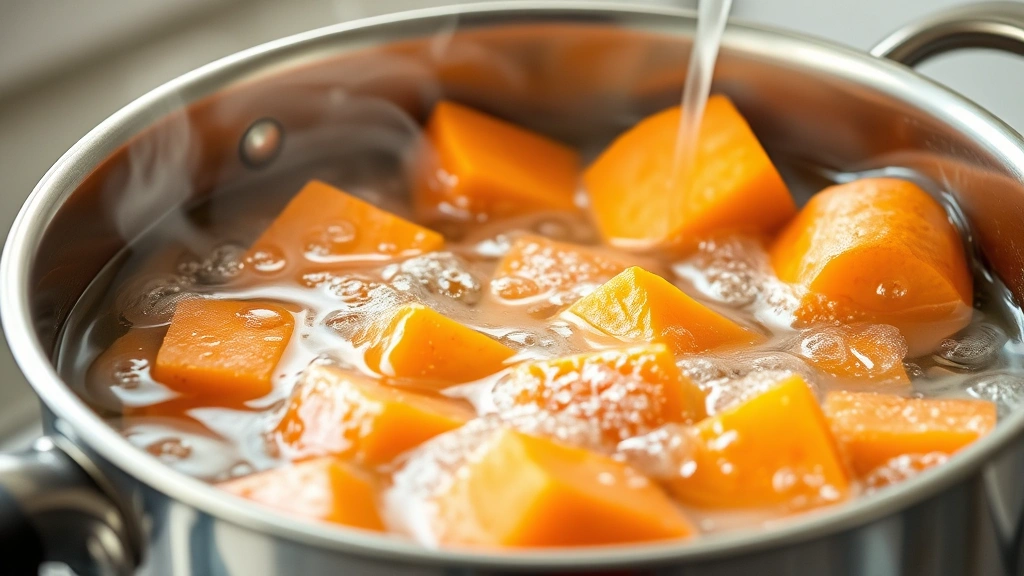
Boiling Sweet Potatoes: Chef-Tested Timing
Sweet potatoes are a nutritious and versatile ingredient that can transform any meal, from savory side dishes to sweet desserts. Whether you’re preparing a weeknight dinner or meal prepping for the week ahead, knowing exactly how long it takes to boil sweet potatoes is essential for achieving perfectly tender results every time. This comprehensive guide breaks down the science behind boiling sweet potatoes, factors that affect cooking time, and professional techniques to ensure consistent success in your kitchen.
The cooking time for sweet potatoes varies depending on size, freshness, altitude, and water temperature. Understanding these variables allows you to plan meals more effectively and avoid undercooked or mushy results. We’ll explore chef-tested methods, troubleshooting tips, and practical advice that will help you master this fundamental cooking technique.

Basic Boiling Time for Sweet Potatoes
The fundamental answer to “how long does it take to boil sweet potatoes” depends primarily on size. Small to medium sweet potatoes (roughly 4-6 inches long) typically require 15-20 minutes of boiling time when whole and unpeeled. Larger potatoes measuring 8 inches or more may need 25-30 minutes to achieve complete tenderness throughout. Medium-sized pieces cut into 2-inch cubes generally cook in 12-15 minutes, making them ideal for recipes requiring faster preparation.
For meal prep efficiency, many professional chefs recommend cutting sweet potatoes into uniform pieces before boiling. This standardizes cooking time and ensures even heat distribution. When using this method, expect 10-15 minutes for properly sized cubes in a rolling boil. The key is maintaining a consistent boil throughout the cooking process rather than allowing the water to return to a simmer, which extends cooking time unpredictably.
Starting with cold water versus hot water also influences total cooking time. While starting with already-boiling water reduces cooking time by approximately 3-5 minutes, starting with cold water and bringing it to a boil together creates a more gradual cooking process that some chefs prefer for achieving uniform texture. This method requires adding roughly 5 extra minutes to your total cooking time.

Factors Affecting Cook Time
Several variables significantly impact how long your sweet potatoes will take to boil. Understanding each factor helps you predict cooking time more accurately and adjust your meal planning accordingly.
Potato Size and Uniformity: Size is the most critical factor affecting boiling time. Whole, unpeeled sweet potatoes with significant variation in diameter will cook unevenly, with thin sections becoming mushy before thicker sections reach tenderness. This is why professional kitchens prioritize cutting potatoes into uniform pieces. A 3-inch cube will cook approximately 50% faster than a whole 8-inch potato.
Water Temperature and Volume: The amount of water relative to potatoes affects how quickly the water returns to a rolling boil after adding cold potatoes. Generally, use enough water to cover potatoes by 2-3 inches. If water barely covers the potatoes, the temperature drops significantly upon contact, extending cooking time. Conversely, excessive water takes longer to heat initially but maintains temperature better once boiling.
Altitude Considerations: At higher elevations, water boils at lower temperatures, which directly impacts cooking time. At sea level, water boils at 212°F (100°C), but at 5,000 feet elevation, boiling point drops to approximately 202°F (94°C). This means residents in mountainous regions should expect 15-20% longer cooking times. USDA cooking guidelines provide altitude adjustment charts for various cooking methods.
Potato Freshness and Age: Older sweet potatoes stored for several months cook more quickly than recently harvested ones. This is because starch content decreases during storage, making the flesh softer and more receptive to heat penetration. Newly harvested potatoes may require an additional 3-5 minutes of boiling time.
Starch Content Variation: Different sweet potato varieties have different starch contents. Orange-fleshed varieties contain more moisture and cook slightly faster than white or purple varieties. If using specialty varieties unfamiliar to you, begin checking for doneness at the minimum suggested time.
Preparation Methods
How you prepare sweet potatoes before boiling directly affects cooking time and final texture. Let’s explore the most effective preparation techniques.
Whole and Unpeeled Method: This approach preserves maximum nutrition and prevents nutrient loss into boiling water. Scrub potatoes thoroughly under running water to remove soil and debris. Pierce each potato 3-4 times with a fork to prevent them from bursting during cooking. Place in a pot, cover with cold water, bring to a boil, then maintain a rolling boil for 20-30 minutes depending on size. This method works best when you plan to peel potatoes after cooking, as the skin slides off easily when warm.
Peeled and Cubed Method: This is the fastest approach for busy cooks. Peel potatoes using a vegetable peeler or sharp knife, then cut into uniform 2-inch cubes. Place cubes in already-boiling water and maintain a rolling boil for 10-15 minutes. Since peeled potatoes lose some nutrients to the cooking water, consider reserving the cooking liquid for soups or broths to capture those nutrients.
Halved or Quartered Method: Cut larger potatoes in half or quarters lengthwise, keeping skin intact. This method balances cooking speed with nutrient retention. Boil for 15-20 minutes depending on thickness. This approach works particularly well if you’re planning to roast or further cook the potatoes after boiling, as you can easily control how much additional cooking they receive.
When preparing potatoes, maintain consistency in piece size. If you must combine different sizes, place larger pieces in the water first, then add smaller pieces 5 minutes later to ensure everything finishes simultaneously. This technique, called staggered cooking, prevents small pieces from becoming overcooked while waiting for large pieces to finish.
Testing for Doneness
Knowing when sweet potatoes are perfectly cooked is crucial for achieving ideal texture. Several reliable testing methods help you determine doneness without guesswork.
Fork Tenderness Test: The most reliable method involves piercing the thickest part of a potato with a fork or knife tip. Fully cooked sweet potatoes should offer minimal resistance, with the utensil sliding through smoothly like hot butter. If you feel firmness or resistance at the center, potatoes need additional cooking time. Check every 2-3 minutes until they reach proper tenderness.
Visual Appearance: Cooked sweet potatoes often develop slightly translucent areas on the surface and may appear slightly wrinkled or shriveled compared to raw potatoes. While not a definitive indicator alone, this visual change combined with other tests confirms doneness.
Skin Integrity: Overcooked sweet potatoes begin splitting or cracking at the surface. If you notice cracks or the skin peeling away, potatoes are likely overdone. Remove them immediately to prevent mushiness.
Potato Fragrance: As sweet potatoes approach doneness, they release a sweet, earthy aroma. Intensifying fragrance indicates approaching completion. This sensory indicator works particularly well when cooking whole potatoes where visual inspection is limited.
Timing as a Guide: While not foolproof, using your expected cooking time as a starting point helps. Begin testing at the minimum suggested time for your potato size, then continue testing every 1-2 minutes until doneness is achieved. Keep detailed notes on your cooking times for future reference, especially if you regularly cook the same potato size.
Pro Tips from Professional Chefs
Professional culinary experts have developed several techniques that improve boiling results and save time in busy kitchens. These chef-tested methods are worth incorporating into your routine.
Salt the Water Properly: Add 1-2 teaspoons of salt per quart of water. Salted water seasons the potatoes as they cook and raises the boiling point slightly, which can actually reduce cooking time marginally. Salt also helps maintain firmness and prevents excessive nutrient leaching. This is particularly important when preparing boiled potatoes for vegetable medleys similar to boiling carrots, where you want consistent texture across multiple ingredients.
Use a Pressure Cooker for Speed: A pressure cooker or Instant Pot reduces cooking time by approximately 60-70%. Small cubed sweet potatoes cook in just 3-4 minutes under pressure, while whole medium potatoes need only 8-10 minutes. This method is ideal when time is limited. Remember to allow for natural pressure release (5 minutes) before quick-releasing remaining pressure to prevent splattering.
Bring Water to Rolling Boil First: Adding potatoes to already-boiling water rather than starting with cold water produces more consistent results and reduces overall cooking time. However, maintain careful attention as the temperature will temporarily drop when cold potatoes enter hot water. Increase heat briefly to return to a rolling boil quickly.
Arrange Potatoes Strategically: Place potatoes in a single layer when possible, or at least ensure they’re not stacked on top of each other. This allows water to circulate evenly around all sides, promoting uniform cooking. If your pot is small, cook in batches rather than crowding potatoes together.
Reserve Cooking Water: The water used to boil sweet potatoes contains valuable nutrients and natural sugars. Save it for making broths, soups, or using in baking. This practice reduces waste and adds subtle sweet potato flavor to other dishes. Store cooled cooking water in the refrigerator for up to 3 days.
Add Acid for Texture Control: Adding 1 tablespoon of lemon juice or vinegar per quart of water helps maintain firmness and prevents mushiness, particularly useful when cooking for extended periods or if you tend to overcook. The acid slows starch breakdown and helps cell walls maintain integrity.
Common Mistakes to Avoid
Even experienced cooks occasionally make errors when boiling sweet potatoes. Awareness of these common pitfalls helps you achieve better results consistently.
Overcrowding the Pot: Packing too many potatoes into insufficient water causes uneven cooking and temperature fluctuations. The water struggles to maintain a rolling boil, and potatoes in the center cook more slowly than those at the edges. Use a pot large enough that potatoes occupy roughly 60-70% of the water volume.
Neglecting to Stir or Rearrange: While boiling is more passive than other cooking methods, occasionally stirring potatoes ensures even heat exposure. Every 5-7 minutes, gently stir to move potatoes from top to bottom and center to edges.
Starting with Insufficient Water: Water that barely covers potatoes evaporates quickly and cools dramatically when potatoes are added. Always use at least 2-3 inches of water above the potatoes. If water level drops significantly during cooking, add more boiling water to maintain proper coverage.
Ignoring Size Variation: Mixing significantly different potato sizes in one batch guarantees uneven cooking. Small potatoes finish cooking while large ones remain firm, forcing you to choose between undercooked and overcooked results. Cut potatoes to uniform sizes or cook different sizes separately.
Reducing Heat Too Early: Some cooks reduce heat after water reaches a boil, thinking this saves energy. However, a rolling boil is essential for proper cooking. Reducing to a simmer extends cooking time and can produce uneven texture. Maintain a rolling boil throughout the cooking period.
Skipping the Fork Test: Relying solely on timing without testing leads to disappointing results. Cooking times vary based on numerous factors, making the fork test your most reliable indicator of doneness. Never skip this crucial step.
Storage and Make-Ahead Options
Boiled sweet potatoes can be prepared in advance, making them convenient for meal prep and busy weeknights. Proper storage extends their usability significantly.
Refrigerator Storage: Cooked, cooled sweet potatoes keep in the refrigerator for 3-5 days when stored in airtight containers. Keep them whole or cut into pieces depending on how you plan to use them. Store cooking water separately if you’re saving it for other uses.
Freezer Storage: Boiled sweet potatoes freeze well for up to 3 months. Peel them after cooking, cut into cubes or slices, then spread on a baking sheet to freeze individually before transferring to freezer bags. This prevents clumping and allows you to use only what you need. Frozen boiled potatoes work best in soups, stews, or mashed preparations rather than dishes requiring firm texture.
Reheating Methods: Thaw frozen sweet potatoes in the refrigerator overnight, then reheat gently on the stovetop with a little water or in the microwave. Avoid high heat, which can cause mushiness. For best results, reheat in a steamer basket over simmering water for 3-5 minutes.
Meal Prep Strategy: Boil a large batch of sweet potatoes at the beginning of the week, then store them refrigerated for use in various meals. This approach mirrors how people prepare other staple ingredients and significantly reduces weeknight cooking time. You can incorporate them into breakfast bowls, lunch salads, or dinner sides without additional cooking.
Combination Cooking: For maximum efficiency, boil multiple types of vegetables simultaneously. Sweet potatoes pair well with other root vegetables when boiling, though timing must be coordinated. Start potatoes first, then add faster-cooking vegetables like carrots or beets 5-7 minutes later. Alternatively, prepare a protein like chicken thighs in a separate pot and combine finished components for complete one-bowl meals.
FAQ
How long does it take to boil sweet potatoes in cold water?
Starting with cold water and bringing it to a boil together requires approximately 5-10 minutes for the water to reach a rolling boil, plus an additional 20-30 minutes for cooking, totaling 25-40 minutes depending on potato size. This method is slower than starting with hot water but produces more uniform texture.
Can you boil sweet potatoes with the skin on?
Yes, boiling sweet potatoes with skin intact is an excellent method that preserves nutrients and makes peeling easier after cooking. Scrub potatoes thoroughly, pierce several times with a fork, then boil for 20-30 minutes depending on size. The skin slides off easily when the potatoes are warm.
Why are my boiled sweet potatoes mushy?
Mushiness typically results from overcooking. Reduce cooking time by 2-3 minutes next time, and begin testing for doneness earlier. Adding a tablespoon of vinegar or lemon juice per quart of water helps maintain firmness. Additionally, ensure potatoes are cut to uniform sizes so they cook at the same rate.
How do you know when boiled sweet potatoes are done?
The most reliable test involves piercing the thickest part with a fork. Fully cooked sweet potatoes should offer minimal resistance, with the fork sliding through smoothly. Visual cues include slightly wrinkled skin and translucent areas on the surface. Follow timing guidelines for your potato size as a starting point, but always confirm with the fork test.
Is it better to boil or bake sweet potatoes?
Both methods have advantages. Boiling is faster (15-30 minutes versus 45-60 minutes for baking) and uses less energy. Baking concentrates sugars and develops deeper flavor. For meal prep and quick weeknight cooking, boiling is superior. For enhanced flavor in standalone dishes, baking is preferable. Consider your recipe requirements when choosing.
Can you boil sweet potatoes in broth instead of water?
Absolutely. Vegetable or chicken broth adds flavor and nutrients compared to plain water. Use the same cooking times as you would with water. The starch and natural sugars in sweet potatoes will flavor the broth, making it suitable for soups or sauces. This is an excellent way to use broth efficiently in meal preparation.
How much water do you need to boil sweet potatoes?
Use enough water to cover potatoes by 2-3 inches. For a standard pot holding 4-6 medium sweet potatoes, approximately 8-10 cups of water is appropriate. More water takes slightly longer to reach a boil initially but maintains temperature better once potatoes are added. Less water cools more dramatically upon adding cold potatoes and may evaporate during cooking.
What’s the fastest way to cook sweet potatoes?
A pressure cooker or Instant Pot is fastest, cooking cubed sweet potatoes in 3-4 minutes under pressure. Microwave cooking is also quick (5-10 minutes for whole potatoes), though texture differs slightly. For traditional boiling, cut potatoes into small, uniform cubes and boil in already-hot water for approximately 10-12 minutes. These methods work well when preparing meal prep recipes requiring quick preparation.