
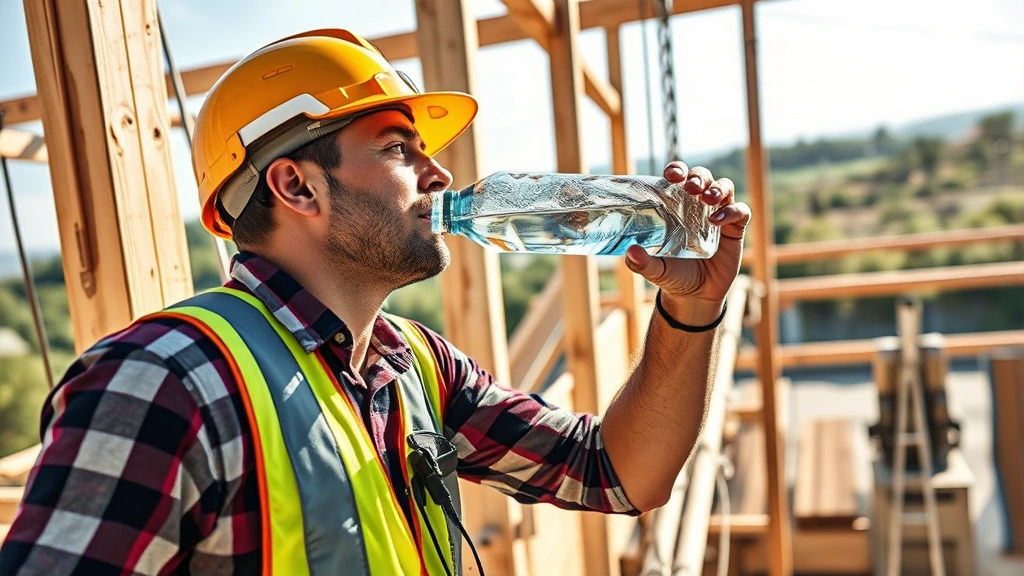
Water Digestion: Expert Insights on Timing
Water digestion is often misunderstood in both health and construction contexts. While water itself doesn’t require digestion in the traditional sense, understanding how your body processes hydration is essential for optimal wellness and productivity on job sites. Whether you’re a DIY enthusiast working on basement finishing projects or tackling general home improvement, proper hydration timing directly impacts your performance and safety.
The question of how long it takes to digest water reveals fascinating insights into human physiology. Unlike food, which requires enzymatic breakdown and can take hours to process, water follows an entirely different pathway through your system. This article explores the science behind water absorption, optimal drinking timing, and how hydration affects your ability to complete DIY tasks safely and effectively.

Understanding Water Absorption vs. Digestion
The fundamental distinction between water absorption and food digestion is crucial to answering our central question. Water doesn’t require digestion—it requires absorption. Digestion is the process of breaking down complex molecules into simpler forms your body can utilize. Water, being a simple molecule (H₂O), bypasses this entirely.
When you drink water, it begins its journey through your digestive system immediately upon entering your mouth. Unlike carbohydrates, proteins, and fats that need enzymatic breakdown, water molecules can be absorbed directly through the stomach lining and small intestine walls. This fundamental difference explains why water moves through your system so rapidly compared to food.
Your stomach lining contains specialized cells designed to absorb water molecules. The small intestine, particularly the jejunum and ileum sections, performs the majority of water absorption. According to research from the National Institutes of Health, approximately 99% of water consumed is reabsorbed by your digestive system, making it incredibly efficient at hydration.
Understanding this process is particularly relevant for DIY enthusiasts. When you’re working on projects like home security installations or other physically demanding tasks, knowing how quickly your body processes water helps you maintain optimal hydration levels without interrupting workflow.

Timeline: How Quickly Your Body Processes Water
The timeline for water absorption is remarkably fast. Most water enters your bloodstream within 5-15 minutes of consumption. This rapid absorption rate makes water unique among beverages and foods.
Here’s the detailed breakdown:
- 0-2 minutes: Water reaches your stomach; initial absorption begins through stomach lining
- 5-15 minutes: Majority of water absorbed into bloodstream through small intestine
- 15-30 minutes: Peak hydration levels achieved; water distributed to cells throughout body
- 30-45 minutes: Excess water processed by kidneys; urination begins if overconsumption occurred
- 45-120 minutes: Complete distribution and cellular hydration equilibrium reached
The speed of absorption depends significantly on stomach contents. Empty stomach? Water absorbs faster. Full stomach with food? Absorption slows considerably. This is why health experts often recommend drinking water 30 minutes before meals or 2 hours after eating for maximum absorption efficiency.
For DIY workers, this timing matters. If you drink water on an empty stomach, you’ll experience peak hydration benefits within 15 minutes—ideal for starting a project or when you’re already feeling dehydrated.
Factors Affecting Water Absorption Speed
Multiple variables influence how quickly your body processes water. Understanding these factors helps optimize your hydration strategy, especially when undertaking demanding home projects.
Stomach Contents: The presence of food significantly slows water absorption. A completely empty stomach allows water to pass through quickly, while a meal-filled stomach can delay absorption by 20-30 minutes or more. This is why athletes often time water intake carefully around training sessions.
Temperature: Research indicates that room-temperature or slightly cool water absorbs faster than ice-cold or hot water. Your stomach must adjust extreme temperatures, which temporarily slows the absorption process. For work situations, cool water typically represents the optimal choice for rapid hydration.
Electrolyte Concentration: Pure water absorbs differently than water containing electrolytes (sodium, potassium, magnesium). Sports drinks with optimal electrolyte ratios can actually accelerate water absorption by promoting active transport mechanisms in intestinal cells. However, for typical hydration, plain water suffices.
Individual Metabolism: Age, fitness level, metabolism rate, and overall health affect absorption speed. Younger individuals with faster metabolisms typically absorb water more rapidly than older adults. Athletes often show enhanced water absorption efficiency due to physiological adaptations.
Hydration Status: Dehydrated individuals absorb water more efficiently than well-hydrated people. Your body prioritizes rebalancing fluid levels, accelerating absorption when needed. This explains why water seems to quench thirst almost instantly when you’re truly parched.
Physical Activity: During exercise or physical work, blood flow redirects to muscles, potentially slowing stomach absorption temporarily. However, the body compensates through increased intestinal absorption. When working on flooring installation or other strenuous projects, your body prioritizes water delivery to active muscles.
Optimal Hydration Timing for DIY Work
Strategic water consumption timing maximizes your performance during home improvement projects. The science of water absorption provides clear guidance for hydration scheduling.
Pre-Project Hydration: Drink 16-20 ounces of water 2-3 hours before starting work. This allows complete absorption and distribution, ensuring your cells are fully hydrated before physical exertion begins. Avoid drinking immediately before work, as you’ll experience the need to urinate during your project.
During-Project Maintenance: Consume 7-10 ounces every 15-20 minutes during active work. This frequent small-volume approach maintains hydration without causing stomach discomfort or frequent bathroom breaks. The water will absorb quickly enough to replenish what you’re losing through perspiration.
Post-Project Recovery: Drink 16-24 ounces within 30 minutes of completing work. Your body will rapidly absorb this water, restoring fluid levels depleted during exertion. This timing capitalizes on the post-exercise absorption efficiency your body develops.
When tackling woodworking projects or other detailed work requiring focus, avoid large water consumption immediately before starting. The cognitive distraction of needing a bathroom break compromises safety and productivity.
Water and Physical Performance
Proper hydration directly impacts your ability to safely and effectively complete DIY projects. Even mild dehydration—losing just 1-2% of body water—noticeably reduces performance.
Dehydration effects include:
- Reduced muscle strength and endurance (critical for heavy lifting)
- Impaired cognitive function and decision-making
- Decreased coordination and balance (safety hazard on ladders)
- Increased fatigue and perceived effort
- Reduced heat tolerance (dangerous in hot environments)
- Slower reaction time
Since water absorbs into your bloodstream within 15 minutes, strategic drinking during projects provides quick performance benefits. This is why experienced DIY enthusiasts maintain constant hydration throughout work sessions.
The American College of Sports Medicine recommends maintaining hydration status within 2% of normal body weight for optimal physical performance. For a 150-pound person, this means losing no more than 3 pounds of fluid during activity.
Interestingly, thirst is not a reliable hydration indicator. By the time you feel thirsty, you’re already experiencing performance decrements. Proactive hydration—drinking on schedule rather than waiting for thirst—maintains optimal performance throughout your project.
Common Hydration Myths Debunked
Myth 1: You must drink 8 glasses daily. Individual water needs vary based on activity level, climate, body size, and metabolism. The “8×8” rule is oversimplified. Check urine color instead—pale yellow indicates adequate hydration; dark yellow suggests dehydration.
Myth 2: You can drink too much water. While rare, hyponatremia (dangerously low sodium from excessive water intake) can occur. However, normal drinking patterns cannot cause this. Extreme cases involve consuming gallons within hours.
Myth 3: Water requires digestion time. As established, water absorption takes 5-15 minutes, not hours. You don’t need to wait between drinking water and eating.
Myth 4: All beverages hydrate equally. While beverages containing caffeine or alcohol have mild diuretic effects, they still contribute to overall hydration. Plain water remains the most efficient hydration source.
Myth 5: Cold water slows digestion. Temperature doesn’t significantly impact digestion. Cold water may cause brief stomach contractions but doesn’t impair digestive function. Choose temperature based on preference and absorption speed goals.
Practical Hydration Strategies for Home Projects
Implementing science-based hydration strategies ensures you maintain peak performance throughout DIY work sessions.
Strategy 1: The Pre-Work Loading Method Drink 16-20 ounces 2-3 hours before starting. This allows complete absorption and distribution, ensuring you begin work fully hydrated. Your body will have processed this water completely, minimizing bathroom interruptions during your project.
Strategy 2: The Frequent Small-Volume Approach Keep water nearby and drink 7-10 ounces every 15-20 minutes during active work. This matches your sweat loss rate and maintains consistent hydration without stomach discomfort. The frequent small volumes absorb quickly without creating urgency.
Strategy 3: The Color-Based Monitoring System Check urine color periodically. Pale yellow indicates adequate hydration; dark yellow suggests you need more water. This personalized approach accounts for individual variation better than fixed drinking schedules.
Strategy 4: The Temperature Optimization Method For rapid absorption during work, drink cool (not ice-cold) water. Room temperature water works fine, but cool water absorbs slightly faster without causing stomach distress from extreme cold.
Strategy 5: The Post-Project Rehydration Protocol Within 30 minutes of finishing work, drink 16-24 ounces. Your body will rapidly absorb this, restoring depleted fluid levels while your absorption efficiency remains elevated from physical activity.
For extended projects requiring multiple days, like various DIY home improvements, maintain consistent daily hydration. Your body adapts to regular hydration patterns, optimizing absorption efficiency over time.
Consider keeping a hydration log during major projects. Track water intake timing, volume, and how you felt performance-wise. This data helps you identify your personal optimal hydration pattern for different project types and environmental conditions.
FAQ
How long does water actually stay in your stomach?
Water typically remains in your stomach for only 5-15 minutes before moving to the small intestine for absorption. This rapid transit is why water doesn’t create the prolonged fullness associated with food.
Does drinking water with meals slow digestion?
No. While water does dilute stomach acid slightly, this doesn’t meaningfully impair digestion. Your stomach produces excess acid specifically to maintain digestive efficiency even with dilution. Water actually facilitates digestion by helping break down food particles.
Can you absorb water too quickly?
Rapid water absorption is actually beneficial for hydration. Your body regulates excess water through kidney function and urination. Faster absorption means quicker distribution to cells needing hydration.
What’s the difference between water absorption and food digestion timing?
Water absorbs in 5-15 minutes through direct absorption. Food requires enzymatic digestion and can take 2-4 hours for initial processing and 24-72 hours for complete elimination. This fundamental difference explains why water hydrates so quickly compared to eating.
Does electrolyte water absorb faster than plain water?
Optimally formulated electrolyte drinks can absorb slightly faster due to active transport mechanisms in intestinal cells. However, the difference is minimal for typical hydration needs. Plain water remains adequate for most situations, including DIY work.
How do I know if I’m properly hydrated?
Check urine color—pale yellow indicates adequate hydration. Dark yellow suggests dehydration. You should also monitor thirst, energy levels, and physical performance. During projects, maintain consistent hydration rather than waiting for thirst signals.
Should I drink water before, during, or after physical work?
Optimal strategy includes all three: pre-hydrate 2-3 hours before, maintain hydration every 15-20 minutes during work, and rehydrate within 30 minutes after completing projects. This comprehensive approach maximizes performance and recovery.