
How Long Does It Take to Donate Platelets? Expert Timing Tips
Platelet donation is one of the most critical yet underutilized blood donation methods in modern healthcare. Unlike whole blood donation, which takes roughly 10 minutes, platelet apheresis is a specialized procedure that requires significantly more time and technical expertise. If you’re considering becoming a platelet donor, understanding the complete timeline—from pre-screening to post-donation recovery—is essential for planning your visit and maximizing your impact on patient care.
The entire platelet donation process typically takes between 90 to 120 minutes, though some donors experience longer sessions depending on individual factors like body weight, platelet count, and vein accessibility. This extended timeframe allows collection facilities to extract a therapeutic dose of platelets while maintaining your safety and comfort. The procedure uses automated apheresis technology, which selectively collects platelets while returning other blood components to your body, making it a more efficient process than traditional methods.

Understanding Platelet Apheresis: The Basics
Platelet apheresis is a sophisticated medical procedure that separates platelets from whole blood using centrifugal force and specialized equipment. Unlike donating whole blood—a process you might compare to the straightforward nature of planning a home security system—platelet donation requires precision timing and continuous monitoring. The procedure uses an apheresis machine that draws blood from one arm, processes it through a sterile centrifuge, and returns the remaining blood components through the other arm.
The primary advantage of platelet apheresis over whole blood donation is the volume of therapeutic platelets collected in a single session. A single platelet apheresis donation can provide the equivalent of 5 to 6 whole blood donations’ worth of platelets. This efficiency is crucial because platelets have a shelf life of only 5 to 7 days, creating constant demand in hospitals for trauma patients, cancer patients undergoing chemotherapy, and individuals with bleeding disorders.
Understanding the technical aspects of this procedure helps donors appreciate why the timeline is longer than other donation types. The apheresis machine must carefully calibrate collection rates, monitor blood pressure and oxygen levels, and ensure proper anticoagulation throughout the process. This level of medical sophistication is what makes platelet donation such a valuable contribution to healthcare, though it requires more patience than building a PC from scratch.

Pre-Donation Screening and Preparation Timeline
Before the actual collection process begins, donors typically spend 15 to 30 minutes completing pre-donation screening. This phase is absolutely critical for ensuring both donor safety and blood product quality. Medical staff will review your health history, medications, recent travel, and potential risk factors for bloodborne pathogens. You’ll complete a detailed questionnaire that covers everything from tattoos and piercings to sexual history and IV drug use.
The screening process includes several medical assessments that directly impact your eligibility and the overall timeline. Vital signs are recorded, including blood pressure, heart rate, temperature, and sometimes oxygen saturation. Medical personnel will verify your hemoglobin and hematocrit levels through a quick finger-stick test, ensuring you have adequate iron stores to safely donate. For platelet donors, minimum hemoglobin is typically 12.5 g/dL for women and 13.5 g/dL for men, though requirements vary by facility and AABB (American Association of Blood Banks) guidelines.
Physical examination during this phase includes assessment of your veins, as platelet apheresis requires two functioning venipuncture sites—one for blood withdrawal and one for return. Technicians will palpate your arms to identify suitable veins with adequate diameter and blood flow. If vein quality is questionable, this screening phase may take longer as staff evaluate alternative sites. Donors with previous difficulty establishing IV access should arrive early and inform staff immediately, similar to how planning basement finishing projects requires assessment of existing infrastructure before proceeding.
Informed consent is another critical component of pre-screening that adds 5 to 10 minutes to your visit. You’ll review detailed information about the procedure, potential side effects, and the importance of your donation. This isn’t rushed paperwork—it’s a thorough discussion ensuring you understand exactly what to expect during the next 90-120 minutes.
The Actual Collection Process Breakdown
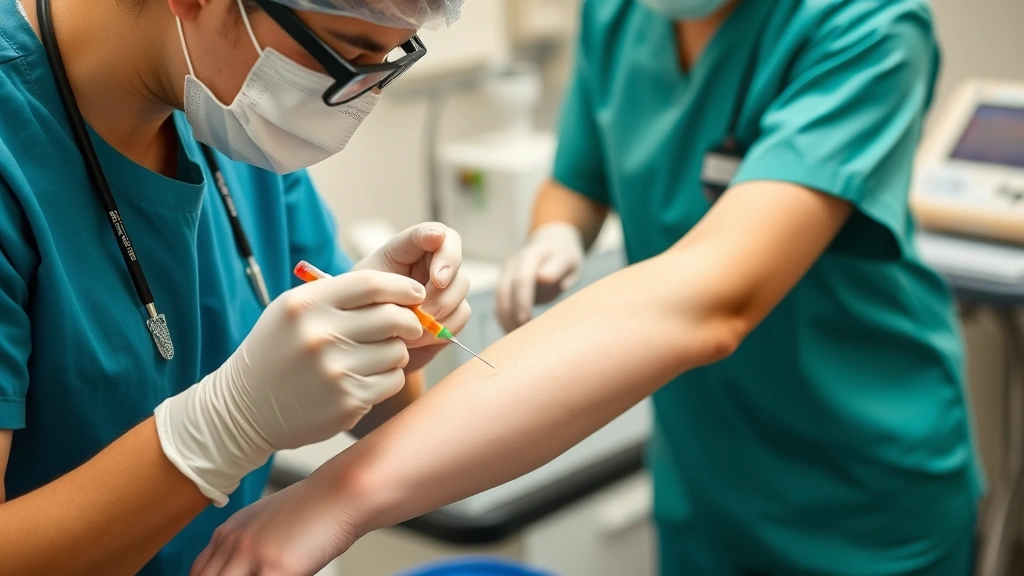
Once screening is complete and you’re cleared for donation, the actual apheresis collection begins. The process starts with needle insertion, which typically takes 2 to 5 minutes. Experienced phlebotomists will insert one needle into a vein in each arm, using local anesthetic if requested. The first needle is positioned for blood withdrawal, and the second is for reinfusion of processed blood components. Proper needle placement is crucial—it directly affects collection efficiency and comfort throughout the procedure.
The collection phase itself represents the bulk of your 90 to 120-minute timeline, typically lasting 60 to 90 minutes depending on individual factors. During this time, the apheresis machine continuously cycles through collection and return phases. Blood flows from your body into the machine, where it’s centrifuged to separate platelets from red blood cells, white blood cells, and plasma. The concentrated platelet fraction is collected into a sterile bag, while the remaining blood components are returned to your circulation.
Throughout collection, you’ll be monitored by trained apheresis technicians who watch vital signs and machine parameters constantly. You may experience mild sensations including coolness in your fingers or lips due to the anticoagulant (usually citrate) that prevents clotting during the process. Some donors report tingling or temporary numbness—these sensations are normal and reversible. The technician will address any discomfort immediately, potentially adjusting collection rates or providing oral calcium supplements if citrate reactions occur.
The machine’s collection protocol is programmed based on your weight, platelet count, and target collection goals. Donors weighing more typically have longer procedures because more blood volume must be processed to collect an adequate platelet dose. Your baseline platelet count also affects timing—donors with naturally higher platelet counts may complete collection in under 90 minutes, while those with lower counts might approach 120 minutes.
Factors That Affect Donation Duration
Several physiological and practical factors significantly influence how long your platelet donation takes. Body weight is perhaps the most straightforward factor—the Red Cross and other blood collection organizations require minimum weights (typically 110 pounds) specifically because larger donors have greater blood volume, allowing for more efficient collection.
Your baseline platelet count directly impacts collection time. Normal platelet counts range from 150,000 to 400,000 per microliter. Donors at the higher end of this range may complete collection in 75 to 90 minutes, while those with counts closer to 150,000 might require the full 120 minutes. This is why many facilities recommend donors eat iron-rich foods and stay well-hydrated in the days before donation—these factors can slightly elevate platelet counts and improve collection efficiency.
Vein quality and accessibility significantly affect both needle insertion time and overall collection efficiency. Donors with easily accessible, large-diameter veins may complete the procedure more quickly because blood flow rates can be optimized. Conversely, donors with smaller or deeper veins might experience slower collection rates, extending the overall timeline. This is why repeat donors often have shorter procedures—technicians become familiar with optimal needle placement for each individual.
Hydration status before donation is critical. Well-hydrated donors have better blood viscosity and vein distension, improving collection flow rates. Dehydration can slow collection and increase the risk of citrate reactions. The AABB recommends donors consume 16-24 ounces of water in the two hours before donation.
Machine calibration and facility protocols also affect timing. Some facilities use newer apheresis technology that allows faster collection rates, potentially reducing procedure time by 10-15 minutes compared to older equipment. Facility staffing levels and donor volume can also influence whether your appointment starts on schedule, though the actual collection duration remains fairly consistent once the procedure begins.
Recent donations and donation frequency impact your eligibility and timeline. Most facilities allow platelet donation twice weekly (with at least 48 hours between donations) or up to 24 times annually. Frequent donors may have slightly shorter procedures because regular donation maintains higher platelet counts, though they must adhere to strict iron supplementation protocols to maintain hemoglobin levels.
Post-Donation Care and Recovery Time
After needle removal—which takes just 1 to 2 minutes—you’ll move to the recovery area where you’ll spend 10 to 15 minutes before being released. During this period, staff monitor vital signs to ensure you’re stable and symptom-free. You’ll be provided with refreshments (juice, cookies, and water are standard) to help restore blood volume and stabilize blood sugar. This recovery phase is essential; rushing away immediately after donation increases risks of dizziness or syncope.
Unlike whole blood donors who can typically resume normal activities immediately, platelet donors should take it easy for the remainder of the day. Avoid strenuous exercise, heavy lifting, or hot showers for at least 24 hours. The anticoagulant used during collection requires several hours to fully metabolize, and your body needs time to reabsorb the fluid returned during reinfusion.
Most donors feel completely normal within a few hours, though some experience mild fatigue or low-grade headache for 24 to 48 hours post-donation. These effects are typically mild and manageable with rest and hydration. Serious complications are rare; the most common issue is mild bruising at needle insertion sites, which resolves within 7 to 10 days. Severe complications like citrate toxicity or nerve injury occur in less than 1% of procedures.
Your body replenishes platelets relatively quickly—within 3 to 5 days, your platelet count typically returns to normal. This rapid recovery is why platelet donors can donate so frequently compared to whole blood donors (who must wait 8 weeks between donations). However, this frequent donation schedule requires excellent nutrition and iron supplementation to maintain healthy hemoglobin levels.
Optimizing Your Donation Experience
To minimize your total time commitment and ensure the smoothest possible donation experience, follow these evidence-based recommendations. Schedule your appointment during less busy times if possible—early morning slots often move faster because staff aren’t managing multiple simultaneous procedures. Contact your local blood collection facility to ask about their typical wait times and peak hours.
Preparation in the days before your donation significantly impacts collection efficiency. Eat iron-rich foods including red meat, poultry, fish, beans, and fortified cereals for at least three days before donation. Iron supports hemoglobin production, which directly affects your eligibility and collection speed. Drink at least 8-10 glasses of water daily for three days before donation—this hydration investment can reduce your procedure time by 10-15 minutes.
Get adequate sleep the night before donation—aim for 7-9 hours. Well-rested donors have better cardiovascular stability and may experience fewer citrate-related side effects. Avoid alcohol for 24 hours before donation, as it contributes to dehydration. Eat a substantial meal 2-3 hours before your appointment; low blood sugar can cause dizziness during the procedure.
On donation day, wear loose, comfortable clothing with sleeves that roll up easily above your elbows. Avoid tight sleeves or restrictive clothing that could impede blood flow or make you uncomfortable during the 90-120 minute procedure. Bring a form of identification and your insurance card. Many facilities allow you to bring entertainment—reading materials, audiobooks, or headphones for music—to make the time pass more enjoyably during collection.
Communicate openly with your apheresis technician about any concerns or discomfort. If you’re nervous about needles or have had difficult IV experiences in the past, mention this during screening. Technicians can often use smaller gauge needles or apply numbing cream to improve your comfort. This communication is similar to how planning woodworking projects requires clear discussion of your skill level and comfort with different techniques before beginning.
Consider becoming a regular donor. Repeat donors often have faster procedures because their bodies adapt to the process and technicians optimize needle placement based on previous successful donations. Many facilities offer incentive programs for regular donors, including gift cards, t-shirts, or direct financial compensation ($50-$100 per donation is common).
After donation, prioritize recovery by staying hydrated and consuming iron-rich foods for the next 48 hours. This accelerates platelet replenishment and prepares your body for the next donation if you choose to donate frequently. Keep the needle insertion sites clean and dry for 24 hours to prevent infection.
Frequently Asked Questions
What’s the difference between platelet donation and whole blood donation timing?
Whole blood donation typically takes 10-15 minutes of actual collection time, with total visit duration of 30-45 minutes including screening and recovery. Platelet apheresis takes 90-120 minutes for collection alone, with total visit time of 2-2.5 hours. The longer timeframe allows collection of a much larger therapeutic dose of platelets—equivalent to 5-6 whole blood donations.
Can I speed up my platelet donation?
While you cannot rush the apheresis machine itself, you can optimize factors within your control. Excellent hydration, iron-rich nutrition, adequate sleep, and maintaining a healthy weight all support faster collection rates. Repeat donors often have faster procedures as technicians become familiar with optimal needle placement. However, safety protocols cannot be accelerated.
What happens if the machine malfunctions during collection?
Modern apheresis equipment includes multiple safety redundancies and automatic shutoffs. If any malfunction occurs, the machine immediately stops collection and reverses blood flow to return any collected material to your body. Medical staff are trained to respond to equipment issues, and you would be monitored until completely stable. Serious malfunctions are extremely rare with contemporary equipment.
Is the anticoagulant used during platelet donation safe?
Yes—sodium citrate or other anticoagulants used in apheresis are FDA-approved and have excellent safety records. Citrate temporarily binds calcium in your blood to prevent clotting during the procedure. Your body rapidly metabolizes citrate (within hours), and calcium levels normalize completely. Mild citrate reactions (tingling in lips or fingers) are common and reversible; severe reactions are extremely rare.
How often can I donate platelets?
Most facilities allow platelet donation twice weekly with at least 48 hours between donations, or up to 24 times annually. Some donors donate twice weekly for extended periods, though this requires rigorous iron supplementation and regular hemoglobin monitoring. Consult with your donation facility about the safest frequency for your individual circumstances.
Will I feel weak or fatigued after platelet donation?
Most donors feel completely normal within a few hours. Some experience mild fatigue or headache for 24-48 hours, which is manageable with rest and hydration. Serious fatigue suggests inadequate iron stores or dehydration—inform your donation facility if you experience persistent symptoms, as you may need supplementation adjustments.
What should I eat before platelet donation?
Eat a substantial meal 2-3 hours before your appointment, emphasizing iron-rich foods like red meat, poultry, fish, beans, or fortified cereals. Include carbohydrates and protein to stabilize blood sugar. Avoid high-fat foods that slow digestion. Adequate nutrition ensures stable blood pressure during the procedure and reduces dizziness risk.
Can I donate platelets if I take medications?
Most common medications don’t disqualify you from platelet donation. However, some medications (particularly aspirin and certain antibiotics) affect platelet function and may temporarily defer you from donation. Always inform your donation facility about all medications, supplements, and recent vaccinations during screening.