Smoke Chicken Wings: Chef-Recommended Time and Complete Guide
Smoking chicken wings is an art form that combines precise temperature control, timing, and technique to achieve that perfect balance of crispy exterior and tender, juicy meat infused with smoky flavor. Whether you’re a backyard barbecue enthusiast or someone learning how long it takes to smoke a chicken, understanding the specific requirements for wings will elevate your outdoor cooking game significantly. The question of how long it takes to smoke chicken wings doesn’t have a one-size-fits-all answer, as multiple variables influence the final cooking time.
Professional pitmasters and chefs agree that chicken wings typically require 1.5 to 2.5 hours of smoking time at optimal temperatures, though this can vary based on wing size, smoker type, and desired crispness level. This comprehensive guide walks you through everything you need to know to achieve restaurant-quality smoked chicken wings in your own backyard, from preparation through serving.
Optimal Smoking Temperature for Chicken Wings
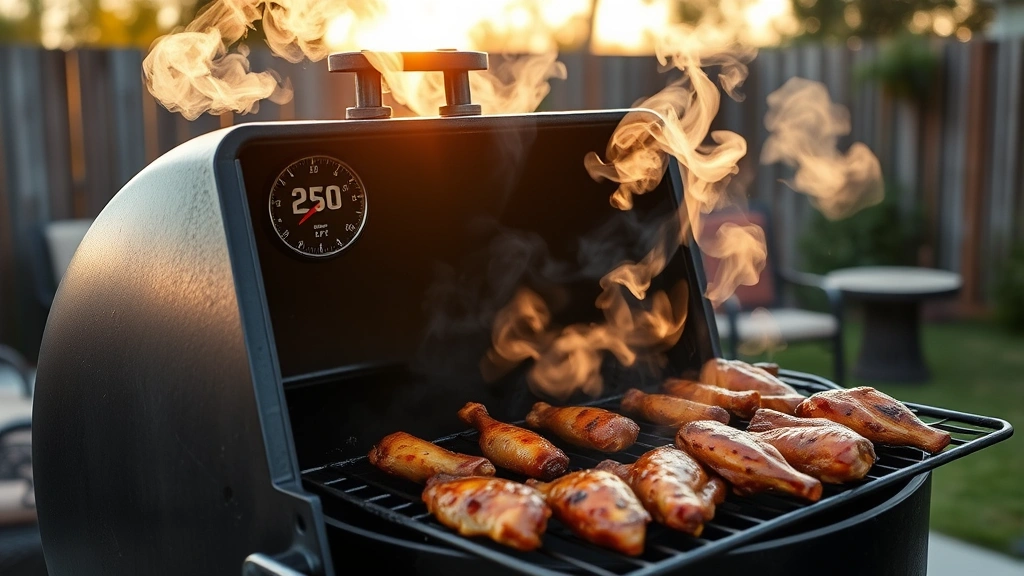
The foundation of successful smoked chicken wings begins with maintaining the correct smoking temperature throughout the entire cooking process. Most professional chefs recommend smoking chicken wings at a temperature range between 225°F and 275°F, with 250°F being the sweet spot for most applications. This temperature range allows the meat to cook through while developing that desirable smoke ring and exterior texture without drying out the delicate wing meat.
At 225°F, your smoking time will extend toward the higher end of the range, typically 2 to 2.5 hours, while 275°F will reduce cooking time to approximately 1.5 to 2 hours. The lower temperature produces more pronounced smoke flavor but requires more patience, whereas the higher temperature speeds up the process while still allowing adequate smoke penetration. Temperature consistency is absolutely critical—fluctuations of more than 10-15 degrees can significantly impact both cooking time and final results.
Many beginners struggle with temperature maintenance, which is why investing in a reliable quality smoker setup with good insulation and airflow control makes a substantial difference. Digital thermometers with probes allow you to monitor both smoker temperature and internal meat temperature without repeatedly opening the smoker door, which causes temperature drops and extends cooking time unpredictably.
Preparation and Seasoning Techniques
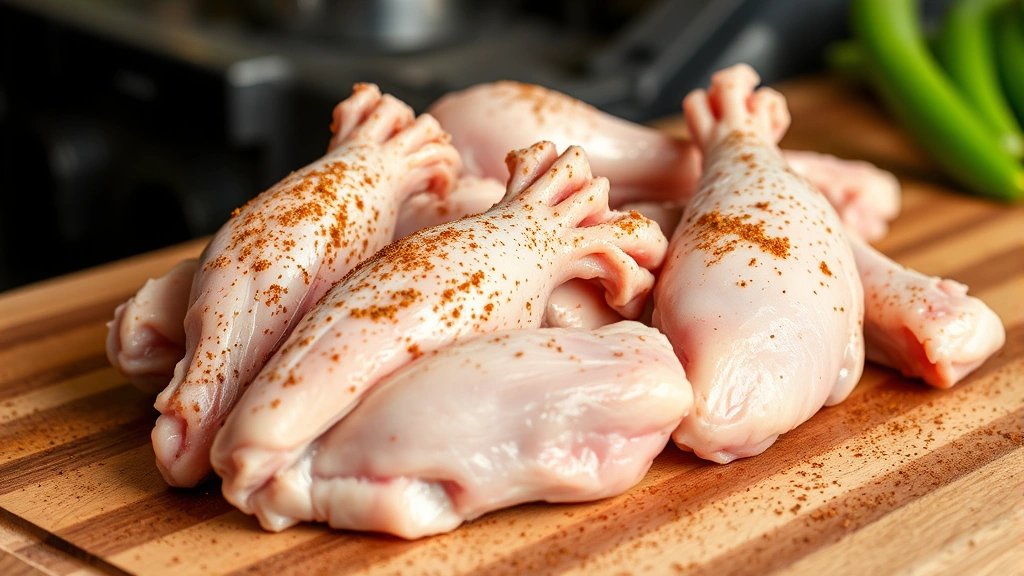
Proper preparation before smoking significantly impacts both the cooking timeline and final flavor profile of your chicken wings. Begin by patting your wings completely dry with paper towels—moisture on the surface prevents proper browning and smoke adhesion. This simple step takes just a few minutes but dramatically improves results.
Next, remove the wing tips if desired, as they contain minimal meat and burn easily during smoking. Separating the drumette from the flat creates more uniform pieces that cook more evenly. Many professional chefs recommend this separation because it reduces the variance in cooking time across different wing sections.
For seasoning, apply a dry rub 30 minutes to 2 hours before smoking, allowing flavors to penetrate the meat surface. A basic winning combination includes:
- Brown sugar (2 tablespoons)—caramelizes during smoking
- Paprika (1 tablespoon)—adds color and subtle sweetness
- Garlic powder (1 tablespoon)—enhances savory depth
- Onion powder (1 tablespoon)—rounds out flavor profile
- Salt (1 tablespoon)—essential for flavor development
- Black pepper (1 teaspoon)—adds bite and complexity
- Cayenne pepper (0.5 teaspoon)—optional heat element
Some chefs prefer brining their wings for 4-8 hours before smoking to enhance moisture retention, particularly if smoking at higher temperatures. A basic brine consists of salt, sugar, and water in a 1:1:8 ratio, which helps the meat retain juices during the smoking process. If you brine, skip the salt in your dry rub to avoid over-salting.
Smoking Time Guidelines by Wing Type
Understanding how wing size and type affects smoking duration is essential for consistent results. Most commercial chicken wings fall into a few standard categories, each requiring slightly different cooking times.
Whole Wings (Tips Attached): These larger pieces typically require 2 to 2.5 hours at 250°F. The additional mass, particularly at the joint, needs extra time for heat penetration to the bone.
Wing Drumettes: Separated drumettes (the small drumstick-like section) cook faster, requiring approximately 1.5 to 2 hours at 250°F. Their smaller diameter and uniform shape allow more consistent cooking.
Wing Flats: The flat section with two parallel bones cooks quickest, typically 1.25 to 1.75 hours at 250°F. Their thin profile makes them ideal for faster smoking sessions.
Jumbo Wings: Extra-large wings from heritage or specialty breeds may require 2.5 to 3 hours to reach proper internal temperature. These are common in premium restaurants and specialty butcher shops.
Temperature adjustments modify these timelines proportionally. At 225°F, add approximately 15-20% to the cooking time. At 275°F, subtract 15-20% from the baseline estimate. The key is monitoring internal temperature rather than relying solely on time, as individual smoker characteristics, outdoor temperature, and humidity all influence actual cooking duration.
Choosing the Right Smoker Equipment
Your smoker type significantly affects both cooking time and ease of temperature maintenance. Understanding the strengths and weaknesses of different smoker styles helps you set realistic expectations and achieve consistent results.
Offset Barrel Smokers: These traditional designs with a separate firebox offer excellent temperature control and authentic smoke flavor. They typically maintain consistent temperatures well, resulting in predictable cooking times. However, they require more active management and skill to operate effectively.
Vertical Drum Smokers: Compact and efficient, these smokers heat quickly and maintain temperature well in various weather conditions. They’re excellent for beginners and produce reliable results with 1.5 to 2-hour cooking times for wings.
Pellet Smokers: These automated smokers maintain precise temperature control, making them ideal for consistent results. Cooking times are predictable and often slightly faster due to consistent heat and airflow.
Electric Smokers: User-friendly and temperature-stable, electric smokers are perfect for beginners. They produce lighter smoke and slightly faster cooking times, typically 1.5 to 2 hours for wings.
Gas Smokers: Fast-heating and temperature-responsive, gas smokers reduce cooking times slightly and offer excellent control. They’re ideal for busy cooks who want quick results without sacrificing quality.
Regardless of smoker type, proper grate maintenance and positioning affects heat distribution. Placing wings directly over heat creates hot spots, while positioning them offset from the heat source ensures more even cooking. Many experienced pitmasters use a two-zone setup: direct heat for initial cooking and indirect heat for finishing.
Wood Selection and Smoke Flavor Profiles
The wood you choose for smoking dramatically influences flavor and, to a lesser extent, cooking time. Different woods burn at different rates and produce distinct flavor characteristics that either complement or overwhelm delicate chicken wing meat.
Fruit Woods (Apple, Cherry, Pecan): These mild, slightly sweet woods are ideal for chicken wings. They produce light blue smoke and don’t overpower the meat. Cooking times remain consistent regardless of wood choice when using the same temperature.
Hickory: A strong, bacon-like flavor that works well with wings, particularly when mixed with milder woods. It burns hot and fast, potentially affecting smoker temperature stability slightly.
Oak: A medium-strength wood that produces clean smoke. It’s versatile and works well for wings, especially when combined with fruit woods for balanced flavor.
Mesquite: Very intense and best used sparingly. Pure mesquite can overwhelm chicken wings, but mixing small amounts with milder woods creates interesting complexity.
Professional chefs often recommend starting with apple or cherry wood for chicken wings, using approximately 2-4 chunks or 1-2 cups of chips per smoking session. Soaking wood chips before use is debated among experts; some swear it produces better smoke, while others argue it merely delays smoking initiation. Most modern pitmasters skip soaking, preferring to add fresh wood chunks throughout the cooking process for consistent smoke production.
Monitoring Doneness and Internal Temperature
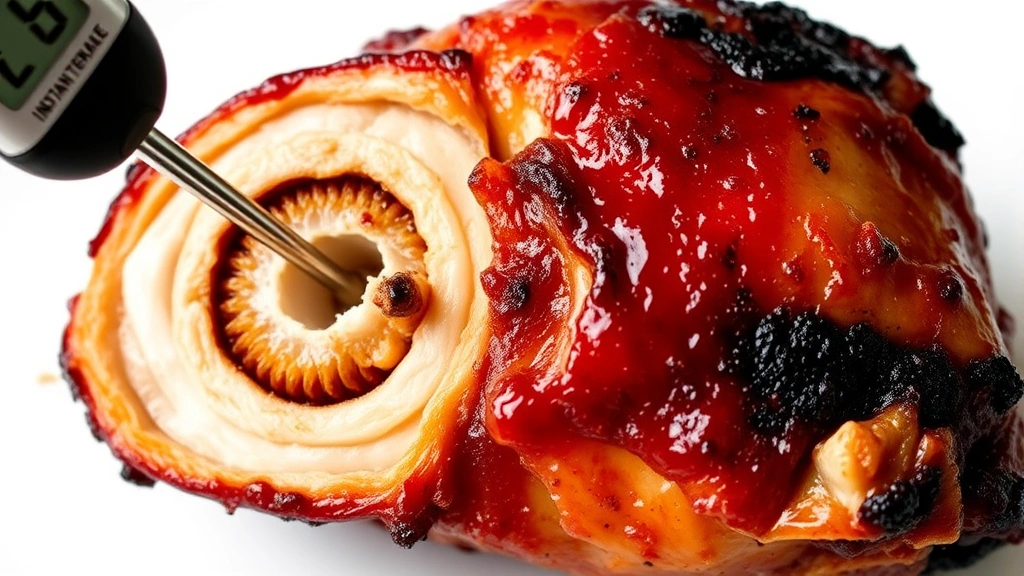
The most reliable method for determining when smoked chicken wings are done involves checking internal temperature rather than relying on visual cues alone. The safe internal temperature for chicken is 165°F, as established by USDA food safety guidelines. Using an instant-read meat thermometer, insert the probe into the thickest part of the wing without touching bone.
For perfectly smoked wings with tender meat and proper texture, aim for 165-170°F. Wings at exactly 165°F are technically safe but may feel slightly less tender than those reaching 168-170°F. The additional few degrees allow collagen to fully convert to gelatin, creating that melt-in-your-mouth texture professional chefs strive for.
Beyond temperature, visual and tactile cues indicate doneness. Properly smoked wings should have a deep mahogany to reddish exterior with a distinct smoke ring visible when you cut into the meat. The meat should pull easily from the bone with minimal resistance, and skin should be crispy rather than rubbery or soggy.
Avoid the common mistake of checking temperature repeatedly, as opening the smoker door drops internal temperature and extends overall cooking time by 5-10 minutes per opening. Limit temperature checks to every 20-30 minutes during the final hour of cooking.
Pro Tips from Experienced Chefs
Professional pitmasters and competition barbecue chefs have developed numerous techniques that improve results and reduce cooking time variability. These expert insights can elevate your home smoking game significantly.
The Spritz Technique: Every 30 minutes during smoking, spray wings with a mixture of apple juice, cider vinegar, and butter (1:1:0.5 ratio). This adds moisture, promotes better color development, and keeps the meat tender. It also extends cooking time slightly, typically adding 10-15 minutes total, but results justify the additional time.
The Three-Zone Method: Position wings on cool zones initially, then move to medium-heat zones, finishing on hot zones for crisping. This staged approach prevents burning while ensuring proper internal cooking. It requires more active management but produces consistently excellent results.
Starting Temperature Matters: Allow wings to reach room temperature (about 30-45 minutes out of refrigeration) before smoking. Cold meat cooks unevenly and requires 15-20% longer than room-temperature meat. This simple step reduces overall cooking time while improving consistency.
Bark Development: The exterior bark—that flavorful, crusty layer—develops better when wings remain undisturbed for the first hour. Resist the urge to flip or adjust wings during this critical period. Once bark sets, you can move or flip wings as needed without compromising texture.
The Finishing Glaze: In the final 15-20 minutes, brush wings with your choice of glaze—whether it’s a honey-bourbon reduction, spicy buffalo sauce, or teriyaki mixture. This adds visual appeal and flavor complexity without extending cooking time. The high final temperature helps glaze set and caramelize quickly.
Resting Period: Allow smoked wings to rest for 5 minutes after removal from the smoker. This permits internal juices to redistribute, resulting in more tender meat. Skip this step if serving immediately in a competitive setting, but for home cooking, it noticeably improves texture.
For those interested in building a dedicated outdoor cooking space, incorporating proper ventilation and smoker placement in your backyard design enhances both safety and functionality. Many DIY enthusiasts combine smoking with other outdoor cooking methods, creating comprehensive entertaining areas.
Frequently Asked Questions
How Long Does It Take to Smoke Chicken Wings at 225°F?
At 225°F, chicken wings typically require 2 to 2.5 hours to reach safe internal temperature. This lower temperature produces deeper smoke flavor and more pronounced smoke ring formation, making it popular among purists who prioritize flavor over speed. The extended cooking time allows more complete smoke penetration into the meat.
Can I Smoke Chicken Wings in Under 2 Hours?
Yes, by increasing smoker temperature to 275-300°F, you can smoke wings in 1.5 to 1.75 hours. However, faster cooking may result in less pronounced smoke flavor. The trade-off between speed and smoke intensity is a personal preference. Many commercial establishments use this faster method for efficiency without significantly compromising quality.
What’s the Difference Between Smoked and Grilled Wings?
Smoked wings cook using indirect heat and smoke, typically at 225-275°F for 1.5-2.5 hours, producing tender meat with deep smoke flavor. Grilled wings use direct heat at higher temperatures (350-450°F), cooking in 15-20 minutes with less smoke flavor but crispier exterior. Smoking penetrates flavor throughout the meat, while grilling primarily affects the exterior. For a comprehensive guide to outdoor cooking methods, explore designing multipurpose outdoor entertaining areas.
Should I Flip Chicken Wings While Smoking?
Flipping is optional and doesn’t significantly affect cooking time. Flipping halfway through cooking promotes even browning and more uniform texture. However, skilled smokers often achieve excellent results without flipping by maintaining consistent temperature and proper wing placement. Experiment to find your preference.
Why Are My Smoked Wings Taking Longer Than Expected?
Several factors extend cooking time: smoker temperature fluctuations, outdoor temperature below 50°F, wet wings, oversized wings, or frequent door openings. Each door opening adds 5-10 minutes to total time. Ensure proper smoker maintenance, verify thermometer accuracy, and minimize temperature disruptions for consistent results.
Can I Prepare Wings the Night Before Smoking?
Yes, dry-rubbed wings can be refrigerated overnight, which actually enhances flavor development. Remove from refrigeration 45 minutes before smoking to allow temperature equalization. Brined wings can also be prepared a day ahead and refrigerated in brine solution. Pat completely dry before smoking for best bark development.
What Internal Temperature Indicates Perfect Doneness?
According to CDC food safety standards, 165°F is the minimum safe temperature for poultry. Professional chefs often target 168-170°F for enhanced tenderness and texture, as this range fully converts collagen to gelatin. Any temperature above 165°F is safe; the difference is purely textural preference.
Do Wing Size Variations Significantly Affect Cooking Time?
Yes, wing size dramatically affects cooking time. Extra-small wings (jumbo drumettes) may cook in as little as 1 hour, while large whole wings can require 2.5+ hours. Uniformity matters more than absolute size—wings of similar dimensions cook evenly. Separating drumettes from flats ensures more uniform cooking times across different wing parts.


