Build a Deck? Expert Timelines & Tips for Your Next Project
Building a deck is one of the most rewarding DIY projects you can undertake, transforming your outdoor space into a functional entertainment area. However, understanding the realistic timeline for deck construction is crucial for planning, budgeting, and managing expectations. Whether you’re a seasoned builder or tackling your first major project, knowing how long each phase takes helps you work efficiently and safely.
The time required to build a deck varies significantly based on size, complexity, materials, weather conditions, and your experience level. A small 8×10 foot deck might take 2-3 weekends, while a larger 16×20 foot deck with built-in seating and custom features could stretch across 4-6 weeks. This comprehensive guide breaks down every phase of deck construction, providing realistic timelines and expert strategies to keep your project on track.
Planning & Preparation Phase: 1-2 Weeks
Before breaking ground on your deck project, invest time in thorough planning. This phase includes measuring your space, sketching designs, selecting materials, and gathering tools. Most builders allocate 1-2 weeks for this critical preparation work, though it can be condensed if you’re working with existing plans.
Start by measuring your deck area precisely, accounting for slope and drainage considerations. Create detailed sketches or use design software to visualize the final product. Research local International Building Code requirements and material specifications. Visit suppliers to compare wood types, composite materials, and hardware options. Make a comprehensive materials list and verify availability before you begin construction.
During this phase, assess your yard’s existing conditions: soil type, drainage patterns, sun exposure, and proximity to utilities. Mark any underground lines—contact Call 811 before digging to locate buried utilities safely. This preparation prevents costly mistakes and dangerous accidents once construction begins.
Permits & Building Codes: 1-4 Weeks
Obtaining proper permits might seem tedious, but it’s essential for legal compliance, safety, and resale value. Most jurisdictions require deck permits for decks elevated more than 30 inches or covering specific square footage. Timeline varies based on local processing times—expect 1-4 weeks depending on your municipality’s workload.
Contact your local building department to understand specific requirements. You’ll typically need to submit detailed plans, material specifications, and site diagrams. Some jurisdictions require professional engineer stamps for larger decks. Building inspectors will verify compliance with local building codes regarding post spacing, railing height, load capacity, and fastener specifications.
Common code requirements include: post footings below frost line depth (typically 36-48 inches in northern climates), proper spacing between deck boards (1/8 inch for wood, less for composite), and railings with 4-inch sphere rule compliance. Understanding these requirements before construction prevents costly corrections and failed inspections.
Foundation & Post Installation: 2-4 Days
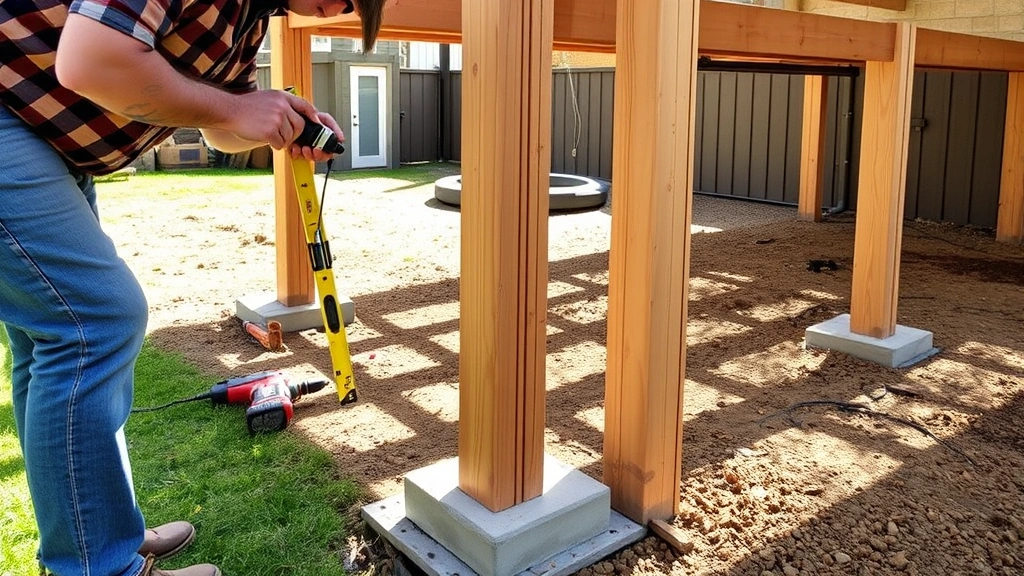
A solid foundation determines your deck’s longevity and safety. Post installation typically takes 2-4 days, depending on deck size and soil conditions. This phase includes digging post holes, setting footings, and installing support posts.
Excavate post holes to your local frost line depth—critical for preventing frost heave that can destabilize your entire structure. Use a power auger for efficiency, especially on larger decks with 8-12 posts. Install concrete footings below grade level, then set posts on adjustable post bases that allow for drainage and prevent wood rot. Ensure all posts are perfectly plumb using a level, as even slight misalignment compounds through the structure.
Allow concrete to cure fully (typically 24-48 hours) before proceeding. This patience prevents structural failure when adding load. Proper foundation work is non-negotiable—rushing this phase creates problems that become exponentially more expensive to fix later.
Framing & Structural Assembly: 3-5 Days
Once posts are set, framing the deck’s structural skeleton typically takes 3-5 days. This phase includes installing ledger boards, beams, joists, and rim joists. Accuracy here directly impacts the final deck’s appearance and function.
Attach the ledger board to your house using lag bolts spaced 16 inches apart, ensuring it’s properly flashed to prevent water intrusion. Install rim joists and beams, checking constantly for square using the 3-4-5 triangle method. Space floor joists according to code—typically 12, 16, or 24 inches on center depending on joist size and span. Use galvanized or stainless steel fasteners to prevent rust staining and corrosion.
This structural phase requires precision and attention to detail. Crooked joists create uneven decking surfaces that look unprofessional and create tripping hazards. Take time to verify measurements and alignment; the extra hours invested now prevent frustrating corrections later.
If you’re working on a DIY basement finishing project in conjunction with deck work, coordinate scheduling to minimize disruptions to your home’s structure and utilities.
Decking Installation: 3-7 Days
Installing deck boards is where your project visually comes together. This phase typically requires 3-7 days depending on deck size and material choice. Proper installation ensures safety, longevity, and aesthetic appeal.
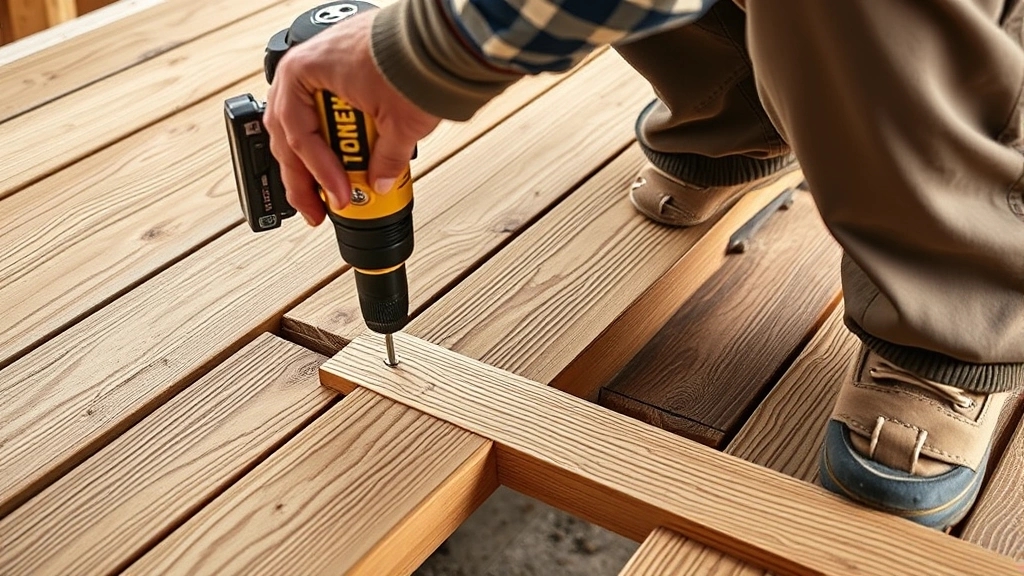
Space boards consistently—use spacers to maintain uniform gaps that allow for water drainage and wood expansion. Start from the ledger board and work toward the front, ensuring each board is straight and properly fastened. Use deck screws (not nails) spaced 8-12 inches apart, driving two fasteners per joist. For composite materials, follow manufacturer specifications exactly, as installation requirements vary significantly.
Consider staggering board joints across multiple joists rather than aligning them, which distributes weight more evenly and looks more professional. If you’re building a large deck, break the work into sections to maintain focus and prevent fatigue-related mistakes.
The decking phase is physically demanding and repetitive. Work in cooler parts of the day to maintain energy and focus. Proper ergonomics—bending at the knees, using power tools efficiently—prevents injuries that could derail your entire project timeline.
Railings & Stairs: 2-4 Days
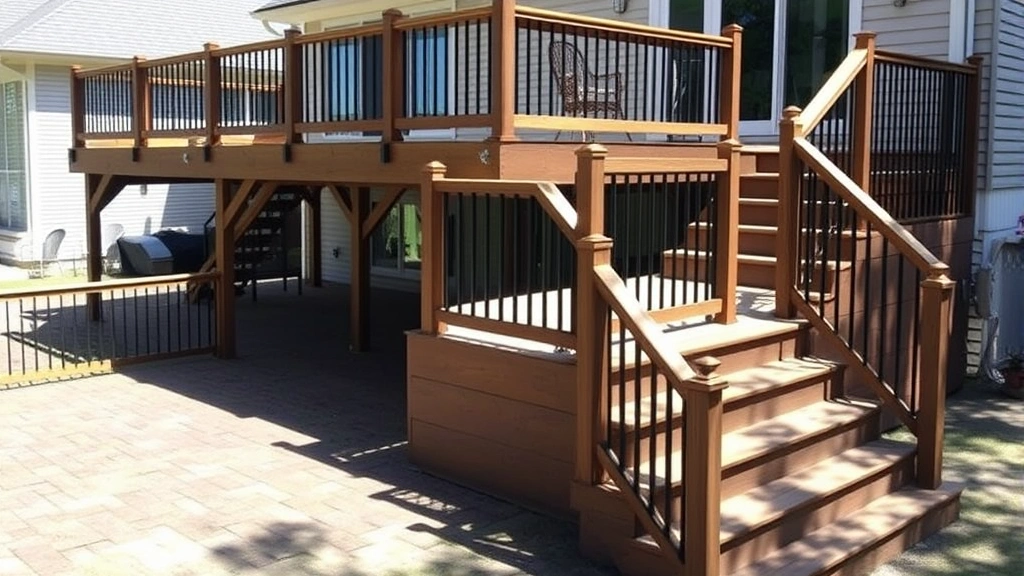
Safety railings and stairs add complexity but are absolutely essential. Installing railings and stairs typically takes 2-4 days. These elements must meet specific code requirements regarding height, spacing, and load capacity.
Railings must be 36-42 inches high and prevent passage of a 4-inch sphere between vertical components. Install balusters (vertical supports) according to code, typically spaced no more than 4 inches apart. Use galvanized fasteners and ensure all connections are solid and stable.
Stairs require precise calculations for rise and run dimensions. Each step’s rise (vertical distance) should be identical to prevent tripping. Tread depth (horizontal distance) should be consistent and comfortable—typically 10-11 inches. Install stringers (support beams) securely, attach treads with corrosion-resistant fasteners, and add handrails on stairs with four or more steps.
Stair installation demands accuracy and attention to safety. Double-check all measurements before cutting stringers. Test stairs thoroughly during installation to catch any issues before final fastening.
Finishing & Sealing: 1-3 Days (Plus Curing Time)
The final phase involves sanding, staining, sealing, or painting your deck. This typically requires 1-3 days of active work, plus significant curing time. Proper finishing protects your investment and enhances appearance.
Sand the entire deck surface to smooth rough spots and splinters. Fill any gaps or cracks with appropriate filler. Apply a quality deck stain or sealer according to product instructions—weather conditions significantly impact application. Most products require 24-48 hours curing time before the deck is fully usable.
For composite materials, finishing requirements are minimal—usually just a thorough cleaning. For wood decks, plan to reseal every 2-3 years to maintain protection. Building a maintenance schedule similar to the time investment needed for long walks ensures your deck remains beautiful and functional for decades.
Weather plays a crucial role in finishing success. Avoid application in rain or extreme heat. Plan this phase for mild weather conditions when possible. Rushing the finishing phase results in poor appearance and compromised protection.
Complete Deck Building Timeline: Real-World Examples
Small Deck (8×10 feet): 2-3 weekends total
- Planning & permits: 1 week (can overlap with other work)
- Foundation: 1 day + 2 days curing
- Framing: 1 day
- Decking: 1 day
- Finishing: 1 day + curing time
Medium Deck (12×16 feet): 3-4 weeks total
- Planning & permits: 2 weeks
- Foundation: 2 days + 2 days curing
- Framing: 2 days
- Decking: 2 days
- Railings: 1 day
- Finishing: 2 days + curing time
Large Deck (16×20 feet with stairs): 4-6 weeks total
- Planning & permits: 3 weeks
- Foundation: 3 days + 2 days curing
- Framing: 3 days
- Decking: 4 days
- Stairs & railings: 3 days
- Finishing: 3 days + curing time
These timelines assume favorable weather, proper preparation, and intermediate building skills. Beginners may add 25-50% to estimates. Weather delays, material shortages, or code modifications can extend timelines significantly.
FAQ
How long does it take to walk two miles compared to building a deck?
Walking two miles typically takes 30-45 minutes at an average pace of 3-4 mph. Interestingly, this is roughly the time needed for just the decking installation phase on a small deck! Building an entire deck requires 15-40 times longer than a two-mile walk, depending on complexity. If you’re looking to understand other walking timelines, our guide on how long it takes to walk the Brooklyn Bridge provides similar comparative insights.
Can I build a deck in one weekend?
Only very small decks (4×8 feet maximum) can realistically be completed in one weekend with experienced builders and pre-made materials. Most homeowners need 2-6 weeks. Rushing construction compromises safety and quality. Patience produces superior results.
What’s the most time-consuming phase?
Typically, planning and permits consume more calendar time than actual construction. The foundation phase, while short, cannot be rushed due to concrete curing requirements. Decking installation is the most physically demanding and time-intensive active work phase.
Does material choice affect timeline?
Yes, significantly. Composite materials install similarly to wood but require different spacing. Pressure-treated wood is readily available. Exotic hardwoods may require special ordering, extending the planning phase. Composite materials require less finishing time but cost more upfront.
How does weather impact deck building timeline?
Rain delays concrete curing and finishing work. Extreme heat affects fastener installation and material behavior. Freezing temperatures prevent concrete work entirely. Plan major phases during mild weather windows. Spring and fall typically offer optimal building conditions.
Should I hire professionals or DIY?
Experienced DIYers can successfully build small-to-medium decks, extending timelines 25-50% compared to professionals. Professionals complete work faster but cost more. Consider your skill level, available time, and complexity before deciding. Permits and inspections are required regardless.
What if I need to extend my deck timeline?
Build in buffer time for weather, material delays, and learning curves. Complete foundation work before winter. Spread decking installation across multiple weekends if needed. Finish work in optimal weather. Flexibility prevents frustration and quality issues.
How do I stay on schedule?
Create a detailed timeline with specific daily goals. Prepare materials in advance. Schedule inspections proactively. Check weather forecasts and plan accordingly. Maintain organized work areas. Commit to consistent daily work rather than sporadic weekend efforts. Document progress with photos to maintain motivation.
For additional home improvement context, explore our comprehensive guides on DIY home security systems and other outdoor projects that complement deck construction. Visit the DIY Nests Hub Blog for more building timelines and project guidance.
What building codes apply to all decks?
All jurisdictions require proper footings below frost line, structural support calculations, railing specifications, and fastener standards. American Wood Council guidelines provide comprehensive technical standards. Verify local requirements through your building department before beginning work.


