Become a DIY Master: Builder’s Tips & Timeline
Mastering DIY building skills is a rewarding journey that transforms how you approach home improvement projects. Whether you’re planning a simple deck renovation or tackling a full basement remodel, understanding the realistic timeline for skill development and the essential techniques will set you up for success. This comprehensive guide explores the progression from novice to confident builder, breaking down what it takes to develop genuine expertise in residential construction.
The path to becoming a skilled DIY builder isn’t about shortcuts—it’s about systematic learning, hands-on practice, and understanding the principles that govern safe, quality construction. Most homeowners can reach functional competency in basic building tasks within 6-12 months of consistent practice, but true mastery develops over several years as you expand your knowledge across different project types and building systems.
Skill Progression Timeline
The journey from beginner to DIY master follows a predictable progression that mirrors how professional builders develop expertise. Understanding this timeline helps you set realistic expectations and celebrate milestones along the way.
Months 1-3: Foundation Phase
During your first three months, focus on understanding basic concepts and completing simple projects. You’ll learn proper tool usage, develop fundamental measuring and cutting skills, and gain comfort working with common materials like wood and drywall. Start with projects like installing shelving, building simple frames, or repairing basic structural elements. This phase establishes your safety awareness and introduces you to reading plans and specifications.
Months 4-8: Intermediate Development
By month four, you’re ready for more complex projects that integrate multiple skills. Tackle tasks like framing interior walls, installing windows, or building deck substructures. You’ll begin understanding how building systems interact and why certain techniques matter for longevity and performance. Your confidence grows significantly as you see tangible results from increasingly sophisticated work.
Months 9-18: Specialized Competency
This phase involves developing depth in specific building disciplines. You might focus on mastering framing techniques, electrical rough-ins, plumbing basics, or concrete work. Your troubleshooting abilities improve dramatically—you can diagnose problems and implement solutions rather than simply following instructions. Many DIYers reach a functional mastery level during this period, capable of completing substantial renovation projects.
Years 2-3: Advanced Integration
True expertise emerges when you understand how different building systems work together. You can plan complex projects, anticipate problems, and execute solutions with minimal guidance. Your knowledge of building codes and standards becomes sophisticated enough to ensure compliance and safety. Most experienced DIY builders reach professional-level competency in their chosen specialties during this period.
Year 3+: Mastery & Specialization
Beyond three years of consistent practice, you’ve developed the judgment and intuition that separates masters from competent practitioners. You understand the “why” behind every technique, can adapt approaches to unique situations, and mentor others effectively. At this level, you’re capable of directing complex renovations and tackling specialized projects that require deep knowledge.
Foundational Knowledge Requirements
Before diving into projects, establish a solid foundation in the principles that underpin all quality construction work. This theoretical knowledge prevents expensive mistakes and accelerates your practical learning.
Understanding Building Fundamentals
Start by learning how buildings stay standing. Study load paths—the journey of weight from roof to foundation. Understand why certain walls are load-bearing and others are not. Learn about structural systems, including how joists, beams, and columns work together. This knowledge prevents catastrophic mistakes and helps you understand why your contractor recommends specific approaches.
Familiarize yourself with the International Building Code (IBC) basics applicable to residential construction. You don’t need to memorize the entire code, but understanding requirements for spacing, materials, connections, and clearances is essential. Local building departments often provide summaries of jurisdiction-specific requirements.
Material Science Essentials
Understanding material properties prevents failures and ensures longevity. Learn why wood expands and contracts, how moisture affects different materials, and why certain materials shouldn’t contact each other. Study the differences between structural and finish materials, and understand why pressure-treated wood requirements vary by application.
Measurement & Calculation Skills
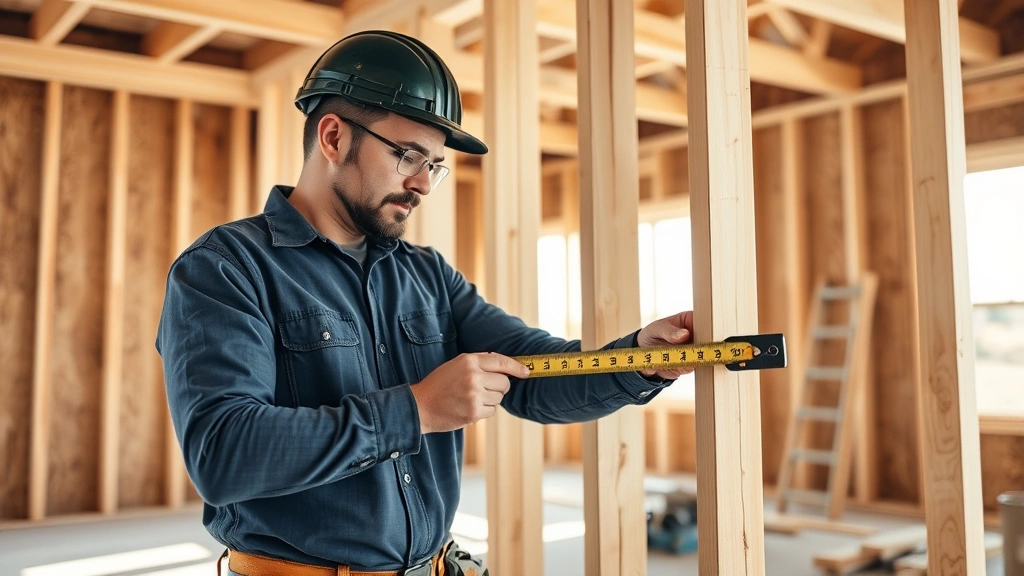
Precision in measurement is non-negotiable in construction. Master reading tape measures, understanding fractions, and performing basic calculations for material quantities. Learn how to use levels, squares, and straightedges correctly. Understanding geometry helps you lay out complex projects accurately and catch errors before they become expensive problems.
Essential Tools & Equipment Investment
Building competency requires the right tools. Rather than buying everything at once, invest strategically as your skills and projects expand.
Phase 1: Basic Hand Tools ($300-500)
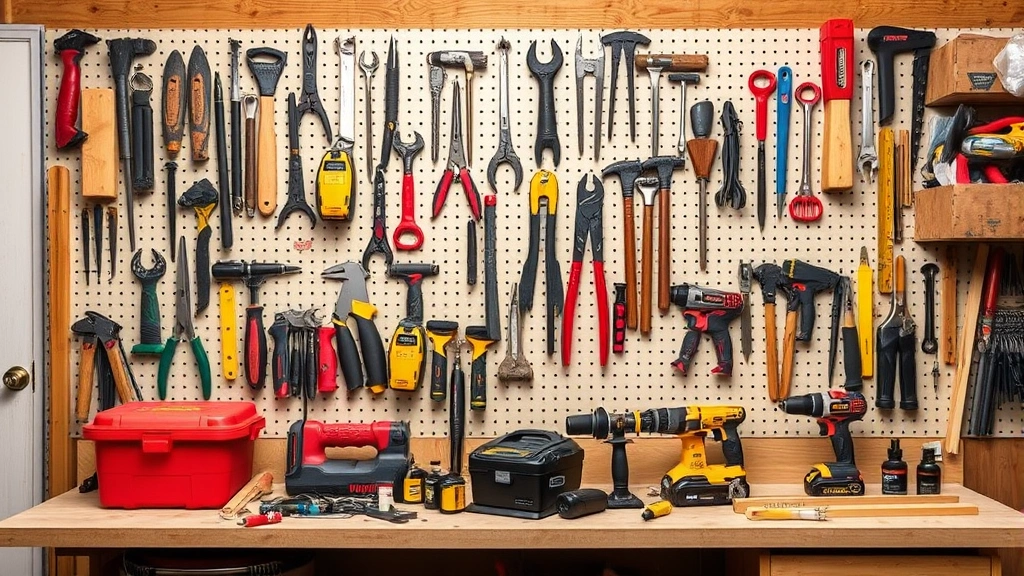
Start with essentials: quality hammer, screwdrivers (multiple types), adjustable wrench, adjustable wrench, measuring tape (25-foot), speed square, torpedo level (24-inch), utility knife, and basic socket set. These tools handle 70% of common tasks. Avoid the cheapest options—mid-range tools from established brands provide better durability and accuracy.
Phase 2: Power Tools ($800-1200)
As projects increase in complexity, add a drill-driver combo, circular saw, jigsaw, orbital sander, and reciprocating saw. A miter saw becomes essential when you start framing work. These tools dramatically increase your speed and precision while reducing physical strain.
Phase 3: Specialized Equipment ($1000+)
Depending on your focus areas, add specialized tools like a table saw for finish carpentry, nail gun for framing, or compound miter saw for trim work. For concrete work, consider renting rather than buying specialized equipment. A quality tool belt and safety equipment (harness, glasses, hearing protection) are essential investments.
Smart Acquisition Strategy
Rather than purchasing everything upfront, acquire tools as needed for specific projects. This approach keeps costs manageable and ensures you develop proper technique with each tool before adding complexity. Many tools can be rented for one-time projects, reducing your capital investment while you determine whether you’ll use them regularly.
Safety Protocols & Building Codes
Safety isn’t optional—it’s foundational to competent DIY building. Developing strong safety habits prevents injuries and ensures your work meets code requirements.
Personal Protective Equipment
Always wear appropriate PPE for your task. Safety glasses protect against flying debris and dust. Hearing protection is essential around power tools and loud work environments. Dust masks or respirators protect your lungs when working with materials that create dust or fumes. Steel-toed boots protect feet from dropped tools and materials. Work gloves protect hands, though they should be removed when operating power tools.
Understanding Building Codes
Building codes exist to ensure safety, structural integrity, and livability. They establish minimum standards for everything from stair dimensions to electrical spacing to ventilation requirements. Before starting projects, check your local jurisdiction’s building code requirements. Many building departments provide free consultations for homeowners planning DIY work.
Key code areas to understand include electrical (spacing, grounding, circuit protection), plumbing (slope, venting, materials), structural (load capacities, connections, spacing), and fire safety (egress, separation, materials). When in doubt, consult your building department or a professional—code violations can affect insurance claims and property sales.
Fall Protection & Working at Height
Falls are the leading cause of construction injuries. When working above six feet, use proper fall protection. Scaffolding, guardrails, and harnesses aren’t optional safety features—they’re essential when working at height. Ladders must be properly positioned and secured. Never work alone at heights.
Strategic Project Sequencing
The order in which you tackle projects significantly impacts your learning curve and success rate. Strategic sequencing builds skills progressively while maintaining safety and quality.
Start With Contained Projects
Begin with projects that don’t affect your home’s structural integrity or essential systems. Installing shelving, building storage solutions, or creating a workshop setup lets you develop fundamental skills in low-stakes environments. These projects teach measurement, fastening, and finishing techniques without threatening your home’s safety.
Progress to System-Level Work
Once basic skills are solid, move toward projects affecting specific building systems. Interior wall framing, window replacement, or cabinet installation integrate multiple skills while remaining within manageable scope. These projects teach you how systems connect and why proper technique matters for performance and longevity.
Understanding the Connection to Professional Skills
Your DIY mastery journey parallels how professionals develop expertise, though compressed into personal projects rather than full-time work. The same principles that guide professional builders—understanding codes, respecting material properties, prioritizing safety—should guide your learning. Consider how your basement finishing project teaches principles applicable to other renovation work.
Advance to Complex Integration
After 12-18 months of consistent work, tackle projects requiring multiple systems to work together. Kitchen remodels, bathroom renovations, or deck construction integrate framing, finishing, electrical, and plumbing considerations. These ambitious projects test your ability to coordinate complex work while maintaining quality and safety standards.
Learning Resources & Certifications
Structured learning accelerates skill development and ensures you’re building on solid foundations rather than reinforcing bad habits.
Formal Education Options
Many community colleges offer continuing education courses in specific building trades. A basic carpentry course teaches fundamental techniques and safety practices more efficiently than learning through trial and error. Courses in electrical basics, plumbing fundamentals, or concrete finishing provide structured knowledge that translates directly to projects.
Online Learning Platforms
Video-based learning lets you study at your own pace while seeing techniques demonstrated. Platforms like Fine Homebuilding’s online academy and manufacturer training videos provide detailed instruction in specific techniques. The key is finding reliable sources—look for instructors with documented professional experience and current knowledge of building codes.
Professional Certifications
While not required for DIY work, pursuing certifications in specific areas demonstrates commitment to mastery. The National Association of Home Builders offers educational resources and certifications. Some manufacturers offer certifications for working with their products, which provides both knowledge and credibility if you’re helping friends with projects.
Building Department Resources
Your local building department is an underutilized resource. They’re invested in ensuring safe construction and often provide free consultations. Ask questions about code requirements, proper techniques, and inspection points. Building inspectors can offer invaluable feedback on completed work, helping you understand what meets standards and what needs adjustment.
Common Mistakes & How to Avoid Them
Learning from others’ mistakes accelerates your development and prevents expensive failures.
Skipping the Planning Phase
The most common mistake is starting work before thoroughly planning. Measure multiple times, create detailed sketches, and identify potential problems before cutting materials. This planning phase typically represents 10-15% of project time but prevents 90% of costly mistakes. Rushing through planning leads to material waste and rework.
Ignoring Code Requirements
Building codes feel restrictive until you understand they exist because people died or were injured when standards weren’t followed. Electrical spacing requirements, stair dimensions, and ventilation rules aren’t arbitrary—they’re evidence-based safety standards. Never cut corners on code compliance, especially for structural, electrical, or plumbing work.
Underestimating Skill Requirements
Some tasks look simple in videos but require genuine skill to execute properly. Tiling, drywall finishing, and concrete finishing are deceptively difficult. Acknowledge when a task exceeds your current skill level and either invest in learning it properly or hire professionals. The cost of professional help on difficult tasks is often less than the cost of correcting DIY mistakes.
Poor Material Selection
Choosing materials based solely on cost leads to premature failure and frustration. Understand why certain materials are specified for specific applications. Pressure-treated wood for ground contact, proper fastener types for materials, and appropriate sealants for different exposures aren’t optional choices—they’re requirements for longevity.
Inadequate Safety Practices
Taking shortcuts on safety is never justified. Proper PPE, fall protection, and electrical safety aren’t restrictions—they’re the difference between going home healthy and spending months recovering from injuries. Develop strong safety habits early because they become automatic, keeping you safe throughout your DIY journey.
Working Without Permits or Inspections
Unpermitted work creates liability, affects insurance coverage, and can derail property sales. Permits exist to ensure work meets standards and to provide inspection checkpoints that catch problems. The small cost of permits and inspections is insurance against much larger problems. Unpermitted work discovered during inspection or sale can require expensive remediation or create legal complications.
FAQ
How long does it realistically take to become competent at basic DIY building tasks?
Most people reach functional competency in basic building tasks—framing simple walls, installing fixtures, basic finishing—within 6-12 months of consistent practice. However, “competency” means you can complete tasks safely and adequately, not that you’re efficient or can handle complex problems. True mastery in specific areas typically requires 2-3 years of focused practice.
Do I need professional certification to do DIY building work on my own home?
No—DIY work on your own home doesn’t require professional licensing or certification in most jurisdictions. However, you must comply with local building codes and obtain required permits. Some jurisdictions restrict certain work (like electrical or plumbing) to licensed professionals, so check your local requirements before starting projects.
What’s the most important skill to develop first?
Accurate measurement and layout are foundational. Everything else—cutting, fastening, finishing—depends on precise measurements and proper layout. Invest time in mastering measuring tools and understanding how to translate plans into actual dimensions. This single skill prevents more mistakes than any other.
Should I invest in expensive tools before I know if I’ll stick with DIY building?
No—start with basic hand tools and mid-range power tools. Rent specialized equipment for specific projects until you determine whether you’ll use them regularly. This approach keeps costs manageable while you discover your interests and develop your skills. As your expertise grows, you’ll know which specialized tools justify the investment.
How do I know when a project is beyond my skill level?
Several indicators suggest a project exceeds your current abilities: you can’t find clear instructions from reliable sources, the project affects structural integrity or essential systems, you’re uncertain about code requirements, or professionals you consult express concern about DIY execution. When in doubt, hire professionals. The cost is usually less than correcting mistakes.
How does learning DIY building skills connect to other home projects?
Many skills transfer across projects. Understanding framing principles helps with any project involving structure. Finishing techniques apply to different materials. Even specialized projects like home security installation benefit from solid fundamental skills in measuring, fastening, and problem-solving. Your building foundation supports learning in virtually any home improvement area.
What’s the relationship between DIY building and understanding how to manage other home systems?
Building competency teaches you how your home works as an integrated system. Understanding framing helps you grasp how electrical and plumbing systems integrate into walls. Knowing about moisture and ventilation helps you maintain healthy interior environments. This systems thinking makes you a better home manager overall, even in areas where you don’t do hands-on work.
How often should I practice to maintain and develop building skills?
Consistent practice matters more than frequency. Working on projects 4-8 hours per week develops skills faster than sporadic intensive work. However, skills degrade without use—if you take a 6-month break from building work, expect to need refresher time when you resume. Regular practice, even on small projects, maintains your skill level and builds toward mastery.
Are there building skills that are harder than others to develop?
Yes—finishing skills like drywall taping, tile finishing, and concrete finishing have steep learning curves. These skills require feel and judgment that develop through repetition rather than understanding principles. Structural skills like framing have more forgiving learning curves because mistakes are obvious and repairable. Start with forgiving projects and advance to more demanding finishing work as your confidence grows.


