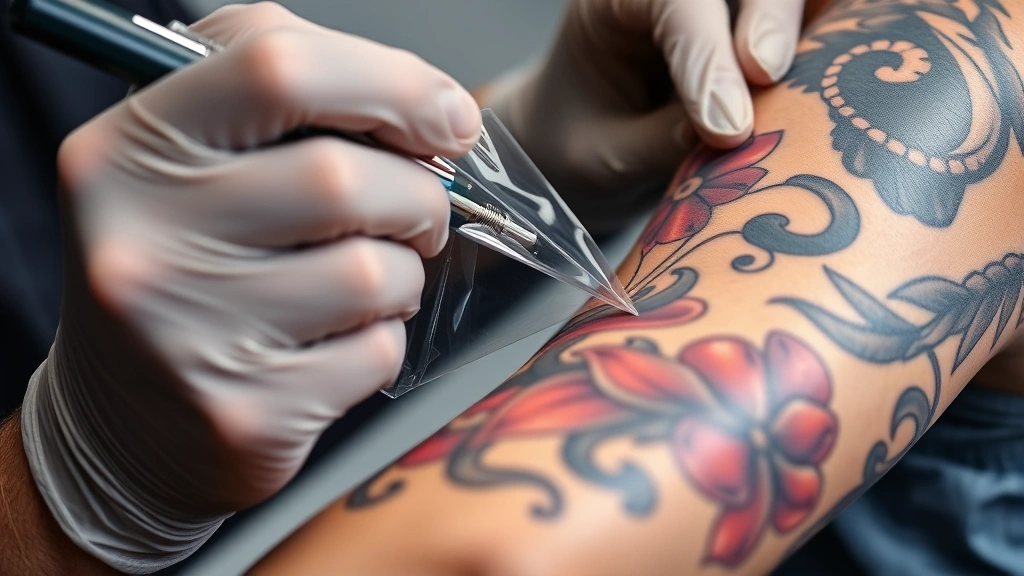
Saniderm on Tattoo: Artist-Recommended Duration and Aftercare Guide
Saniderm has revolutionized tattoo aftercare by providing a protective barrier that keeps your fresh ink clean and vibrant during the critical healing phase. Whether you’re getting your first tattoo or adding to your collection, understanding how long to keep Saniderm on your tattoo is essential for optimal results. This waterproof, breathable film has become the gold standard in professional tattoo studios, but many people wonder about the proper duration and removal process.
The recommended time to wear Saniderm typically ranges from 24 to 72 hours, though most professional tattoo artists suggest the sweet spot is around 24 hours for initial application. However, the exact duration depends on several factors including your skin type, tattoo size, location, and the specific instructions provided by your artist. Understanding these variables will help you achieve the best possible healing outcome for your new tattoo.
Recommended Duration for Saniderm
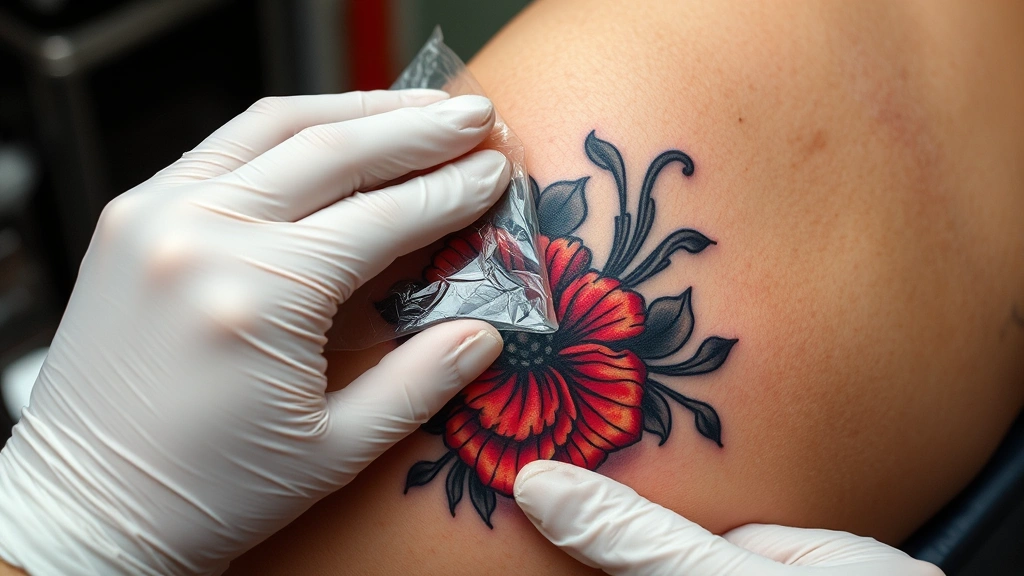
Most professional tattoo artists recommend keeping Saniderm on your tattoo for 24 hours as the standard duration. This initial 24-hour period allows the protective film to shield your fresh ink from bacteria, dirt, and friction while your skin begins its natural healing process. During this time, the Saniderm will collect plasma and lymph fluid, which is completely normal and indicates the healing process is working correctly.
Some artists suggest extending the wear time to 48 or even 72 hours, particularly for larger pieces or tattoos in high-friction areas. The extended duration provides additional protection during those crucial early days when your tattoo is most vulnerable to contamination and damage. However, leaving Saniderm on too long can sometimes lead to maceration (over-softening of skin) or bacterial growth beneath the barrier, so following your artist’s specific recommendations is crucial.
After removing the initial application, many artists recommend applying a second layer of Saniderm for an additional 24 hours if desired. This two-layer approach provides extended protection during the most critical healing window. The second application should be applied to clean, dry skin following the same application guidelines as the first layer.
Factors Affecting Saniderm Duration
Tattoo Size and Complexity plays a significant role in determining how long Saniderm should remain in place. Larger tattoos or those with intricate details may benefit from the full 72-hour protection period, as they require more extensive healing time. Small, simple designs might be adequately protected with just 24 hours of Saniderm coverage. The density of ink and the tattooing technique used also influence the optimal wear duration.
Tattoo Location matters considerably because different body areas have varying levels of moisture, friction, and exposure. Tattoos on your hands, feet, or joints experience more movement and contact with external elements, potentially warranting extended Saniderm use. Conversely, tattoos on your back or chest in less-mobile areas may only need the standard 24-hour duration. Areas prone to sweating or frequent water exposure require careful consideration when planning Saniderm duration.
Your Skin Type significantly influences how your skin responds to Saniderm and how long it should stay in place. People with sensitive, reactive, or acne-prone skin might experience irritation from prolonged Saniderm wear and should stick to the 24-hour minimum. Those with naturally resilient skin may tolerate extended wear without issues. Dry skin types might benefit from the protective barrier staying on longer, while oily skin types could develop bacterial growth more quickly beneath the film.
Climate and Environmental Conditions affect healing rates and contamination risks. Hot, humid climates accelerate bacterial growth under Saniderm, suggesting shorter wear times might be preferable. Cold, dry environments slow healing but reduce infection risk, potentially allowing for extended Saniderm use. Your daily activities and exposure to dirt, sweat, or water during the healing period should also influence your decision on duration.
Artist’s Specific Instructions should always take precedence over general guidelines. Your tattoo artist understands their technique, ink types, and your specific situation better than anyone else. They may recommend shorter or longer durations based on their experience and your individual factors. Always prioritize the aftercare protocol provided by your professional artist.
Application and Removal Process
Proper application of Saniderm is just as important as wearing it for the correct duration. Your tattoo artist typically applies the first layer of Saniderm immediately after completing your tattoo, once they’ve cleaned and dried the area thoroughly. The film should be applied smoothly without wrinkles or air bubbles, covering the entire tattooed area with a slight overlap onto surrounding clean skin for secure adhesion.
When it’s time to remove Saniderm, choose a clean environment and wash your hands thoroughly first. Gently peel back one corner of the Saniderm at a slow angle, working your way around the tattoo. Never rip or tear the film quickly, as this can cause unnecessary pain and potentially damage healing skin. If the Saniderm is difficult to remove, you can slightly dampen the edges with warm water to ease the process, but avoid soaking the tattoo at this stage.
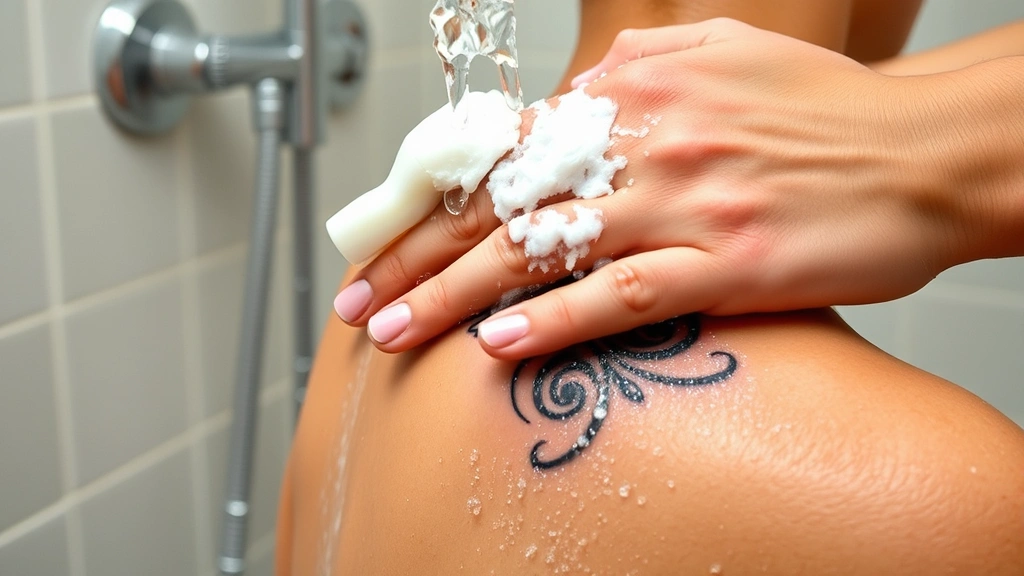
After removing the first layer, examine your tattoo carefully. Some weeping, slight redness, and plasma accumulation are normal signs of healing. Gently rinse the tattoo with lukewarm water and mild, fragrance-free soap using clean hands or a soft cloth. Pat the area dry completely with a clean paper towel before applying the second layer of Saniderm if you choose to do so.
If applying a second layer, ensure your skin is completely dry to promote proper adhesion. Apply the new Saniderm sheet smoothly, again avoiding wrinkles and air bubbles. This second application provides another 24 hours of protection, bringing your total protected healing time to approximately 48 hours. Some artists prefer their clients apply only one layer, so follow the specific guidance you received.
Post-Saniderm Aftercare Protocol
Once you’ve removed Saniderm completely, your tattoo enters a new phase of healing that requires diligent care. Continue washing your tattoo 2-3 times daily with lukewarm water and unscented soap for the next 2-3 weeks. Use your clean hands to gently wash the area, avoiding harsh scrubbing or abrasive cloths that could damage the healing ink.
Moisturizing becomes essential after Saniderm removal, as your skin will likely be slightly dry from the film’s protective barrier. Use a fragrance-free, non-comedogenic moisturizer or a specialized tattoo aftercare product recommended by your artist. Apply a thin layer to damp skin after washing to lock in moisture. Avoid heavy creams or petroleum-based products that can clog pores and interfere with healing.
Protect your tattoo from direct sunlight for at least two weeks, and ideally for several weeks during the healing process. UV exposure can fade fresh ink and increase infection risk. Wear protective clothing or apply broad-spectrum SPF 30+ sunscreen once the tattoo has fully healed (typically after 2-3 weeks). This long-term sun protection also prevents premature fading and color degradation of your tattoo throughout its lifetime.
Avoid swimming, soaking in hot tubs, or submerging your tattoo in water for at least two weeks. While Saniderm protects against water during the first 24-72 hours, your tattoo remains vulnerable after removal. Prolonged water exposure can cause ink to seep out and increase infection risk. Short showers are acceptable, but try to keep the tattoo out of direct water spray when possible.
During the healing period, refrain from wearing tight clothing over your tattoo, as friction and moisture trapped under fabric can slow healing and increase infection risk. Sleep on clean sheets, and consider sleeping on your back if your tattoo is on your back to minimize pressure and friction. Avoid touching your tattoo with unwashed hands, and resist the urge to pick at any scabs or peeling skin that develops naturally during healing.
Signs It’s Time to Remove Saniderm
While the recommended duration provides a good baseline, certain signs indicate you should remove Saniderm earlier than planned. Excessive redness, swelling, or warmth surrounding the tattooed area might suggest an allergic reaction to the adhesive or an infection developing beneath the barrier. If you notice these symptoms, remove the Saniderm immediately and contact your tattoo artist or dermatologist.
Significant itching, burning sensations, or pain that increases rather than stabilizes over time can indicate your skin is reacting negatively to prolonged Saniderm wear. While minor itching is normal during healing, severe discomfort warrants removal and a switch to traditional aftercare methods. Your comfort and skin health take priority over maintaining the full recommended duration.
If you notice signs of infection such as unusual warmth, pus, red streaking, or fever, remove the Saniderm immediately and seek professional medical advice. Infections can develop rapidly and require prompt treatment. Don’t wait out the full duration if infection symptoms appear—your health is more important than following the standard timeline.
Maceration, or excessive softening and wrinkling of the skin beneath Saniderm, can occur if the film stays on too long or if moisture accumulates excessively. While some moisture collection is normal and healthy, wrinkled or overly soft skin indicates it’s time to remove the barrier. This typically occurs after 72 hours, which is why most artists don’t recommend extending wear beyond this timeframe.
Common Mistakes to Avoid
One of the most frequent errors people make is leaving Saniderm on for too long in hopes of maximizing protection. While the barrier is beneficial, keeping it on beyond 72 hours risks bacterial overgrowth, maceration, and potential skin damage. Trust the 24-72 hour window recommended by professionals rather than extending it indefinitely.
Applying Saniderm to wet or incompletely dried skin is a critical mistake that undermines its effectiveness. Moisture trapped between the film and your skin creates an environment where bacteria thrive. Your tattoo artist should ensure the area is completely dry before application, and if you’re applying a second layer yourself, make certain your skin is bone-dry first.
Failing to follow your specific artist’s instructions is another common pitfall. Every artist has developed their own protocols based on their experience and technique. While general guidelines exist, your artist’s specific recommendations should always take priority. If you don’t understand the instructions, ask for clarification before leaving the studio.
Neglecting proper cleansing after Saniderm removal leaves your tattoo vulnerable during a critical healing phase. Some people assume that because the tattoo was protected, it doesn’t need immediate cleaning after removal. In reality, plasma and lymph fluid accumulation beneath the barrier requires gentle cleansing to prevent infection and promote proper healing.
Switching to inappropriate aftercare products after Saniderm removal can undo all the protection the barrier provided. Using scented lotions, heavy creams, or alcohol-based products irritates healing skin and interferes with the natural healing process. Stick with gentle, fragrance-free products specifically recommended for tattoo aftercare, similar to those suggested in our DIY Nests Hub Blog for specialized care guides.
FAQ
Can I shower with Saniderm on my tattoo?
Yes, one of Saniderm’s primary advantages is its waterproof nature. You can shower normally with Saniderm in place, and brief water exposure won’t compromise the barrier. However, avoid soaking the tattoo or exposing it to prolonged water spray directly on the film. Keep showers relatively short and pat the area dry gently afterward.
What should I do if Saniderm starts peeling before 24 hours?
If Saniderm begins peeling prematurely, you have two options. You can carefully smooth it back down and continue wearing it, or remove it entirely and transition to traditional aftercare methods. If the film has lifted significantly and contamination is likely, removal is the safer choice. Contact your artist if you’re unsure about the best course of action.
Is it normal for fluid to accumulate under Saniderm?
Yes, this is completely normal and actually indicates healthy healing. Your body naturally produces plasma and lymph fluid as part of the healing response. The fluid collecting under Saniderm is trapped by the barrier, which is exactly what you want. Don’t be alarmed by discoloration or cloudiness—this is expected and not a sign of infection.
Can I apply lotion under Saniderm?
No, you should never apply lotion or other products under Saniderm. The barrier creates a sealed environment, and adding products underneath can trap bacteria or cause skin irritation. Your artist applies Saniderm to clean, dry skin with nothing underneath. If you apply a second layer yourself, ensure the skin is clean and dry with no products applied first.
How do I know if my tattoo is infected after Saniderm removal?
Signs of infection include excessive warmth, increasing pain and swelling, pus or unusual discharge, red streaking extending from the tattoo, or fever. Mild redness, slight swelling, and minor oozing are normal, but these symptoms should improve rather than worsen over several days. If you suspect infection, contact your tattoo artist or dermatologist immediately rather than waiting to see if it resolves.
Should I use the second layer of Saniderm?
This depends on your artist’s recommendation and your comfort level. A second 24-hour application provides extended protection but isn’t mandatory. Some artists include instructions for second application, while others prefer their clients transition to traditional aftercare after the first removal. Follow your specific artist’s guidance, or ask them which approach they recommend for your situation.
What’s the difference between Saniderm and other tattoo aftercare films?
While Saniderm is the most popular brand, other similar products like Tegaderm exist. These films work on the same principles—creating a waterproof, breathable barrier that protects while allowing oxygen exchange. Most professional recommendations apply to any quality tattoo aftercare film. Verify with your artist which specific product they recommend, as they may have preferences based on their experience.


