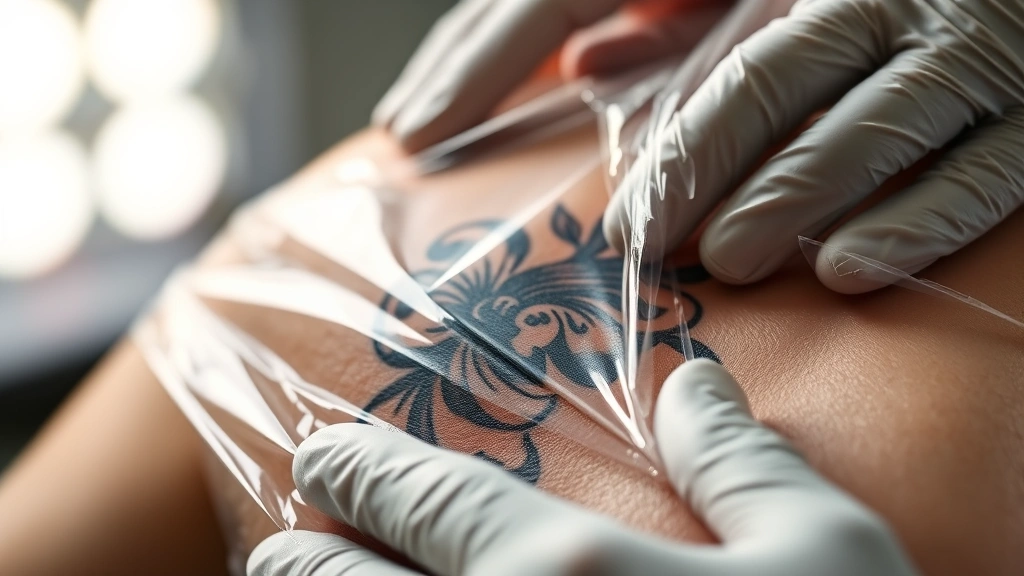
How Long to Cover Tattoo? Artist-Recommended Duration
Getting a tattoo is an exciting milestone, but the work doesn’t end when the needle stops. One of the most critical phases of tattoo aftercare involves proper covering and protection during the initial healing period. Understanding how long to keep a tattoo covered is essential for preventing infection, minimizing scarring, and ensuring your new ink heals beautifully. Professional tattoo artists unanimously recommend specific timeframes based on decades of collective experience and dermatological research, yet many clients remain uncertain about the exact duration and methods.
The covering period for a fresh tattoo isn’t arbitrary—it’s based on how your body’s natural healing process works and the risks posed by bacteria, dirt, and friction during those vulnerable first hours and days. Whether you’re using traditional plastic wrap, modern adhesive barriers like Saniderm, or second skin products, timing matters tremendously. This comprehensive guide breaks down the recommended covering duration, the reasoning behind it, and best practices that professional artists swear by.

Initial Covering: The First Few Hours
When you leave the tattoo studio, your artist will apply an initial bandage or covering before you even step outside. This first layer of protection is crucial because your tattoo is essentially an open wound at this point. The needle has created thousands of tiny punctures in your skin, and your body is actively bleeding and weeping plasma. This initial covering serves multiple purposes: it protects against airborne bacteria, prevents your clothing from sticking to the fresh ink, and contains any blood or plasma that continues to seep from the wound.
Most professional tattoo artists recommend keeping this first covering on for a minimum of 2-4 hours, though some prefer 6 hours depending on the tattoo’s size and location. The reasoning is straightforward—during those first few hours, your body is in the acute inflammatory response phase, and the wound is most vulnerable. The covering acts as a barrier against environmental contaminants while allowing your skin to begin its natural healing cascade. However, keeping it on too long initially can trap moisture and bacteria, creating an environment where infections thrive.
The type of initial covering varies by artist preference and studio protocol. Some use traditional plastic wrap (like Saran Wrap), others apply specialized sterile bandages, and progressive studios might apply adhesive barrier films right from the start. Regardless of the method, the principle remains the same: protect the wound during those critical first hours when it’s most susceptible to contamination and trauma.
Plastic Wrap vs. Adhesive Barriers
Understanding the difference between traditional plastic wrap and modern adhesive barriers is essential for making informed decisions about your tattoo covering duration. These two approaches have fundamentally different timelines and effectiveness levels, and choosing the right one dramatically impacts your healing experience.
Traditional plastic wrap (typically food-grade polyethylene) has been the industry standard for decades. It’s inexpensive, readily available, and provides basic protection against bacteria and friction. However, plastic wrap doesn’t breathe—it traps moisture, sweat, and dead skin cells against your tattoo, creating a humid microenvironment. While this might seem beneficial for keeping things moist, it actually increases the risk of bacterial overgrowth and can lead to ink loss during the peeling phase.
Adhesive barrier films like Saniderm, Tegaderm, or similar medical-grade products represent a significant advancement in tattoo aftercare. These breathable, waterproof membranes allow oxygen to reach the healing tattoo while blocking bacteria and contaminants. They also absorb excess plasma and ink, which you can see accumulating under the film—this is completely normal and actually indicates proper healing. The adhesive nature means the covering stays in place without tape or wrapping, reducing friction and movement that could disrupt the healing process.
The covering duration differs significantly between these methods. With traditional plastic wrap, most artists recommend removing it after 2-6 hours and then cleaning the tattoo before applying fresh wrap for sleeping (if desired). Adhesive barrier films, by contrast, can typically stay on for 3-7 days continuously, though individual products have specific manufacturer recommendations.
How Long to Keep Traditional Plastic Wrap On
If you’re using traditional plastic wrap—still the most common method in many studios—the recommended timeline breaks down into distinct phases. The initial covering should come off after 2-4 hours, at which point you’ll gently remove it and clean the tattoo with unscented soap and lukewarm water. This first cleaning is crucial because it removes excess blood, plasma, and any bacteria that may have accumulated under the wrap.
After this initial cleaning, you have two options: leave the tattoo uncovered (allowing it to air dry naturally) or apply fresh plastic wrap for sleeping. If you choose to re-wrap, most artists recommend using fresh plastic wrap for sleeping during the first 3-5 nights. The logic is that while your tattoo is healing, you want to protect it from bacteria-laden bed sheets and any accidental rubbing during sleep. However, the wrap should come off during the day when you’re awake and can monitor the healing process.
The total duration for plastic wrap covering typically spans 3-5 days from the initial application, but this is broken into multiple short intervals rather than continuous coverage. You might apply fresh wrap nightly for 3-5 nights, removing it each morning for cleaning and air exposure. By day 5-7, most artists recommend discontinuing plastic wrap altogether and transitioning to the standard aftercare routine of keeping the tattoo clean, moisturized, and protected from the sun.
The key principle with plastic wrap is intermittent coverage rather than continuous protection. This approach balances the need for wound protection with the equally important need for oxygen exposure and moisture management. Keeping plastic wrap on continuously for extended periods (beyond 6 hours at a time) can actually compromise healing by creating an overly moist environment that promotes bacterial growth and can cause ink loss.
Modern Second Skin Covering Duration
Modern adhesive barrier products represent a paradigm shift in tattoo aftercare, and understanding their recommended covering duration is essential if you choose this route. Products like Saniderm (the most widely recommended by professional artists) are specifically designed for tattoo healing and can remain in place for significantly longer than traditional plastic wrap.
The standard recommendation for adhesive barrier films is 3-7 days of continuous coverage, with most artists suggesting 5-7 days as optimal. This extended duration is possible because these products are breathable—they allow oxygen and moisture vapor to pass through while blocking bacteria and contaminants. The film absorbs plasma and ink that seeps from the healing tattoo, which you’ll see accumulating under the barrier. This is completely normal and actually indicates that the product is working as intended.
However, the duration recommendation isn’t one-size-fits-all. Several factors influence how long your specific tattoo should remain covered:
- Tattoo size: Larger pieces may benefit from the full 7-day coverage period, while smaller tattoos might only need 3-5 days
- Tattoo location: Tattoos on areas prone to friction (hands, feet, joints) benefit from extended coverage, while chest or back pieces may need less time
- Skin type: Individuals with sensitive skin or conditions like eczema may benefit from extended protection
- Your occupation: If your work exposes you to dirt, chemicals, or excessive sweating, longer coverage provides additional protection
- Individual healing response: Some people heal faster than others; your artist can assess your healing and recommend accordingly
Most professional tattoo artists recommend applying the adhesive barrier film immediately after the tattoo is complete (or after a brief initial plastic wrap period). Leave it on continuously for 5-7 days, then remove it and assess the healing status. If the tattoo is still in early healing stages with visible plasma weeping, you can apply a second layer for another 2-3 days. This two-layer approach isn’t necessary for everyone, but it’s an option if you feel your tattoo needs additional protection.
Signs Your Tattoo Is Ready to Uncover
Knowing when to remove your covering is just as important as knowing how long to keep it on. Removing the covering too early exposes your healing tattoo to unnecessary risks, while leaving it on too long can interfere with the natural healing process. Professional artists look for specific signs that indicate your tattoo is ready to transition from covered to uncovered healing.
Reduced plasma weeping: When you first remove your covering (whether plastic wrap or adhesive film), you’ll notice plasma and ink accumulation. As healing progresses, this weeping decreases significantly. When the area under an adhesive barrier film appears mostly dry with minimal fluid accumulation, your tattoo is likely ready to uncover. With plastic wrap, reduced plasma on your cleaning cloth indicates advancing healing.
Skin texture changes: Fresh tattoos feel slightly raised and tender. As healing progresses over 5-7 days, the skin begins to normalize, and you’ll notice the tattooed area feels closer to your normal skin texture. This tactile change indicates that the acute inflammatory phase is transitioning to the proliferative phase.
Color stabilization: Fresh tattoos appear very vibrant immediately after application, but the colors typically look slightly muted once plasma and ink settle. If your tattoo’s color appears stable and consistent (not increasingly dull or faded), it’s likely ready to transition from covered to uncovered healing. Continued coverage after this point won’t improve color retention and might actually interfere with the final healing stages.
Minimal scabbing: While some light scabbing is normal during tattoo healing, excessive or thick scabs can indicate that the covering duration was too long or that moisture accumulated excessively. When you uncover your tattoo and see only minimal, thin scabs forming, this suggests appropriate timing.
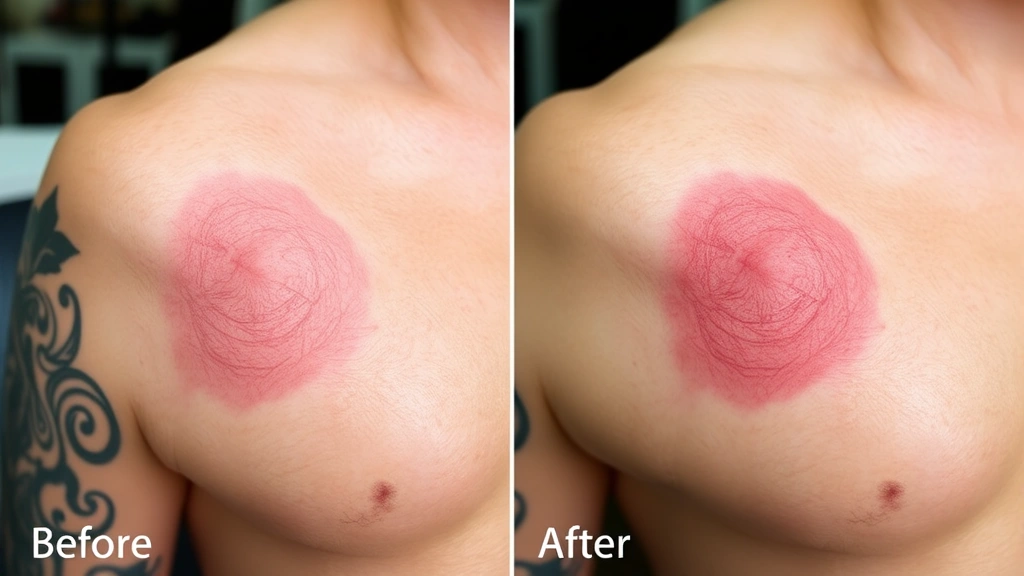
No signs of infection: Before uncovering, inspect for any signs of infection: excessive redness extending beyond the tattoo boundaries, warmth, pus, or unusual swelling. If you observe any of these signs, consult your artist or a healthcare provider before removing the covering. Infection is rare with proper aftercare but requires immediate attention if it occurs.
Post-Covering Aftercare Essentials
Once you’ve removed the covering—whether after 2-6 days of plastic wrap use or 5-7 days of adhesive barrier film—your tattoo enters the next critical healing phase. This post-covering period typically lasts 2-4 weeks total from the initial tattoo application, and proper care during this time is just as important as the covering duration itself.
Your primary focus should shift to keeping the tattoo clean, moisturized, and protected from the sun. Clean the tattoo 2-3 times daily with unscented antibacterial soap and lukewarm water, gently patting it dry with a clean paper towel (avoid cloth towels, which harbor bacteria). Apply a thin layer of fragrance-free moisturizer or specialized tattoo aftercare balm after each cleaning. This keeps the skin hydrated and prevents excessive scabbing.
Sun protection is absolutely critical during the post-covering phase. UV exposure can fade fresh ink, interfere with healing, and increase infection risk. Avoid direct sunlight for at least 2-4 weeks after getting your tattoo. If you must be outside, wear protective clothing that covers the tattoo or apply broad-spectrum SPF 30+ sunscreen (though most artists recommend avoiding sunscreen on healing tattoos until they’re fully healed).
Avoid submerging your tattoo in water for extended periods. While showering is fine, avoid swimming, hot tubs, and soaking baths for at least 2-3 weeks. These environments expose your healing tattoo to chlorine, salt water, and bacteria-laden water that increase infection risk. Similarly, avoid sweaty activities like intense exercise or hot yoga during the first 1-2 weeks of post-covering healing.
Resist the urge to pick at scabs or peeling skin, even though it’s tempting. Picking disrupts healing, can cause scarring, and leads to color loss. Let scabs fall off naturally as part of the healing process. If the itching becomes unbearable, apply a cool compress or use fragrance-free moisturizer rather than scratching.
Common Covering Mistakes to Avoid
Even with the best intentions, many people make mistakes during the covering phase that compromise their tattoo’s healing. Understanding these common errors helps you avoid them and ensures your tattoo heals optimally.
Leaving plastic wrap on too long: Keeping traditional plastic wrap on for more than 6 hours continuously traps excessive moisture and promotes bacterial growth. Some people wrap their tattoo and leave it on overnight or for extended periods, thinking more protection is better. This actually increases infection risk and can cause ink loss during the peeling phase. Stick to the 2-6 hour initial period plus nightly wrapping for sleeping.
Reusing old covering materials: Never reuse plastic wrap or apply new wrap without cleaning the tattoo first. Bacteria accumulate under old covering, and reapplying without cleaning introduces these contaminants back into the wound. Always clean your tattoo and ensure it’s completely dry before applying fresh covering.
Using tape that’s too tight: If you’re taping plastic wrap to secure it, avoid taping so tightly that it restricts blood flow or creates pressure points. This can cause uneven healing, color loss, and skin damage. Secure the wrap gently with enough tape to keep it in place without constricting the area.
Ignoring signs of infection: Some people keep covering on their tattoo even when signs of infection appear, hoping the covering will resolve the issue. Infection requires professional attention. If you notice excessive redness, warmth, pus, swelling, or systemic symptoms like fever, remove the covering immediately and contact your artist or a healthcare provider.
Removing adhesive barriers incorrectly: When removing adhesive barrier films, pull slowly and gently at a 45-degree angle with one hand while gently supporting the skin with the other. Ripping it off quickly can damage delicate new skin and cause unnecessary trauma. Wet the edges with warm water if the adhesive is stubborn—this makes removal easier and gentler.
Switching covering methods inconsistently: Constantly switching between plastic wrap and adhesive barriers or vice versa confuses your skin and can disrupt the healing process. Choose one method and stick with it consistently. If you start with plastic wrap, continue with that approach. If you begin with an adhesive barrier, complete the full duration before transitioning to uncovered healing.
Neglecting the post-covering phase: Many people focus heavily on the covering phase but then neglect proper aftercare once the covering comes off. The post-covering phase (days 5-21) is equally critical. Proper moisturizing, sun protection, and hygiene during this time directly impact your final tattoo appearance.
FAQ
How long should I keep plastic wrap on my tattoo?
Keep the initial plastic wrap application on for 2-4 hours, then remove and clean the tattoo. You can reapply fresh plastic wrap nightly for sleeping during the first 3-5 nights, removing it each morning. Never keep plastic wrap on continuously for more than 6 hours at a time, as this traps excessive moisture and increases infection risk.
Can I leave Saniderm on for 7 days?
Yes, Saniderm and similar adhesive barrier products are specifically designed for 3-7 day continuous coverage. Most professional artists recommend 5-7 days as optimal. Check your specific product’s manufacturer recommendations, as duration can vary slightly between brands. If your tattoo is still weeping plasma after 7 days, you can apply a second layer for 2-3 additional days.
What happens if I remove the covering too early?
Removing the covering too early (before 2-3 days) exposes your healing tattoo to bacteria and contaminants during its most vulnerable phase. This increases infection risk, can cause excessive plasma loss leading to color loss, and may result in uneven healing. However, if you remove it and see no signs of infection, simply begin diligent uncovered aftercare immediately.
Is it normal for fluid to accumulate under adhesive barriers?
Yes, completely normal. Adhesive barrier films absorb plasma and ink that seeps from the healing tattoo. You’ll see this accumulation under the film, and it indicates the product is working correctly. The more plasma accumulation, the more actively your body is healing. This is not a sign of infection unless accompanied by pus, excessive redness, or warmth.
Can I shower with my tattoo covered?
With plastic wrap: Yes, but keep showers brief and pat the area dry thoroughly before reapplying wrap if you plan to rewrap. With adhesive barriers: Most are waterproof and shower-safe, but check your product’s specific instructions. Some manufacturers recommend limiting shower duration to 10-15 minutes to prevent excessive water exposure.
Should I cover my tattoo during the day after removal?
No, once you’ve removed the covering (after 2-7 days depending on method), leave your tattoo uncovered during the day. Air exposure is beneficial for healing. You can apply loose, breathable clothing over the area for protection if needed, but avoid tight wrapping or covering. The exception is sun protection—keep it covered from direct sunlight with clothing or sunscreen.
What if my tattoo is still weeping plasma after 7 days?
Some tattoos, particularly large pieces or those on areas prone to friction, may continue weeping plasma after 7 days. You can apply a second layer of adhesive barrier film for 2-3 additional days. If plasma weeping continues beyond 10-14 days, consult your artist to rule out infection or other complications.
Can I use medical tape instead of plastic wrap?
Medical tape alone isn’t suitable as your primary covering because it doesn’t create an effective barrier against bacteria. However, medical tape is useful for securing plastic wrap or adhesive barrier edges. Use gentle, hypoallergenic medical tape and avoid leaving it in place for extended periods, as it can irritate sensitive healing skin.


