
Microwave Broccoli: Quick Chef-Approved Guide
Microwaving broccoli is one of the fastest and most convenient ways to prepare this nutrient-dense cruciferous vegetable for weeknight dinners, meal prep, or quick side dishes. Whether you’re a busy professional, a parent juggling multiple responsibilities, or simply someone who values efficiency in the kitchen, mastering the microwave method can transform how you approach vegetable preparation. Unlike traditional stovetop steaming or oven roasting, microwaving broccoli takes just minutes while preserving most of its vitamins, minerals, and vibrant green color.
The beauty of microwaving broccoli lies in its simplicity and speed. With the right technique and timing, you can achieve perfectly tender florets with a slight crunch that makes them appealing even to vegetable skeptics. This guide walks you through everything from preparation methods to timing adjustments based on your preference for texture, plus troubleshooting tips from professional chefs who rely on this method in commercial kitchens.
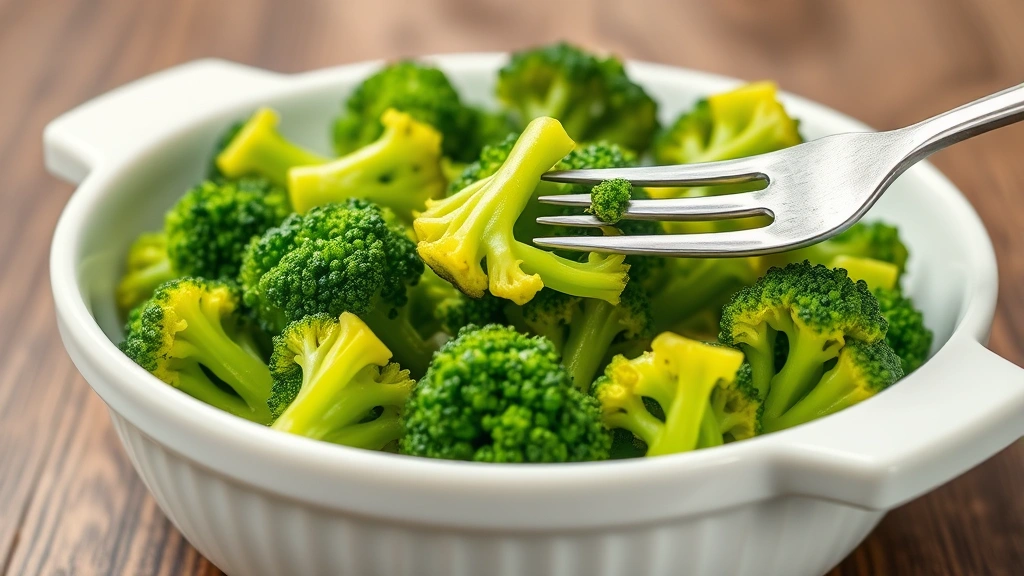
Preparation Basics: Getting Your Broccoli Ready
Before microwaving, proper preparation ensures even cooking and optimal results. Start by selecting fresh broccoli with firm, tightly-packed florets and bright green color. Avoid heads with yellowing or soft spots, which indicate age and reduced nutritional value. Rinse your broccoli thoroughly under cold running water to remove any dirt or debris, then pat dry with paper towels. Excess moisture can lead to uneven cooking and soggy texture, so this step matters more than many home cooks realize.
Cut your broccoli into uniform florets—this consistency is crucial for even microwave cooking. Aim for pieces about 1.5 to 2 inches in size, as this standard sizing ensures that small pieces don’t overcook while larger ones remain undercooked. Leave a small portion of stem attached to each floret; these stems are tender and delicious when properly cooked, not the tough woody parts from the main stalk. If you’re using the main stem, peel away the outer layer with a vegetable peeler to expose the tender interior, then slice into thin rounds or sticks.
The container you use significantly impacts cooking results. Microwave-safe glass bowls, ceramic dishes, or BPA-free plastic containers all work well. Avoid metal containers and any dishes with metallic trim or paint, which can cause arcing and potentially damage your microwave. A shallow dish allows better heat distribution than a tall, narrow bowl, promoting more even cooking across all florets.
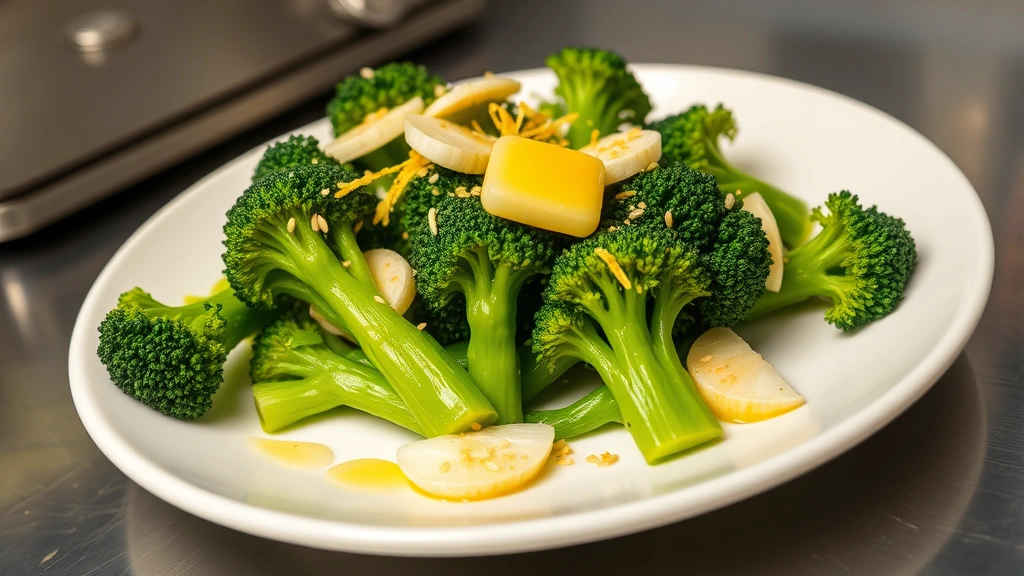
Timing Guide by Quantity: How Long to Microwave Broccoli
Small Portion (1 cup florets): Microwave on high for 2-3 minutes. Check at the 2-minute mark by piercing a floret with a fork; if it yields easily, it’s done. This quantity works perfectly for individual servings or small side dishes.
Medium Portion (2-3 cups florets): Microwave on high for 4-5 minutes. This is the most common household quantity, ideal for family dinners or meal prep containers. Start checking at 4 minutes to avoid overcooking.
Large Portion (4-5 cups florets): Microwave on high for 6-8 minutes. Larger quantities require longer cooking times, but also benefit from stirring halfway through to ensure even heat distribution. If your microwave has hot spots, rotate the container 180 degrees after 4 minutes.
Whole Small Head: Microwave on high for 5-7 minutes. Keep the head intact, place stem-side down in a shallow dish with 2-3 tablespoons of water, and cover loosely with a microwave-safe lid or damp paper towel. The stem cooks from direct contact with the dish while florets steam from above.
These times assume standard 1000-watt microwave ovens. If your microwave is lower wattage (700-800 watts), add 1-2 minutes to each timing. Conversely, high-powered microwaves (1200+ watts) may require 30-60 seconds less cooking time. Knowing your specific microwave’s power helps you achieve consistent results every time you cook.
Microwave Methods: Water, Dry, and Steaming Approaches
Water-Steaming Method (Most Common): Place prepared broccoli florets in a microwave-safe bowl and add 2-4 tablespoons of water, depending on quantity. The water creates steam that cooks the broccoli gently and evenly. Cover the bowl with a microwave-safe lid, leaving a small gap for steam to escape, or use a damp paper towel. This method is popular because it prevents drying and maintains vibrant color. The moisture also helps retain heat-sensitive vitamins like vitamin C, which can be lost during dry cooking methods.
Dry Microwave Method: Place broccoli in a microwave-safe bowl with no added water. Cover lightly and microwave on high for 3-5 minutes depending on quantity. This method concentrates flavors and can produce slightly firmer texture preferred by some cooks. However, there’s greater risk of drying out the broccoli, particularly the smaller florets. Reserve this method for when you prefer crunchier results or plan to add sauce immediately after cooking.
Steamer Basket Method: If you own a microwave steamer basket or collapsible steamer insert, place it in a bowl with ½ cup water, arrange broccoli on the basket above the water line, cover, and microwave on high for 4-6 minutes. This method elevates broccoli above the water, allowing pure steam to cook it evenly without waterlogging. Professional kitchens often prefer this approach for its consistency and texture control.
Silicone Microwave Steamer Method: Specialized microwave steamer pods designed for vegetables offer excellent results. Fill the pod’s water chamber according to package directions, arrange broccoli in the steaming chamber, seal, and microwave. These dedicated vessels are engineered for optimal steam circulation, often producing restaurant-quality results. They’re worth the modest investment if you regularly microwave vegetables.
Texture Preferences and Results: From Crisp-Tender to Soft
Microwave timing directly determines your final texture, and understanding this relationship helps you achieve your preferred consistency. Crisp-tender broccoli (the most popular preference) requires 2-3 minutes for small portions and 4-5 minutes for medium portions. This texture maintains slight resistance when you bite into florets while the interior becomes tender. The stem should yield to a fork but still have some structural integrity.
Very tender broccoli takes an additional 1-2 minutes beyond crisp-tender timing. This texture works well if you’re serving very young children, elderly family members with difficulty chewing, or incorporating broccoli into purees or creamed dishes. Some cooks prefer this texture with cheese sauce or in casseroles where softer vegetables integrate better with other components.
Al dente broccoli (firm with minimal cooking) requires just 1-2 minutes for small quantities. This approach works best when you plan to add broccoli to stir-fries, salads, or grain bowls where it will continue cooking slightly from heat of other components. It’s also ideal if you’re exploring quick cooking techniques from our DIY Nests Hub Blog.
Appearance changes as broccoli cooks. Fresh raw broccoli displays a bright, almost neon green. After 2-3 minutes, it shifts to a more muted but still vibrant green as cell structures begin softening. Overcooking beyond 7-8 minutes produces an olive or khaki green color with mushy texture—a sign that chlorophyll has broken down significantly and nutrients have leached into cooking water.
Flavor Enhancement Techniques: Beyond Plain Broccoli
While plain microwaved broccoli is nutritious and convenient, simple additions transform it into a more exciting dish. Adding a pinch of salt to the cooking water enhances natural flavors without requiring additional seasoning afterward. Garlic powder, Italian seasoning, or red pepper flakes mixed into the water infuse subtle flavors throughout cooking.
Oil and Butter Additions: Drizzle finished broccoli with olive oil, melted butter, or sesame oil for richness and improved texture. Garlic-infused oils work particularly well, as does brown butter with a squeeze of fresh lemon juice. These additions also help fat-soluble vitamins absorb more efficiently in your digestive system.
Cheese and Cream Sauces: Toss warm microwaved broccoli with melted cheddar, parmesan, or mozzarella cheese for classic comfort food appeal. A quick cheese sauce made from butter, flour, milk, and cheese powder can be prepared while broccoli microwaves, creating a complete side dish in under 10 minutes total.
Asian-Inspired Seasonings: Combine soy sauce, sesame oil, fresh ginger, and garlic for an umami-rich preparation. Drizzle over warm broccoli and top with sesame seeds and sliced green onions for color and textural contrast.
Lemon and Herb Combinations: Fresh lemon zest, juice, and herbs like dill, parsley, or chives brighten microwaved broccoli beautifully. This combination works especially well with fish or poultry dishes, making it an excellent side for your dinner plate.
Storage and Reheating: Meal Prep Strategies
Microwaved broccoli stores well in airtight containers in the refrigerator for 3-5 days, making it ideal for meal prep. Cool broccoli completely before storing to prevent condensation that leads to mushiness. Store plain (unsauced) broccoli separately from dressings or sauces if possible; add these just before eating for better texture retention.
To reheat refrigerated microwaved broccoli, place it in a microwave-safe container with 1-2 tablespoons of water and microwave on high for 1-2 minutes, depending on quantity. The added water prevents drying during reheating. Alternatively, reheat in a skillet over medium heat with a small amount of oil for a slight char and improved texture—this method is preferred by chefs who find microwaved reheating produces texture degradation.
Frozen microwaved broccoli can be stored for 2-3 months. Cool completely, arrange in a single layer on a baking sheet, freeze until solid (about 2 hours), then transfer to freezer bags or containers. When ready to use, reheat directly from frozen by microwaving on high for 3-4 minutes with 2 tablespoons water, or add directly to soups, stews, and casseroles where it will thaw and cook.
For meal prep efficiency, consider microwaving several portions at once. Divide into individual containers, refrigerate, and grab throughout the week for quick additions to lunches and dinners. This approach parallels strategies discussed in our guides about timing and preparation, emphasizing the importance of understanding duration and technique.
Broccoli pairs wonderfully with proteins like grilled chicken, baked fish, or roasted tofu. It also combines well with grains—add to rice bowls, pasta dishes, or grain salads for nutritional balance and appealing color contrast.
FAQ: Common Microwave Broccoli Questions
Can you microwave broccoli without water?
Yes, though results differ from water-steamed versions. Dry microwaving produces firmer, slightly more concentrated flavor but risks drying out smaller florets. Add water if you prefer tender, moist results or if your microwave has uneven heat distribution.
Why does microwaved broccoli sometimes smell sulfurous?
Overcooking breaks down glucosinolates (compounds that give broccoli its nutritional value), releasing hydrogen sulfide gas—the rotten egg smell. This typically occurs beyond 7-8 minutes of cooking. Shorter cooking times and proper ventilation minimize this issue. The smell itself isn’t harmful, just unpleasant.
Is microwaved broccoli as nutritious as steamed broccoli?
Yes, microwave steaming preserves nutrients nearly as well as stovetop steaming, and significantly better than boiling. The shorter cooking time and minimal water contact help retain heat-sensitive vitamins. Some studies suggest microwaving actually preserves certain nutrients better than traditional steaming.
How do you know when microwaved broccoli is done?
Pierce a floret with a fork; it should yield easily but not fall apart. The stem should bend slightly under pressure but maintain some firmness. Visual cues include a shift from bright to muted green. Start checking at the minimum recommended time and add 30-second intervals until desired texture is reached.
Can you microwave frozen broccoli directly?
Absolutely. Frozen broccoli requires 4-6 minutes on high with 2-3 tablespoons water, compared to fresh broccoli’s shorter times. No thawing is necessary. Frozen broccoli is flash-frozen at peak ripeness, so nutritional content is comparable to fresh.
What’s the best container for microwaving broccoli?
Glass or ceramic dishes with microwave-safe lids work best. They heat evenly and are easy to clean. Avoid plastic containers for very long cooking times, though they’re safe for the 2-8 minute broccoli cooking window. Never use metal or containers with metallic trim.
Does broccoli get softer the longer you microwave it?
Yes, texture changes continuously with cooking time. Florets transition from raw and crunchy to crisp-tender to very tender to mushy as microwaving time increases. Most people prefer the 4-5 minute window for medium portions, achieving crisp-tender texture ideal for most applications.


