Smoke a Tri Tip at 225°F: Pitmaster’s Guide
Smoking a tri tip at 225°F is one of the most rewarding barbecue experiences you can master. This underrated cut of beef, also called a Santa Maria tri tip, delivers incredible flavor and tenderness when smoked low and slow. Unlike brisket or pork shoulder, tri tip cooks faster while maintaining that perfect bark and juicy interior that defines championship-quality barbecue.
Whether you’re a seasoned pitmaster or firing up your smoker for the first time, this comprehensive guide walks you through every step of the process. From selecting the right cut to slicing and serving, you’ll learn professional techniques that guarantee restaurant-quality results in your own backyard. The key to success lies in understanding temperature control, timing, and the science behind how smoke transforms this beautiful cut of meat.
Understanding Tri Tip: The Cut You Need to Know
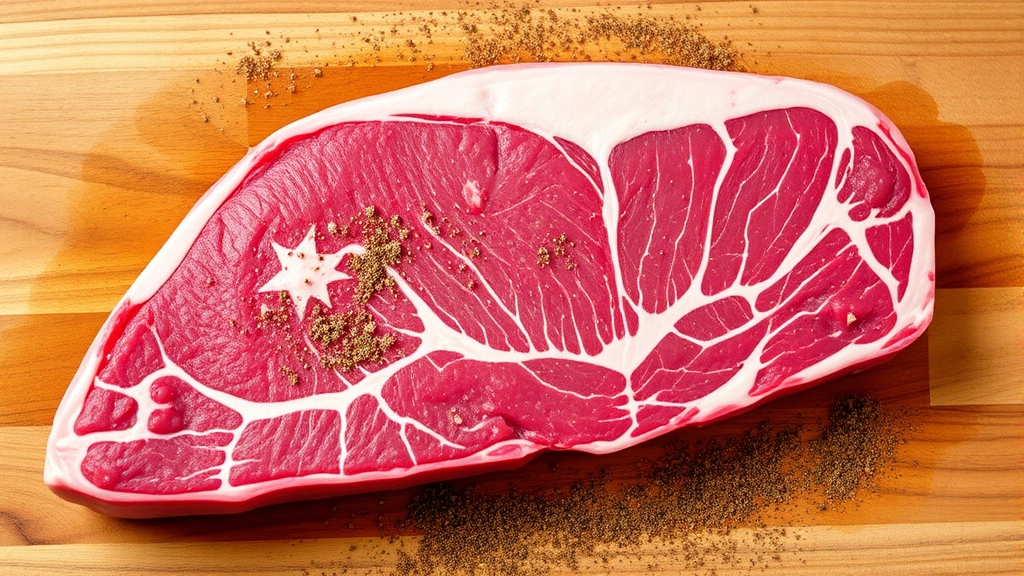
Tri tip is a triangular-shaped cut from the bottom sirloin butt, weighing typically between 1.5 to 2.5 pounds. This relatively small muscle group contains three distinct sections, which is where it gets its name. What makes tri tip special is its combination of lean meat with enough marbling to stay moist during the smoking process. The grain structure varies throughout the cut, which affects how you’ll slice it later.
The tri tip became famous in Santa Maria, California, where local barbecue traditions established it as the go-to cut for outdoor smoking. Unlike brisket, which requires 12-16 hours of smoking, tri tip finishes in 4-6 hours at 225°F, making it perfect for weekend entertaining. The meat develops a beautiful pink smoke ring and develops complex flavors through the Maillard reaction without becoming tough or dry.
This cut sits at the intersection of affordability and quality. You’ll typically pay $6-12 per pound, significantly less than premium brisket, yet the results rival much more expensive cuts. The relatively short cooking time means less fuel consumption and less monitoring, making it ideal for pitmasters who want impressive results without an all-night commitment.
Temperature and Timing: How Long to Smoke Tri Tip at 225°F
At 225°F, expect your tri tip to cook approximately 30-40 minutes per pound. A 2-pound tri tip typically finishes in 60-90 minutes, while a 2.5-pound cut takes 75-100 minutes. These timeframes assume consistent smoker temperature and proper meat preparation. The exact duration depends on several variables: the specific weight of your cut, fat distribution, ambient temperature, and your smoker’s characteristics.
The target internal temperature for tri tip is 135°F for medium-rare, which delivers the optimal balance of tenderness and juiciness. Many pitmasters pull their tri tip at 130°F internal temperature, understanding that carryover cooking during rest will bring it to 135°F. Some prefer 140-145°F for medium, though going beyond 150°F risks drying out this leaner cut.
Using a reliable instant-read thermometer is essential. Insert the probe into the thickest part of the meat without touching bone. Take multiple readings across different sections since the tri tip’s varied grain structure means different areas cook at slightly different rates. The smoking techniques for brisket at 225°F share similar principles with tri tip, though the cooking times differ significantly.
Temperature consistency matters tremendously. Fluctuations above 235°F accelerate cooking unpredictably, while temperatures below 220°F extend cooking times and may prevent proper smoke penetration. Invest in a quality smoker thermometer, ideally one with both ambient and meat probes so you can monitor both simultaneously.
Preparing Your Tri Tip for the Smoker
Start with a high-quality tri tip from a reputable butcher or grocery store. Look for marbling throughout the meat and avoid cuts with excessive surface fat. Some tri tips come with a thick fat cap on one side; trim this down to about 1/4 inch thickness. This allows smoke and heat to penetrate the meat while retaining enough fat for flavor and moisture.
Pat the tri tip completely dry with paper towels. Moisture on the surface prevents proper bark formation and smoke adhesion. Let the meat sit uncovered in your refrigerator for 2-4 hours before smoking, or even overnight. This dry-brining effect helps the surface develop better color and texture during cooking.
For seasoning, keep it simple. A basic dry rub of kosher salt, coarse black pepper, garlic powder, and paprika highlights the meat’s natural flavors without overwhelming it. Apply the rub generously on all sides, pressing it firmly into the surface. Some pitmasters add onion powder, smoked paprika, or cayenne for complexity. Apply your rub 30 minutes to 2 hours before smoking; if you do it too far in advance, the salt will draw moisture to the surface.
Avoid heavily sweet rubs, which can burn at 225°F and create acrid flavors. Tri tip’s natural beef flavor is the star—your seasoning should complement, not compete. Consider preparing your rub the night before so flavors meld together, creating a more cohesive taste profile.
Setting Up Your Smoker for Success
Whether you’re using an offset smoker, kamado-style cooker, or pellet smoker, the fundamental principle remains: maintain consistent 225°F temperature. Start your smoker 30 minutes before you plan to cook, allowing it to stabilize. Place your thermometer probe at grate level where the meat will sit, not near the firebox where temperatures run hotter.
Choose your wood carefully. Milder woods like apple, cherry, or oak work beautifully with tri tip. Avoid heavy woods like mesquite unless you love intense smoke flavor—tri tip’s lean nature means it absorbs smoke more readily than fattier cuts. Use a combination of hardwood and a small amount of fruit wood for balanced smoke flavor. Soak wood chips for 30 minutes if using a gas or electric smoker, but skip soaking for offset firebox smokers where you want wood to burn, not steam.
Set up your water pan or drip pan. While tri tip doesn’t require a water pan for moisture like larger cuts do, many pitmasters use one to maintain humidity and catch drippings for gravy. Fill it with hot water before you start smoking. This also helps stabilize smoker temperature by absorbing heat fluctuations.
Check your smoker’s airflow. Proper ventilation is critical for maintaining 225°F. If your smoker tends to run hot, partially close the top vent; if it runs cool, open vents wider. Make small adjustments and wait 10-15 minutes before adjusting again. Most digital temperature controllers make this easier, automatically adjusting vents to maintain your target temperature.
The Smoking Process Step by Step
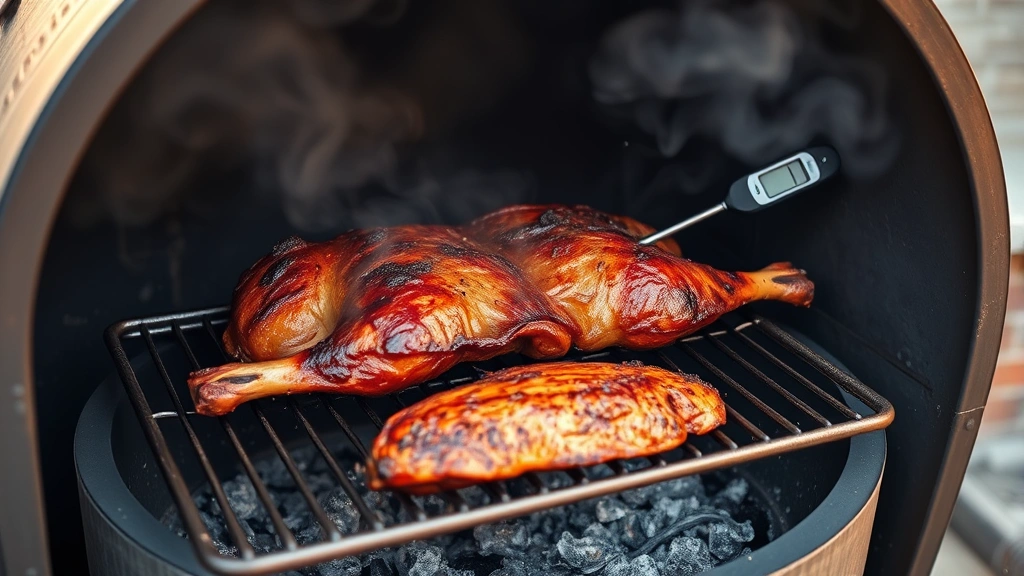
Place your seasoned tri tip directly on the grates, fat side up. Insert your meat thermometer probe into the thickest part without touching bone. Close the smoker and resist the urge to open it frequently. Every time you peek, you release heat and smoke, extending cooking time by 15-20 minutes.
For the first hour, let the meat cook undisturbed at 225°F. During this time, the Maillard reaction develops the flavorful bark on the exterior while the interior remains cool. After 60 minutes, check your meat thermometer—the internal temperature should be around 120-125°F at this point.
Continue smoking without interruption until the internal temperature reaches 130°F, typically around 75-90 minutes total depending on your tri tip’s size and your smoker’s characteristics. Some pitmasters prefer to spritz their meat every 30 minutes with a mixture of apple juice and water, which some say enhances bark formation and keeps the surface moist. Others skip spritzing entirely and achieve excellent results through proper humidity management with the water pan.
As your tri tip approaches 130°F internal temperature, increase monitoring frequency. Check temperature every 10-15 minutes once you reach 125°F. The final 5 degrees can happen surprisingly quickly, especially if your smoker runs slightly hot. Missing the target by 5-10°F isn’t catastrophic, but precision delivers the best results.
Wrapping and the Stall: What to Expect
Unlike brisket, tri tip rarely experiences a significant temperature stall due to its smaller size and higher surface-area-to-weight ratio. However, some pitmasters wrap their tri tip in butcher paper once it reaches 125°F internal temperature to accelerate the final cooking phase and protect the bark from over-darkening. This technique, borrowed from resting techniques used with brisket, can reduce final cooking time by 10-15 minutes.
If your smoker is running hotter than expected and your tri tip is cooking too quickly, you can wrap it earlier to slow the cooking process and allow more smoke absorption. Conversely, if it’s cooking slowly, skip wrapping entirely and let the bark continue developing.
Watch for bark development—the flavorful, crusty exterior that defines excellent smoked meat. Good bark should be dark brown to almost black, with a slight crunch when you bite into it. If your bark isn’t developing well, ensure your rub is properly applied and that your smoker’s temperature is stable.
Resting Your Smoked Tri Tip
Remove your tri tip from the smoker once it reaches 130-135°F internal temperature. Place it on a cutting board and tent loosely with foil. Let it rest for 10-15 minutes. This resting period is crucial—it allows residual heat to distribute evenly throughout the meat and allows muscle fibers to relax, reabsorbing moisture that was pushed toward the surface during cooking.
Many pitmasters wrap their rested tri tip in clean foil and then wrap it in towels, placing it in a cooler to keep it warm while serving other dishes. This method maintains temperature for 30-45 minutes if needed, perfect for timing multiple dishes for family gatherings.
Don’t skip the resting phase in pursuit of eating quickly. Those 10-15 minutes make the difference between juicy, tender tri tip and dry meat that loses precious juices when sliced. The meat’s temperature will continue rising 2-3°F during rest, so pulling at 130°F ensures you land right around 135°F after resting.
Slicing, Serving, and Storage
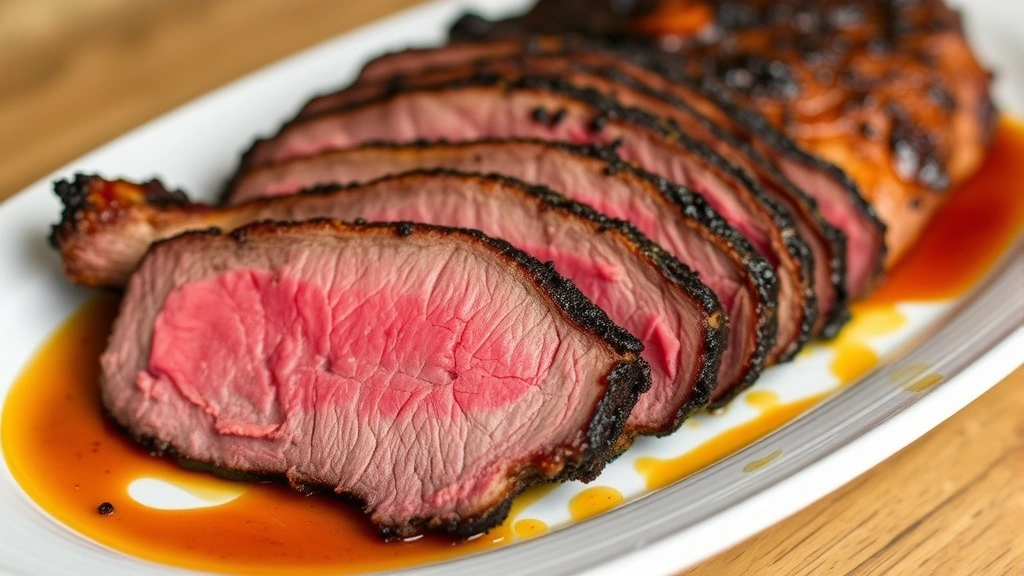
Slicing tri tip correctly is essential for maximizing tenderness. The tri tip’s grain runs in different directions in different sections. Identify the grain pattern before slicing—it typically runs diagonally across the meat. Slice against the grain at a slight angle to break up the muscle fibers, creating more tender pieces.
Cut slices 1/4 to 3/8 inch thick. Too thin and they become fragile; too thick and they feel chewy. A sharp carving knife or brisket knife makes clean slices without crushing the meat. Arrange slices on a serving platter, allowing guests to see the beautiful pink smoke ring and juicy interior.
Serve your tri tip with classic barbecue sides: coleslaw, baked beans, cornbread, and your favorite sauce. Many purists enjoy tri tip with just a light sauce or even plain, letting the meat’s natural flavors shine. The bark and smoke flavor provide plenty of complexity without additional condiments.
Store leftover tri tip in an airtight container in the refrigerator for up to 4 days. Reheat gently in a low oven (275°F) wrapped in foil, or slice thinly and use in sandwiches, tacos, or salads. Smoked tri tip freezes well for up to 3 months when wrapped tightly in plastic wrap and foil.
Troubleshooting Common Problems
Meat is tough and dry: This typically indicates overcooking. Pull tri tip at 130°F internal temperature, not higher. Ensure your thermometer is accurate by testing it in boiling water before smoking. Also confirm your smoker temperature isn’t running hotter than 235°F, which accelerates cooking beyond your control.
Bark isn’t forming: Bark develops through the Maillard reaction between amino acids and sugars on the meat’s surface. Ensure your rub contains enough salt and pepper for proper browning. Verify your smoker maintains consistent 225°F—temperature fluctuations prevent bark formation. Consider applying a second light rub after the first hour of smoking.
Smoke flavor is too intense: Reduce your wood consumption. Many pitmasters use too much wood, creating acrid, bitter flavors. Start with a small handful of wood chips and adjust upward. Remember that tri tip absorbs smoke readily due to its lean nature, so less wood is often more.
Meat cooks too quickly: If your tri tip reaches temperature in 45 minutes instead of 75-90 minutes, your smoker is running hotter than 225°F. Check your thermometer’s accuracy and make airflow adjustments. Wrapping the meat in butcher paper can slow cooking slightly while maintaining smoke exposure.
Uneven cooking: Different sections reaching different temperatures indicate inconsistent smoker heat distribution. Rotate your meat 180 degrees halfway through cooking if your smoker has hot spots. Most modern smokers have better temperature distribution, but offset and stick-burner smokers often benefit from rotation.
Smoke ring isn’t developing: The pink smoke ring results from a chemical reaction between myoglobin in the meat and nitric oxide in smoke. Ensure your meat is exposed to actual smoke, not just heat. Verify your wood is actually burning and producing smoke, not just smoldering. Some pitmasters add a small amount of curing salt to their rub to enhance smoke ring formation, though this is optional.
FAQ
How long does tri tip take to smoke at 225°F?
A typical 2-pound tri tip takes 60-90 minutes to smoke at 225°F. Larger cuts up to 2.5 pounds may take 90-100 minutes. Cook until internal temperature reaches 130-135°F, then rest for 10-15 minutes before slicing.
Should I wrap my tri tip while smoking?
Wrapping is optional. Some pitmasters wrap in butcher paper once the meat reaches 125°F to protect the bark and accelerate final cooking. Others skip wrapping and let the bark continue developing. Both methods produce excellent results—choose based on your timeline and preference.
What’s the best internal temperature for tri tip?
Pull tri tip at 130°F internal temperature for medium-rare. After a 10-15 minute rest, carryover cooking brings it to approximately 135°F. This temperature delivers optimal tenderness and juiciness. Temperatures above 145°F risk drying out this leaner cut.
Can I smoke tri tip at higher temperatures?
Yes, you can smoke tri tip at 250-275°F, which reduces cooking time to 45-60 minutes. However, 225°F allows more smoke absorption and develops better bark. Higher temperatures suit busy pitmasters who prioritize speed over maximum smoke flavor.
What wood is best for smoking tri tip?
Apple, cherry, oak, and hickory all work well. Avoid heavy woods like mesquite unless you love intense smoke. Use less wood than you would for larger cuts—tri tip’s lean nature absorbs smoke readily, and too much smoke creates bitter flavors.
How do I know when tri tip is done?
Use an instant-read meat thermometer to verify 130°F internal temperature. Insert the probe into the thickest part without touching bone. The meat should feel firm but still have some give when pressed. A well-developed bark indicates proper cooking.
Do I need to trim the fat cap on tri tip?
Trim the fat cap down to 1/4 inch thickness. This allows smoke and heat penetration while retaining enough fat for flavor and moisture. Leaving the fat cap too thick prevents proper seasoning and smoke absorption.
Can I use a pellet smoker for tri tip?
Absolutely. Pellet smokers maintain consistent temperature beautifully, making them ideal for tri tip. Follow the same process as with traditional smokers, maintaining 225°F and cooking until the internal temperature reaches 130°F. Pellet smokers typically produce less visible smoke, so consider using the smoke setting if available.
How long can smoked tri tip sit at room temperature?
Smoked tri tip should not sit at room temperature for longer than 2 hours. Place it in a cooler with towels to maintain temperature while keeping it food-safe. If you need to hold it longer, keep it warm at 140°F or higher in a warming drawer or low oven.
Can I smoke multiple tri tips at once?
Yes, multiple tri tips fit on most smoker grates. Arrange them with space between each for even heat circulation. They’ll cook at roughly the same rate, though you may need to adjust timing by 10-15 minutes depending on how much space they occupy and how your smoker’s heat distributes.


