
Smoke Pork Loin at 225°F: Complete Pitmaster Guide to Time & Temperature
Smoking a pork loin at 225°F is one of the most forgiving methods for achieving tender, juicy results with minimal hands-on effort. Unlike higher-heat smoking techniques that demand constant monitoring, the low-and-slow approach at this temperature allows the meat’s natural collagen to break down gradually, infusing every fiber with smoke flavor while maintaining moisture. Whether you’re a seasoned pitmaster refining your craft or a backyard enthusiast learning the ropes, understanding the relationship between temperature, time, and meat thickness is essential for consistent success.
The 225°F sweet spot has become the gold standard in smoking culture because it represents the perfect balance between cooking speed and meat quality. At this temperature, a pork loin develops a beautiful smoke ring—that pink layer beneath the surface that signals proper smoke penetration—while the low heat prevents the exterior from drying out before the interior reaches the target doneness. This guide walks you through everything you need to know, from calculating smoking time to troubleshooting common issues that arise during the process.
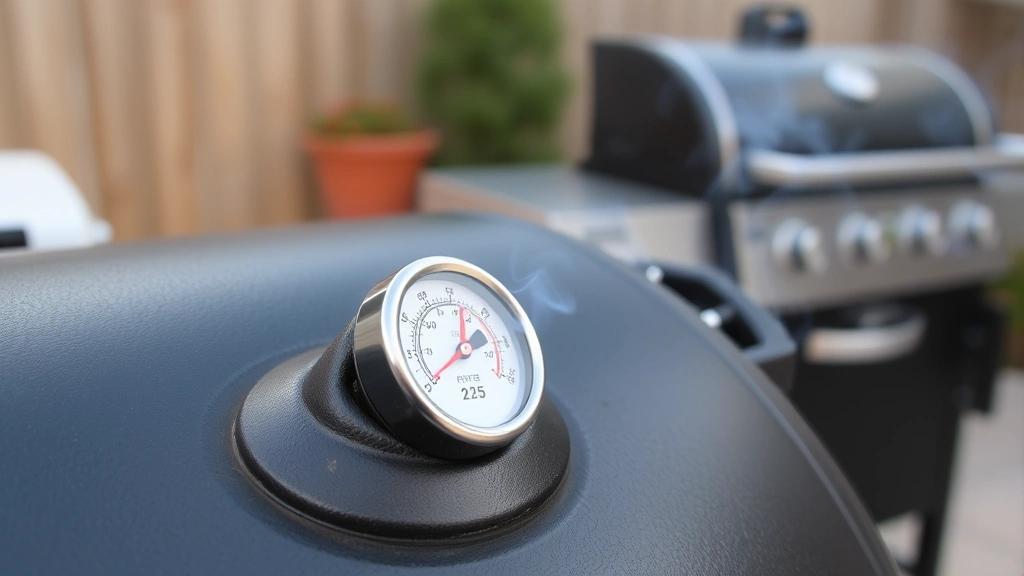
How Long to Smoke Pork Loin at 225°F
The fundamental rule for smoking pork loin at 225°F is approximately 25 to 30 minutes per pound. This timeline assumes you’re smoking an untrimmed loin with a fat cap intact, which helps insulate the meat and maintain moisture. For a standard 3-pound pork loin, expect a total smoking time of 75 to 90 minutes, though variables like smoker type, ambient temperature, and meat thickness can shift this window by 15 to 20 minutes in either direction.
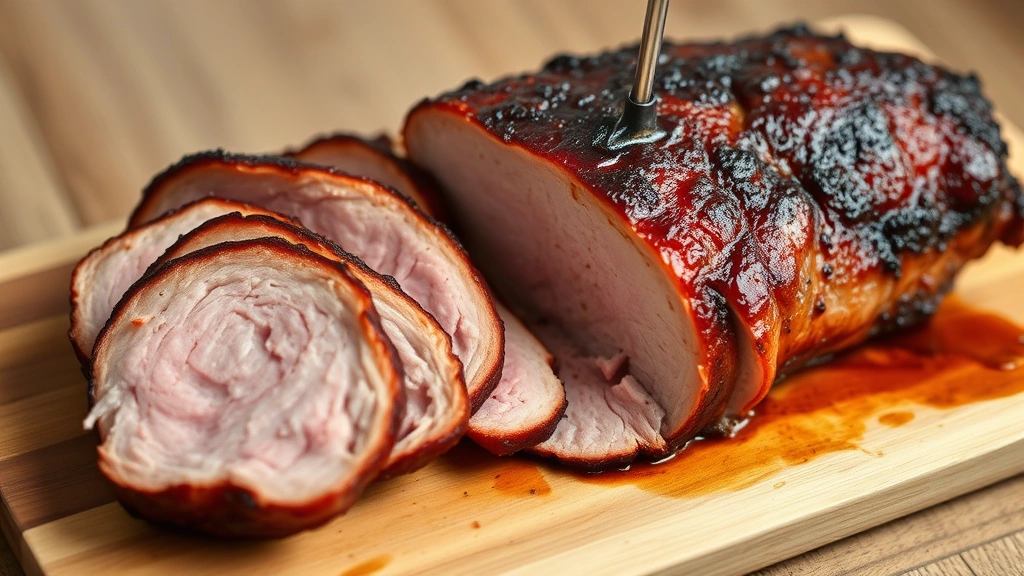
The most reliable approach is to ignore the clock and focus on internal temperature instead. Insert a quality instant-read meat thermometer—ideally a USDA-approved model—into the thickest part of the loin without touching bone or fat. Pork is safely cooked at 145°F (medium) according to modern USDA food safety standards, though many pitmasters prefer pulling at 150-155°F for optimal tenderness while maintaining food safety.
Variables that influence smoking time include the smoker’s design (offset barrel vs. vertical pellet smoker), outdoor temperature and humidity, whether you’re using the 3-2-1 method common in brisket smoking, and the loin’s initial temperature when it enters the smoker. Starting with meat at room temperature rather than straight from refrigeration can reduce total cooking time by 10-15 minutes.
Temperature Targets and Doneness Levels
Understanding the relationship between internal temperature and texture is crucial for consistent results. Modern pork doesn’t require the 160°F minimum that older guidelines recommended—that standard was established when trichinella contamination was more common. Today’s commercially raised pork is very safe at 145°F, the official CDC recommendation for pork safety.
At 145°F, your pork loin will have a slightly pink center with excellent juiciness. The muscle fibers haven’t fully contracted, and significant moisture remains bound within the tissue. Many competition pitmasters and restaurant chefs target this temperature specifically because it represents peak flavor and texture before the meat begins to dry out.
For those uncomfortable with any pink color, pulling at 150-155°F provides a safety margin while still yielding moist, tender meat. The difference between 145°F and 155°F is approximately 5-10 additional minutes of smoking time. Beyond 160°F, pork loin becomes noticeably drier, though it remains safe and edible. Use a digital probe thermometer for accuracy—analog gauges can be off by 5-10 degrees, leading to either undercooked or overcooked results.
Preparation and Seasoning Strategy
Start with a quality pork loin, preferably bone-in with the fat cap intact. Boneless loins cook slightly faster and can dry out more easily, while the fat cap provides insulation and renders into the meat during smoking, enhancing flavor and moisture retention. Trim excess surface fat—no more than ¼ inch—to allow smoke penetration while keeping enough to protect the meat.
Apply your dry rub 12-24 hours before smoking, allowing the seasonings to penetrate the muscle tissue. A basic competition-style rub includes kosher salt, coarse black pepper, brown sugar, paprika, garlic powder, and onion powder in roughly equal proportions. The brown sugar caramelizes during smoking, creating a flavorful bark without burning.
Some pitmasters prefer injecting the pork loin with a butter-based marinade 2-4 hours before smoking. This technique adds moisture to the interior and can accelerate cooking slightly. A simple injection consists of melted butter, apple juice, Worcestershire sauce, and your chosen spices. Inject perpendicular to the grain at 1-inch intervals throughout the loin.
Pat the loin dry with paper towels immediately before placing it on the smoker grates. Moisture on the surface inhibits smoke ring formation and can cause the rub to wash off during the initial smoking phase. Position the loin fat-side up so rendering fat continuously bastes the meat as it cooks.
Smoke Wood Selection and Management
Wood choice dramatically influences the final flavor profile of your pork loin. Mild woods like apple and cherry complement pork’s natural sweetness without overpowering it, making them ideal for first-time smokers and those preferring subtle smoke flavor. Moderate woods such as hickory and oak provide more pronounced smoke character suitable for 2-3 hour smoking sessions. Strong woods like mesquite should be used sparingly—perhaps blended with milder woods—because their intense flavor can overwhelm a lean cut like pork loin.
The key to proper smoke management at 225°F is thin blue smoke rather than heavy white smoke. Thick billowing smoke indicates incomplete combustion, which deposits acrid compounds that create bitter flavors. Aim for a light, barely-visible smoke stream that smells sweet and inviting. If your smoker is producing heavy smoke, reduce airflow slightly or add wood more conservatively.
Use split wood chunks rather than chips when possible—they burn longer and more consistently than chips, which can flare up and create excessive heat spikes. For a 3-pound pork loin, one or two wood chunks are typically sufficient for the entire smoking period. Add wood only during the first 90 minutes of smoking; after that point, the smoke ring has formed and additional smoke contributes minimal flavor benefit while potentially adding harsh notes.
Keep your smoker at a steady 225°F throughout the process. Temperature swings above 250°F or below 200°F extend cooking time and increase the risk of uneven cooking. Use a quality offset thermometer or digital probe with remote display to monitor temperature continuously, making small adjustments to vents or dampers as needed.
The Spritz Method and Moisture Control
The spritz—a light misting of liquid applied every 30-45 minutes—helps maintain surface moisture and prevents bark from becoming too thick or hard. A basic spritz combines equal parts apple juice and apple cider vinegar with a tablespoon of butter per cup. Some pitmasters add Worcestershire sauce, hot sauce, or beef broth depending on their flavor preferences.
Begin spritzing after the first 45 minutes of smoking, when the smoke ring has begun forming. Spritzing too early can wash away your dry rub and inhibit smoke penetration. Use a spray bottle to apply a light mist—you want to dampen the surface, not saturate it. Each spritz introduces a slight temperature drop (typically 5-10°F), which the smoker recovers within 5-10 minutes at 225°F.
Some competition pitmasters skip spritzing entirely, arguing that it disrupts the bark-formation process and introduces unnecessary moisture that delays cooking. If you choose not to spritz, monitor the loin visually and pull it if the bark appears to be hardening excessively or if the surface seems to be drying faster than expected.
Resting Your Pork Loin Properly
Resting is non-negotiable for achieving optimal results. When the pork loin reaches 150-155°F internally, transfer it to a cutting board or serving platter and tent loosely with aluminum foil. Allow it to rest for 10-15 minutes—this pause permits carryover cooking (the internal temperature may rise another 3-5°F) and, more importantly, allows muscle fibers to relax and reabsorb moisture that was pushed toward the surface during cooking.
Cutting into the loin immediately after smoking causes juices to run onto the cutting board instead of remaining in the meat. A properly rested pork loin yields slices that are noticeably juicier and more tender than one cut immediately after removal from the smoker. The foil tent keeps the loin warm while allowing some steam to escape, preventing the exterior from becoming soggy.
If you’re cooking multiple loins or need to hold the meat for service, place the rested loin in a warm oven (150-170°F) for up to 30 minutes. Beyond that window, quality begins declining as the meat continues drying.
Troubleshooting Common Problems
Pork Loin Cooking Too Fast: If your loin reaches target temperature significantly faster than the 25-30 minutes per pound guideline suggests, your smoker may be running hotter than the thermometer indicates. Verify temperature with a secondary thermometer placed at grate level. Alternatively, the loin may have started warmer than anticipated. Future cooks should remove the loin from refrigeration 30-45 minutes before smoking to reach room temperature gradually.
Pork Loin Cooking Too Slowly: Conversely, if cooking time dramatically exceeds expectations, check that your thermometer is reading accurately and that the smoker’s vents are open sufficiently to maintain 225°F. Cold, windy weather or high humidity can suppress smoker temperature—consider wrapping the smoker with a blanket or moving it to a more sheltered location. Some pitmasters use the Texas crutch method employed for pork chops, wrapping the loin in foil once it reaches 150°F to accelerate the final phase of cooking.
Dry or Tough Texture: If your finished loin is dry, several factors may be responsible. First, confirm you pulled it at the correct internal temperature—overcooking is the primary culprit. Second, verify your smoker maintained consistent temperature; fluctuations above 250°F can dry meat rapidly. Third, ensure you’re using a bone-in loin with fat cap, which provides insulation. Finally, make certain you rested the loin adequately before slicing.
Weak Smoke Flavor: If the finished loin lacks smoke character, you may have used too little wood, added wood too early (so it burned out before the loin finished cooking), or been too conservative with spritzing, which can dilute smoke deposits. Next time, add an extra wood chunk and continue spritzing throughout the cook.
Comparing 225°F to Other Temperatures
Many pitmasters experiment with different temperatures to find their preference. 200°F smoking extends cooking time to 35-40 minutes per pound but produces an exceptionally tender, juicy result with maximum smoke ring development. This temperature works best for larger loins (4+ pounds) where the extended time isn’t prohibitive.
Smoking at 250°F reduces cooking time to 20-25 minutes per pound, making it practical when you’re short on time. The tradeoff is slightly less pronounced smoke flavor and a marginally thinner smoke ring, though the difference is often imperceptible to casual diners. Like the related guide on smoking chicken wings at 250, this temperature remains within the optimal range for pork.
The comparison to smoking brisket at 225 is instructive: both cuts benefit from the extended time at this temperature, though brisket’s larger mass means the absolute duration is much longer. Pork loin’s smaller size and leaner composition mean it reaches doneness faster while still developing excellent bark and smoke flavor.
Return to the DIY Nests Hub Blog for additional smoking guides and backyard cooking techniques that expand your pitmaster skills across different proteins and preparation methods.
FAQ
What is the exact internal temperature for safely cooked pork loin?
According to current USDA food safety guidelines, pork is safely cooked at 145°F measured in the thickest part of the meat. This temperature ensures any potential pathogens are eliminated while maintaining juiciness and tenderness. Many pitmasters prefer 150-155°F for added safety confidence and slightly more firm texture.
Can I smoke a pork loin at 225°F without a meat thermometer?
While possible, it’s not recommended. Visual cues and touch tests are unreliable for ensuring food safety and optimal doneness. A quality instant-read meat thermometer costs $15-30 and provides certainty that eliminates guesswork. Wireless remote thermometers allow you to monitor temperature without opening the smoker, which reduces temperature fluctuations.
How much pork loin should I buy per person?
Plan for approximately ¼ to ⅓ pound of raw pork loin per person, accounting for weight loss during smoking (typically 15-20% of the original weight). A 3-pound loin yields roughly 2.4-2.55 pounds of finished meat, serving 7-10 people as part of a larger meal or 5-8 as the main protein.
Should I wrap my pork loin in foil during smoking?
Wrapping in foil (the Texas crutch method) accelerates cooking once the loin reaches 150°F, reducing the final phase from 15-20 minutes to 5-10 minutes. However, wrapping prevents additional smoke flavor development and can soften the bark. Use this technique only if time is critical; for optimal flavor and texture, smoke unwrapped throughout.
What’s the difference between pork loin and pork tenderloin?
Pork loin is a larger, more economical cut from the back of the pig, typically weighing 2-5 pounds. Pork tenderloin is a smaller, more tender cut from the underside of the loin, weighing ½-1.5 pounds and cooking in 20-30 minutes at 225°F. Both are excellent for smoking, though tenderloin requires shorter cooking times due to its smaller mass.
Can I smoke pork loin at 225°F using a pellet smoker?
Yes, pellet smokers excel at maintaining consistent 225°F temperatures and are ideal for smoking pork loin. Set your desired temperature on the digital controller, and the smoker automatically regulates airflow and pellet feed rate. Pellet smokers typically produce consistent results with minimal temperature variation, making them excellent for beginners and experienced pitmasters alike.
How do I know when to start spritzing my pork loin?
Begin spritzing approximately 45 minutes into the smoking process, after the initial smoke ring has begun forming. Continue spritzing every 30-45 minutes until the loin reaches 140°F internally. Once it passes 140°F, you can discontinue spritzing, as the bark has sufficiently developed and additional moisture may soften the exterior.


