How Long Would It Take to Walk 10 Miles? A Complete Time Estimate Guide for Beginners
Walking is one of the most accessible forms of physical activity, yet many beginners wonder about realistic time expectations for longer distances. If you’re planning a 10-mile walk—whether for fitness, fundraising, or leisure—understanding how long it will actually take is essential for proper planning and training. The answer isn’t as simple as dividing distance by a standard walking speed, because numerous factors influence your pace and endurance.
A 10-mile walk is a significant undertaking for beginners, but it’s absolutely achievable with proper preparation. Most recreational walkers complete this distance in approximately 2.5 to 3.5 hours, though individual times vary considerably based on fitness level, terrain, weather conditions, and personal factors. This comprehensive guide breaks down the variables affecting your walking time and provides realistic expectations for different fitness levels.
Average Walking Speed and Time Calculations
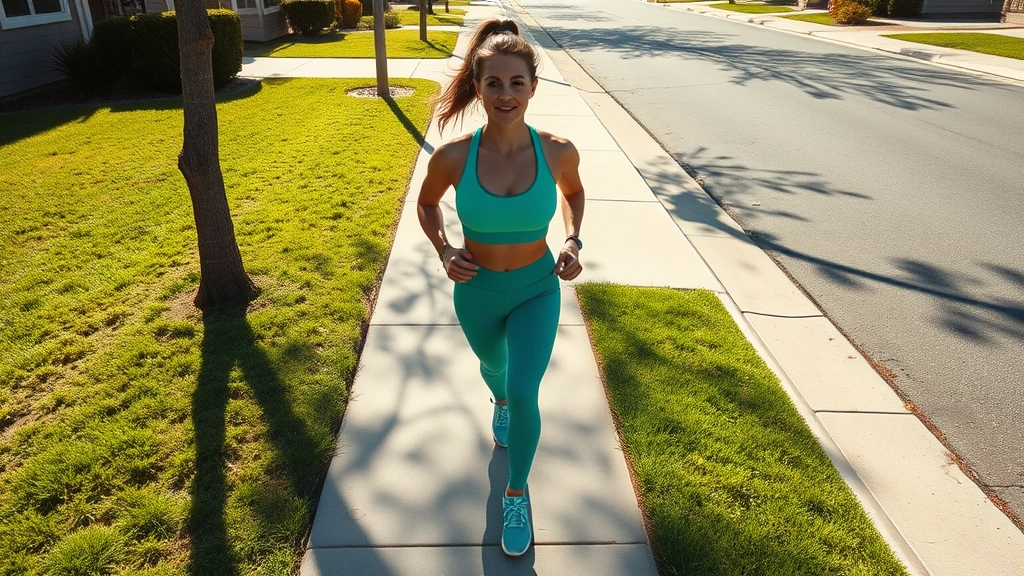
The standard walking speed for adults ranges from 3 to 4 miles per hour on flat terrain. This baseline measurement helps calculate theoretical completion times: at 3 mph, a 10-mile walk takes approximately 3 hours and 20 minutes; at 4 mph, you’d finish in 2 hours and 30 minutes. However, these calculations assume consistent pace throughout, which rarely happens in real-world walking scenarios.
Most beginners naturally walk at the slower end of this spectrum—around 2.5 to 3 mph—which translates to 3.5 to 4 hours for 10 miles. This is perfectly normal and healthy. The key is finding your sustainable pace, the speed you can maintain for extended periods without excessive fatigue. Pushing yourself too hard early on leads to burnout and potential injury, which derails your progress far more than a slower initial pace.
According to the American Heart Association, moderate-intensity walking at 3 to 4 mph provides excellent cardiovascular benefits. Your individual pace depends on age, current fitness level, body composition, and walking experience. As you build endurance through consistent training, your comfortable pace naturally increases.
Factors That Affect Your Walking Pace
Age and Physical Fitness: Younger, more active individuals typically walk faster than older adults or sedentary people. However, age alone doesn’t determine pace—a 65-year-old who walks regularly may outpace a sedentary 30-year-old. Your baseline cardiovascular fitness, leg strength, and overall health matter far more than chronological age.
Body Weight and Composition: Carrying excess weight requires more energy and effort, naturally slowing your pace. This doesn’t mean heavier individuals can’t walk 10 miles; it simply means they may need more time and should progress gradually to avoid joint stress and injury.
Footwear Quality: Proper walking shoes dramatically impact comfort and speed. Worn-out shoes or inappropriate footwear causes discomfort that forces you to slow down and increases injury risk. Invest in quality walking shoes with adequate cushioning and support—this is one of the best decisions for your walking journey.
Hydration and Nutrition: Walking for 3-4 hours depletes energy stores and fluids. Dehydration causes fatigue, headaches, and reduced performance. Proper pre-walk nutrition and strategic hydration during the walk significantly impact your pace and completion time. A light meal 2-3 hours before walking, plus water and electrolytes during the walk, keeps energy levels stable.
Mental Factors: Motivation, confidence, and mental resilience affect pace more than many realize. Walking with a group, listening to music or podcasts, or setting achievable mile markers helps maintain momentum and prevents mental fatigue from slowing you down.
If you’re interested in other long-term fitness goals, exploring how long to learn Spanish offers similar insights into goal-setting and incremental progress—both activities reward consistent effort over time.
Time Estimates by Fitness Level
Sedentary Beginners: If you’re currently inactive, expect 4 to 4.5 hours for 10 miles at a pace of 2.2 to 2.5 mph. Don’t attempt this distance immediately; build up gradually over 8-12 weeks. Start with 2-3 mile walks, progressively increasing distance by 10-15% weekly.
Moderately Active Beginners: If you walk occasionally or do light exercise, aim for 3.5 to 4 hours at 2.5 to 3 mph. You can likely reach 10 miles with 4-6 weeks of consistent training, assuming 3-4 walks weekly.
Regular Walkers: Those already walking 3-4 times weekly should complete 10 miles in 2.5 to 3.5 hours at 3 to 4 mph. Your body has adapted to extended walking, though 10 miles still represents a significant challenge if you haven’t trained specifically for this distance.
Experienced Hikers/Walkers: People with substantial walking experience might finish in 2 to 2.5 hours at 4 to 5 mph. These individuals have developed considerable cardiovascular fitness and lower-body strength, plus mental toughness from previous long-distance efforts.
Your fitness level isn’t fixed—it improves remarkably quickly with consistent training. Many beginners surprise themselves with how much faster they walk after just 4-6 weeks of regular practice. The complete guide to DIY projects approach works for fitness too: break the big goal into manageable steps, execute consistently, and celebrate incremental progress.
Training and Preparation Strategies
Progressive Distance Building: The most effective approach involves gradually increasing weekly walking distance. Week 1-2: walk 2-3 miles at a comfortable pace three times weekly. Week 3-4: increase to 3-4 miles. Week 5-6: add a longer walk of 5-6 miles once weekly while maintaining shorter walks. Week 7-8: push the long walk to 7-8 miles. Week 9-10: reach 9-10 miles. This gradual progression prevents injury while building aerobic capacity and muscular endurance.
Pace Training: Don’t assume you’ll walk at the same pace for the entire 10 miles. Train using intervals: walk 2 miles at comfortable pace, then 1 mile at slightly faster pace, then return to comfortable pace. This builds speed capacity without burning out. Alternatively, practice negative splits—deliberately walk the second half faster than the first half—to finish strong.
Long Walk Practice: Include one longer walk weekly. This teaches your body and mind to handle extended effort. Your long walk should be 80-90% of your target distance before attempting the full 10 miles. Practicing at 8-9 miles builds confidence and reveals any issues with gear, nutrition, or pacing before race day.
Strength and Flexibility Work: Walking-specific strength training prevents injury and improves pace. Bodyweight exercises like lunges, squats, calf raises, and step-ups strengthen legs and glutes. Core work—planks, bridges, dead bugs—improves posture and efficiency. Stretching hip flexors, hamstrings, and calves maintains mobility and prevents tightness that slows you down.
Terrain and Environmental Considerations
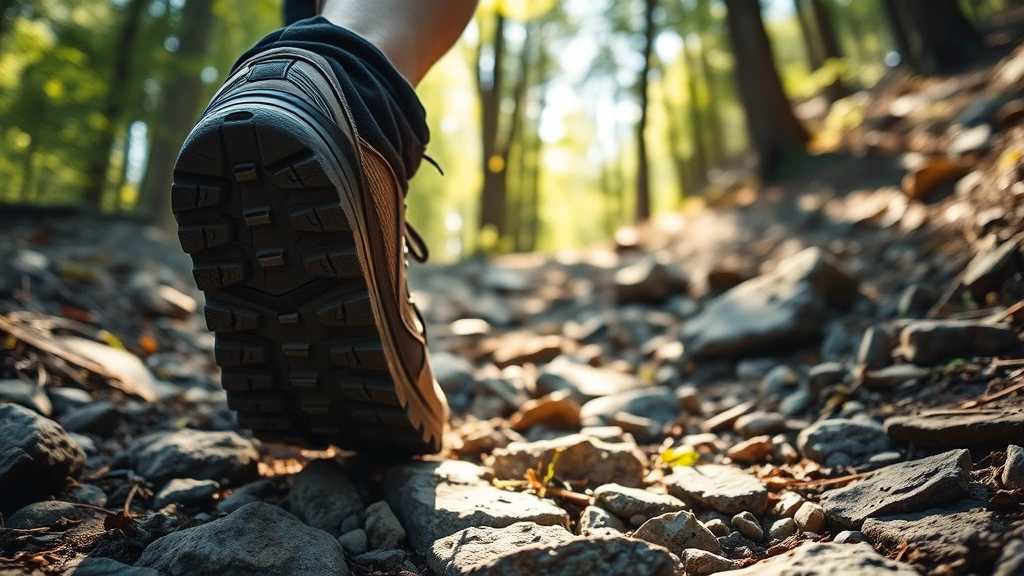
Flat vs. Hilly Terrain: Flat pavement allows fastest walking speeds. Every hill significantly slows pace—a modest 5% grade reduces speed by roughly 10-15%. A 10-mile walk on rolling hills takes 30-45 minutes longer than the same distance on flat ground. If your planned route includes hills, train on similar terrain and expect slower overall times. Mountain trails or steep hiking slows pace even further, potentially doubling the time needed.
Surface Type: Concrete and asphalt are fastest but hardest on joints. Packed dirt trails and gravel paths slow pace slightly while reducing impact. Soft surfaces like sand or grass dramatically slow walking speed. For 10 miles on sand, add 20-30 minutes to your time estimate. Always practice on the actual surface you’ll walk if possible.
Weather Conditions: Heat is the primary weather concern. Walking in temperatures above 80°F increases perceived effort, forces slower pace, and requires more frequent breaks and hydration. Cold weather actually improves pace for most people, though icy or snowy conditions make footing treacherous and slow progress. Wind also impacts pace—strong headwinds significantly slow speed, while tailwinds provide minor assistance.
Time of Day: Walking early morning or late evening avoids heat, which is especially important for beginners. Morning walks often feel harder initially but improve throughout the week as your body adapts to early activity. Evening walks may feel easier but can disrupt sleep if done too late.
Similar to how comprehensive home security planning requires environmental assessment, successful long-distance walking requires understanding your route’s challenges beforehand. Scout your 10-mile route in advance, noting hills, water fountains, rest areas, and shade opportunities.
Recovery and Rest Days
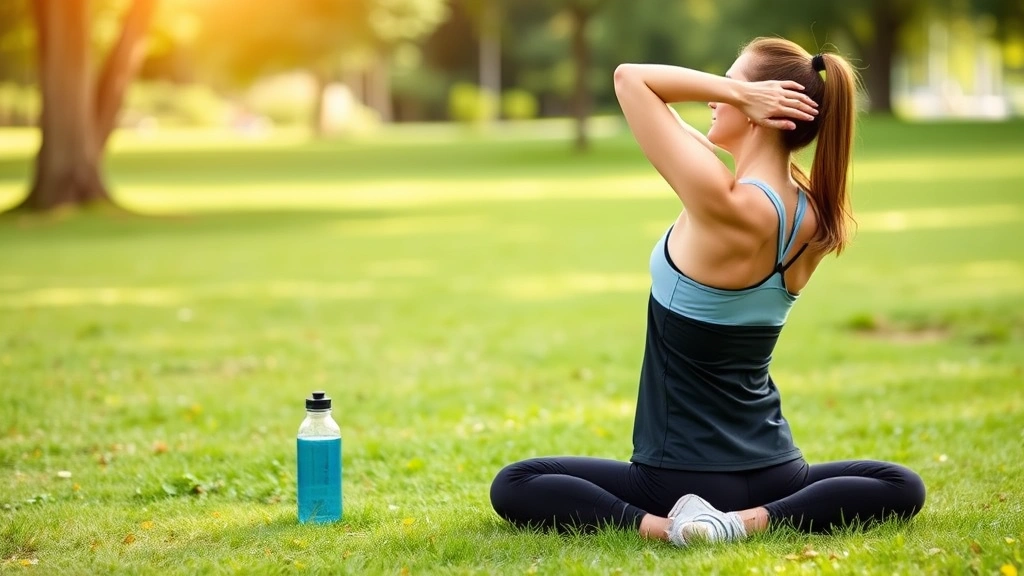
Active Recovery: Rest days aren’t complete inactivity. Light walking, swimming, or cycling on non-walking days promotes blood flow and accelerates recovery without taxing your system. Many beginners find that active recovery actually improves next-day performance.
Sleep and Nutrition: Walking 10 miles depletes glycogen stores and creates microscopic muscle damage that requires repair. Adequate sleep (7-9 hours nightly) and proper nutrition accelerate recovery. Post-walk meals should include carbohydrates for glycogen replenishment and protein for muscle repair. Chocolate milk, turkey sandwiches, or eggs with toast all work excellently.
Injury Prevention: Listen to your body. Minor soreness is normal; sharp pain is not. If something hurts during walking, stop and assess. Continuing through pain often transforms minor issues into significant injuries. Foam rolling, stretching, and ice baths help recovery, though scientific evidence shows their benefits are modest. The best recovery tool is consistent, gradual training that doesn’t exceed your current capacity.
Motivation and Consistency: The real secret to successfully completing a 10-mile walk is showing up consistently. Walking three times weekly for 8-10 weeks transforms your body and mind far more than sporadic long walks. Create accountability by walking with friends, joining a walking group, or tracking progress in a fitness app. Celebrate weekly achievements rather than fixating only on the final 10-mile goal.
For more insights into achieving ambitious goals through sustained effort, check out DIY car repairs for beginners—both walking training and mechanical skills improve through patient, incremental practice rather than rushing.
FAQ
Can beginners walk 10 miles without training?
Technically yes, but it’s not recommended. Attempting 10 miles without preparation risks blisters, joint pain, and muscle soreness that sidelines you for days. Proper training over 8-10 weeks makes the experience far more enjoyable and sustainable. If you have no other option, at minimum complete several 5-6 mile walks first to understand your pace and identify gear issues.
What’s the difference between walking and hiking for 10 miles?
Walking typically refers to paved surfaces or well-maintained trails at steady pace. Hiking usually involves rougher terrain, elevation gain, and more variable pace. A 10-mile hike takes significantly longer than a 10-mile walk—potentially 5-7 hours depending on terrain difficulty. If you’re training for hiking, incorporate hill work and uneven surfaces into training.
How should I pace myself during a 10-mile walk?
Start conservatively—the first 2-3 miles should feel easy. Gradually increase pace during miles 3-7 as your body warms up. Miles 7-9 are typically hardest mentally; use mile markers or podcasts for motivation. The final mile often brings a natural energy boost. Never sprint the first mile; you’ll pay for it later. Aim for consistent, sustainable pace throughout.
What should I eat and drink during a 10-mile walk?
For walks under 2 hours, water alone is adequate. For 2-4 hour walks, consume 150-200 calories of carbohydrates hourly—energy gels, sports drinks, bananas, or pretzels work well. Electrolyte drinks (containing sodium) are superior to plain water for walks exceeding 2 hours. Drink 4-8 ounces of fluid every 15-20 minutes rather than gulping large amounts infrequently. Practice your nutrition strategy during training walks, never for the first time during your 10-mile attempt.
How do I prevent blisters during long walks?
Proper footwear is paramount—shoes should be broken in but not worn out. Moisture management matters: wear moisture-wicking socks (not cotton) and keep feet dry. Apply blister prevention products like Moleskin to hot spots before they become blisters. Ensure toenails are trimmed short. If a blister forms during walking, stop immediately and address it with medical tape or blister pads. Prevention is far easier than treating blisters mid-walk.
Is it better to walk with others or alone?
Both approaches have benefits. Walking with others provides motivation, safety, and social enjoyment. Alone walks allow complete control of pace and provide mental clarity. Many successful walkers use both approaches: long training walks with a group for motivation, occasional solo walks to practice pacing and build mental toughness. Experiment to find what works for your personality and schedule.


