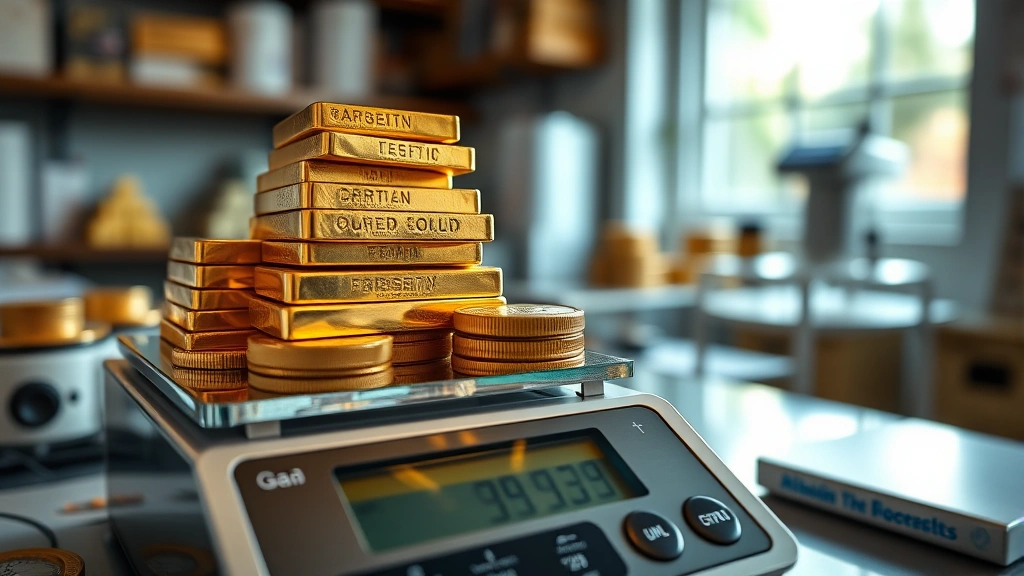
Gold Weight Conversion: Ounces in a Pound Explained
Understanding gold weight measurements is essential for anyone involved in precious metal trading, jewelry making, or investment. The question “how many ounces to a pound of gold” seems straightforward, but the answer involves understanding two different measurement systems that often confuse buyers and sellers alike. Gold is unique in that it’s measured using both avoirdupois ounces (the standard in the United States) and troy ounces (the international standard for precious metals).
Whether you’re a hobbyist jeweler, an investor, or someone interested in building your precious metals portfolio, grasping these conversion fundamentals will save you money and prevent costly mistakes. This comprehensive guide breaks down the conversion process, explains the differences between measurement systems, and provides practical examples you’ll encounter in real-world transactions.
Understanding Avoirdupois vs Troy Ounces
The confusion surrounding gold weight conversions stems from two distinct weighing systems used globally. The avoirdupois system, commonly used in the United States for everyday items, defines one pound as containing exactly 16 ounces. This is the system you use when weighing groceries, packages, or body weight. However, precious metals including gold operate under a completely different standard.
The troy weight system originated in Troyes, France, during medieval times and became the international standard for precious metals, gemstones, and pharmaceutical ingredients. In the troy system, one pound contains 12 troy ounces, making each troy ounce heavier than its avoirdupois counterpart. One troy ounce equals approximately 31.1035 grams, while one avoirdupois ounce equals only 28.3495 grams. This 10% difference is significant when dealing with expensive commodities like gold.
Understanding this distinction is crucial when you’re working on DIY projects involving precious metal work or managing investments. Many beginners make the mistake of assuming standard pound-to-ounce conversions apply to gold, leading to substantial financial errors.
The Basic Conversion: How Many Ounces in a Pound
The direct answer to “how many ounces to a pound of gold” depends entirely on which measurement system you’re using. If you’re asking about troy ounces, which is the correct system for gold, the answer is 12 troy ounces per troy pound. If you mistakenly use avoirdupois measurements, you’d get 16 ounces per pound, but this is incorrect for precious metals transactions.
To convert between the systems: one troy pound equals 373.2417 grams, while one avoirdupois pound equals 453.5924 grams. The difference represents about 80 grams or roughly 2.57 troy ounces. When dealing with gold priced at $2,000 per troy ounce, this mistake could cost you over $5,000 on a single pound transaction.
For practical purposes, when gold dealers and refiners quote prices, they always use troy ounces and troy pounds. The National Institute of Standards and Technology (NIST) maintains official standards for all U.S. weight measurements, including troy weights used in precious metals.
Troy Ounces and Gold Standards
Gold’s value is universally quoted in troy ounces per unit, making this the essential measurement for anyone buying, selling, or investing in gold. The London Bullion Market Association (LBMA) sets international gold standards and price benchmarks using troy ounces exclusively. When you see gold prices quoted as “$2,050 per ounce,” that always refers to troy ounces, never avoirdupois ounces.
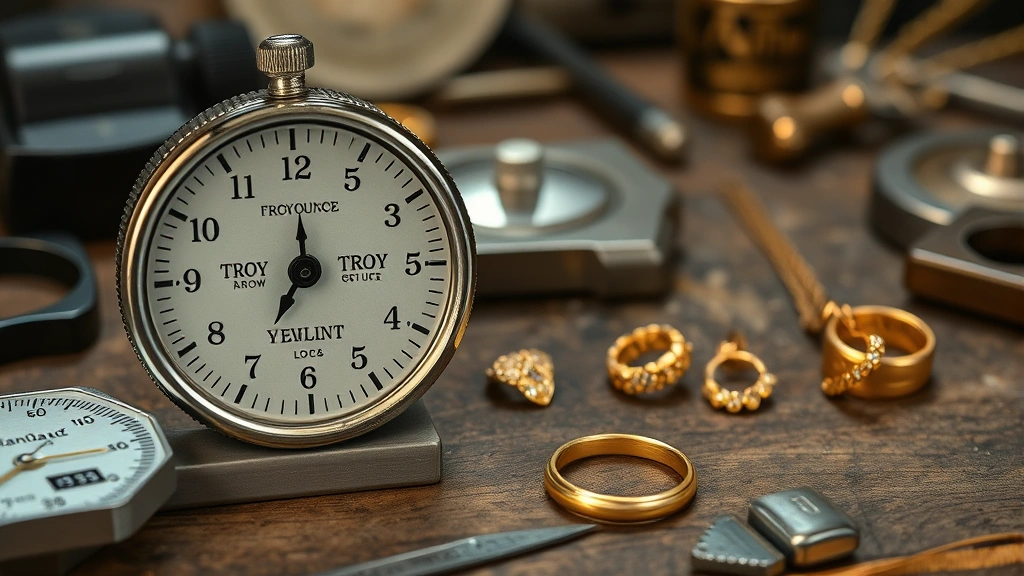
The troy ounce system also includes the troy pound (12 troy ounces), troy pennyweight (1/20 troy ounce), and grains (1/24 pennyweight). Jewelry makers frequently work with pennyweights and grams, so understanding the complete troy system is valuable. One troy pound of gold contains 5,760 grains, and there are 480 grains in each troy ounce.
Gold’s London Bullion Market Association standards specify exact purity requirements for investment-grade gold bars and coins. When building your investment portfolio or working on home security planning that includes safe storage, understanding these standards helps you verify authenticity and value.
Practical Conversion Examples
Let’s work through real-world scenarios to solidify your understanding. Example 1: Converting troy pounds to troy ounces. If you purchase 2 troy pounds of gold bullion, you’re acquiring 24 troy ounces (2 × 12 = 24). At $2,050 per troy ounce, your total gold value is $49,200 before any premiums or dealer fees.
Example 2: Converting grams to troy ounces. A common gold bar weighs 250 grams. To convert to troy ounces, divide 250 by 31.1035 (grams per troy ounce), yielding approximately 8.04 troy ounces. This gold bar is worth roughly $16,482 at current market pricing.
Example 3: Jewelry weight conversion. A custom gold necklace weighs 45 grams. Dividing by 31.1035 gives you 1.45 troy ounces. If the gold is 14-karat (58.3% pure), the actual gold content is approximately 0.85 troy ounces, worth roughly $1,742.50 at spot prices.
Example 4: The avoirdupois mistake. Someone purchases what they believe is “one pound of gold” using avoirdupois measurements (16 ounces). They actually receive only 14.58 troy ounces, losing approximately 1.42 troy ounces (about $2,911) compared to a true troy pound. This error happens frequently with inexperienced buyers.
Gold Pricing and Weight Calculations
Gold pricing directly correlates with accurate weight measurement. The spot price of gold fluctuates constantly based on market conditions, geopolitical factors, and currency values. Major precious metals dealers publish live prices per troy ounce, and all transactions are calculated using troy weights exclusively.
When you’re calculating the value of gold jewelry or scrap gold, precise weight measurement is non-negotiable. A digital scale accurate to 0.1 grams is essential for any serious gold work. Many jewelry refiners use scales accurate to 0.01 grams to ensure fair pricing. If you’re learning new skills like jewelry making, investing in proper measurement equipment is a foundational step.
Professional gold dealers use calibrated scales certified by NIST standards to ensure transaction accuracy. These scales are regularly verified and adjusted to maintain precision within acceptable tolerances. For large transactions involving multiple pounds of gold, even tiny measurement errors translate to significant financial differences.
Tools and Methods for Accurate Conversions
Several tools and methods help ensure accurate gold weight conversions. Digital conversion calculators specifically designed for precious metals are readily available online and as mobile applications. These tools allow you to input weight in grams, avoirdupois ounces, troy ounces, or pennyweights and instantly convert between all systems.
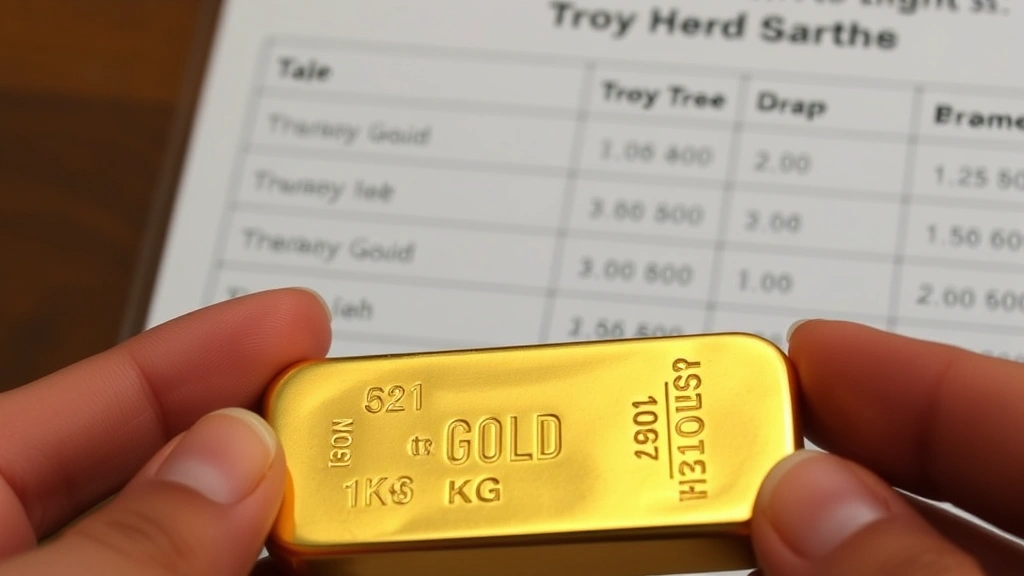
A physical conversion chart printed and laminated for your workshop is invaluable. These charts display common conversions at a glance without requiring calculator access. Many jewelry supply companies and precious metals dealers provide free conversion charts with their materials.
Spreadsheet software like Excel enables you to create custom conversion calculators for your specific needs. Simple formulas multiply or divide by conversion factors, allowing batch conversions of multiple gold items simultaneously. This approach is particularly useful if you regularly process gold inventory.
The U.S. Geological Survey provides official conversion information for precious metals measurements. Their resources explain the historical context and practical applications of troy weight in modern commerce.
Understanding metric conversions is equally important. The metric system is universally used in international gold trading. One kilogram equals 32.1507 troy ounces, so a 1-kilogram gold bar contains approximately 32.15 troy ounces. Most modern gold bars sold internationally use metric measurements printed on their surfaces.
Common Mistakes to Avoid
The most prevalent error involves confusing avoirdupois and troy measurements. Never assume standard pound-to-ounce ratios apply to gold. Always verify that quotes and transactions specifically reference troy measurements. If a dealer quotes gold in avoirdupois ounces, it’s a red flag indicating either inexperience or intentional deception.
Another common mistake is failing to account for gold purity. A “pound of gold” might not be pure gold. Jewelry typically ranges from 10-karat to 24-karat purity, with 24-karat being 100% pure. Eighteen-karat gold is 75% pure, 14-karat is 58.3% pure, and 10-karat is 41.7% pure. When calculating actual gold value, you must multiply the total weight by the purity percentage.
Rounding errors accumulate when processing multiple gold items. Always carry calculations to at least two decimal places for troy ounces. When converting grams to troy ounces, use the precise conversion factor 31.1035 rather than rounding to 31. Over thousands of dollars in transactions, this precision matters significantly.
Overlooking dealer premiums and fees is another critical mistake. The spot price represents the raw commodity value. Dealers add premiums for fabrication, distribution, and profit. A gold coin might cost 5-10% above spot price, while scrap gold might be purchased at 1-3% below spot price. Understanding these market practices prevents disappointment when selling.
Failing to verify scale calibration leads to inaccurate measurements and disputes. Before any significant transaction, request that scales be calibrated in your presence or provide documentation of recent certification. For large transactions, consider using the dealer’s certified scale and requesting a detailed weight receipt.
FAQ
How many troy ounces are in one pound of gold?
One troy pound of gold contains exactly 12 troy ounces. This is different from avoirdupois pounds, which contain 16 ounces. Always ensure gold transactions use troy measurements exclusively.
Is there a difference between gold ounces and regular ounces?
Yes, significant differences exist. Gold uses troy ounces (31.1035 grams each), while regular avoirdupois ounces weigh 28.3495 grams each. For precious metals, troy ounces are the only correct measurement system.
How do I convert grams to troy ounces?
Divide the gram weight by 31.1035 to get troy ounces. For example, 100 grams ÷ 31.1035 = 3.215 troy ounces. This conversion is essential for understanding modern gold bar weights.
What’s the current price of gold per ounce?
Gold prices fluctuate constantly based on market conditions. Check Kitco Metals or the London Bullion Market Association for current spot prices. Prices are always quoted in troy ounces per unit.
How much does a pound of gold weigh in grams?
One troy pound of gold weighs 373.2417 grams. One avoirdupois pound weighs 453.5924 grams. For precious metals work, always use troy pound measurements (373.24 grams).
Can I use a regular kitchen scale for gold weighing?
Kitchen scales lack the precision required for accurate gold transactions. You need scales accurate to at least 0.1 grams, preferably 0.01 grams. Invest in a dedicated precious metals scale for reliable measurements.
Why is gold measured in troy ounces instead of regular ounces?
The troy system originated in medieval times and became the international standard for precious metals, gemstones, and pharmaceuticals. This historical standard persists because it’s universally recognized and prevents measurement confusion in international commerce.


