Bathroom Addition Costs: Expert Breakdown
Adding a bathroom to your home is one of the most valuable home improvement investments you can make. Whether you’re expanding your family, increasing property value, or simply addressing a critical need, understanding how much it costs to add a bathroom is essential for budgeting and planning. The reality is that bathroom addition costs vary dramatically based on location, scope, materials, and labor rates, making it crucial to understand the breakdown before committing to this significant project.
A full bathroom addition typically ranges from $15,000 to $50,000, though luxury installations can exceed $100,000. This comprehensive guide walks you through every cost component, helping you make informed decisions whether you’re tackling this as a DIY project or hiring professionals. We’ll explore labor costs, materials, permits, and strategies to maximize your investment while maintaining quality and safety standards.
Factors Affecting Bathroom Addition Costs
The cost to add a bathroom depends on multiple interconnected variables. Location is perhaps the most significant factor—adding a bathroom in San Francisco will cost substantially more than the same project in rural Indiana due to labor rates, material availability, and local market conditions. Urban areas typically see 30-50% higher costs than suburban or rural regions.
Space location matters enormously. Adding a bathroom adjacent to existing plumbing (such as near a kitchen or current bathroom) costs significantly less than creating one in a remote corner requiring extensive new water lines and drain systems. A half-bath costs roughly 40-60% less than a full bathroom since it requires no shower or bathtub plumbing.
The existing home infrastructure plays a critical role. Older homes with outdated plumbing, electrical systems, or structural issues require more extensive (and expensive) upgrades. You may discover hidden problems like asbestos, lead paint, or foundation issues that inflate costs dramatically. Modern homes with accessible utility lines and updated systems make additions considerably more affordable.
Square footage directly impacts pricing. A 35-50 square foot half-bath costs less than a 75-100 square foot full bathroom with both shower and tub. Larger spaces require more materials, more complex layouts, and additional ventilation considerations.
Labor Costs Breakdown
Labor typically represents 40-60% of your total bathroom addition budget. This includes plumbers, electricians, carpenters, tile specialists, and general contractors. Understanding what each professional charges helps you budget accurately and identify potential savings.
Plumbing labor is usually the most expensive trade. A licensed plumber charges $75-150 per hour, with bathroom additions requiring 60-120 hours of work. This covers water supply line installation, drain system creation, fixture hookups, and ventilation ducting. Complex additions with island locations or multiple fixtures push these hours higher.
Electrical work for bathroom additions costs $50-100 per hour for licensed electricians. Bathrooms require dedicated circuits, GFCI outlets, ventilation fan wiring, and potentially lighting upgrades. Most bathroom additions need 20-40 hours of electrical work, translating to $1,000-4,000 in labor alone.
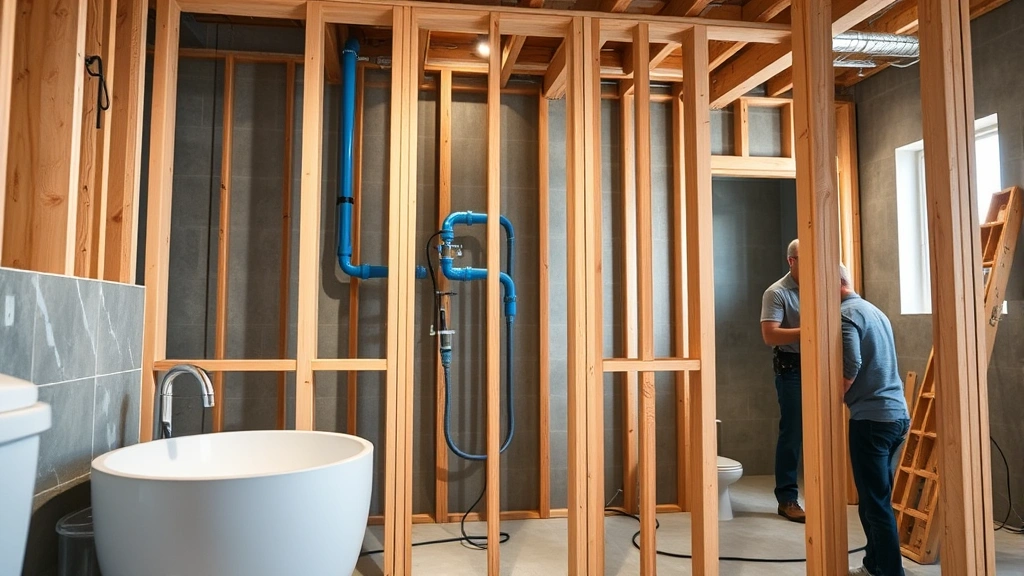
Carpentry and framing labor runs $40-80 per hour. Creating a new bathroom requires framing walls, installing backing for fixtures, creating niches, and building shower enclosures. This work typically requires 40-80 hours depending on complexity.
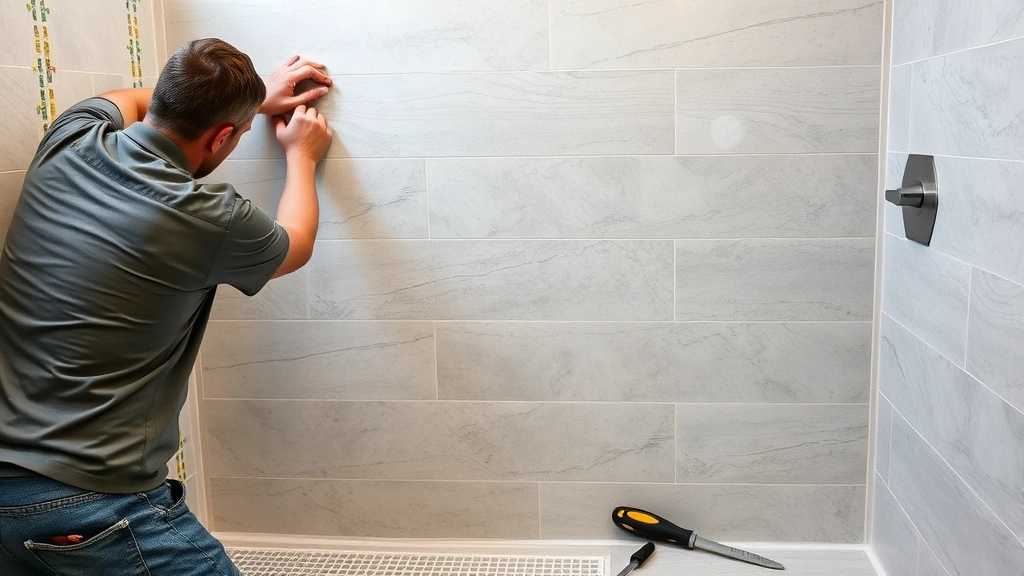
Tile installation is specialized work commanding $8-20 per square foot in labor. A full bathroom with 200-300 square feet of tile coverage means $1,600-6,000 in tile labor alone. This is why many homeowners explore alternative finishing methods for basement spaces, though bathroom-specific waterproofing requirements make professional tile work advisable.
General contractor overhead typically adds 10-20% to total labor costs for project management, scheduling, and coordination.
Materials and Fixtures Pricing
Material costs vary enormously based on quality levels and aesthetic choices. Budget, mid-range, and luxury options create three distinct price tiers.
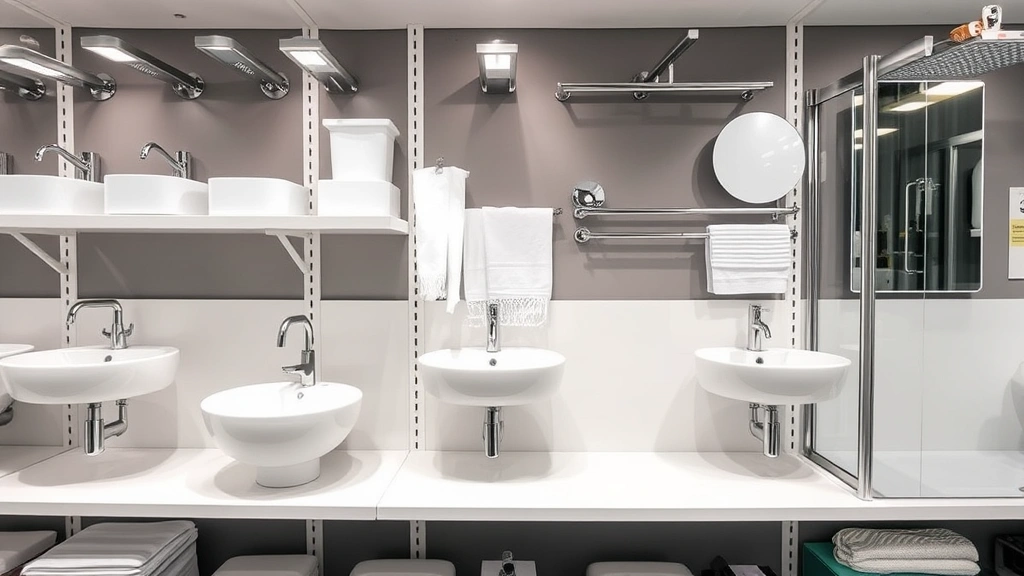
Fixtures represent a major expense category. A basic toilet costs $100-300, while designer models run $400-1,200. Vanities range from $200 for builder-grade models to $2,000+ for custom cabinetry. Faucets span $100-800 depending on brand and features. A standard shower/tub combination runs $300-800, while high-end soaking tubs or custom steam showers reach $3,000-8,000.
Tile and surfacing materials vary widely. Ceramic tile costs $1-8 per square foot, porcelain runs $3-15 per square foot, and natural stone (marble, granite, slate) spans $5-50+ per square foot. Flooring tile typically costs more than wall tile due to durability requirements. Grout, sealant, and installation materials add another $200-500.
Lighting fixtures range from $50 for basic vanity lights to $500+ for designer sconces and statement pieces. Most bathroom additions need 3-5 light fixtures plus mirrors.
Ventilation fans cost $100-400 for quality units that meet building codes. Moisture control is critical in bathrooms, making proper ventilation essential for preventing mold and structural damage.
Drywall, insulation, and waterproofing materials typically cost $500-1,500 for a standard bathroom. Cement board, membrane waterproofing, and vapor barriers are non-negotiable safety investments.
Permits and Regulations
Building permits for bathroom additions cost $200-1,000 depending on your jurisdiction and project scope. While this seems like an easy expense to skip, unpermitted work creates serious problems. Permits ensure your bathroom meets current building codes, safety standards, and plumbing regulations. They also protect your home’s resale value and insurance coverage.
Permit requirements vary by location. Most jurisdictions require permits for any new bathroom, major plumbing changes, or electrical upgrades. Inspections occur at framing, rough-in (plumbing/electrical), and final stages. These inspections verify compliance with the International Building Code (IBC) and local amendments.
Ventilation requirements mandate that bathrooms have either windows meeting specific size requirements or mechanical exhaust fans vented to the exterior. The ICC Building Code specifies minimum air changes per hour (typically 20 CFM minimum or 5 air changes hourly).
Plumbing codes establish minimum distances between fixtures, slope requirements for drain lines, trap requirements, and vent stack sizing. These aren’t arbitrary—they prevent sewer gas infiltration, water backup, and health hazards.
Electrical codes require GFCI protection on all outlets within 6 feet of water sources, proper grounding, and dedicated circuits for certain loads. NFPA 70 (National Electrical Code) governs these requirements.
Waterproofing standards demand proper membrane installation in shower enclosures and wet areas. Cement board, waterproof drywall, and membrane systems must be installed per manufacturer specifications and building codes.
Hidden Costs and Contingencies
Contingency reserves of 15-20% are essential for bathroom additions. Hidden costs frequently surprise homeowners unprepared for unexpected discoveries.
Structural issues commonly arise during demolition. Rotted framing, foundation problems, or asbestos-containing materials require remediation before proceeding. Asbestos abatement alone costs $2,000-5,000 professionally. Lead paint removal or encapsulation adds $500-2,000.
Plumbing complications frequently inflate costs. If existing main drains require relocation, if you need to upgrade undersized water lines, or if you discover cast iron pipes needing replacement, expect $1,000-4,000 in additional plumbing work. Sewer line issues are particularly expensive.
Electrical upgrades may be necessary. Older homes with 60-amp service or insufficient circuits might need panel upgrades ($1,500-3,000) or new circuits ($500-1,500 per circuit).
Mold remediation becomes critical if water damage is discovered. Professional mold removal costs $500-6,000 depending on extent.
Structural modifications sometimes require engineer consultation or building department approval, adding $500-2,000.
Tile and fixture damage during installation occasionally requires replacements ($200-1,000).
Schedule delays from supply chain issues, weather, or contractor availability may extend project timelines, increasing labor costs.
Cost Reduction Strategies
Strategic choices help reduce bathroom addition costs without compromising quality or safety. Location optimization is the single biggest money-saver. Placing your new bathroom adjacent to existing plumbing saves thousands in supply and drain lines. Stacking bathrooms vertically (one above another) maximizes plumbing efficiency.
Choosing a half-bath instead of a full bathroom reduces costs 40-60%. Half-baths are perfect for guest areas and still significantly boost home value and convenience.
Standard fixture selections cost substantially less than designer options. Mid-range fixtures from established brands offer excellent quality at 30-50% lower prices than premium alternatives. Avoid trendy finishes that may look dated quickly.
Simpler tile choices reduce costs. Ceramic tile costs 60-80% less than natural stone while offering excellent durability for bathrooms. Larger tiles require less grout and labor, reducing costs further.
DIY where appropriate can save labor costs, though bathroom work requires licensed professionals for plumbing and electrical. You might handle demolition, painting, simple tile work, or fixture installation if you have relevant skills. However, improper plumbing or electrical work creates safety hazards and code violations. Don’t compromise on professional work for critical systems.
Timing your project during contractor slow seasons (winter, early spring) may yield better pricing and faster scheduling.
Bulk purchasing materials directly can save 10-15% on fixtures and supplies compared to contractor markups.
ROI and Value Considerations
Bathroom additions typically return 50-80% of costs in home value increase, making them solid investments. A $25,000 bathroom addition might increase home value by $12,500-20,000. This varies by market, home price point, and quality of work.
Luxury bathrooms in modest homes don’t return proportional value. A $50,000 spa bathroom in a $200,000 home creates an imbalance. Conversely, a quality mid-range bathroom in a $400,000+ home returns excellent value.
Functional bathrooms (proper ventilation, quality plumbing, adequate lighting) return better value than cosmetic upgrades. Buyers prioritize functionality and safety over granite counters and designer fixtures.
The National Association of Realtors reports that bathrooms are among the highest-ROI home improvements, second only to kitchen renovations. Each additional bathroom adds significant appeal to buyers.
Beyond financial ROI, bathroom additions improve quality of life. Multi-bathroom homes reduce morning congestion, increase convenience, and improve guest accommodation. These lifestyle benefits often justify the investment independent of resale value.
If you’re planning comprehensive home improvements, consider how a bathroom addition fits into your overall strategy. Similar to strategic home security upgrades, bathroom additions are foundational improvements that enhance both daily living and property value.
FAQ
What’s the average cost to add a bathroom?
Average bathroom additions cost $15,000-50,000 depending on location, size, and quality levels. Half-baths run $8,000-25,000 while luxury full bathrooms exceed $75,000. Your specific costs depend on local labor rates, fixture selections, and existing infrastructure.
Can I add a bathroom without a permit?
Technically yes, but it’s strongly inadvisable. Unpermitted work voids home insurance coverage, creates liability issues, fails home inspections during resale, and violates building codes. Permits ensure safety compliance and protect your investment. The permit cost ($200-1,000) is minimal compared to potential problems.
How long does a bathroom addition take?
Simple bathroom additions require 4-8 weeks from start to finish. Complex projects with structural changes, unexpected complications, or custom features take 8-16 weeks. Timeline depends on contractor availability, permit processing, material delivery, and inspection schedules.
Is it cheaper to convert a closet into a bathroom?
Converting existing space is sometimes more affordable than building an addition, but not always. Closet conversions save framing costs but still require full plumbing, electrical, ventilation, and waterproofing. Most closet conversions cost $8,000-20,000—less than full additions but more than you might expect.
What plumbing requirements apply to new bathrooms?
Bathrooms require proper drain slope (1/4 inch per foot minimum), trap requirements (P-traps for drains), vent stacks, GFCI-protected outlets, and proper water pressure. Building codes specify these requirements to prevent sewer gas infiltration, water backup, and health hazards. Licensed plumbers ensure compliance.
Do I need a separate electrical circuit for a bathroom?
Yes, most building codes require at least one dedicated 20-amp circuit for bathroom outlets, plus separate circuits for exhaust fans and heated floors if applicable. Proper electrical design prevents overloads and ensures safety with moisture-present environments.
What ventilation is required for a new bathroom?
Bathrooms must have either a window meeting minimum size requirements (typically 10% of floor area) or a mechanical exhaust fan. Exhaust fans must move minimum 20 CFM (cubic feet per minute) or achieve 5 air changes per hour. Proper ventilation prevents mold, moisture damage, and structural deterioration.
Should I hire separate contractors or use a general contractor?
General contractors cost 10-20% more but handle scheduling, permits, inspections, and coordination. This is often worth the premium for complex bathroom additions. If you’re comfortable managing multiple contractors and understand building codes, separate hiring can save money but requires significant project management effort.


