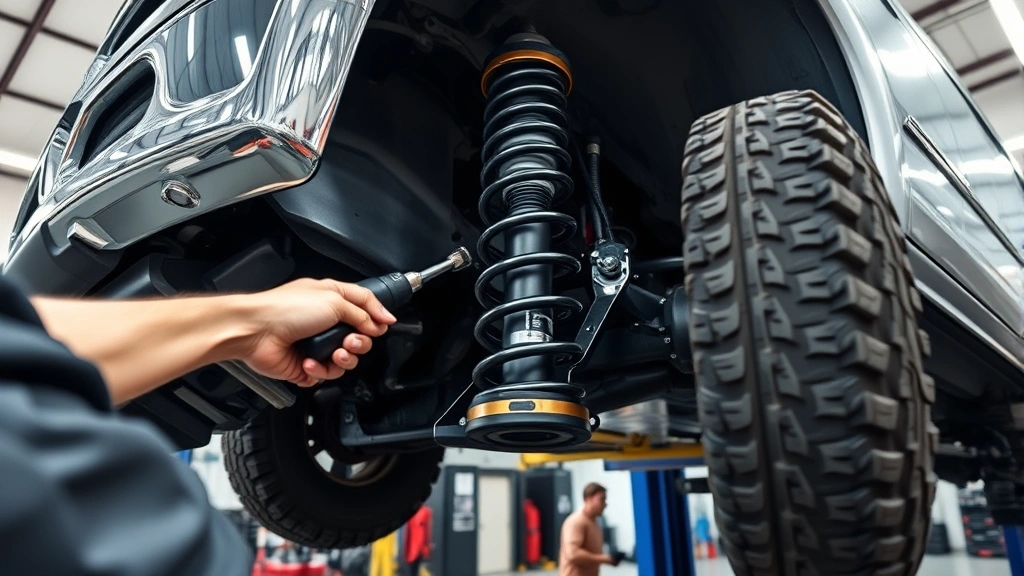
How Much Does It Cost to Lift a Truck? Expert Breakdown Inside
Truck lifting has become increasingly popular among enthusiasts and off-road adventurers seeking enhanced ground clearance, improved aesthetics, and better terrain capability. Whether you’re planning a modest suspension upgrade or a comprehensive lift system installation, understanding the true cost involves examining multiple factors beyond the initial kit price. This guide breaks down every expense you’ll encounter when lifting your truck, from basic lift kits to professional installation labor.
The total investment for lifting a truck typically ranges from $1,500 to $15,000 or more, depending on your chosen system type, vehicle specifications, and whether you opt for DIY installation or professional service. We’ll explore each cost component, helping you make an informed decision that aligns with your budget and performance goals.
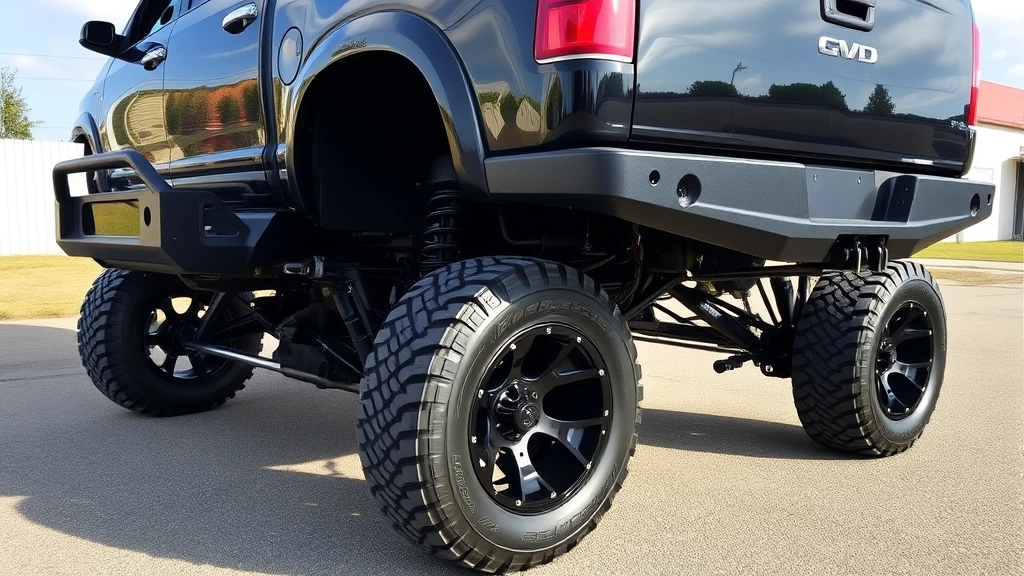
Understanding Lift Kit Types and Price Ranges
The primary factor determining your lift truck cost is the type of suspension system you select. Each category offers distinct advantages, limitations, and price points that directly impact your overall investment.
Spacer Lifts represent the most budget-friendly option, costing between $300 and $800. These simple systems use polyurethane or rubber spacers placed between existing springs and frame components to add 1 to 2 inches of height. While affordable, spacer lifts provide minimal performance improvement and may compromise ride quality. They’re ideal for drivers seeking modest visual enhancement without significant mechanical modification.
Suspension Lifts fall in the mid-range category, typically costing $2,000 to $6,000 depending on lift height and vehicle type. These systems replace factory springs and shocks with upgraded components designed specifically for lifted trucks. A quality suspension lift kit for a full-size pickup truck will deliver 4 to 8 inches of elevation while maintaining improved ride comfort and handling characteristics. The investment includes coil springs, shock absorbers, control arms, and installation hardware engineered to work together as an integrated system.
Air Suspension Systems offer premium functionality at premium prices, ranging from $4,000 to $12,000 before installation. These electronically controlled systems allow drivers to adjust vehicle height on-demand, making them ideal for trucks that balance daily commuting with weekend off-roading. Air suspension provides superior ride quality and load-carrying capacity compared to traditional spring systems.
Coilover Systems combine coil springs with integrated shock absorbers, costing between $3,000 and $8,000 for quality components. Popular among performance-focused truck owners, coilovers offer adjustable ride height and damping capabilities that appeal to those seeking both form and function.
When researching lift kit costs, consult SEMA (Specialty Equipment Market Association) member retailers for verified pricing and authentic product specifications. This ensures you’re comparing genuine components rather than counterfeit alternatives that could compromise safety.

Lift Kit Components and Material Costs
Understanding what comprises your lift kit helps you evaluate whether quoted prices represent fair value. Each component carries distinct manufacturing and material costs that ultimately determine the kit’s overall expense.
Springs and Shock Absorbers represent the largest portion of lift kit expenses, accounting for 40 to 50 percent of total component costs. Heavy-duty coil springs engineered for lifted trucks undergo specialized manufacturing processes including heat treatment and precision machining. Quality shock absorbers feature progressive valving, adjustable damping, and extended stroke lengths to accommodate increased suspension travel. Brands like Bilstein, Fox, and King offer premium shocks costing $300 to $600 each, while economy alternatives range from $100 to $200 per unit.
Control Arms and Brackets require precision fabrication to maintain proper suspension geometry when vehicle height increases. These components typically cost $400 to $1,200 depending on material quality and design complexity. Forged steel control arms withstand significantly greater stresses than stamped alternatives, justifying their premium pricing. Aluminum brackets reduce overall vehicle weight but cost more than steel equivalents.
Bushings and Ball Joints ensure proper suspension articulation and alignment. Quality polyurethane and elastomer bushings cost $200 to $500 for a complete set. Premium options like Teflon-lined spherical bearings exceed $800 but dramatically reduce friction and extend component lifespan.
Driveshaft Modifications become necessary when lift height exceeds 4 inches. Modified or extended driveshafts cost $400 to $1,200 depending on whether existing components can be modified or complete replacement becomes necessary. Improper driveshaft angles introduce vibration and accelerate universal joint wear, making this expense non-negotiable for serious lifts.
Brake Line Extensions and Hoses accommodate increased suspension travel without creating stress on hydraulic lines. These typically cost $150 to $400 for a complete system. Stainless steel braided lines offer superior durability compared to standard rubber alternatives.
Professional Installation Labor Costs
Labor represents a substantial portion of your total lift investment, typically ranging from $1,500 to $4,000 depending on complexity and regional pricing variations. Understanding what professional installation includes helps you determine whether DIY work is feasible for your skill level.
Standard Installation Time averages 8 to 16 hours for mid-range suspension lifts. Experienced technicians working at $100 to $150 per hour will charge $800 to $2,400 for labor alone. Shops in metropolitan areas command premium rates, sometimes exceeding $200 per hour, while rural facilities often charge less.
Alignment Services are essential following any lift installation, costing $150 to $300. Professional four-wheel alignment ensures your truck handles predictably and tire wear remains even. Improper alignment following lift installation accelerates suspension component wear and compromises safety.
Additional Fabrication Work increases labor costs substantially. If your truck requires custom brake line rerouting, driveshaft modifications, or suspension geometry corrections, expect an additional $500 to $2,000 in labor expenses. Some trucks need custom control arm brackets or frame modifications that only experienced fabricators can accomplish safely.
When selecting a professional installer, verify their experience with your specific truck model. Shops specializing in lifted trucks understand model-specific challenges and potential complications that generalist mechanics might overlook. Check online reviews on platforms like Google, Yelp, and industry forums to assess installation quality and customer satisfaction.
Additional Parts and Accessories
Beyond the lift kit itself, numerous complementary upgrades enhance functionality and appearance while adding to your total investment. Many truck owners discover these accessories become necessary or highly desirable once their vehicle is lifted.
Larger Wheels and Tires represent the most visible and expensive accessory upgrade. Quality truck tires cost $150 to $350 each, with a complete set ranging from $600 to $1,400. Wheels add another $400 to $2,000 depending on material, size, and design. Many lifted truck owners choose 33 to 37-inch tires, which significantly impact fuel economy and may require speedometer recalibration.
Bumpers and Protection Equipment change as vehicles become lifted. Front bumpers designed for lifted trucks cost $800 to $2,500, while rear bumpers range from $600 to $2,000. Steel bumpers provide superior protection but add weight, while aluminum alternatives reduce overall vehicle mass at premium pricing. Skid plates protecting fuel tanks and transfer cases cost $400 to $1,200.
Leveling Kits specifically address front-end sagging on trucks with factory designs favoring cargo bed height. These modest 2 to 3-inch front-only lifts cost $400 to $1,200 and improve aesthetics while reducing brake dive during hard stopping. Many truck owners combine leveling kits with rear suspension upgrades for balanced stance.
Lighting Modifications become necessary when suspension height changes affect headlight aim. LED headlight upgrades cost $300 to $800 and improve visibility while reducing power draw compared to factory halogen units. Auxiliary lighting for off-road adventures adds another $400 to $1,500.
Exhaust System Modifications may become necessary if your lifted truck’s increased height creates ground clearance issues. Relocating or modifying exhaust components costs $200 to $800 depending on complexity.
Hidden Costs and Maintenance Expenses
Beyond initial installation, lifted trucks incur higher ongoing maintenance costs that compound over vehicle ownership. Understanding these expenses helps you budget realistically for long-term truck ownership.
Tire Wear Acceleration occurs significantly faster on lifted trucks, particularly if alignment isn’t perfect or suspension geometry isn’t optimized. Budget for tire replacement every 30,000 to 40,000 miles rather than the 50,000 to 60,000 miles typical of factory-height trucks. This translates to an additional $1,000 to $2,000 annually in tire expenses.
Suspension Component Replacement becomes necessary as shock absorbers and bushings wear. Quality shocks typically last 50,000 to 80,000 miles before requiring replacement. Budget $1,500 to $3,000 every four to five years for shock and bushing replacement.
Fuel Economy Penalties range from 10 to 25 percent depending on lift height, tire size, and driving conditions. A truck averaging 18 miles per gallon at stock height might drop to 14 miles per gallon when lifted with larger tires. For drivers covering 15,000 annual miles, this translates to an additional $400 to $600 yearly in fuel costs.
Brake Wear Acceleration occurs because lifted trucks with larger tires have greater rotational mass requiring increased braking force. Budget for brake pad replacement every 30,000 to 40,000 miles rather than factory intervals. Annual brake maintenance costs increase by $200 to $400.
Transmission and Engine Stress increases with heavier wheels, tires, and suspension components. Automatic transmissions may require earlier fluid changes, and engines work harder maintaining speed. Budget an additional $200 to $400 annually for preventive maintenance.
Insurance Premium Increases often occur when trucks are modified. Contact your insurance provider before lifting your truck, as some companies charge 5 to 15 percent more for modified vehicles. Annual insurance increases might range from $100 to $300 depending on your carrier and coverage levels.
DIY vs Professional Installation
Deciding whether to tackle lift installation yourself or hire professionals requires honest assessment of your mechanical skills, available tools, and time commitment. This decision significantly impacts total project cost.
DIY Installation Advantages include substantial labor cost savings, typically $1,500 to $3,000. If you possess mechanical aptitude, appropriate tools, and a suitable workspace, DIY installation is feasible for straightforward suspension lifts. Many truck enthusiasts find the hands-on experience rewarding and develop valuable mechanical knowledge.
DIY Installation Challenges include safety risks if work is performed incorrectly. Improper suspension installation compromises vehicle handling, increases accident risk, and may void manufacturer warranties. You’ll need specialized tools including spring compressors, alignment equipment, and torque wrenches. Mistakes requiring professional correction can exceed initial labor savings. If your truck requires custom fabrication or driveshaft modifications, professional expertise becomes essential.
Professional Installation Benefits include warranty protection, guaranteed quality workmanship, and access to specialized diagnostic equipment. Professional shops complete work faster, typically finishing in one to three days rather than weeks of weekend labor. They identify and address potential complications before they become expensive problems. For complex lifts exceeding 6 inches or vehicles requiring extensive modifications, professional installation provides invaluable peace of mind.
Consider a hybrid approach: purchase quality components yourself and hire professionals for critical tasks like alignment, driveshaft modifications, and brake line work. This strategy balances cost savings with professional expertise where it matters most.
For guidance on DIY automotive projects generally, explore our comprehensive DIY Nests Hub Blog covering numerous home and vehicle improvement topics. While truck lifting differs from typical home improvement, understanding DIY methodology applies across projects.
Before beginning any lift installation, consult your truck’s factory service manual and lift kit manufacturer instructions thoroughly. Many lift kit manufacturers provide video tutorials and technical support accessible to DIYers. Online communities dedicated to your specific truck model offer peer advice and troubleshooting assistance.
FAQ
What is the cheapest way to lift a truck?
Spacer lifts offer the most affordable option at $300 to $800, providing 1 to 2 inches of height with minimal installation complexity. However, spacer lifts provide poor ride quality and limited performance benefits. For better value, a basic suspension lift kit with professional installation costs $2,500 to $4,000 total and delivers superior performance and longevity compared to spacer systems.
Can I install a lift kit myself?
Many truck owners successfully install suspension lifts themselves with appropriate tools, mechanical knowledge, and proper workspace. However, alignment, driveshaft modifications, and brake work typically require professional equipment. For your first lift installation, consider professional assistance for critical components while handling simpler tasks yourself to balance cost savings with quality assurance.
Do lifted trucks cost more to insure?
Yes, most insurance companies charge 5 to 15 percent more for lifted vehicles, viewing modifications as increasing accident risk or claim severity. Contact your insurance provider before lifting your truck to understand specific cost impacts. Some insurers specialize in modified vehicles and offer competitive rates for lifted trucks.
How much does a 4-inch lift cost?
A quality 4-inch suspension lift including components and professional installation typically costs $3,500 to $5,500. This assumes your truck requires standard installation without extensive custom fabrication. Budget an additional $500 to $1,500 for alignment, driveshaft modifications, and brake line adjustments.
Will lifting my truck affect its resale value?
Lifted trucks appeal to specific buyer demographics but may reduce appeal to mainstream buyers. Resale value impact depends on local market preferences, lift quality, overall truck condition, and whether modifications are reversible. High-quality professional lifts typically retain value better than budget alternatives or DIY installations.
How often do I need to replace suspension components on a lifted truck?
Shock absorbers typically last 50,000 to 80,000 miles before requiring replacement. Bushings may need replacement every 60,000 to 100,000 miles depending on driving conditions and component quality. More frequent replacement occurs with heavy off-road use or poor maintenance habits. Budget for suspension refreshes every four to five years as part of regular truck maintenance.
What modifications are necessary when lifting a truck?
Essential modifications for lifts exceeding 4 inches include driveshaft extensions or modifications, brake line extensions, and control arm adjustments to maintain proper suspension geometry. Many lifts also require speedometer recalibration if tire size changes significantly. Your lift kit manufacturer and professional installer will identify all necessary modifications specific to your vehicle.


