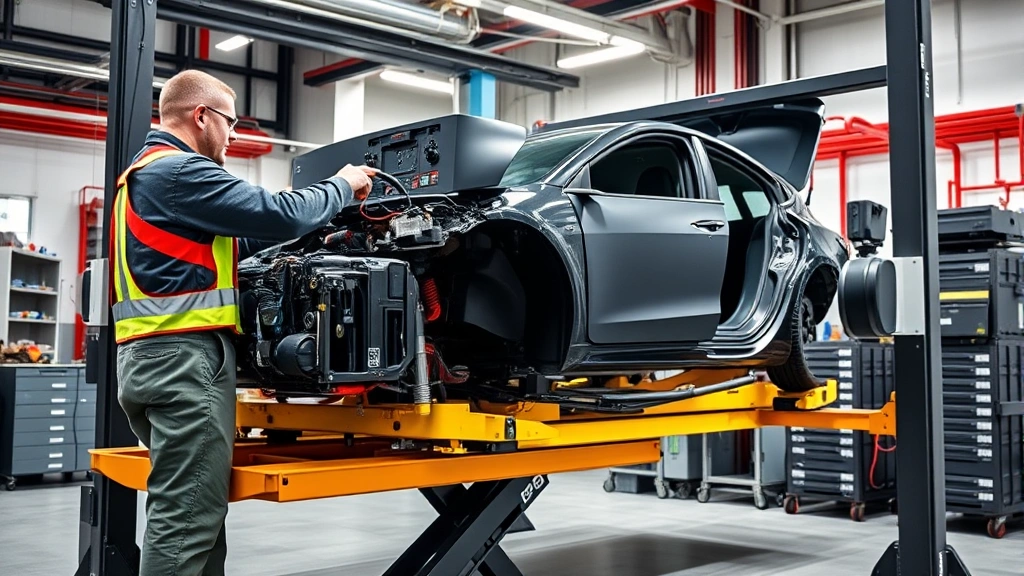
Tesla Battery Replacement Cost: Expert Insights & What You Need to Know
Tesla battery replacement represents one of the most significant maintenance expenses electric vehicle owners may face. Understanding the costs, warranty coverage, and factors affecting replacement pricing is essential for informed ownership decisions. Whether you’re considering purchasing a Tesla or already own one, knowing the financial implications of battery degradation and replacement helps you budget appropriately and plan for long-term vehicle maintenance.
The cost of replacing a Tesla battery varies considerably depending on the model, battery capacity, age of the vehicle, and whether you’re purchasing through Tesla or exploring third-party options. Most Tesla owners won’t need a battery replacement during the vehicle’s typical ownership period, thanks to Tesla’s impressive battery longevity and warranty protection. However, those facing unexpected battery issues or considering extended ownership should understand the full scope of replacement costs and available solutions.
Tesla Battery Replacement Cost Overview
Tesla battery replacement costs range from $5,000 to $15,000 for most models, with luxury variants and larger capacity batteries reaching up to $20,000 or beyond. The Model 3 Standard Range Plus typically costs between $5,500 and $7,000 for battery replacement, while Model S and Model X replacements can reach $12,000 to $15,000 due to larger battery packs. These figures represent out-of-warranty replacement costs paid directly to Tesla and don’t include labor charges, which typically add $500 to $2,000 depending on service center location and complexity.
The Tesla Model 3, being the most popular Tesla vehicle, has the most transparent pricing data available. A complete battery pack replacement for this model costs approximately $5,500 to $7,000 in parts alone. The Model Y, Tesla’s fastest-selling vehicle, follows similar pricing patterns with Standard Range models costing less than Long Range variants. Understanding these baseline costs helps owners evaluate whether repair is economically viable compared to vehicle replacement or alternative solutions.
Regional variations significantly impact final pricing. Tesla service centers in urban areas with higher labor rates charge premium prices compared to rural locations. Additionally, the condition of the vehicle and accessibility of the battery pack can increase labor costs. Some service centers may charge diagnostic fees of $200 to $500 before confirming battery replacement necessity, though these fees are sometimes credited toward the replacement cost if you proceed.
Factors Affecting Battery Replacement Pricing
Battery Capacity and Model Type represent the primary cost determinants. The Tesla Model S Plaid with its massive 100+ kWh battery pack commands the highest replacement costs, sometimes exceeding $20,000. Conversely, the Model 3 Standard Range with a smaller 54 kWh battery costs significantly less. Each kilowatt-hour of capacity adds to the overall replacement expense, making larger vehicles inherently more expensive to repair.
The age and mileage of your vehicle influence pricing through warranty eligibility and battery degradation assessment. Vehicles within warranty coverage have dramatically reduced or eliminated replacement costs. Those beyond warranty but still within reasonable age ranges may qualify for partial coverage or discounted rates through Tesla’s goodwill programs. Mileage alone doesn’t determine replacement necessity—battery health diagnostics and degradation percentage are more accurate indicators.
Labor costs and service center location create substantial pricing variations. Tesla service centers in California, New York, and other high-cost regions charge $150 to $200 per hour for labor, while centers in lower-cost areas may charge $100 to $150 hourly. Battery replacement typically requires 8 to 12 hours of labor, making location-based differences significant. Some owners travel to distant service centers to save on labor costs, though this strategy only works if travel expenses remain minimal.
Vehicle condition and accessibility affect labor requirements. Vehicles with existing damage to the battery compartment, suspension issues, or corrosion may require additional repairs before battery installation, increasing total costs. Rust or water damage necessitates additional diagnostic work and potential component replacement, pushing final bills higher. Proper vehicle maintenance and storage conditions directly impact replacement expenses.
The availability of battery inventory occasionally influences pricing and wait times. During peak demand periods or supply chain disruptions, Tesla may implement temporary surcharges or extended wait times. Conversely, promotional periods or inventory clearance may offer reduced rates. Monitoring Tesla’s service offerings and timing your replacement request strategically can yield modest savings.
Warranty Coverage and Protection
Tesla’s battery warranty represents industry-leading protection, covering battery defects for 8 years or 120,000 miles for most models, with some variants extending to 100,000 miles or 8 years. This warranty covers battery degradation exceeding 70% of original capacity during the coverage period. If your battery degrades below 70% capacity while under warranty, Tesla replaces it at no cost, making the warranty extraordinarily valuable for owners within coverage periods.
Understanding warranty terms prevents unnecessary expenses and ensures you claim coverage when eligible. The 8-year, 120,000-mile warranty applies to Model 3, Model Y, and Model S/X vehicles manufactured after specific dates. Checking your vehicle’s warranty status through your Tesla account provides exact coverage details including expiration dates and remaining mileage. Some vehicles purchased as used cars retain original warranty coverage, providing significant cost protection.
Tesla’s goodwill programs and extended coverage options occasionally provide protection beyond standard warranty terms. Owners experiencing battery issues near warranty expiration sometimes qualify for discounted replacement rates or partial coverage through Tesla’s customer service evaluation. These decisions depend on individual circumstances, vehicle history, and customer service interactions. Contacting Tesla directly about potential coverage when approaching warranty expiration often yields favorable results.
Comparing Tesla’s warranty to traditional vehicle warranties demonstrates the advantage of electric vehicle ownership. Most combustion engine vehicles lack specific battery coverage, while Tesla’s explicit battery protection removes uncertainty about major component failures. This warranty support significantly impacts total cost of ownership calculations and makes Tesla vehicles more predictable financially over extended ownership periods.
Third-Party Battery Options
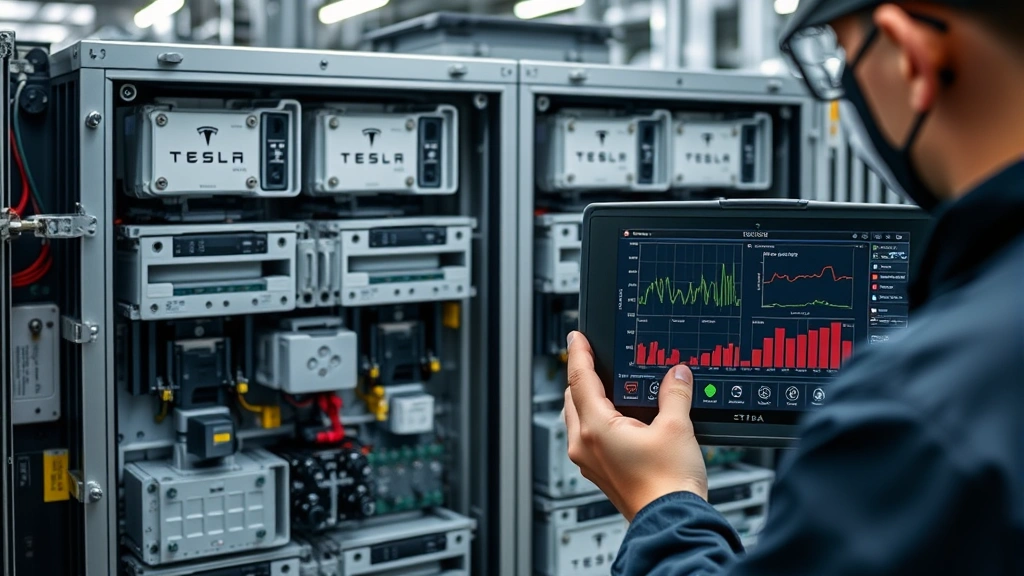
Third-party battery replacement providers offer alternatives to Tesla’s official service, potentially reducing costs by 20% to 40%. Companies specializing in EV battery replacement have emerged in major markets, providing refurbished or new battery packs at competitive prices. However, third-party options require careful vetting to ensure quality, warranty protection, and compatibility with your Tesla’s management systems.
Refurbished battery packs represent the most affordable third-party option, typically costing $3,000 to $8,000 depending on capacity and condition. These batteries come from salvage vehicles or warranty replacements and undergo rigorous testing and reconditioning. Reputable providers offer warranties on refurbished packs, typically 1 to 3 years, providing some protection against premature failure. The environmental benefits of refurbishing batteries appeal to sustainability-conscious owners willing to accept slightly higher degradation rates in exchange for cost savings.
New third-party batteries manufactured by suppliers like CATL or other manufacturers provide alternatives to Tesla’s proprietary packs. These batteries must be compatible with Tesla’s Battery Management System (BMS) and thermal management, limiting options but providing some choices. Compatibility verification is essential before purchasing third-party batteries, as improper installation or incompatibility can damage your vehicle’s electrical systems.
Installation challenges with third-party batteries often offset cost savings. Tesla service centers typically refuse to install non-Tesla batteries, requiring specialized independent technicians. Finding qualified technicians experienced with Tesla battery installation can be difficult in many regions. Labor costs for independent installation may actually exceed Tesla’s rates in some cases due to complexity and specialized knowledge requirements. Thoroughly researching local availability of qualified technicians should precede any third-party battery purchase.
Warranty implications of third-party batteries deserve careful consideration. Installing non-Tesla batteries may void remaining Tesla warranty coverage on related systems. Your vehicle’s powertrain warranty, suspension coverage, and other protections could be jeopardized by non-approved battery installation. Consult Tesla directly about warranty implications before proceeding with third-party options, as the long-term cost savings may not justify lost warranty protection.
Extending Battery Lifespan
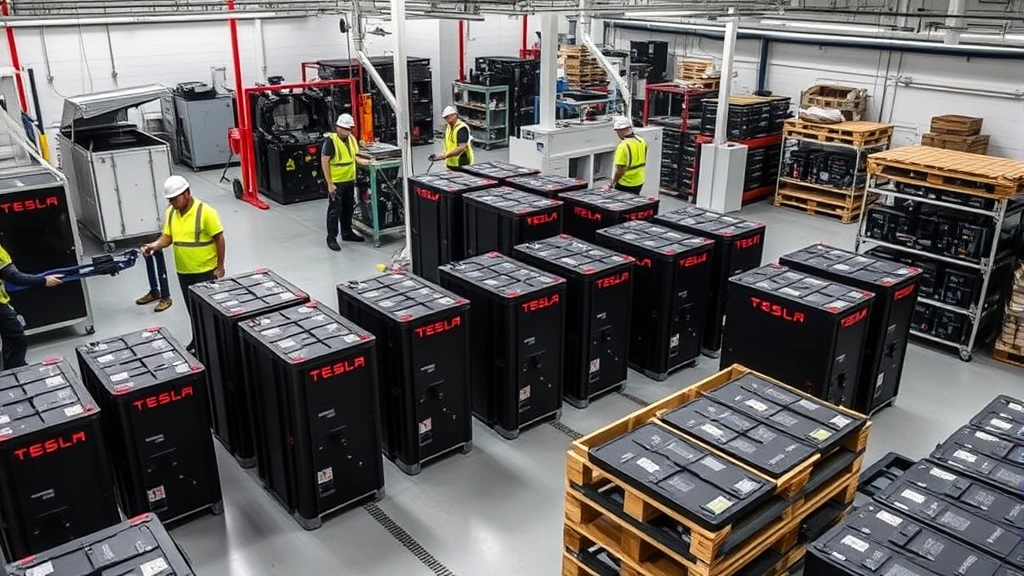
Proper charging practices represent the most effective strategy for extending battery longevity and delaying replacement necessity. Tesla batteries degrade most rapidly during fast charging, especially when charging to 100% capacity regularly. Limiting daily charging to 80% and reserving full charges for long trips reduces degradation significantly. This simple practice can extend battery life by years, potentially eliminating replacement costs during typical ownership periods.
Temperature management directly impacts battery health and longevity. Extreme heat accelerates chemical reactions within battery cells, increasing degradation rates. Parking in shade, using preconditioning features to cool the battery before driving in hot weather, and avoiding prolonged exposure to direct sunlight preserves battery capacity. Conversely, cold weather temporarily reduces range but doesn’t permanently damage batteries. Tesla’s thermal management systems actively protect batteries in temperature extremes, but user behavior still influences long-term health.
Regular software updates from Tesla often include battery management optimizations that improve longevity and efficiency. Keeping your vehicle updated ensures you benefit from the latest battery management algorithms. These updates sometimes improve battery health metrics without physical repairs, providing free performance enhancements. Ignoring update notifications means missing potential efficiency gains and protection improvements.
Minimizing aggressive driving patterns protects battery components and reduces degradation. Constant rapid acceleration and frequent high-speed driving generate heat and stress on battery systems. Moderate driving patterns preserve battery capacity more effectively than aggressive driving, even when total mileage is identical. This behavioral aspect of battery care is entirely within owner control and costs nothing to implement.
Professional battery health diagnostics every 2 to 3 years help identify degradation trends early. Tesla service centers can provide detailed capacity reports showing exact degradation percentages. Understanding your specific degradation rate helps predict replacement timing and budget accordingly. Early detection of abnormal degradation patterns may indicate addressable issues before catastrophic failure occurs.
If you’re interested in broader DIY car repairs and maintenance strategies, many battery preservation techniques complement general vehicle care routines. Understanding how to maintain your Tesla properly reduces overall maintenance costs and extends component lifespan across all systems. Similar to starter replacement costs, battery expenses can be minimized through preventive care and informed decision-making.
FAQ
How long do Tesla batteries typically last before replacement becomes necessary?
Tesla batteries typically retain 80% to 90% capacity after 200,000 miles, with many vehicles reaching 300,000+ miles before replacement becomes economically necessary. Most owners never need battery replacement during their ownership period. Degradation slows significantly after the first few years, with newer batteries losing 2% to 3% capacity annually. Real-world data shows Tesla batteries are among the most durable automotive components ever manufactured.
Does Tesla battery warranty cover normal degradation?
Tesla’s warranty covers degradation only when capacity falls below 70% of original specifications. Normal degradation within 70% capacity is not covered, as this is considered expected battery aging. The 70% threshold is generous compared to traditional automotive warranties, providing substantial protection. Most vehicles experience minimal degradation within warranty periods, making coverage claims rare.
Can I replace a Tesla battery myself or must I use Tesla service?
Tesla battery replacement requires professional service due to extreme complexity, high-voltage safety hazards, and integration with vehicle management systems. DIY replacement is extraordinarily dangerous and technically unfeasible for virtually all owners. The battery pack’s 400+ volt electrical system poses electrocution risks requiring specialized training and equipment. Professional service is mandatory for both safety and warranty preservation.
What’s the difference between battery degradation and battery failure?
Battery degradation refers to gradual capacity loss over time, a normal aging process. A degraded battery still functions but provides reduced range. Battery failure is sudden, catastrophic loss of function, often due to internal cell damage or management system malfunction. Failed batteries require immediate replacement, while degraded batteries can often be used for years before replacement becomes necessary. Diagnostics distinguish between these conditions.
Are used Tesla batteries a viable replacement option?
Used Tesla batteries from salvage vehicles offer cost savings but require verification of remaining capacity and health. Purchasing from reputable recyclers or salvage specialists who test batteries before sale provides some assurance of quality. However, you won’t know the battery’s remaining lifespan, and installation by independent technicians creates warranty risks. Used batteries typically cost $2,000 to $5,000 but lack the reliability guarantees of new batteries.
How does battery replacement cost compare to vehicle replacement?
For vehicles worth $30,000 to $50,000, battery replacement costing $5,000 to $15,000 is economically sensible if the rest of the vehicle remains in good condition. Battery replacement extends vehicle life by 5 to 10 years in most cases, making it worthwhile financially. Vehicles with additional mechanical issues may not justify battery replacement costs, requiring evaluation of overall vehicle condition and market value.


