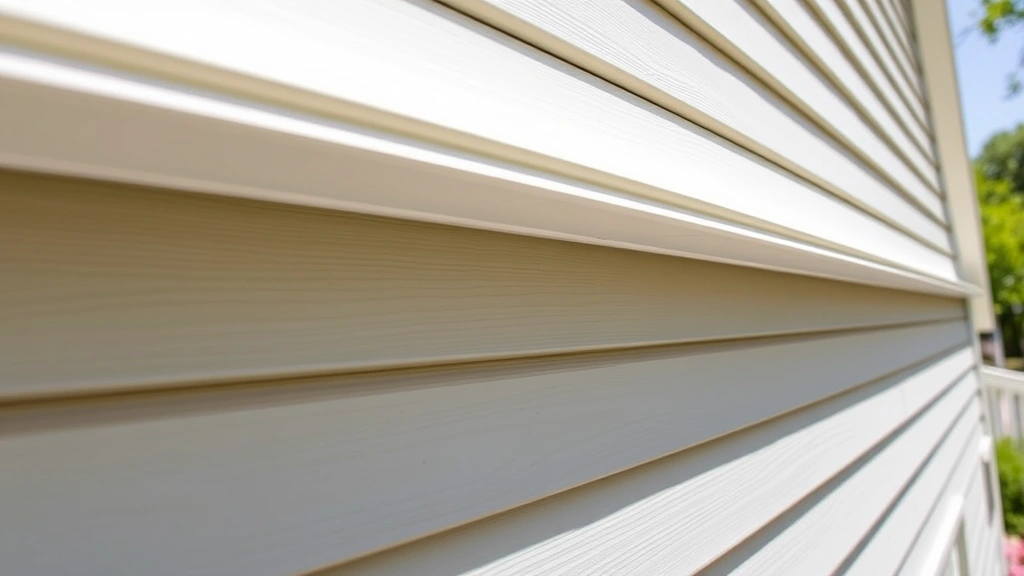
House Siding Cost: Expert Tips & Estimates for 2024
When considering home exterior upgrades, understanding how much it costs to side a house is crucial for budgeting and planning. Siding replacement represents one of the most significant investments homeowners make, with costs varying dramatically based on material choice, home size, labor rates, and regional factors. Whether you’re replacing damaged siding or upgrading for aesthetic reasons, this comprehensive guide breaks down pricing, material options, and cost-saving strategies to help you make an informed decision.
The average cost to side a house ranges from $15,000 to $40,000 for a typical 2,000 square-foot home, translating to $7 to $20 per square foot installed. However, luxury materials and complex installations can push costs significantly higher. Understanding these variables empowers you to negotiate confidently with contractors and avoid unexpected expenses during your project.
Siding Material Costs Breakdown
Choosing the right siding material is the primary driver of overall project cost. Each material offers distinct advantages regarding durability, maintenance, aesthetics, and price point. Let’s examine the most popular options available to homeowners today.
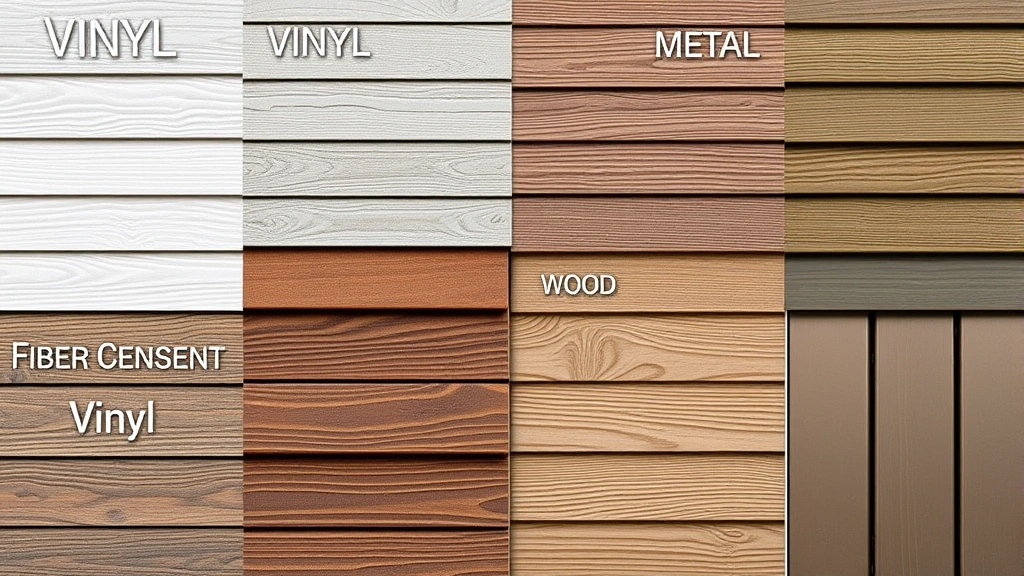
Vinyl Siding remains the most popular and affordable choice, costing $3 to $12 per square foot installed. This engineered plastic material offers excellent durability, low maintenance, and decent aesthetic appeal. Standard grades cost less than premium architectural vinyl, which mimics wood grain or stone textures. Vinyl withstands weather well and requires minimal upkeep beyond occasional cleaning, making it economical over time.
Fiber Cement Siding ranges from $6 to $15 per square foot installed and provides superior durability compared to vinyl. This composite material combines cement, sand, and cellulose fibers to create boards that resist rot, insects, and fire. Fiber cement offers authentic wood appearance without wood’s maintenance demands. However, installation requires specialized cutting equipment and skilled labor, increasing labor costs significantly. According to the National Association of Certified Home Inspectors, fiber cement maintains structural integrity for 25-30 years with proper maintenance.
Wood Siding costs $6 to $20 per square foot installed and appeals to homeowners seeking traditional aesthetics. Cedar and redwood offer natural beauty and character but demand regular maintenance including painting, staining, and pest treatment. Pressure-treated lumber provides a budget alternative but lacks the visual appeal of premium species. Wood’s susceptibility to rot and insects makes it less practical for humid climates unless properly maintained.
Metal Siding (aluminum or steel) ranges from $4 to $14 per square foot installed. Aluminum offers lightweight installation and corrosion resistance, while steel provides superior strength. Metal siding works well in coastal or industrial areas where salt spray or harsh chemicals threaten other materials. However, denting is a concern, and metal can feel cold or institutional compared to other options.
Stone or Brick Veneer represents the premium option at $15 to $40+ per square foot installed. Real stone and brick create stunning, permanent facades that appreciate property value significantly. These materials require substantial structural support and expert installation, justifying premium labor costs. Maintenance is minimal, but repairs can be expensive and specialized.
Composite or Engineered Wood costs $8 to $18 per square foot installed and combines wood fibers with resin to create stable, rot-resistant boards. These materials offer authentic wood appearance with superior durability and lower maintenance than real wood.
Labor Costs and Installation Factors
Labor typically accounts for 40-60% of total siding project costs, making contractor selection critically important. Professional installation ensures proper waterproofing, structural integrity, and warranty coverage that DIY attempts cannot guarantee.
Experienced siding contractors charge $40 to $100+ per hour or bid projects at fixed rates based on material type, home complexity, and local market conditions. Licensing, insurance, and reputation command premium rates, but established contractors often deliver superior results and assume liability for defects.
Several factors increase labor costs substantially. Complex roof lines with multiple angles, dormers, and peaks demand more time and specialized scaffolding. Two-story homes require additional safety equipment and careful maneuvering. Existing siding removal adds 1-3 days of labor, particularly if asbestos-containing materials require certified abatement. Structural repairs discovered during removal—rotted fascia, damaged sheathing, compromised framing—extend timelines and increase expenses dramatically.
Weather conditions affect labor scheduling and productivity. Spring and summer typically offer faster completion but higher labor rates due to demand. Fall and winter bring reduced rates but longer project timelines and weather delays. Scheduling strategically can reduce costs by 10-20%.
Regional Price Variations
Geography significantly impacts siding costs due to local labor rates, material availability, and climate-specific requirements. Coastal regions command 15-25% premiums for salt-resistant materials and specialized installation techniques. Northern climates require additional weather barriers and insulation considerations, increasing material and labor costs.
Urban areas typically feature higher labor rates than rural regions, reflecting local cost of living and contractor density. California, New York, and Massachusetts consistently show 20-35% higher siding costs than midwest or southern states. However, these areas often mandate stricter building codes requiring superior materials and installation standards, justifying premium pricing.
Contractor competition influences pricing significantly. Markets with abundant siding specialists often feature competitive pricing, while rural areas with limited contractors may charge substantial premiums for travel and limited local material access.
Additional Costs and Hidden Expenses
Beyond material and labor, several hidden costs frequently surprise homeowners during siding projects. Permit and inspection fees range from $200 to $1,500 depending on jurisdiction and project scope. Check your local building department requirements—most municipalities require permits for exterior cladding changes to ensure code compliance.
According to the International Code Council, siding installations must meet specific fire ratings, water management, and structural standards that vary by region. Inspectors verify compliance, and non-compliant work requires expensive corrections.
Asbestos abatement adds $1,500 to $5,000+ if older siding contains asbestos. Federal and state regulations require certified professionals for removal and disposal. Never disturb suspected asbestos materials—hire certified inspectors to test before proceeding.
Structural repairs discovered during removal often total $2,000 to $10,000. Rotted fascia boards, compromised sheathing, water-damaged framing, and foundation settling require professional remediation before new siding installation.
Upgraded underlayment and weatherproofing cost $1 to $3 per square foot but dramatically improve water management and longevity. Premium house wraps and drainage planes prevent moisture infiltration that causes expensive interior damage.
Insulation upgrades add $1 to $4 per square foot but improve energy efficiency. Rigid foam boards or blown-in insulation during siding replacement reduces heating and cooling costs significantly over time.
Trim, fascia, and soffit replacement often runs $2,000 to $8,000. These components frame siding edges and protect vulnerable areas. Matching materials and finishes ensures cohesive aesthetics and proper water drainage.
Cost-Saving Strategies
Strategic planning reduces siding costs without compromising quality or durability. Partial siding replacement focuses on damaged or visible areas rather than full coverage. This approach works well for isolated weather damage or when maintaining older siding on less-visible sides. However, color matching older materials can prove challenging and may create aesthetic inconsistencies.
Selecting mid-range materials balances cost and longevity effectively. Vinyl siding offers exceptional value for budget-conscious homeowners, while fiber cement provides superior durability justifying modest premium costs. Avoid ultra-budget materials that require replacement within 10-15 years, negating initial savings.
Off-season scheduling leverages contractor availability and reduced demand. Booking projects during fall or early spring often yields 10-20% discounts compared to summer peak season. Longer timelines are acceptable trade-offs for substantial savings.
Obtaining multiple quotes reveals fair market pricing and contractor competitiveness. Request detailed estimates breaking down material, labor, and overhead costs. Extremely low bids often indicate corner-cutting or underbidding that leads to quality problems.
Deferring non-critical upgrades reduces immediate costs. Skip premium insulation, upgraded trim, or specialty finishes initially, adding these enhancements later when budget permits. Prioritize structural repairs and quality installation that affect durability and water management.
Removing old siding yourself saves $1,500 to $4,000 in labor if you’re physically capable. This demanding work requires proper safety equipment and technique to avoid injury. Ensure proper disposal or recycling of removed materials according to local regulations.
DIY vs. Professional Installation
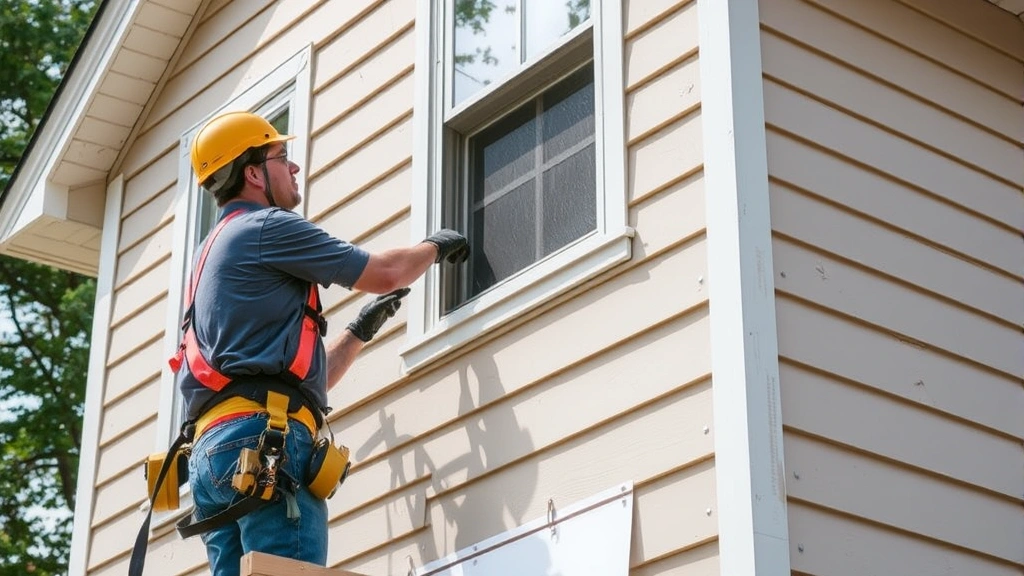
While DIY siding installation appeals to budget-conscious homeowners, professional installation offers critical advantages that justify costs. Proper installation requires precise measurements, flashing techniques, and fastening protocols that prevent water infiltration and structural damage. Mistakes compromise home integrity and void manufacturer warranties.
Professional contractors carry liability insurance protecting homeowners from injury claims or property damage. They guarantee workmanship and materials, standing behind installations if problems emerge. DIY installations offer no such protections, and homeowner insurance typically excludes coverage for owner-performed work.
Siding installation involves working at height on ladders and scaffolding, presenting serious fall risks. Professional crews employ proper safety equipment, training, and protocols that reduce accident likelihood dramatically. Falls represent leading causes of serious home injuries.
Consider professional installation for fiber cement, stone, brick, or complex architectural designs. These materials demand specialized knowledge and equipment justifying expert labor. For straightforward vinyl siding on single-story homes with simple geometry, motivated DIYers with proper training might undertake projects, though professional installation remains recommended.
Review the National Association of Home Builders guidelines for siding installation standards and best practices. Many manufacturers require professional installation to honor warranties.
FAQ
What is the average cost to side a 2,000 square foot house?
Average costs range from $14,000 to $40,000 depending on material selection. Vinyl siding averages $14,000-$24,000, fiber cement runs $12,000-$30,000, and premium materials like stone exceed $30,000 frequently. Obtain local quotes for accurate estimates.
Can I side my house myself to save money?
While possible for experienced DIYers, professional installation is strongly recommended. Mistakes compromise water management, structural integrity, and warranty coverage. Safety risks from working at height are substantial. Professional installation typically costs 40-60% of total project but ensures quality results.
How long does siding typically last?
Vinyl lasts 20-40 years, fiber cement 25-30 years, wood 20-40 years with maintenance, metal 40-60 years, and stone/brick 50-100+ years. Material quality, installation, climate, and maintenance significantly affect lifespan. Check the National Association of Home Builders resource library for detailed durability information.
What factors most impact siding costs?
Material selection, home size, labor rates, structural repairs needed, regional pricing, climate requirements, and installation complexity drive costs most significantly. Asbestos abatement, complex roof lines, and two-story construction add substantial premiums.
Should I replace siding before selling my home?
Siding condition significantly impacts curb appeal and property value. Damaged siding reduces sale prices and buyer confidence. New siding typically recovers 75-80% of costs at resale, making it valuable investment. Consult real estate professionals regarding your specific market.
What warranty should quality siding include?
Reputable manufacturers offer 20-50 year material warranties, while professional installers typically guarantee workmanship for 2-10 years. Review warranty terms carefully—some exclude certain damage types or require specific maintenance. Verify contractor licensing and bonding before signing contracts.
How do I find reputable siding contractors?
Request referrals from friends and family, check online reviews on trusted platforms, verify licensing and insurance, obtain multiple detailed quotes, and confirm contractor references. The Better Business Bureau provides contractor ratings and complaint histories. Never pay full payment upfront—use staged payments tied to project milestones.


