Is DIY Roofing Safe? Expert Guidelines Inside
Roofing stands as one of the most hazardous DIY projects homeowners attempt, combining extreme heights, heavy materials, and technical complexity. Before climbing that ladder, you need to understand the real risks involved and whether your skills, equipment, and physical capabilities match the demands of this critical home system. This comprehensive guide examines the safety considerations, skill requirements, and realistic scenarios where DIY roofing might be appropriate—and many more where professional installation is non-negotiable.
The roof protects everything beneath it, making installation errors potentially catastrophic. Water infiltration from improper sealing can destroy insulation, framing, and interior finishes. Structural failures from incorrect fastening or load distribution could cause collapse. Beyond property damage, falls from roofs kill approximately 2,000 Americans annually, with thousands more suffering serious injuries. Understanding these risks isn’t meant to discourage capable homeowners—it’s meant to ensure you approach roofing with appropriate respect and preparation.
The Primary Safety Hazards of Roof Work
Falls represent the dominant concern with roofing projects. Heights of 15-40 feet are common on residential structures, and falls from even 10 feet frequently result in serious injury or death. Your body has minimal capacity to absorb impact energy at these velocities. Add wet surfaces, unstable footing, fatigue, and weather exposure, and the danger multiplies exponentially.
Beyond falls, roofing involves working with materials that present their own hazards. Asphalt shingles become slippery when wet or hot—temperatures on dark roof surfaces can exceed 150°F on sunny days. Metal roofing is even more treacherous when damp. Rolled roofing and tar products require heat application, introducing burn risks. Heavy bundles of shingles (weighing 60-80 pounds each) create repetitive strain injuries and crush hazards.
Structural concerns emerge when improper installation compromises roof integrity. Incorrect fastening patterns, insufficient fasteners, or incorrect spacing can allow wind uplift that tears the roof away. Poor ventilation installation traps moisture, leading to rot that weakens the entire structure. Improper flashing around penetrations allows water intrusion that spreads damage throughout the home.
Environmental hazards include sun exposure leading to heat exhaustion, dehydration, and heat stroke. Working at heights amplifies these risks since emergency response is complicated. Electrical hazards exist when working near power lines or during lightning-prone weather. Respiratory hazards emerge when disturbing old asbestos-containing roofing materials common in homes built before 1980.
Physical Requirements and Skill Assessment
Successful roofing demands specific physical capabilities. You must maintain balance on sloped surfaces while working overhead with your arms. This requires core strength, leg stability, and proprioceptive awareness. Cardiovascular endurance matters significantly since roofing is sustained physical labor—you’ll be working continuously for hours at heights where elevated heart rates are already a concern.
Joint health is critical. Your knees, ankles, and lower back absorb constant impact from walking on uneven roof surfaces. Prior knee injuries, ankle instability, or chronic back pain make roofing substantially riskier. Grip strength matters for maintaining stability and handling materials. Poor balance, vertigo, or fear of heights creates psychological stress that impairs judgment and increases accident risk.
Skill assessment requires honest self-evaluation. Have you worked at heights before? Do you have experience with power tools? Can you understand building codes and follow technical specifications? Roofing demands precision—incorrect nail spacing, inadequate overlap, or wrong fastener types compromise performance. This isn’t forgiving work where approximations suffice.
Consider your age and recovery capacity. Younger individuals typically recover from falls more effectively than those over 50. Certain medications affect balance and reaction time. Pre-existing conditions like diabetes affect healing. If you have any health conditions, discuss roofing work with your physician before proceeding.
Most importantly, assess your comfort level with heights. Fear of heights isn’t overcome through determination—it’s a legitimate physiological response. Working while anxious increases accident risk significantly. If you feel uncomfortable on a 6-foot ladder, you absolutely should not work on a roof.
Essential Safety Equipment and Fall Protection
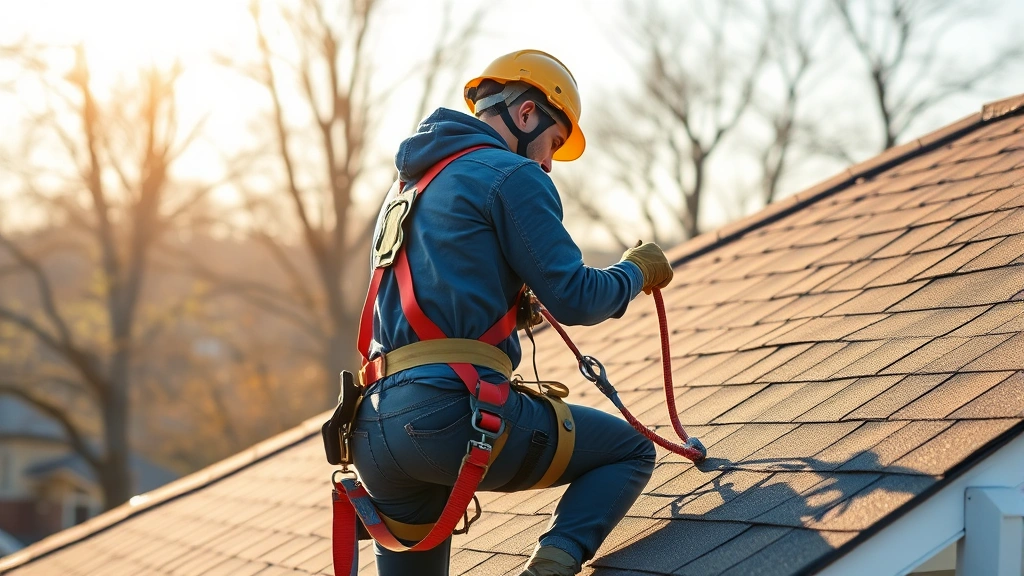
Proper safety equipment isn’t optional—it’s foundational to any roofing work. A personal fall arrest system (PFAS) is essential for any roof work at heights exceeding 6 feet. This includes a harness rated for your weight plus a safety factor, a lanyard with shock absorber, and secure anchor points. Anchor points must be rated for 5,000 pounds of force and positioned above your working level.
Roof brackets and toe boards provide fall prevention by creating physical barriers. These prevent you from sliding down the roof slope and should be installed before you begin work. They’re particularly important on steeper pitches where footing is compromised.
Proper footwear with slip-resistant soles is non-negotiable. Specialized roofing shoes with enhanced grip are worth the investment. Regular work boots provide insufficient traction on roofing materials, especially when damp.
Eye protection shields against dust and debris. Hearing protection matters when using power tools or nail guns. Respirators become critical when working with old roofing materials that might contain asbestos. Work gloves protect hands while maintaining grip. A hard hat protects against falling objects and provides some impact protection in falls.
Ladder safety equipment includes stabilizers that prevent the ladder from slipping or shifting. Never lean beyond the ladder’s stable reach—overreaching is a common cause of falls. Three-point contact (two hands and one foot, or two feet and one hand) should be maintained constantly.
Weather monitoring equipment helps you make informed decisions about work safety. Wind speed indicators prevent working in dangerous gusts. Thermometers help you recognize heat stress risks. Many roofers avoid working when wind speeds exceed 20 mph or when temperatures exceed 95°F.
When DIY Roofing Might Be Acceptable
Full roof replacement by homeowners is rarely advisable due to the complexity, hazards, and technical requirements involved. However, certain limited roofing tasks might be appropriate for capable homeowners. Small repairs on accessible, low-pitch roofs might include replacing individual damaged shingles or addressing minor flashing issues.
These repairs must meet specific criteria: the roof pitch must be gentle enough to prevent sliding (typically under 6:12), the work area must be easily reached from a stable ladder, the repair must not require structural modifications, and the work must be within your demonstrated skill level. Even these limited repairs require proper safety equipment and careful weather planning.
Roof inspection and maintenance—clearing debris, identifying problems early—can be performed by homeowners if done safely. Walking the roof carefully with proper footwear and taking photographs to document conditions might be acceptable for experienced homeowners with good balance.
New construction or major repairs on full roofs should almost always be handled by licensed professionals. The liability, complexity, and safety risks simply outweigh any cost savings. When you compare professional costs to potential property damage from incorrect installation, the economics shift dramatically.
Before attempting any roofing work, check your homeowner’s insurance policy. Many policies exclude coverage for injuries sustained during DIY roofing projects. Some explicitly void coverage if unpermitted roofing work causes subsequent damage. This financial risk often exceeds the labor cost you’d save.
Building Codes and Permit Requirements
Roofing work in most jurisdictions requires permits and inspections to ensure compliance with building codes. The International Code Council (ICC) establishes model codes that most municipalities adopt. These codes specify fastener types, spacing, and installation methods—details that aren’t optional or negotiable.
Unpermitted roofing work creates multiple problems. Insurance companies may deny claims related to unpermitted work. If you later sell the home, the lack of permits might be discovered, potentially reducing property value or preventing sale. Building inspectors can require removal and reinstallation if they discover unpermitted work. Violating local building codes can result in fines.
Permits exist because roofing failures have serious consequences. Improper installation allows water intrusion that damages everything below. Structural failures from inadequate fastening can cause collapse. Building code requirements reflect decades of experience with what works and what fails.
Most jurisdictions require that roofing work be performed by licensed contractors or that homeowner-performed work be inspected by building officials. Some jurisdictions prohibit owner-performed roofing entirely. Contact your local building department before assuming DIY roofing is legally permitted in your area.
The inspection process involves verification that materials meet code requirements, that fastening patterns are correct, that flashing is properly installed, and that ventilation requirements are met. Inspectors catch mistakes that might not be apparent until water damage manifests months or years later.
Materials, Tools, and Installation Techniques
Selecting appropriate roofing materials requires understanding your climate, roof pitch, and local code requirements. Asphalt shingles are most common in residential applications, but metal roofing, tile, and wood shake each have specific installation requirements. Material manufacturers publish detailed installation specifications that must be followed precisely for warranty coverage.
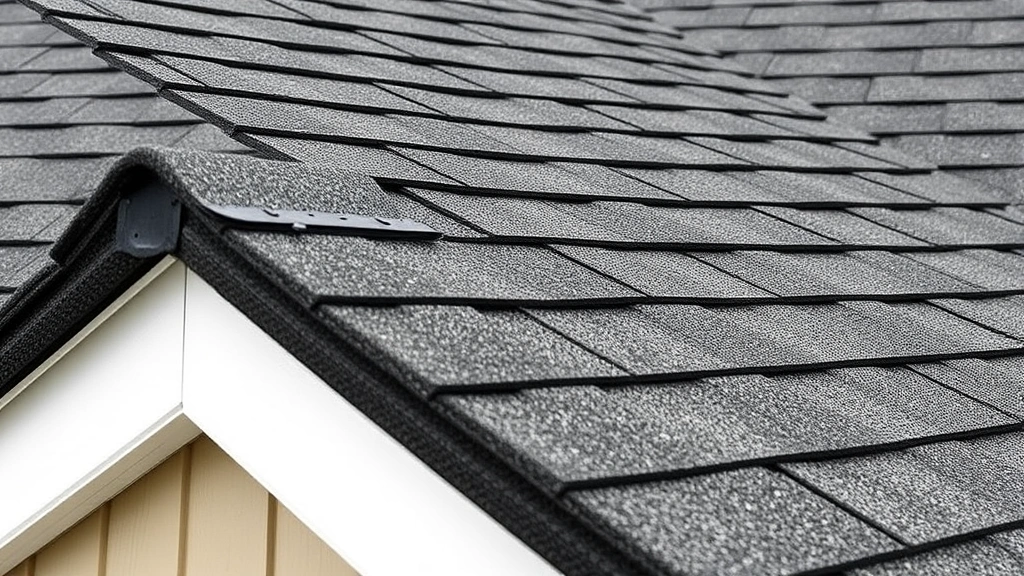
Installation techniques vary by material. Asphalt shingles require specific nail placement—typically four nails per shingle in specific locations. Nail type matters; roofing nails have specific gauge and head size requirements. Nails must be driven perpendicular to the surface without overdriving (which tears the shingle) or underdriving (which allows wind uplift).
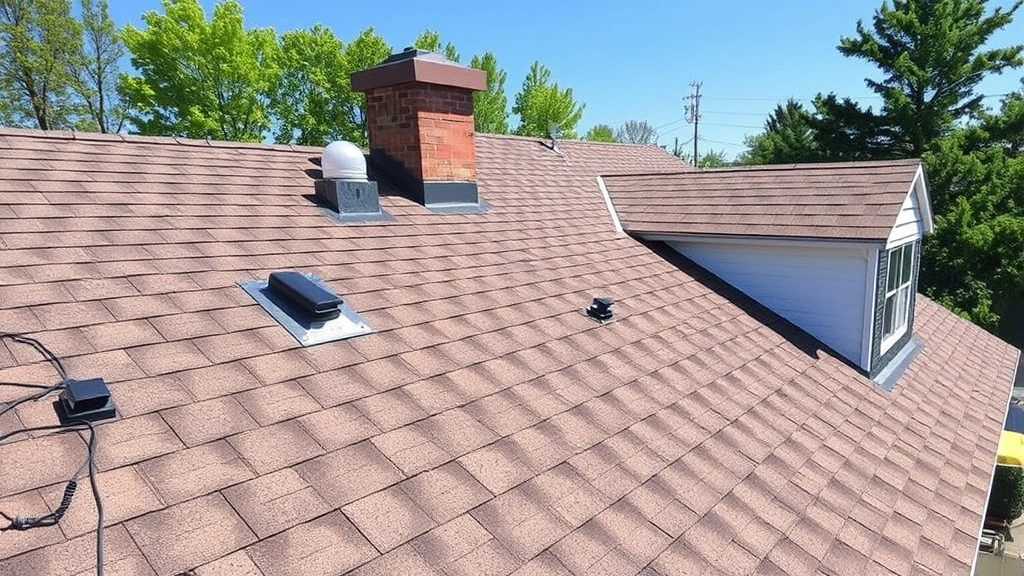
Flashing installation is particularly critical and frequently done incorrectly. Flashing directs water away from roof penetrations like chimneys, vents, and valleys. Improper flashing is the leading cause of residential water damage. This work demands precision and understanding of water flow dynamics.
Ventilation requirements vary by climate. Attic ventilation prevents moisture accumulation that leads to rot and reduces cooling efficiency. Ridge vents, soffit vents, and proper baffle installation must work together as a system. Blocking ventilation openings or installing them incorrectly compromises roof longevity.
Underlayment selection and installation affects water resistance. Modern underlayment products vary in water resistance, breathability, and durability. Installation must prevent wrinkles that trap water and ensure proper overlap. Fastening patterns must prevent wind uplift without overdriving fasteners through the material.
Tools for roofing work include roofing nailers (which dramatically increase injury risk if misused), circular saws for cutting materials, utility knives for precise cuts, and pry bars for removal work. Power tools at heights introduce additional hazards. Proper training and safety protocols are essential.
Weather Conditions and Seasonal Considerations
Weather dramatically affects roofing safety and work quality. Rain obviously prevents roof work since wet surfaces are extremely slippery. Wind over 20 mph creates balance challenges and can blow materials around the roof. Heat stress becomes critical in summer months, particularly for those over 50 or with cardiovascular conditions.
Temperature affects material behavior. Asphalt shingles become brittle in cold weather and may crack if walked on. In extreme heat, shingles become soft and sticky, making them difficult to work with. Optimal roofing conditions are moderate temperatures (50-85°F) with low wind and no precipitation.
Seasonal timing matters for work quality and safety. Spring and fall offer the best conditions in most climates. Summer heat increases dehydration and heat stress risks. Winter cold makes materials difficult to work with and reduces daylight hours for work. Attempting roofing during off-season weather is both less safe and produces lower-quality results.
Early morning work might seem safer since temperatures are lower, but dew or frost creates slippery surfaces. Mid-morning after surfaces dry provides better traction. Afternoon heat stress becomes concerning, particularly as fatigue accumulates. Planning work in optimal conditions demonstrates respect for the hazards involved.
Weather forecasting should inform work scheduling. Multi-day forecasts showing rain within your work timeline should cause postponement. Wind gusts that exceed your comfort level should prevent work. When in doubt, delay—roofing isn’t an emergency that justifies working in marginal conditions.
Insurance and Liability Concerns
Homeowner’s insurance typically covers roof damage from weather events, but coverage for DIY repair-related damage is uncertain. If your DIY roofing work causes water damage, your insurer might deny the claim, arguing that improper installation created the damage. This could leave you responsible for tens of thousands of dollars in water damage repairs.
Liability issues extend beyond property damage. If someone is injured during your roofing work—whether a helper or a neighbor—you could face liability claims. Your homeowner’s policy typically doesn’t cover injuries from work you’re performing. If a helper is injured, workers’ compensation insurance doesn’t apply to unpaid volunteers, leaving you potentially liable for medical costs and lost wages.
Permits and inspections actually protect you by creating a record that work was performed to code. If professional contractors perform the work and it’s permitted and inspected, the contractor bears liability for improper installation. If you perform unpermitted work, you bear all liability.
When selling your home, unpermitted roofing work must typically be disclosed. This can reduce property value, complicate financing, and potentially prevent sale. Buyers’ insurance companies may require professional inspection or re-roofing before coverage is issued.
The financial risk calculation often favors professional installation. Professional roofers typically cost $5,000-$15,000 for full replacement depending on size and materials. Water damage from improper installation can easily exceed $20,000-$50,000. Liability claims from injuries can exceed $100,000. When viewed comprehensively, professional installation represents risk management, not unnecessary expense.
FAQ
Can I safely replace a few missing shingles myself?
Small repairs on accessible, low-pitch roofs using proper safety equipment might be appropriate if you’re comfortable working at heights. However, you’ll need a stable ladder, proper footwear, and ideally a fall arrest system. If the roof pitch is steep, wind speeds are high, or you’re uncomfortable with heights, hire a professional. The cost difference is minimal compared to fall injury risks.
What’s the minimum age to perform roofing work?
Most jurisdictions require workers to be at least 18 years old for roofing work. Beyond legal requirements, physical maturity and judgment development suggest that younger individuals should avoid this hazardous work. Supervised experience with proper mentoring is different from independent roof work.
Do I need special certification to roof my own home?
Homeowner-performed work typically doesn’t require contractor licensing in most jurisdictions, but permits and inspections are usually required. Check with your local building department for specific requirements. Some areas prohibit owner-performed roofing entirely. Even where permitted, proper technique and code compliance are non-negotiable.
How long does a typical roof replacement take?
Professional roofers typically complete residential roof replacement in 1-3 days depending on size and complexity. DIY work would take substantially longer—potentially weeks of part-time work. This extended timeline increases weather risk and work quality variability.
What’s the most common roofing mistake homeowners make?
Incorrect fastener placement and insufficient fasteners are leading causes of DIY roofing failures. Improper flashing installation is also extremely common. These mistakes often don’t become apparent until water damage manifests months later, making correction expensive and difficult.
Can I roof over existing shingles?
Most building codes allow one layer of new shingles over existing shingles, but this isn’t recommended. Roofing over existing materials prevents identification of underlying damage, traps moisture, and adds weight. Proper installation requires removing old materials. This removal work is particularly hazardous due to potential asbestos exposure in older roofing.
What should I do if I discover roof damage?
Document the damage with photographs and contact a professional roofer for inspection. Temporary tarping might be necessary if water intrusion is occurring, but this is a temporary measure. Professional assessment determines whether repair or replacement is needed and whether insurance coverage applies. Prompt action prevents water damage from spreading.


