
Rent a Suit: Tailor Insights & Costs
Whether you’re attending a wedding, job interview, or formal event, renting a suit offers a practical and budget-friendly alternative to purchasing expensive formal wear. Understanding the costs involved and what to expect from professional tailoring services can help you make an informed decision that fits both your style and your wallet. The suit rental industry has evolved significantly, offering everything from basic off-the-rack options to custom-tailored garments that rival bespoke purchases.
The cost of renting a suit varies considerably based on factors including the rental duration, suit quality, location, and customization needs. On average, most people spend between $50 and $200 for a standard suit rental, though premium options and tailoring services can push costs higher. This guide explores the complete landscape of suit rentals, from understanding base pricing to navigating tailor consultations and ensuring you get the best value for your special occasion.
Understanding Suit Rental Pricing
The base cost of renting a suit typically ranges from $50 to $150 for a standard three-piece ensemble during a typical rental period. Most rental establishments offer daily, weekend, or weekly rates, with weekend rentals being the most popular option for special events. A weekend rental—usually Friday through Monday—typically costs between $75 and $120 for a mid-range suit, while budget options may start as low as $50 and premium designer suits can exceed $200.
Rental duration significantly impacts your total cost. Daily rates are generally higher per day than weekly rates, so if you need a suit for multiple days, booking a longer rental period often provides better value. Many rental services offer competitive pricing structures: a single day might cost $40-$60, a weekend rental $75-$120, and a full week $100-$180. Some establishments also provide discounts for longer rental periods or if you’re renting multiple suits for a wedding party.
Location plays a crucial role in determining rental costs. Urban areas with high demand and premium rental boutiques typically charge more than suburban or rural locations. Major cities like New York, Los Angeles, and Chicago may see prices 20-40% higher than national averages. Additionally, seasonal demand affects pricing—peak wedding season (May through October) often brings premium rates, while off-season rentals may be discounted.
When budgeting for a suit rental, also consider deposit requirements. Most rental services require a refundable security deposit ranging from $50 to $300 to protect against damage or loss. This deposit is returned when you return the suit in acceptable condition. Understanding these deposit policies upfront helps you plan your total financial commitment accurately.
Types of Suit Rental Options
The suit rental market offers several distinct categories, each with different price points and quality levels. Budget rental suits, typically priced $50-$80, offer basic formal wear suitable for casual events. These are often polyester blends, available in limited sizes and colors, and may require more extensive tailoring to achieve a proper fit. Budget options work well if you have a flexible timeline and don’t mind additional tailoring appointments.
Mid-range suits, priced between $80-$150, represent the most popular choice for most renters. These garments feature better fabric quality, improved construction, and more size variety. Mid-range options often include dress shirts and ties, making them convenient all-in-one solutions. This category typically includes suits from reputable brands and rental chains that maintain consistent quality standards across multiple locations.
Premium and designer suit rentals range from $150-$300 or more per rental period. These options feature high-end fabrics like pure wool, silk blends, and Italian construction. Premium rentals often include concierge services, priority tailoring, and extended fitting appointments. Designer suits from luxury brands provide superior fit, appearance, and durability, making them ideal for high-profile events or when you want to make a significant impression.
Specialty suit rentals include tuxedos, which typically cost $75-$150 for weekend rentals, and themed or vintage suits for costume events. Wedding party packages often offer discounted rates when renting multiple suits for groomsmen or wedding attendants, sometimes reducing individual suit costs by 10-20%. Some rental services also offer comprehensive event planning services that bundle suit rentals with other formal wear needs.
Tailoring Services and Additional Costs
Professional tailoring represents one of the most significant additional expenses when renting a suit, typically adding $30-$100 to your total rental cost. Basic tailoring services include hemming pants ($15-$25), taking in or letting out the waist ($20-$40), and adjusting sleeve length ($15-$30). Most rental services include one or two basic alterations in the rental price, but comprehensive tailoring requires additional fees.
A complete tailoring consultation with a professional tailor typically costs $20-$50 and involves detailed measurements and fitting analysis. During this appointment, the tailor assesses which adjustments are necessary for optimal fit. Common adjustments include jacket shoulder seams, jacket length, sleeve pitch, and pant break (the way pants drape over shoes). Each of these adjustments adds to the final cost, with complex alterations like shoulder work potentially costing $40-$80.
Rush tailoring services incur premium charges, typically 25-50% above standard rates. If you need alterations completed within 24-48 hours, expect to pay significantly more. Planning ahead and scheduling your rental and tailoring appointments well in advance allows you to access standard pricing rather than rush fees. Many professional tailors recommend scheduling fittings at least 2-3 weeks before your event.
Custom options like monogramming, fabric dyeing to match specific colors, or creating custom vests add $25-$75 to your rental cost. Some rental services offer premium tailoring packages that bundle multiple alterations at a flat rate ($40-$75), providing better value than paying for individual adjustments. These packages typically include hemming, waist adjustment, and sleeve length changes.
The quality of tailoring directly impacts how professional you appear at your event. Investing in proper tailoring ensures the suit flatters your body shape, moves comfortably, and projects confidence. A poorly fitted suit, even if expensive, looks cheaper than a well-tailored affordable suit. This is why considering total costs comprehensively matters when budgeting for formal wear.

How to Choose the Right Rental Service
Selecting a reputable suit rental service requires research and comparison across multiple factors beyond just price. Online review platforms, Google ratings, and customer testimonials provide insights into service quality, tailor expertise, and customer satisfaction. Look for rental services with consistently high ratings and specific positive comments about fit, tailoring quality, and professionalism.
Established rental chains like Men’s Wearhouse, Jos. A. Bank, and regional formal wear specialists often provide standardized quality and multiple locations for convenience. These established businesses typically maintain strict quality control standards and employ experienced tailors on staff. They also offer extended rental periods and straightforward return policies that protect your interests.
Local boutique rental services may offer more personalized attention and unique suit selections but require more vetting. When evaluating boutique services, ask about their tailor’s experience, their alteration guarantee, and their damage/return policies. Request references or examples of previous work, and don’t hesitate to ask detailed questions about their tailoring process and timeline.
Key questions to ask any rental service include: What is included in the base rental price? What alterations are included versus extra-cost? What happens if alterations aren’t completed by your event date? What is the damage policy and deposit amount? Can you schedule multiple fitting appointments if needed? Do they offer rush services, and what are the costs? Clear answers to these questions help you avoid surprises and hidden fees.
Compare pricing across at least three different rental services before making a decision. Don’t automatically choose the cheapest option—consider the total value including included services, tailor quality, and customer reviews. Some rental services offer price-matching guarantees or seasonal promotions that can reduce your overall cost. Additionally, check whether your event venue has preferred vendor relationships that might include suit rental discounts.
Preparation and Fitting Process
Proper preparation before your rental appointment significantly impacts the final fit and appearance of your suit. Wear the shoes and undergarments you’ll wear to your event during all fittings—shoes affect pant length and posture, while proper undergarments ensure accurate measurements. Bring any accessories you plan to wear, including belts, pocket squares, or jewelry, so the tailor can assess how they coordinate with the suit.
The initial fitting appointment typically lasts 30-45 minutes and involves detailed measurements from a professional tailor. The tailor measures your chest, waist, shoulders, sleeve length, inseam, and other key dimensions. During this appointment, discuss your event type, desired style, and any specific concerns about fit. A skilled tailor uses this information to determine which alterations will optimize your appearance.
Follow-up fittings are essential for ensuring proper fit, especially if alterations are needed. Schedule a second fitting 1-2 weeks before your event to verify that all alterations are correct and address any additional adjustments. Never skip follow-up fittings—this is where most fit problems are caught and corrected. A third fitting just days before your event provides final quality assurance.
During fittings, the tailor should explain all recommended alterations and show you exactly what will be changed. Ask them to mark alterations with pins or chalk so you understand the proposed changes. Don’t be shy about expressing concerns—a good tailor welcomes feedback and adjusts their recommendations accordingly. This collaborative approach ensures the final suit meets your expectations and fits perfectly for your special occasion.
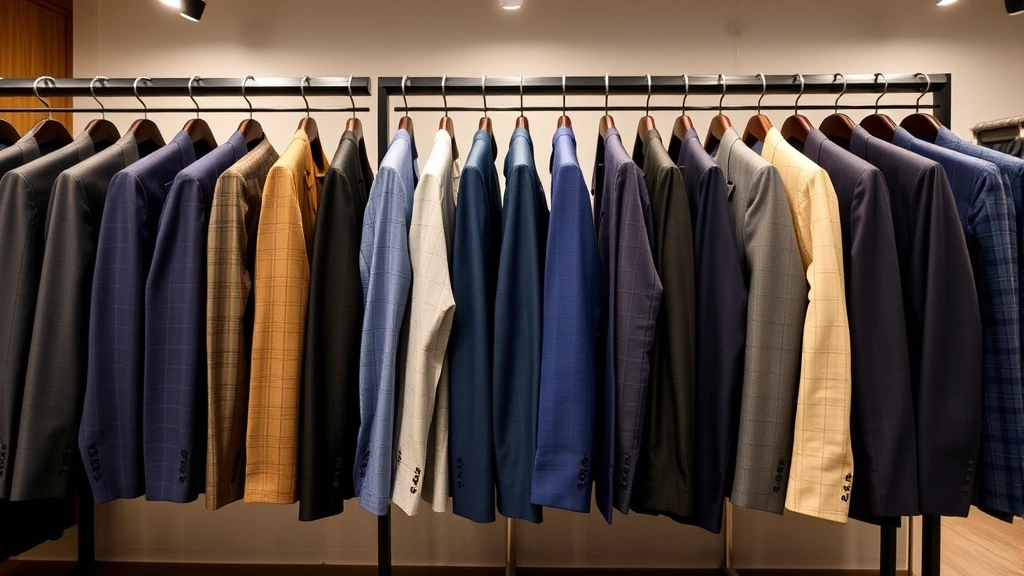
Understanding proper fit standards helps you evaluate whether the tailor’s recommendations are appropriate. The jacket should fit smoothly across your shoulders without bunching or pulling, with sleeves ending at your wrist bone. The jacket length should reach your knuckles when arms hang naturally. Pants should have minimal break at the shoe top, creating a clean line without excess fabric pooling. The waist should feel comfortable when sitting and standing, with no gaps at the back.
Care and Return Requirements
Rental agreements typically include specific care and return requirements that, if violated, may result in additional charges or deposit forfeiture. Most rental services require you to return the suit clean and undamaged within the specified rental period. Understanding these requirements before signing your rental agreement prevents costly surprises and ensures smooth returns.
Damage policies vary significantly between rental services but generally distinguish between normal wear and damage. Normal wear—minor wrinkles, slight stains from food or beverages—is typically covered by the rental service. However, significant stains, tears, broken seams, missing buttons, or damage to the lining may incur repair charges ranging from $25 to several hundred dollars depending on severity.
Professional dry cleaning before return is often required or recommended. Some rental services include return cleaning in the rental price, while others charge $15-$30 for this service. Check your rental agreement to determine who is responsible for cleaning. If you’re responsible, allow adequate time for dry cleaning before the return deadline—typically 1-2 business days.
Return deadlines are strictly enforced by most rental services, with late fees typically charged at $5-$15 per day or a percentage of the original rental cost. Some services charge a flat late fee while others charge daily accumulating fees. Plan your return timing carefully, especially if your event extends into the evening or if you want photos taken the next morning. Confirm the exact return deadline and drop-off location before completing your rental.
Document the suit’s condition when you receive it by photographing the garment and noting any pre-existing damage on your rental agreement. This protects you from being charged for damage that existed before you rented the suit. Similarly, photograph the suit after cleaning and before returning it to document that you’re returning it in acceptable condition. This documentation becomes valuable if disputes arise regarding damage charges.
Insurance or damage waiver options, typically costing $10-$25, protect you against unexpected damage charges. If you’re concerned about potential accidents or stains, these waivers provide peace of mind and limit your financial liability. Consider purchasing this protection if you’ll be eating, drinking, or engaging in activities that might risk staining or damaging the suit.
FAQ
What is the average cost to rent a suit?
The average suit rental costs $75-$120 for a weekend rental, with daily rates ranging from $40-$60 and weekly rentals from $100-$180. Premium designer suits cost significantly more, while budget options start around $50. Final costs depend on suit quality, location, and any tailoring services needed.
Are tailoring services included in suit rental prices?
Most rental services include basic alterations like hemming or simple waist adjustments, but comprehensive tailoring typically requires additional fees of $30-$100. Check with your specific rental service about what’s included in the base price and what costs extra. Premium rental packages often bundle multiple alterations at flat rates.
How far in advance should I rent a suit?
Ideally, rent your suit 3-4 weeks before your event to allow time for tailoring and multiple fitting appointments. This timeline ensures your tailor has adequate time for alterations and provides opportunity for adjustments if needed. Last-minute rentals may incur rush fees and limit tailoring options.
What happens if the rented suit is damaged?
Damage policies vary by rental service but typically distinguish between normal wear and significant damage. Minor stains or wrinkles are usually covered, while tears, major stains, or broken seams may result in repair charges of $25-several hundred dollars. Damage waivers ($10-$25) protect against unexpected charges.
Can I extend my rental period?
Many rental services allow rental extensions if the suit isn’t needed for another event, though availability isn’t guaranteed. Extensions typically cost the daily or weekly rate and must be arranged before your return deadline. Contact your rental service immediately if you need to extend your rental rather than risking late fees.
Should I get my suit professionally cleaned before returning it?
Check your rental agreement regarding cleaning responsibility. Some services include return cleaning while others require you to have it professionally cleaned. Professional dry cleaning costs $15-$30 and should be completed 1-2 business days before your return deadline to ensure proper processing.
What if I need rush tailoring?
Rush tailoring services typically cost 25-50% more than standard rates and require 24-48 hour turnaround. Plan ahead whenever possible to access standard pricing. If rush services are necessary, confirm availability and costs with your tailor immediately rather than waiting until the last minute.
Are there discounts for renting multiple suits?
Yes, many rental services offer wedding party discounts when renting multiple suits for groomsmen or wedding attendants, typically reducing costs by 10-20% per suit. Ask about group discounts when contacting rental services, and confirm whether the discount applies to the base rental or includes tailoring services.


