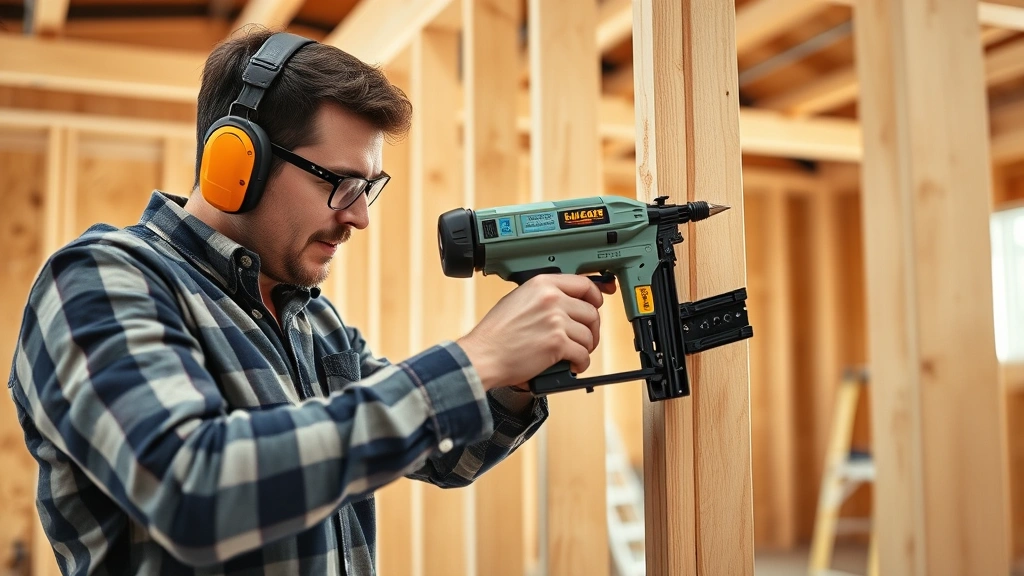
Rent a Nail Gun? DIY Expert Cost Breakdown
Whether you’re tackling a home renovation, building a deck, or installing trim work, renting a nail gun can save you thousands of dollars compared to purchasing one outright. However, understanding the true cost of nail gun rental requires examining rental rates, equipment specifications, safety requirements, and how your project scope affects the overall expense. This comprehensive guide breaks down every cost factor so you can make an informed decision for your next DIY building project.
Nail gun rentals have become increasingly accessible through hardware stores, home improvement centers, and specialized equipment rental shops across North America. The rental market offers flexibility for homeowners and contractors who need professional-grade tools without the capital investment. Understanding pricing models, deposit requirements, and damage policies will help you budget accurately and avoid unexpected charges.
Daily Rental Rates for Nail Guns
Most equipment rental centers charge between $8 to $20 per day for standard pneumatic nail guns, making them one of the most affordable power tool rentals available. Cordless and specialized models typically range from $15 to $35 daily. The variation depends on the tool’s brand, capabilities, and your geographic location—urban areas generally command higher rates than rural regions.
Daily rental rates typically include basic equipment maintenance and operational support from rental staff. Home Depot and Lowe’s, the largest rental providers in North America, maintain competitive pricing to serve DIY enthusiasts. Local equipment rental shops often provide personalized service and may offer discounts for returning customers. When comparing daily rates, confirm what’s included: does the rental cover a compressor (essential for pneumatic models), fasteners, safety equipment, or operating instructions?
A single-day rental works well for small projects like hanging drywall in one room or installing trim around a few doorways. However, if your project extends beyond eight hours, consider whether a weekend or weekly rental provides better value. Many rental centers offer free or reduced-rate returns if you bring equipment back the same day, encouraging quick turnarounds.
Weekly and Monthly Rental Options
Weekly nail gun rentals typically cost $25 to $50, representing a 40-60% savings compared to daily rates. Monthly rentals range from $60 to $120 for standard pneumatic models, and specialty tools may exceed $150 monthly. These extended rental periods make economic sense for renovation projects lasting several days or ongoing construction work.
Many rental companies implement tiered pricing where longer commitments unlock better rates. A week-long rental might cost only slightly more than three days of daily rates, creating significant savings for homeowners planning multi-day projects. Monthly rentals become particularly attractive when combined with other tools—some centers offer package deals covering nail guns, compressors, and complementary equipment at bundled discounts.
Extended rentals require understanding the rental company’s policies on equipment pickup and return. Most facilities offer flexible hours for weekend returns, and some provide free delivery for weekly or monthly rentals over a certain amount. Confirm whether your rental includes insurance coverage for accidental damage, as this protection varies significantly between providers and affects your true rental cost.
Types of Nail Guns and Their Costs
Pneumatic (Air-Powered) Nail Guns: The most economical option at $8-$15 daily, these tools require an air compressor and hose. Ideal for high-volume fastening tasks, they deliver consistent power and minimal maintenance during rental periods. You’ll need to rent or own an air compressor, adding $10-$20 daily to your total cost. Professional framing crews prefer pneumatic models for their reliability and speed—they can drive 50+ nails per minute.
Cordless (Battery-Powered) Nail Guns: Priced at $20-$35 daily, cordless models eliminate compressor requirements, offering greater mobility and convenience. Battery runtime typically spans 1,000-2,000 nails per charge, sufficient for most residential projects. Rental centers usually include one or two batteries and a charger, though you may face charges if batteries aren’t returned with full charge capacity.
Electric (Corded) Nail Guns: Mid-range options at $12-$20 daily, these models require a standard outlet and deliver consistent power without battery management concerns. They work well for trim work and finish carpentry where sustained power matters more than mobility.
Specialty Models: Roofing nailers, finish nailers, and flooring nailers each cost $15-$40 daily depending on sophistication. Brad nailers for delicate trim work rent for $8-$15, while powder-actuated tools for concrete fastening may exceed $50 daily. Choosing the right specialized tool prevents project delays and ensures proper fastener placement for your specific application.
When selecting a nail gun type, consider your project’s fastening requirements. Framing work demands heavy-duty pneumatic tools, while finish carpentry benefits from precision cordless or electric models. Rental staff can recommend appropriate tools based on your project scope—don’t hesitate to ask for guidance, as using the wrong tool type wastes time and money.
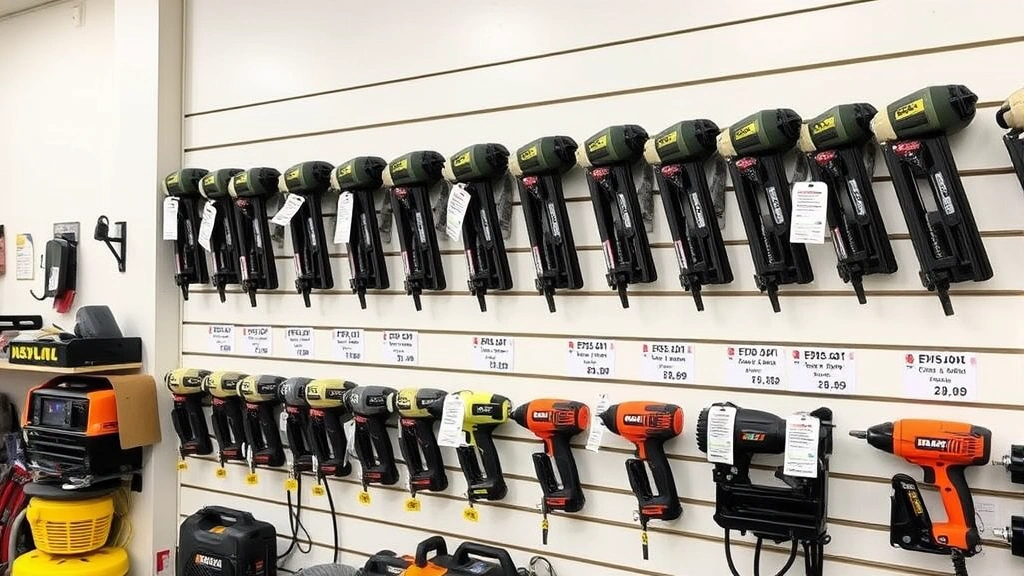
Hidden Fees and Damage Deposits
Rental companies typically require security deposits of $50-$150 for nail gun rentals, refundable upon equipment return in acceptable condition. Some centers charge non-refundable damage waiver fees ($5-$15 per day) that protect against accidental harm. Understanding these fees prevents billing surprises when returning your rental.
Damage assessment policies vary significantly between rental providers. Minor cosmetic wear is typically acceptable, but mechanical damage, lost parts, or missing accessories incur repair charges. A compressor hose with a puncture might cost $30-$50 to replace; a damaged trigger mechanism could result in $100+ repair bills charged to your deposit. Always inspect equipment before leaving the rental facility and document any pre-existing damage in writing.
Late return fees compound rental costs quickly. Many centers charge 1.5-2 times the daily rate for equipment returned after closing time or the next business day. A $15 daily rental becomes a $22.50 charge if returned just a few hours late. Planning your project timeline carefully and returning equipment promptly prevents these avoidable expenses.
Some rental centers offer protection plans for $3-$8 daily that cover accidental damage beyond normal wear. For high-value equipment or uncertain project timelines, this insurance proves worthwhile. Compare protection plan costs against your deductible responsibility—a $5 daily plan might have a $50 deductible, limiting protection value for minor incidents.
Comparing Rental vs. Purchase
A quality nail gun costs $150-$400 for pneumatic models and $300-$600 for cordless versions. DIY fundamentals suggest renting makes sense for one-time projects, but purchasing becomes economical after 10-15 rental instances. Calculate your break-even point by multiplying your daily rental rate by expected usage days, then compare against purchase price.
Ownership brings additional costs: maintenance supplies ($20-$50 annually), storage space requirements, and eventual replacement. A cordless nail gun requires battery replacements ($50-$100) every 2-3 years. For homeowners completing major renovations every 5-10 years, renting proves more economical. Contractors running multiple simultaneous projects benefit from ownership due to daily tool utilization.
Consider your future building plans when deciding between rental and purchase. If you’re planning kitchen renovation, deck construction, and fence installation over the next two years, purchasing a quality cordless nail gun offers convenience and eliminates rental fees. However, if this represents your first major DIY project, renting allows you to evaluate different tool types before committing to purchase.
Environmental factors also influence the decision. Storing power tools in humid garages or unheated workshops accelerates deterioration. Renting eliminates storage concerns and ensures you’re always using well-maintained equipment with manufacturer support and warranty coverage.
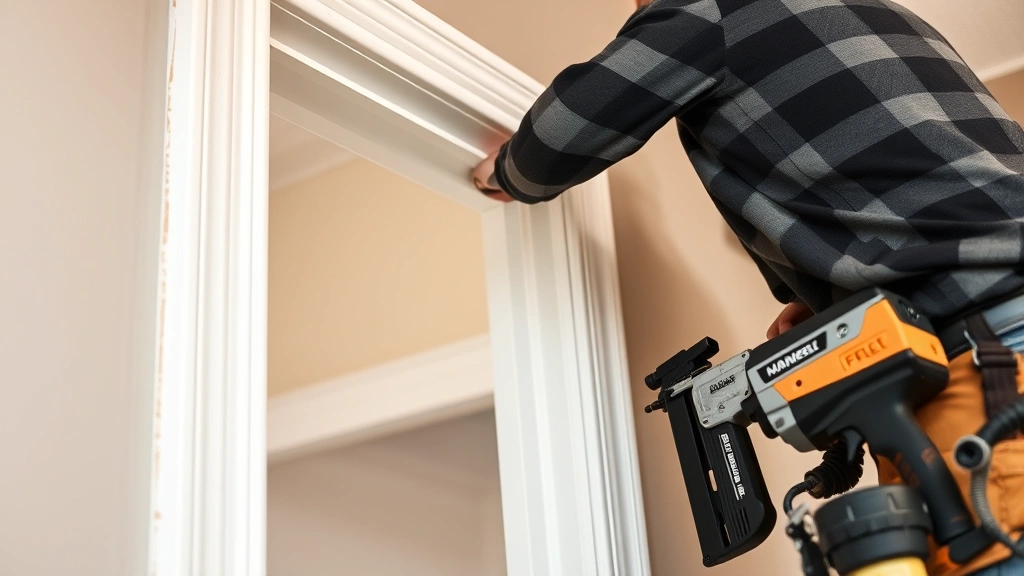
Safety Requirements and Training
Most rental centers require users to watch brief safety videos or receive in-person instruction before operating nail guns. These mandatory orientations cover proper grip techniques, trigger safety, fastener loading, and eye protection requirements. Rental staff may ask you to demonstrate basic competency before releasing equipment—this protects both the rental company and your safety.
Essential safety practices include always wearing ANSI-approved safety glasses, as fastener ricochet or tool malfunction can cause serious eye injury. Hearing protection becomes critical when using pneumatic models, which produce 100+ decibels during operation. Respiratory protection may be necessary depending on your work environment—dust masks or respirators prevent inhalation of wood particles and airborne contaminants.
Proper footwear prevents injuries from dropped tools or fasteners. Steel-toed boots protect against crush injuries from heavy equipment, and slip-resistant soles prevent falls on construction sites. Never operate nail guns while fatigued or under the influence of substances that impair judgment or coordination.
Understanding your specific tool’s safety features prevents accidents. Pneumatic models include sequential firing mechanisms that prevent accidental discharge; cordless versions may have contact-tip safety systems requiring firm pressure against work surfaces. Read the rental center’s instruction manual thoroughly and ask staff to clarify any unclear safety procedures before beginning your project.
Rental centers may require proof of age (typically 18+) for certain nail gun models, particularly those used in professional applications. Some jurisdictions mandate safety certifications for operating specialized fastening tools on commercial projects. Confirm local requirements before renting to avoid complications.
Tips to Minimize Rental Costs
Plan Your Project Timeline Carefully: Consolidate nail gun usage into consecutive days to maximize efficiency. A three-day project using daily rentals costs $24-$60, while spreading work across a week might push costs to $40-$100. Batch similar tasks together and complete all fastening work before returning equipment.
Choose the Right Tool Type: Renting a pneumatic model with compressor costs less than cordless for single-day projects, but cordless becomes economical for multi-day work eliminating compressor rental fees. Evaluate total equipment costs, not just the nail gun rental rate, when comparing options.
Verify Included Equipment: Ask whether rental rates include compressors, hoses, fasteners, and safety gear. Some centers bundle these items at no extra charge, while others charge $5-$15 daily for each additional component. Understanding inclusions prevents budget surprises and reveals the true rental cost.
Inspect Equipment Thoroughly: Damage assessments occur when returning equipment. Documenting pre-existing damage in writing protects your deposit and prevents contractors from charging you for previous renters’ harm. Take photos of equipment condition before leaving the rental facility.
Return Equipment Promptly: Late fees compound quickly—returning equipment by closing time versus the next morning could save $15-$30. Mark your calendar with return deadlines and plan your schedule accordingly.
Compare Multiple Rental Centers: Call three to five local rental companies to compare rates. DIY Nests Hub Blog readers often find 15-25% price variations between nearby facilities. National chains and independent rental shops may offer different pricing models—some charge less daily but higher deposits, while others reverse this structure.
Ask About Loyalty Programs: Frequent renters benefit from membership programs offering 10-20% discounts on subsequent rentals. If you anticipate future tool rentals, joining these programs immediately provides savings on your current rental.
Bundle Tool Rentals: Renting multiple tools simultaneously often qualifies for package discounts. If your project requires nail guns, compressors, and scaffolding, negotiate a combined rate—rental centers frequently offer 15-30% discounts for bundled equipment.
Consider Off-Peak Rentals: Weekday rentals often cost less than weekends when demand peaks. If your schedule permits, renting Monday through Thursday can reduce costs by 10-15% compared to weekend rates.
FAQ
How much does it cost to rent a nail gun for one day?
Standard pneumatic nail guns rent for $8-$15 daily at most equipment rental centers. Cordless models cost $20-$35 daily. Specialty tools like roofing or finish nailers range from $15-$40 daily depending on specifications and your location. Always confirm what’s included—compressor rental may add $10-$20 to your daily cost.
Do I need to rent a compressor separately?
Pneumatic nail guns require air compressors, which typically rent for $10-$20 daily. Some rental centers bundle compressors with pneumatic nail guns at discounted rates. Cordless and electric models eliminate compressor requirements, though their higher rental rates may offset savings from avoided compressor rental.
What’s included in nail gun rental deposits?
Security deposits ($50-$150) protect rental companies against damage and loss. They’re refundable when equipment returns in acceptable condition with no missing parts. Damage assessment occurs upon return—repair charges for mechanical damage are deducted from your deposit. Minor cosmetic wear is typically acceptable without charges.
Can I return a nail gun early for a refund?
Most rental centers don’t offer refunds for early returns, though some credit unused days toward future rentals. Confirm the rental company’s early return policy before signing your agreement. Some facilities offer daily rental rates with no minimum commitment, allowing flexibility for projects finishing ahead of schedule.
What happens if I damage the nail gun during rental?
Damage charges depend on severity and your rental agreement terms. Minor cosmetic damage typically doesn’t incur charges, but mechanical damage results in repair costs deducted from your security deposit. Protection plans ($3-$8 daily) cover accidental damage with deductibles ($25-$50), limiting your liability for unintentional harm.
Are safety glasses and hearing protection included?
Most rental centers don’t include personal protective equipment (PPE) in rental rates. You’re responsible for providing ANSI-approved safety glasses, hearing protection, and respiratory equipment as needed. Some rental shops sell or loan basic PPE at minimal cost; budget $10-$20 for necessary safety gear if you don’t already own it.
How long can I keep a rented nail gun?
Rental periods range from single days to months depending on your needs and the rental center’s inventory. Weekly and monthly rentals offer better rates than daily rentals for extended projects. Confirm return deadlines and late fee policies—most centers charge 1.5-2 times the daily rate for late returns.
What’s the best way to save money on nail gun rentals?
Plan your project timeline to consolidate fastening work into consecutive days, reducing rental duration. Compare rates between multiple rental centers—15-25% price variations are common. Ask about loyalty programs, bundle discounts for multiple tools, and off-peak rental rates. Consider purchasing if you anticipate more than 10-15 rental instances over several years.
Can I rent a nail gun for a commercial construction project?
Yes, rental centers serve both residential and commercial customers. Commercial projects may require safety certifications, insurance documentation, or proof of contractor licensing depending on jurisdiction and project scope. Contact your local rental center about commercial rental requirements and whether rates differ from residential pricing.
What if the nail gun isn’t working properly during my rental?
Contact the rental center immediately if equipment malfunctions during your project. Most facilities provide replacement equipment at no charge for defective tools. Document the malfunction in writing and photograph the problem—this protects you from damage charges for pre-existing mechanical issues.


