
HVAC Replacement Costs: Expert Insights Inside
Replacing your heating and air conditioning system is one of the most significant home improvement investments you’ll make. Whether your current unit has reached the end of its lifespan or you’re upgrading to a more efficient model, understanding the true cost of HVAC replacement is essential for budgeting and decision-making. The average homeowner spends between $5,000 and $15,000 for a complete system replacement, but this figure varies dramatically based on your location, home size, system type, and installation complexity.
This comprehensive guide breaks down every cost factor you need to know, from equipment pricing to labor expenses, efficiency ratings, and potential financing options. We’ll help you navigate the HVAC replacement process like a seasoned professional, ensuring you make informed decisions that protect both your comfort and your wallet.
Average HVAC System Replacement Costs by Region
The cost of replacing your heating and air conditioning system varies significantly across different U.S. regions due to labor rates, local building codes, climate demands, and market competition. Understanding regional pricing helps you establish realistic expectations for your specific area.
In the Northeast, where heating systems are critical, homeowners typically spend $6,500 to $12,000 for complete HVAC replacement. This region’s harsh winters mean contractors charge premium prices for installation during peak heating season. The Midwest generally offers more competitive pricing, ranging from $5,500 to $10,000, though winter emergencies can drive costs higher.
The South and Southwest regions experience lower average costs ($5,000 to $9,000) because cooling systems are the primary focus and installation is often less complicated. However, in major metropolitan areas like Austin, Atlanta, and Miami, prices creep toward the national average. The West Coast, particularly California and the Pacific Northwest, tends toward the higher end at $7,000 to $14,000 due to stricter building codes and higher labor costs.
When comparing how much does it cost to add a bathroom, HVAC replacement is similarly variable by region. Both projects require licensed professionals and depend heavily on local market conditions. According to the HVAC School, regional variations can account for 30-40% price differences for identical equipment and installation scope.
Breaking Down Equipment Costs
The equipment itself typically represents 40-50% of your total HVAC replacement expense. Understanding what you’re paying for helps you evaluate whether premium options justify their additional cost.
Furnace costs range from $2,500 to $6,000 depending on capacity (measured in BTU), efficiency rating (AFUE %), and brand reputation. A basic 80 AFUE furnace costs less than a high-efficiency 95+ AFUE model, but the efficient version recovers its premium through lower utility bills. Air conditioner costs typically span $2,000 to $5,500 for the outdoor condenser unit, with pricing based on cooling capacity (SEER rating) and seasonal energy efficiency.
The evaporator coil, which works with your air conditioning system, usually costs $1,500 to $3,000 installed. This component is crucial for cooling efficiency and longevity. Ductwork modifications can add $1,000 to $3,000 if your existing ducts need sealing, insulation, or reconfiguration.
Brand selection significantly impacts equipment pricing. Premium manufacturers like Carrier, Trane, and Lennox command higher prices but often include extended warranties and superior reliability. Budget-friendly brands like Goodman or Daikin offer solid performance at lower price points. Mid-range options from York or Rheem balance cost and quality effectively.
When planning your budget, consider that DIY home security improvements are often more affordable than HVAC systems because they don’t require licensed professionals. HVAC equipment requires proper sizing and installation certification to maintain manufacturer warranties and comply with building codes.
Labor and Installation Expenses
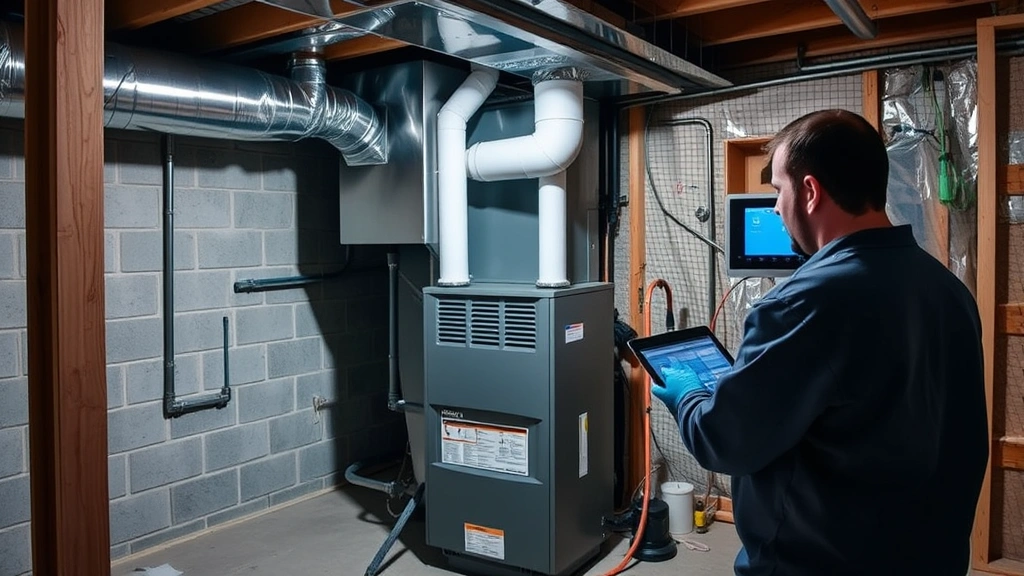
Professional installation labor typically accounts for 40-60% of your total HVAC replacement cost. This is where expertise, licensing, and proper execution directly impact your system’s performance and lifespan.
Installation labor costs range from $2,000 to $7,000 depending on your system’s complexity and your region’s prevailing wage rates. Licensed HVAC technicians charge $75-$150 per hour, and a complete system replacement usually requires 8-16 labor hours. Complex installations in tight spaces or homes with difficult ductwork configurations take longer and cost more.
The installation process includes several critical steps: removing the old equipment (often $500-$1,500 for proper disposal), installing the new furnace and condenser unit, connecting refrigerant lines, installing or modifying ductwork, testing the system for proper airflow and temperature balance, and documenting everything for warranty purposes. Proper building code compliance requires certified installation—this isn’t an area for shortcuts.
Many contractors include a service call or maintenance visit in their installation package, which adds value. Some offer extended labor warranties (5-10 years) that cover future repairs, providing peace of mind beyond the equipment manufacturer’s warranty.
Factors That Impact Your Final Price
Beyond basic equipment and labor, numerous variables affect your final HVAC replacement cost. Understanding these factors helps you anticipate potential surprises and negotiate effectively with contractors.
Home size is a primary cost driver. A 1,200 square-foot home requires different capacity equipment than a 4,000 square-foot home. Oversizing or undersizing your system reduces efficiency and increases operating costs, so proper load calculations (using ASHRAE standards) are essential. Larger homes typically require higher-capacity units and more extensive ductwork modifications.
Existing ductwork condition significantly impacts cost. If your current ducts are properly sized, sealed, and insulated, installation is straightforward. Leaky or undersized ducts require sealing, insulation, or complete replacement, adding $1,000-$4,000 to your project. Many homeowners discover ductwork issues only during the replacement process.
System type selection affects pricing substantially. A traditional split system (separate indoor and outdoor units) costs less than a heat pump system or ductless mini-split installation. Heat pumps cost more upfront ($6,000-$15,000) but provide both heating and cooling in one unit, ideal for mild climates. Ductless systems (mini-splits) cost $4,000-$10,000 per zone and work well for additions or homes without ductwork.
Refrigerant type influences equipment pricing and future operating costs. Older R-22 refrigerant is being phased out, making it expensive. Newer R-410A and R-32 refrigerants are more efficient and environmentally friendly. When you replace your system, upgrading to modern refrigerant is often required by building codes.
Seasonal timing dramatically affects pricing. Summer is peak cooling season, and winter is peak heating season. Scheduling replacement during shoulder seasons (spring or fall) can reduce labor costs by 10-20% because contractors have more availability. Emergency replacements during extreme weather cost 30-50% more.
Consider how DIY basement finishing projects compare in complexity—both require proper ventilation and climate control considerations. However, HVAC systems have stricter regulatory requirements that demand licensed professional installation.
Energy Efficiency Ratings and Long-Term Savings
Investing in higher-efficiency HVAC equipment costs more initially but generates substantial long-term savings through reduced energy consumption. Understanding efficiency ratings helps you calculate true cost of ownership.
AFUE (Annual Fuel Utilization Efficiency) rates furnaces on a scale of 80-98%. An 80 AFUE furnace converts 80% of fuel to usable heat; the rest escapes as waste. A 95 AFUE furnace wastes only 5%, translating to significant savings. The 15-point difference might cost $1,500-$2,000 more upfront but saves approximately $200-$400 annually in heating costs, paying for itself in 5-10 years.
SEER (Seasonal Energy Efficiency Ratio) measures air conditioning efficiency on a scale of 13-25. Higher SEER ratings mean lower cooling costs. A SEER 16 unit costs $500-$1,000 more than SEER 13 but reduces cooling expenses by 20-25%. In hot climates, this premium pays back in 3-5 years.
HSPF (Heating Seasonal Performance Factor) rates heat pump heating efficiency. Modern heat pumps (HSPF 9+) provide efficient heating even in cold climates, though they’re most cost-effective in moderate climates. The premium for high-efficiency heat pumps ($2,000-$4,000 extra) is offset by combined heating/cooling savings.
Federal tax credits and rebates can offset efficiency premiums. The Energy Star program provides rebates for qualifying high-efficiency systems. Some states and utilities offer additional incentives. Check your local programs before purchase—available rebates might reduce your net cost by $500-$2,000.
Energy modeling tools help quantify long-term savings. Most HVAC contractors can estimate annual energy cost differences between efficiency levels. Over a system’s 15-20 year lifespan, efficiency upgrades often provide total savings exceeding their premium cost.
Financing and Payment Options
HVAC replacement is a significant expense, and most homeowners explore financing options to manage the cost impact. Understanding available programs helps you choose the best strategy for your financial situation.
Cash payment eliminates interest costs but requires substantial upfront capital. Many contractors offer 5-10% discounts for cash payment, partially offsetting the financing cost of borrowing elsewhere.
Contractor financing through third parties (Synchrony, Affirm, LendingClub) offers 0% interest for 12-24 months if you pay in full within that period. This works well if you can pay before interest kicks in. Read terms carefully—missed payments trigger high retroactive interest.
Home equity lines of credit (HELOC) or home equity loans typically offer the lowest interest rates (4-8%) because your home secures the loan. These work best if you have substantial equity and can handle monthly payments over 5-10 years.
Personal loans require no home equity but charge higher interest (6-15%). Monthly payments are predictable, making budgeting straightforward. Shop rates among multiple lenders—rates vary significantly.
Government programs in some areas provide low-interest or grant funding for HVAC upgrades that improve energy efficiency. Contact your local utility company or housing authority about available programs.
Manufacturer financing sometimes offers special rates on premium equipment purchases. Carrier, Trane, and other major brands partner with financial institutions to provide attractive terms on their products.
DIY vs. Professional Installation
While you might handle DIY car repairs successfully, HVAC system replacement isn’t appropriate for most homeowners. Here’s why professional installation is essential:
Licensing and certification requirements vary by location but typically demand EPA Section 608 certification for handling refrigerant, state HVAC licensing, and sometimes additional local permits. These credentials represent training in safety, efficiency, and code compliance that DIY work cannot replicate.
Warranty implications are critical. Most manufacturers void warranties if unlicensed individuals install equipment. This means you’re responsible for all repairs during the 5-10 year warranty period—potentially costing thousands.
Building code compliance requires professional installation documentation. Inspectors verify that work meets current codes for safety, efficiency, and ventilation. Non-compliant installation can affect home sale value and insurance coverage.
Refrigerant handling is dangerous without proper training. Improper handling damages the ozone layer, violates EPA regulations, and creates safety hazards. Licensed technicians follow strict protocols for refrigerant recovery and installation.
Load calculations require HVAC-specific expertise. Proper sizing depends on factors like insulation, window area, occupancy patterns, and climate zone. Oversized or undersized systems waste energy and create comfort problems.
While you cannot DIY the installation, you can research systems, get multiple quotes, and learn about options before hiring professionals. This knowledge helps you make informed decisions and negotiate better pricing.
Hidden Costs and Additional Considerations
Smart HVAC replacement planning accounts for potential hidden costs that surface during installation or shortly after:
Electrical upgrades sometimes become necessary. Modern high-efficiency systems may require dedicated circuits or panel capacity increases, costing $500-$2,000. Your contractor should identify this during the estimate phase.
Condensate drainage modifications are often needed for air conditioning systems. Proper drainage prevents water damage and mold growth. Rerouting drains or installing condensate pumps adds $200-$600.
Thermostat replacement is frequently recommended with system upgrades. Programmable or smart thermostats ($200-$500) optimize efficiency and provide better temperature control than older mechanical models.
Ductwork sealing is cost-effective but often discovered during installation. Sealing leaks with mastic or tape improves efficiency by 10-15%, costing $200-$800 but saving substantially on energy bills.
Disposal and haul-away of old equipment is sometimes quoted separately. Most contractors include this ($500-$1,500), but verify it’s included in your estimate.
Permits and inspections are required in most jurisdictions. Costs vary ($50-$300) but ensure your installation meets building codes and maintains home insurance coverage.
Extended warranties beyond manufacturer coverage provide peace of mind. 5-10 year labor warranties ($500-$1,500) cover future repairs, protecting against unexpected expenses.
When budgeting, add 10-15% contingency for unexpected issues. This buffer prevents financial stress if complications arise during installation.
Frequently Asked Questions
What’s the average cost to replace a heating and air conditioning system?
The national average for complete HVAC system replacement ranges from $5,000 to $15,000, with most homeowners spending $8,000-$12,000. Costs vary based on region, home size, system type, and equipment efficiency level. Get multiple quotes from licensed contractors in your area for accurate pricing.
Can I replace just the furnace or air conditioner instead of the whole system?
Yes, you can replace components individually, though it’s usually more cost-effective to replace both simultaneously if they’re similar age. Mismatched equipment ages (old furnace with new air conditioner) reduces efficiency. If one component is newer and functioning well, replacing only the failed unit saves money initially but may require future replacement sooner.
How long does HVAC installation take?
A typical full system replacement takes 1-3 days depending on complexity. Simple replacements in homes with good existing ductwork might finish in one day. Complex installations with ductwork modifications, electrical upgrades, or difficult access can take 3-5 days.
What’s the lifespan of a new HVAC system?
Modern HVAC systems typically last 15-20 years with proper maintenance. High-efficiency systems sometimes last longer due to less demanding operation. Regular maintenance (annual tune-ups, filter changes) significantly extends lifespan and maintains warranty coverage.
Should I upgrade to a heat pump system?
Heat pumps cost more upfront ($2,000-$4,000 premium) but provide both heating and cooling in one unit. They’re most cost-effective in mild climates where heating demand is moderate. In very cold climates, supplemental heating may be needed, reducing efficiency advantages. Evaluate your climate and heating/cooling balance before deciding.
Are there tax credits for HVAC replacement?
Federal tax credits for Energy Star qualified systems provide $300-$2,000 depending on equipment efficiency. State and local rebates vary by location—check with your utility company and state energy office. Some programs require professional installation documentation, so work with contractors familiar with rebate requirements.
How do I find a reliable HVAC contractor?
Verify licensing, insurance, and references. Check online reviews on Google, Angie’s List, and the Better Business Bureau. Get at least three written quotes comparing equipment, labor, warranties, and financing options. Ask about membership in professional organizations like the HVACR Industry Alliance. Avoid contractors offering estimates without visiting your home—proper sizing requires on-site assessment.
What maintenance keeps my new system running efficiently?
Change air filters monthly during heating/cooling season. Schedule professional maintenance annually (fall for heating, spring for cooling) including refrigerant level checks, electrical connection inspection, and system performance testing. Clean outdoor condenser coils yearly. Seal and insulate accessible ductwork. Proper maintenance prevents costly repairs and maintains efficiency throughout the system’s lifespan.