
AC Replacement Cost? Expert Pricing Insights for Heating and Air Conditioning Systems
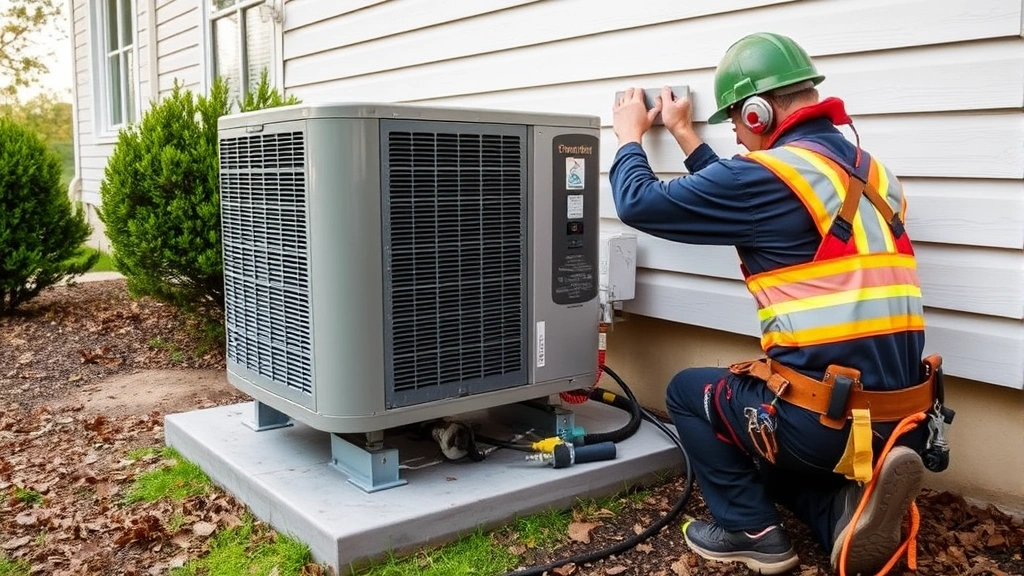
Replacing your heating and air conditioning system represents one of the largest home improvement investments you’ll make. Whether your current HVAC unit has reached the end of its lifespan or you’re upgrading to a more efficient model, understanding the true cost of replacement is essential for budgeting and decision-making. Most homeowners face replacement costs ranging from $4,000 to $12,000 or more, depending on numerous factors including system type, home size, installation complexity, and regional labor rates.
The financial commitment extends beyond the sticker price of the equipment itself. Installation labor, ductwork modifications, permits, inspections, and potential structural adjustments all contribute to your final bill. This comprehensive guide breaks down every cost component, helping you make an informed decision about your heating and cooling investment. Whether you’re dealing with a failed furnace, a struggling air conditioner, or both, knowing what to expect financially puts you in control of the process.
Understanding HVAC System Types and Costs
The type of heating and air conditioning system you choose dramatically impacts your total replacement cost. Split systems, which separate the outdoor condenser unit from the indoor air handler, remain the most common choice in residential properties. These systems typically cost $3,500 to $10,000 for equipment alone, depending on efficiency ratings and brand selection. A standard 14 SEER (Seasonal Energy Efficiency Ratio) air conditioner costs considerably less than a high-efficiency 18+ SEER model, though the premium efficiency option saves money over time through reduced energy consumption.
Packaged systems, where all components reside in a single outdoor unit, generally cost less upfront—typically $2,500 to $6,000 for equipment. However, these systems work best in homes without existing ductwork or those with space constraints. Heat pumps, which provide both heating and cooling, range from $4,000 to $9,000 for the equipment and offer excellent long-term energy savings, particularly in moderate climates. Ductless mini-split systems represent a premium option at $5,000 to $15,000 but provide zone-specific temperature control and superior efficiency.
When evaluating how much to replace a heating and air conditioning system, the equipment grade matters significantly. Budget-friendly units from basic manufacturers might cost $2,000 to $4,000, while premium brands like Lennox, Carrier, and Trane command $4,000 to $8,000 for comparable capacity. Mid-range options from reputable manufacturers offer the best value proposition for most homeowners, balancing affordability with reliability and warranty coverage.
Furnaces for heating add $2,000 to $6,000 to your total replacement cost, depending on fuel type (natural gas, oil, or electric) and efficiency ratings. A standard 80% AFUE (Annual Fuel Utilization Efficiency) furnace costs less than a 95%+ AFUE high-efficiency model, but the energy savings over 15-20 years justify the premium investment. Many homeowners choose to replace both their air conditioning and heating systems simultaneously, maximizing labor efficiency and ensuring matched component compatibility.

Factors Affecting Replacement Pricing
Home size represents the primary determinant of HVAC equipment costs. Larger homes require higher-capacity units measured in tons (typically 2 to 5 tons for residential applications). A 2-ton system suitable for a 1,000 square-foot home costs substantially less than a 5-ton system for a 3,500 square-foot residence. HVAC professionals calculate required capacity using Manual J load calculations, which account for insulation, window quality, climate zone, and sun exposure. Undersized systems strain continuously and fail prematurely, while oversized units cycle inefficiently and waste energy.
Ductwork condition and configuration significantly impact installation costs. Homes with existing, well-maintained ducts need only new equipment installation, typically 1-3 days of labor. However, if your ductwork requires repair, sealing, or partial replacement, expect additional costs of $1,000 to $3,000. Homes without ductwork—common in older properties or those with radiant heat—require complete duct system installation, adding $3,000 to $8,000 to your project budget. Properly sized and sealed ductwork is essential for system efficiency; leaky ducts reduce cooling and heating capacity by 15-30%.
Your home’s age and construction type influence installation complexity. Single-story homes with attic access present fewer challenges than multi-story properties requiring vertical ductwork runs. Homes built before the 1980s may have electrical panel limitations, requiring upgrades to support modern high-capacity equipment. Crawlspace access, basement conditions, and attic ventilation all affect installation time and labor costs. Historical homes or those with architectural restrictions may require specialty equipment or installation methods, increasing expenses.
Existing equipment removal and disposal adds $200 to $500 to your total cost. HVAC contractors must properly recover refrigerant from old air conditioning units before disposal—an environmental requirement enforced by the EPA. Some contractors include removal in their quoted price, while others charge separately. Always clarify disposal costs during your initial estimate consultation.
Thermostat upgrades represent another variable cost factor. Basic programmable thermostats cost $100 to $300, while smart thermostats with WiFi connectivity and learning algorithms range from $200 to $600. Smart thermostats integrate with DIY home security systems and provide remote temperature management, justifying the premium for many homeowners. Your new HVAC system may require thermostat upgrades for proper operation, so factor this into your planning.
Labor Costs and Installation Expenses
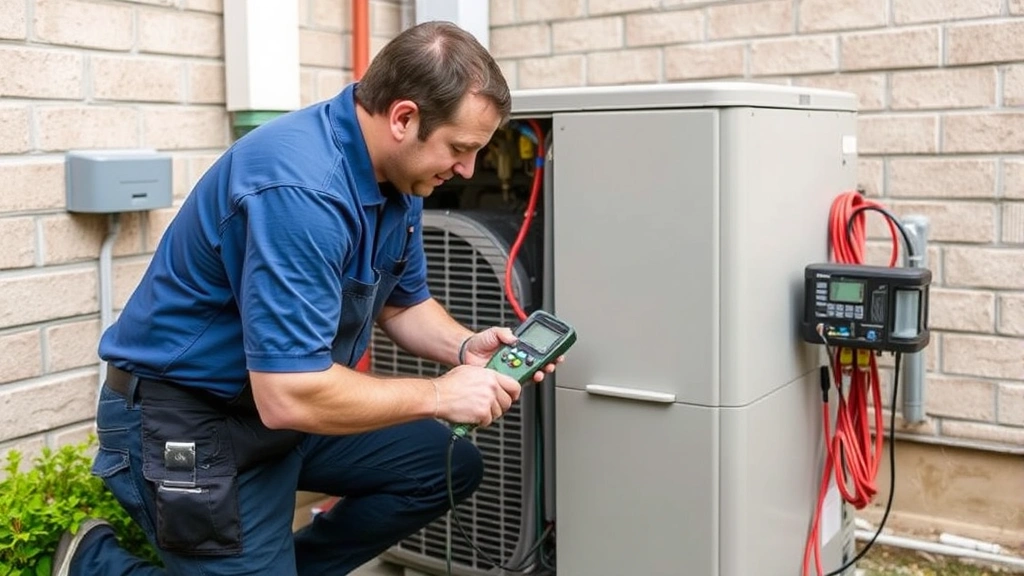
Labor represents 40-60% of your total HVAC replacement cost, making contractor selection crucial for both price and quality. Standard installation typically requires 8-16 hours of skilled labor spread across 2-3 days. Simple replacements in homes with good ductwork and straightforward access cost $1,500 to $3,000 in labor alone. Complex installations involving ductwork modifications, electrical upgrades, or challenging access conditions can reach $4,000 to $8,000 in labor charges.
Geographic location heavily influences labor rates. Metropolitan areas with high cost-of-living typically charge $100-$200 per hour for licensed HVAC technicians, while rural regions may charge $60-$120 per hour. A system requiring 12 hours of installation labor costs $720 to $2,400 depending on location—a substantial difference in your final bill. Always obtain multiple quotes from local contractors to understand your regional pricing standards.
Permit and inspection costs, typically $150 to $500, vary by jurisdiction. Most municipalities require HVAC permits to ensure installations meet current building codes and safety standards. Licensed contractors handle permit acquisition, though some pass costs directly to customers. Inspections verify proper installation, refrigerant charge levels, and ductwork integrity. These regulatory requirements protect your home’s safety and ensure system longevity, making them essential expenses rather than optional add-ons.
Refrigerant charging represents a critical installation step affecting system efficiency and performance. Proper refrigerant charge—measured in pounds and determined by the equipment manufacturer—is essential for optimal cooling capacity and compressor protection. Undercharged systems run inefficiently and overheat, while overcharged systems reduce efficiency and damage compressors. Many warranty issues stem from improper charging, making this detail worth verifying. Some contractors include proper charging in their quoted price; others charge $150 to $300 additionally.
Additional installation services may include condensate drain line installation or modification ($200-$400), electrical work for new disconnect switches or panel upgrades ($300-$1,000), and vibration isolation pads for outdoor units ($100-$300). Indoor air quality upgrades like UV purifiers or HEPA filters add $500 to $2,000 but significantly improve air quality and system efficiency.
Regional Price Variations
HVAC replacement costs vary dramatically across North America due to labor rates, climate demands, and local competition. The Northeast typically experiences higher costs due to dense urban populations, high labor rates, and cold winters requiring robust heating systems. A replacement that costs $7,000 in rural Pennsylvania might cost $9,500 in Boston or New York City. The Midwest offers moderate pricing with strong contractor competition in most metropolitan areas, typically ranging $5,500 to $8,500 for standard replacements.
Southern states benefit from warmer climates requiring less heating capacity, reducing equipment costs. However, intense cooling demands and higher humidity levels necessitate robust air conditioning systems with excellent dehumidification capacity. Texas, Florida, and Arizona typically see replacement costs between $5,000 and $8,000 depending on system type and home size. The Pacific Northwest experiences moderate pricing similar to the Midwest, though coastal California markets command premium rates comparable to the Northeast.
Rural areas often have fewer contractor options, potentially increasing costs through reduced competition. Conversely, rural installation may be simpler with better ductwork access, potentially offsetting higher labor rates. Always obtain quotes from multiple contractors in your area—competition drives prices downward while maintaining quality standards.
Seasonal pricing fluctuations significantly impact HVAC replacement costs. Summer and winter—peak cooling and heating seasons—present the highest prices as contractors maintain full schedules. Spring and fall offer 10-20% discounts as contractor availability increases. If your system fails during peak season, you’ll pay premium pricing due to emergency service charges and limited availability. Planning replacements during shoulder seasons maximizes your negotiating power and contractor selection options.
Financing Options and Incentives
Most homeowners cannot pay cash for complete HVAC replacement, making financing options essential. Many contractors offer in-house financing through third-party lenders, typically charging 0-12% interest depending on creditworthiness and loan term. A $7,000 system financed over 5 years at 6% interest costs approximately $1,291 annually. Always compare contractor financing with personal loans or home equity lines of credit from banks, which often offer better rates.
Federal tax credits and rebates significantly reduce your net replacement cost. The Energy Policy Act provides tax credits up to $300 for qualified high-efficiency air conditioning and heating equipment. State and local incentives vary widely—some utilities offer rebates of $500 to $1,500 for upgrading to Energy Star certified systems. The Database of State Incentives for Renewables and Efficiency (DSIRE) lists all available incentives by location. Taking advantage of these programs can reduce your effective cost by 10-20%.
Manufacturer rebates typically range from $300 to $1,500 when you purchase qualifying equipment. These rebates incentivize upgrades to higher-efficiency models, improving your long-term energy savings. Contractor partnerships with major manufacturers often allow them to pass rebates directly to customers, reducing your out-of-pocket expense. Always ask contractors about available manufacturer rebates during quote discussions.
Energy-efficient HVAC systems qualify for special financing programs through some utilities and credit unions. These programs may offer lower interest rates or extended repayment terms specifically for energy-saving home improvements. Research programs in your area before selecting a contractor, as some may have established relationships facilitating application and approval.
Hidden Costs to Budget For
Beyond the obvious equipment and labor charges, several hidden expenses can surprise homeowners during HVAC replacement. Ductwork sealing and balancing, often overlooked in initial quotes, costs $500 to $2,000 but improves system efficiency by 15-25%. Properly balanced ductwork ensures consistent temperature distribution throughout your home, eliminating hot and cold spots that plague many installations.
Electrical upgrades represent another common hidden cost. Modern HVAC systems require dedicated 240-volt circuits with appropriate amperage. Older homes may lack adequate electrical capacity, necessitating panel upgrades costing $1,000 to $3,000. A pre-installation electrical inspection prevents costly surprises mid-project. Ask contractors about electrical requirements before signing contracts.
Structural modifications for outdoor unit placement can add unexpected costs. Some installations require concrete pads ($200-$500), riser blocks for proper drainage ($100-$300), or vibration isolation equipment. Homes with space constraints may require moving existing utilities or modifying landscaping, potentially adding $500 to $2,000.
Extended warranties and service plans cost $300 to $1,000 but provide valuable protection. Standard manufacturer warranties cover parts for 5-10 years and labor for 1-5 years. Extended plans add coverage years and may include annual maintenance, parts replacement, and emergency service. For older homeowners or those preferring predictable costs, extended warranties justify their expense.
Post-installation adjustments and fine-tuning, sometimes called system commissioning, ensure optimal performance. Professional technicians verify proper refrigerant charge, airflow balance, and thermostat calibration. Some contractors include commissioning; others charge $200 to $400. Proper commissioning maximizes efficiency and prevents premature equipment failure.
Getting Accurate Quotes
Obtaining multiple competitive quotes is essential for finding the best value. Contact at least three licensed contractors in your area, providing identical information about your home size, current system type, and desired equipment specifications. Detailed quotes should specify equipment model numbers, efficiency ratings, installation scope, labor hours, warranty coverage, and payment terms. Comparing identical specifications across contractors reveals true price differences versus misleading low-ball estimates.
Beware of quotes that seem unusually low. Contractors quoting $3,000 for a complete system replacement likely plan to cut corners on installation quality, use inferior materials, or charge additional fees mid-project. The Air Conditioning Contractors of America (ACCA) provides standards for proper HVAC installation; contractors following these standards charge appropriately for quality work.
Ask contractors about their licensing, insurance, and manufacturer certifications. Licensed contractors maintain liability insurance protecting your home if accidents occur. Manufacturer certifications indicate specialized training and access to warranty support. Verify credentials with your state’s licensing board before signing contracts. Online reviews from verified customers provide insights into contractor reliability and customer service quality.
Request detailed warranty information in writing. Compare parts coverage duration, labor coverage terms, and any conditions affecting warranty validity. Some manufacturers void warranties if non-certified technicians perform repairs. Understanding warranty terms prevents disputes if problems arise post-installation.
Discuss maintenance plans during quote consultations. Annual maintenance costing $150 to $300 prevents many problems and maintains manufacturer warranties. Contractors offering service plans provide predictable costs and priority service scheduling, valuable benefits for long-term system reliability.
The cheapest quote rarely represents the best value. A contractor bidding 20% below competitors may lack experience, use inferior equipment, or plan inadequate installation. Mid-range quotes from established contractors with strong references typically offer the best balance of price and quality. Trust your instincts—professional contractors communicate clearly, answer questions thoroughly, and provide honest assessments of your system’s condition and replacement needs.
FAQ
How long do HVAC systems typically last before replacement becomes necessary?
Most HVAC systems operate effectively for 15-20 years with proper maintenance. Air conditioning units often last 12-17 years, while furnaces may reach 20-25 years. System age, maintenance history, and usage patterns affect longevity. Systems approaching 15 years old should receive professional evaluations to assess remaining lifespan and plan replacement timing strategically.
Can I replace just the air conditioning or heating component?
Yes, you can replace individual components if the other remains functional. However, matched systems—where air conditioning and heating components are manufactured together—operate more efficiently and reliably. Replacing only one component may reduce overall system efficiency by 10-15%. If your heating or cooling system is more than 10 years old, replacing both components simultaneously often costs less long-term than sequential replacements.
What efficiency rating should I target for my replacement system?
Target at least 14 SEER for air conditioning and 90% AFUE for furnaces. These mid-range efficiency ratings provide excellent long-term value with payback periods of 7-10 years through energy savings. High-efficiency 16+ SEER and 95%+ AFUE systems cost 15-25% more but reduce energy consumption by 20-30%, justifying premium pricing for homeowners planning to stay long-term.
Should I replace ductwork during HVAC replacement?
Have your ductwork professionally inspected before replacement. Well-maintained ducts from homes less than 25 years old typically require only sealing and balancing. Older ductwork, visible damage, or significant leakage warrant replacement or substantial modification. New ductwork installation costs more upfront but improves efficiency, air quality, and system performance substantially.
What maintenance prevents premature HVAC failure?
Annual professional maintenance including filter changes, coil cleaning, refrigerant charge verification, and electrical connection inspection prevents most system failures. Regular maintenance extends system lifespan by 5+ years and maintains manufacturer warranties. Homeowners should change air filters monthly during peak seasons and every 2-3 months during mild weather. See our guide on DIY repairs and maintenance for similar preventive principles applicable to home systems.
Is it worth upgrading to a smart thermostat during replacement?
Smart thermostats costing $200-$600 save $10-$15 monthly on energy bills through learning algorithms and remote management. Over 5 years, energy savings exceed equipment cost, making upgrades financially sensible. Additional benefits include integration with home automation systems and detailed energy usage reporting. If your current thermostat is 15+ years old, upgrading during replacement makes financial and convenience sense.
What should I do if my system fails unexpectedly?
Contact licensed contractors immediately for emergency service. Emergency repairs cost 50-100% more than scheduled work but prevent dangerous heating loss in winter or unbearable cooling loss in summer. While awaiting service, seal drafts, close unused rooms, and use portable heaters or fans to maintain comfort. Many contractors offer extended warranties and service plans providing priority emergency response—valuable protection for system failure scenarios.
How does system size affect replacement cost?
Larger homes requiring higher-capacity systems (4-5 tons) cost 30-50% more than smaller systems (2-3 tons) for identical efficiency ratings. However, undersizing systems to reduce cost creates problems—continuous operation, poor performance, and premature failure. Professional Manual J load calculations ensure proper sizing, balancing cost and performance appropriately for your specific home.
Are there financing options for HVAC replacement?
Yes, multiple options exist: contractor financing (0-12% interest), personal bank loans, home equity lines of credit, and utility-sponsored energy efficiency programs. Compare interest rates and terms across options before selecting financing. Factor in federal tax credits and manufacturer rebates when calculating true cost. Some credit unions offer special rates for energy-efficient equipment, potentially saving hundreds in interest.
What should I verify before hiring an HVAC contractor?
Verify licensing through your state’s regulatory board, confirm liability and workers’ compensation insurance, and request references from recent customers. Check online reviews on Google, Yelp, and the Better Business Bureau. Ask about manufacturer certifications, warranty coverage details, and maintenance plan options. Professional contractors willingly provide this information and encourage verification—hesitant contractors warrant concern.
Summary: Replacing your heating and air conditioning system costs $4,000 to $12,000+ depending on system type, home size, installation complexity, and regional pricing. Equipment typically comprises 40-60% of costs while labor accounts for 40-60%. Factor in ductwork modifications, permits, thermostats, and extended warranties when budgeting. Obtain multiple quotes from licensed contractors, compare identical specifications, and verify credentials thoroughly. Federal tax credits and manufacturer rebates reduce net costs significantly. Proper planning during shoulder seasons maximizes contractor selection and negotiating power. Understanding complete cost components prevents surprises and helps you make informed decisions about this major home investment.