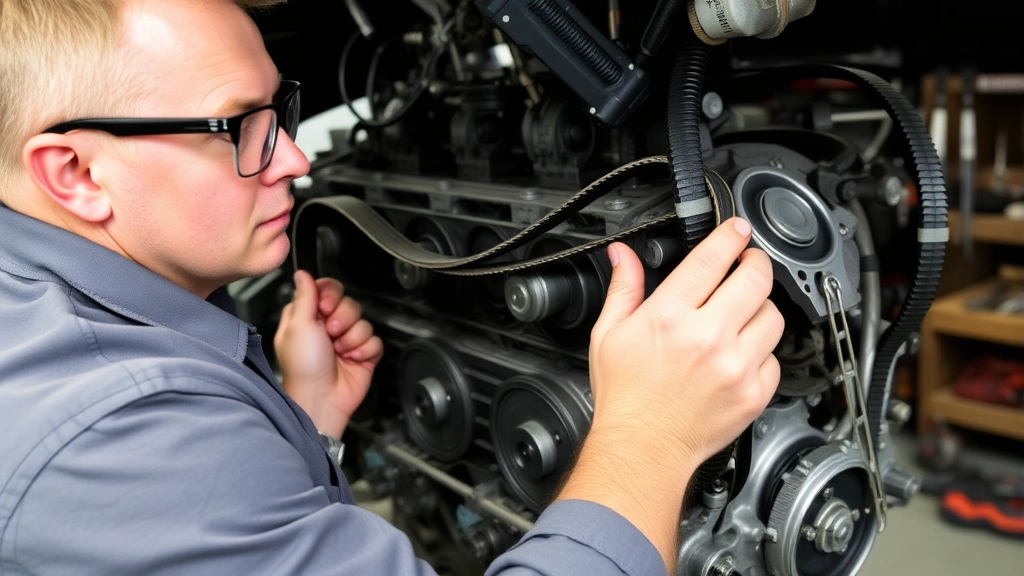
Replacing Timing Belt: Mechanic Costs Explained
The timing belt is one of the most critical components in your vehicle’s engine, responsible for synchronizing the crankshaft and camshaft rotations to ensure proper valve operation. When this essential belt begins to wear or fails, replacement becomes unavoidable—and understanding the costs involved helps you budget appropriately and make informed decisions about repair shops. Unlike some automotive maintenance tasks, timing belt replacement demands precision and expertise, making it a job where professional assistance is typically recommended over DIY attempts.
Timing belt failure can result in catastrophic engine damage, including bent valves, damaged pistons, and cylinder head problems that cost thousands to repair. This guide breaks down exactly what you’ll pay at a mechanic’s shop, what factors influence pricing, and how to avoid overpaying for this critical service. Whether you’re facing an unexpected replacement or planning ahead for scheduled maintenance, knowing the real costs and what’s included in the service helps you evaluate mechanic quotes with confidence.
Average Timing Belt Replacement Costs
Timing belt replacement typically ranges from $500 to $1,500 at professional repair shops, with some luxury and high-performance vehicles exceeding $2,000. The wide price range reflects significant variation based on vehicle make, model, engine size, and labor accessibility. For most domestic vehicles, you can expect costs between $600 and $1,200, while European and Japanese brands often fall in the $800 to $1,500 range.
The cost breakdown generally follows this pattern: parts account for 30-40% of the total expense, while labor comprises 60-70%. This heavy labor component exists because timing belt replacement requires removing multiple engine components, draining coolant, and performing precise timing adjustments. A typical timing belt replacement job requires 2-4 hours of professional labor, depending on engine accessibility and vehicle design. Understanding this cost structure helps explain why quotes vary significantly between shops—labor rates differ substantially across regions and shop types.
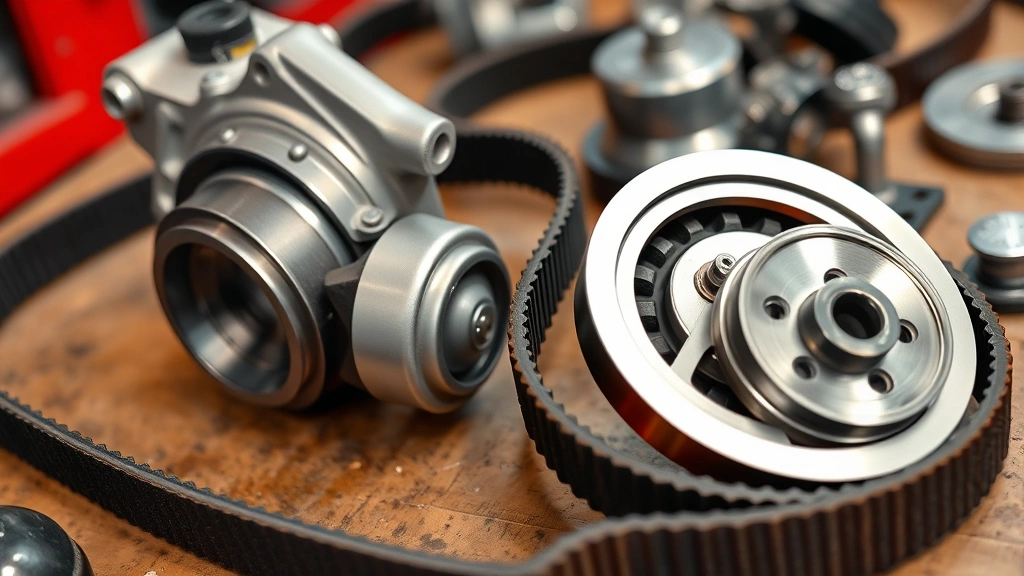
When budgeting for timing belt replacement, consider that many mechanics recommend replacing related components simultaneously, including the water pump, tensioner, and idler pulleys. Adding these preventative replacements typically costs an additional $200-$500 but can prevent future failures and additional labor costs. This approach aligns with industry best practices, as accessing these components requires the same disassembly work.

Labor Costs vs. Parts Costs
Labor represents the majority of timing belt replacement expenses, typically consuming 60-70% of your total bill. Professional mechanics charge between $75 and $200 per hour depending on location, shop type, and technician certification. A timing belt replacement requiring three hours at a shop charging $120 per hour means $360 in labor alone—and many vehicles require 3-5 hours when accounting for the full scope of work.
Parts costs vary considerably based on vehicle specifications. OEM (original equipment manufacturer) timing belts typically cost $150-$400, while quality aftermarket alternatives range from $80-$250. The distinction matters: OEM parts come with manufacturer warranties and guaranteed compatibility, while quality aftermarket parts from reputable brands offer reasonable durability at lower cost. Avoid bargain-basement timing belts from unknown manufacturers, as a failed timing belt during operation can cause engine damage worth thousands.
Additional components often replaced during timing belt service add to parts costs. A water pump replacement adds $150-$400 depending on the vehicle, tensioners cost $50-$200, and idler pulleys run $30-$150 each. While these seem like add-ons, replacing them during timing belt service is economically smart since the labor to access them is already paid for. Delaying these replacements often results in premature failure and the need to repeat the entire timing belt removal process.
When comparing quotes, request itemized breakdowns showing labor hours and parts separately. This transparency allows you to understand exactly what you’re paying for and identify any overcharging. If one shop quotes significantly higher labor hours than others, ask for an explanation—some vehicles genuinely require longer service times, but excessive hour estimates warrant second opinions.
Factors That Affect Pricing
Vehicle Make and Model represents the primary cost driver in timing belt replacement. Japanese vehicles like Honda, Toyota, and Nissan typically cost $600-$1,200, while European brands including BMW, Mercedes, and Volkswagen often exceed $1,200. Luxury vehicles and performance cars can approach $2,000-$3,000 due to complex engine layouts and specialized tools required. Engine accessibility varies dramatically—some vehicles allow technicians direct access to the timing belt, while others require extensive disassembly of engine components, manifolds, and cooling systems.
Regional and Shop Variations significantly impact pricing. Urban shops in high-cost-of-living areas charge $150-$200 hourly labor rates, while rural mechanics may charge $75-$100 per hour. Dealerships typically charge 15-30% more than independent shops for the same service, justified partly by manufacturer training and warranty coverage. National chain shops occupy a middle ground, offering consistency and warranties at rates between dealerships and independent mechanics.
Engine Type and Accessibility determine how long the job takes. V6 and V8 engines often require more disassembly than four-cylinder engines, extending labor time by 1-2 hours. Front-wheel-drive vehicles sometimes require wheel removal and undercarriage access, adding time. Transverse-mounted engines (common in modern vehicles) may require more component removal than longitudinal engines. These factors directly translate to higher labor charges.
Additional Repairs and Services bundled with timing belt replacement affect total cost. If your mechanic discovers and recommends replacing the water pump, serpentine belt, or cooling system components, costs escalate. While these additions increase your bill, they often represent wise preventative maintenance. A failed water pump shortly after timing belt replacement means repeating expensive labor, making simultaneous replacement cost-effective long-term.
What’s Included in Professional Service
A comprehensive timing belt replacement service includes much more than simply removing the old belt and installing a new one. Professional mechanics begin by draining the coolant system, removing plastic engine covers, and accessing timing covers. They disconnect hoses, brackets, and components blocking access to the timing belt—a process that alone requires significant time. Once the belt is visible, technicians carefully remove it, noting the timing marks for proper reinstallation.
During the removal process, professionals inspect related components including the water pump, tensioner, and idler pulleys. These inspections often reveal wear requiring replacement. A quality timing belt service includes proper tensioning of the new belt using manufacturer specifications and specialized tools. Incorrect tensioning causes premature belt failure or increased engine wear, so this step determines service quality. After installation, mechanics reset all timing marks, ensuring the crankshaft and camshaft remain perfectly synchronized.
Professional service includes system refilling and priming. After removing coolant, technicians must refill the system and purge air pockets that can cause overheating. Proper coolant filling requires specific procedures for your vehicle—improper filling traps air bubbles that damage your cooling system. Testing follows installation, confirming proper engine operation, absence of leaks, and normal temperature readings. Quality shops perform a test drive to verify everything functions correctly before returning your vehicle.
Documentation represents another valuable aspect of professional service. Reputable mechanics provide detailed invoices showing what was replaced, labor hours, and parts specifications. This documentation proves the service was completed for warranty purposes and provides reference for future maintenance. Some shops offer warranties on timing belt work, typically covering parts for 12-24 months and labor for 12 months, providing peace of mind on this critical service.
Dealership vs. Independent Mechanic Costs
Dealerships typically charge 15-35% more than independent repair shops for timing belt replacement, though they offer specific advantages justifying the premium. Dealership technicians receive manufacturer-specific training and use OEM parts and specialized diagnostic equipment. Dealership work comes with manufacturer-backed warranties and service records that may be important for vehicle resale value. If your vehicle is under warranty, dealership work may be covered entirely or partially, making the higher cost irrelevant.
Independent mechanics often provide equivalent quality at lower costs. Experienced independent technicians possess extensive training and access to quality aftermarket parts. Many independent shops charge $75-$120 hourly labor compared to dealership rates of $125-$200 per hour. The key is selecting a reputable independent mechanic—check online reviews, verify ASE certification, and ask for references. A quality independent shop with strong reputation often provides superior customer service and personalized attention compared to busy dealerships.
National chain repair shops occupy a middle position, typically charging 10-20% less than dealerships while maintaining consistent service standards. Chains like Firestone and Midas offer warranties and standardized procedures across locations. However, quality varies between individual locations, and chains sometimes employ less experienced technicians than independent shops or dealerships. Before choosing a chain shop, research that specific location’s reviews and ask about technician experience.
When comparing costs between shop types, request detailed quotes including parts, labor hours, and warranty information. A dealership quote of $1,400 including OEM parts and manufacturer warranty might provide better value than an independent shop’s $900 quote using aftermarket parts without warranty. Consider the total value proposition rather than simply selecting the lowest price.
DIY vs. Professional Replacement
While some experienced DIY mechanics tackle timing belt replacement, this job demands expertise and specialized tools beyond typical home mechanics’ capabilities. Timing belt installation requires precise timing mark alignment—even slight misalignment causes catastrophic engine damage. Professional mechanics use timing lights, dial indicators, and specialized tools costing hundreds or thousands of dollars to ensure perfect timing. Without these tools, achieving proper timing becomes nearly impossible.
The risks of DIY timing belt replacement far exceed the potential savings. A mistimed engine can suffer bent valves, damaged pistons, and cylinder head problems costing $2,000-$5,000 to repair. These catastrophic failures occur when timing is off by even a few degrees. Additionally, timing belt replacement requires removing engine components, draining coolant, and performing precise reassembly—steps requiring shop manuals, special tools, and mechanical knowledge. Most vehicle manufacturers explicitly recommend professional installation for timing belt work.
If you’re interested in learning about DIY car repairs in general, many simpler maintenance tasks offer better learning opportunities without risking engine damage. Timing belt work represents one of the few jobs where professional expertise is genuinely necessary for safety and reliability. The cost savings from DIY work ($500-$1,000) pale in comparison to potential engine damage costs.
For mechanically inclined owners considering DIY work, consider assisting a professional mechanic rather than working independently. Some shops allow owner participation in repairs, reducing labor costs while providing hands-on learning. This approach balances cost savings with professional oversight, ensuring the job is completed correctly.
FAQ
How often should timing belts be replaced?
Manufacturers typically recommend timing belt replacement every 60,000 to 100,000 miles, depending on vehicle specifications. Check your owner’s manual for exact intervals. Some newer vehicles use timing chains instead of belts, lasting the vehicle’s lifetime. Replacing the belt before failure prevents catastrophic engine damage and is far more cost-effective than emergency repairs following belt failure.
Can I replace just the timing belt without replacing the water pump?
Technically yes, but mechanics strongly recommend replacing the water pump simultaneously. Since the labor to access the water pump is already performed during timing belt service, the additional $150-$400 cost is minimal compared to the $600-$1,200 labor expense for repeating the job later. Most water pumps fail around the same mileage as timing belts, making simultaneous replacement economically sensible.
What’s the difference between OEM and aftermarket timing belts?
OEM belts are manufactured by the original equipment maker and carry manufacturer warranties. Aftermarket belts from quality manufacturers like Gates and Dayco offer reliable performance at lower cost. Avoid unknown aftermarket brands—timing belt failure is too critical to risk on cheap parts. Quality aftermarket belts from established manufacturers provide excellent value without sacrificing reliability.
How do I know if my timing belt needs replacement?
Most timing belts fail without warning, which is why scheduled replacement at manufacturer intervals is essential. However, some warning signs include rough idle, difficulty starting, or visible belt damage if you can access it. A rattling noise from the timing cover area may indicate pulley problems. If your vehicle has reached the recommended replacement interval, schedule service regardless of symptoms—prevention is far cheaper than dealing with failure consequences.
Why is timing belt replacement so expensive compared to other belts?
Unlike the serpentine belt, which is easily accessible and takes 30 minutes to replace, timing belts require extensive engine disassembly. The timing belt sits deep within the engine, requiring removal of covers, hoses, and brackets. Additionally, timing belt failure consequences are catastrophic, necessitating precision work and quality parts. The high cost reflects the labor intensity and critical importance of proper installation.
Should I get a warranty on timing belt work?
Yes, reputable shops provide warranties covering timing belt work for 12-24 months. This warranty protects against defective parts or installation errors. While warranties add minimal cost, they provide valuable peace of mind on this critical service. Shops offering no warranty should raise questions about their confidence in their work.
Can I drive with a worn timing belt?
No. A failing timing belt can break suddenly, leaving you stranded and potentially causing engine damage. Unlike the serpentine belt, which powers accessories, the timing belt is essential for engine operation. If your vehicle has reached the recommended replacement interval, schedule service immediately. Continuing to drive a vehicle past its timing belt service interval risks catastrophic failure and expensive repairs.
How do I compare mechanic quotes for timing belt replacement?
Request itemized quotes showing labor hours, hourly rate, parts list with prices, and warranty information. Compare quotes from multiple sources—at least two independent shops, a dealership, and a national chain if available. Ensure all quotes include the same scope of work (water pump replacement, tensioner, idler pulleys). The lowest quote isn’t always best if it excludes recommended preventative replacements or uses unknown parts brands.


