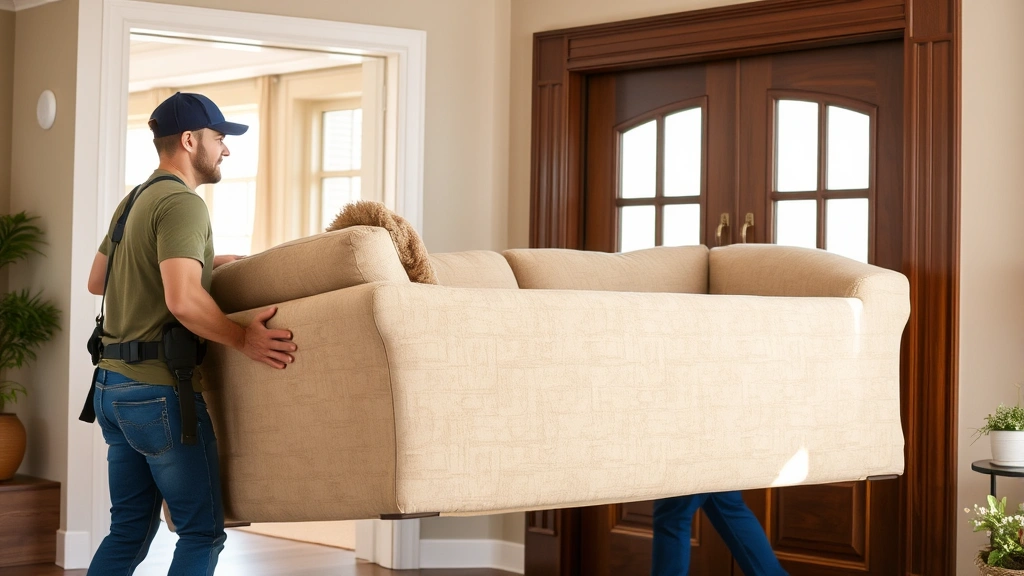
Furniture Delivery Tip Guide: Expert Recommendations
Furniture delivery is a crucial part of the home furnishing experience, yet many homeowners remain uncertain about proper tipping etiquette. Whether you’re receiving a single piece from a specialty retailer or a full bedroom set from a major furniture store, understanding how much to tip furniture delivery professionals ensures you show appreciation for their labor-intensive work while maintaining appropriate boundaries.
Delivery crews handle heavy, bulky items that require skill, strength, and careful coordination to protect your home’s interior and the furniture itself. This guide provides evidence-based recommendations for tipping furniture delivery personnel, covering various scenarios, regional variations, and factors that influence appropriate gratuity amounts.
Standard Tipping Rates for Furniture Delivery
The furniture delivery industry has established general guidelines for tipping that vary based on delivery complexity and order value. Most industry professionals recommend a baseline of $5 to $20 per delivery person, though this represents a minimum rather than an optimal amount. For larger orders or challenging deliveries, many customers find that $20 to $50 per person appropriately reflects the effort involved.
A commonly cited industry standard suggests tipping based on a percentage of the furniture purchase price. 15-20% of the total order value provides a fair gratuity when divided among the delivery team, though this applies primarily to high-value purchases. For a $500 furniture order with two delivery personnel, this would translate to $50-$100 total, or $25-$50 per person.
Some delivery services operate under company policies that prohibit employees from accepting cash tips, instead directing customers toward digital payment apps or company-sponsored tip programs. Before the delivery date, contact your furniture retailer to understand their specific policies and preferred tipping methods. This preparation prevents awkward situations on delivery day and ensures your gratuity reaches the intended recipients.
When comparing costs for your home improvement projects, understanding service industry norms helps you budget appropriately. Just as you’d account for labor costs when planning how much it costs to add a bathroom, furniture delivery represents a service component of your overall home furnishing investment.
Factors That Affect Tipping Amounts
Delivery Distance and Route Complexity: Deliveries requiring navigation through narrow hallways, multiple flights of stairs, or tight corners warrant higher tips than simple ground-floor placements. Urban apartments with challenging access routes deserve increased gratuity compared to suburban homes with spacious entryways.
Furniture Size and Weight: Sectional sofas, dining tables, and bedroom sets require considerably more physical effort than smaller items like chairs or accent tables. Delivery personnel moving a 300-pound sofa deserve recognition beyond those handling a single ottoman. Assembly requirements also increase the time commitment and complexity of the delivery.
Order Value and Quantity: Larger purchases naturally warrant proportionally larger tips. A $3,000 bedroom set merits more substantial gratuity than a $300 chair delivery. The delivery crew’s effort scales with order size, and customers typically acknowledge this through increased tips.
Service Quality and Professionalism: Delivery personnel who arrive on time, handle your furniture with obvious care, and treat your home with respect deserve recognition. Those who go above and beyond—protecting flooring, providing assembly assistance, or removing packaging materials—typically receive higher tips from satisfied customers.
Weather Conditions: Deliveries occurring during rain, snow, or extreme heat involve additional discomfort and challenge. Weather-related hazards increase the difficulty of the work, making higher tips appropriate during unfavorable conditions.
Crew Size: While larger crews complete work faster, they also represent more people sharing your gratuity. Calculate tips per person rather than per delivery to ensure fair compensation. A $40 tip divided among four workers provides minimal individual compensation.

Different Delivery Scenarios and Tip Recommendations
Standard Single-Item Delivery: For individual furniture pieces like chairs, tables, or small dressers delivered by one or two people, tip $5-$15 per person. This covers straightforward deliveries without assembly or complex placement requirements.
Multi-Room Furniture Sets: When receiving bedroom, dining, or living room suites involving multiple pieces and several delivery personnel, tip $15-$25 per person or 15-20% of the total purchase price. These deliveries typically require 2-3 hours of labor and careful coordination.
Heavy Specialty Items: Leather recliners, adjustable beds, large entertainment centers, or custom furniture pieces warrant $20-$30 per person. The specialized handling and technical knowledge required justifies premium tipping.
Assembly and Setup Services: When delivery includes assembly, mounting, or placement of furniture pieces, increase your standard tip by 25-50%. Assembly services represent additional expertise and time beyond basic delivery.
Repeat or Scheduled Deliveries: If the same crew handles multiple deliveries for your home—perhaps spreading furniture purchases across several months—maintaining consistent tipping builds positive relationships and ensures continued quality service.
White Glove Delivery Services: Premium white glove services, which include placement in specific rooms, assembly, and removal of packaging, typically include service charges. Verify whether tips are appropriate or already incorporated into the service fee. If tips are separate, $25-$50 per person acknowledges the premium service level.

Regional Variations in Tipping Culture
Tipping norms vary significantly across North America, influenced by regional service industry standards and cultural expectations. Urban areas with established service economies typically expect higher tips than rural regions, though this doesn’t reflect differences in work quality or effort.
Major metropolitan areas like New York, Los Angeles, and Toronto generally expect 18-20% service gratuities across industries, and furniture delivery follows similar patterns. Suburban and rural areas may operate with 10-15% standards. However, delivery personnel in all regions appreciate appropriate recognition for their work regardless of local norms.
Some states and provinces have begun implementing service worker protections that affect tipping practices. Research your local labor laws and industry standards to ensure your tipping practices align with community expectations. The U.S. Department of Labor provides guidance on service industry compensation requirements.
International tipping customs differ dramatically, and if you’re receiving furniture delivery in a country unfamiliar to you, ask the delivery company about appropriate gratuity practices in that region. What seems generous in one location may be considered excessive or insufficient elsewhere.
Preparing for Delivery Day
Clear Access Pathways: Before delivery personnel arrive, remove obstacles from entry points, hallways, and destination rooms. Clear pathways reduce delivery time and physical strain, making the job safer and easier for the crew. This preparation indirectly shows respect for their work.
Prepare the Delivery Area: Protect flooring with drop cloths or cardboard in high-traffic areas. Remove wall decorations, door locks, or other items that might impede furniture placement. This preparation demonstrates consideration for the delivery team and your home.
Have Cash Available: While digital payments are increasingly common, keep cash on hand for tipping. Small bills ($5, $10, $20) make distribution among crew members straightforward. Having appropriate denominations prevents awkward change-making situations.
Provide Refreshments: Offering water, coffee, or snacks to delivery personnel shows genuine appreciation and acknowledges the physical nature of their work. This gesture costs little but significantly impacts the delivery experience.
Confirm Delivery Details: Contact the furniture store or delivery service 24-48 hours before scheduled delivery to confirm timing, crew size, and any special requirements. This communication prevents misunderstandings and allows you to prepare appropriate tip amounts.
Inspect Furniture Upon Arrival: Before signing off on the delivery, carefully inspect all pieces for damage. Document any issues photographically and report them to the delivery company and retailer immediately. This protects your purchase and prevents disputes about furniture condition.
Just as you’d prepare your home for other service professionals—similar to planning home security improvements or major renovations—furniture delivery requires thoughtful preparation to ensure smooth, professional service.
Payment Methods and Delivery Instructions
Cash Tipping: The traditional method remains popular for furniture delivery. Hand cash directly to the crew leader or distribute among team members if multiple personnel handled the delivery. This immediate, personal payment demonstrates direct appreciation.
Digital Payment Apps: Many delivery services now accept tips through Venmo, PayPal, or company-specific apps. Ask the crew if they prefer digital payment and get their information before they leave. This method provides a paper trail and works well for non-cash payers.
Credit Card Tips: Some delivery companies allow tip additions to credit card payments at the point of service. Ask about this option when scheduling delivery or when personnel arrive. However, this method may not guarantee the tip reaches the delivery crew directly.
Company Tip Programs: Certain large furniture retailers operate internal tipping systems where you contribute to a pool distributed among delivery personnel. Understand how your retailer’s program works and whether it aligns with your tipping preferences.
Avoid Common Mistakes: Don’t deduct tips because of minor cosmetic damage or slightly delayed arrival. Reserve tip reductions for significant service failures like rudeness, negligence, or refusal to properly handle furniture. Most delivery delays stem from circumstances beyond the crew’s control.
Understanding proper payment methods ensures your appreciation reaches the intended recipients and avoids awkward situations. This professionalism reflects well on you and respects the service industry workers in your community.
FAQ
Is tipping furniture delivery mandatory?
Tipping remains discretionary rather than mandatory in most North American regions. However, industry standards and worker compensation practices make tipping customary for satisfactory service. Delivery personnel depend on tips to supplement base wages, particularly in service-dependent industries.
What if the furniture arrives damaged?
Document damage with photographs before the crew leaves. Report issues to both the retailer and delivery company immediately. Damage caused by the delivery crew may justify reduced tips, though most damage occurs during manufacturing or shipping rather than final delivery. Reserve tip adjustments for clear crew negligence.
Should I tip if I’m unhappy with the service?
Provide reduced or no tip only for genuinely poor service—rudeness, obvious carelessness, or refusal to follow delivery instructions. Minor delays or awkward furniture placement typically don’t justify eliminating tips, as these issues often reflect circumstances beyond the crew’s control. Communicate specific concerns to the delivery company for documented feedback.
How do I tip if the furniture delivery is from a big box store?
Big box furniture delivery often uses contracted third-party services. Ask the store about their tipping policies and whether tips go directly to the crew or through a company system. Contracted crews appreciate cash tips just as independent delivery services do. Confirm payment methods before delivery day.
Is it appropriate to tip the delivery driver separately from warehouse crew?
If different personnel handle loading, driving, and unloading, you may tip separately or distribute a combined amount among the entire team. Ask the crew leader how they prefer gratuities distributed. Most crews share tips equitably, so one combined tip often works well.
What about international furniture delivery?
Research tipping customs in the specific country before delivery. Some regions consider tipping inappropriate or offensive, while others expect substantial gratuities. International moving companies can advise on local customs. Consult the American Moving and Storage Association for guidance on international delivery standards.
Can I tip less if I’m on a tight budget?
If budget constraints limit tipping ability, provide what you can afford within industry minimums ($5-$10 per person). Acknowledge this limitation honestly if necessary. Delivery personnel understand varying financial circumstances. A modest tip with genuine appreciation is preferable to no tip accompanied by excuses.
Should tipping amounts increase for holiday deliveries?
Holiday season deliveries often involve longer hours, weather challenges, and higher delivery volumes. Increasing tips by 25-50% during busy seasons shows appreciation for working during holidays. This practice is customary in service industries across North America.
Understanding furniture delivery tipping practices reflects respect for service workers and contributes to positive community relationships. Just as you’d budget for professional services when planning home improvements—whether basement finishing projects or other renovations—incorporating appropriate delivery tips into your furniture purchasing budget ensures you recognize the skilled labor involved in bringing furniture into your home.
By following these guidelines and adjusting recommendations based on your specific circumstances, you’ll ensure delivery personnel feel valued while maintaining professional boundaries. This approach benefits everyone involved in the furniture delivery process and supports the service industry workers who make home furnishing convenient and accessible for all customers.


