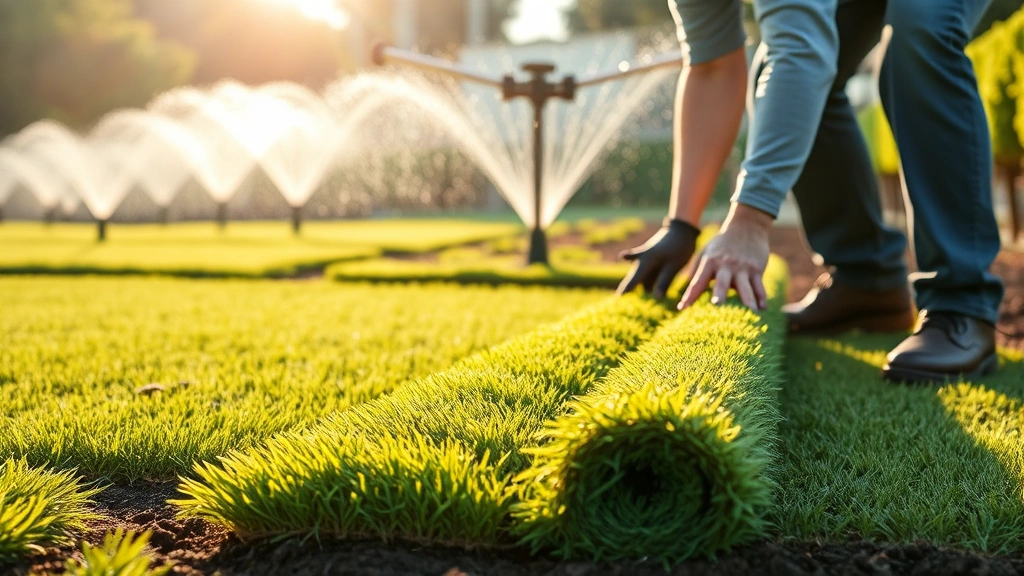
Watering New Sod: Expert Guidelines for Success
Installing new sod transforms your landscape almost instantly, but success depends on proper watering during the critical establishment period. Unlike seeding, which requires consistent moisture over weeks, newly laid sod needs intensive hydration to help roots penetrate the soil and establish a strong foundation. Getting the watering schedule right prevents costly failure and ensures your investment takes hold quickly.
The first two weeks after sod installation are absolutely critical. During this establishment phase, your lawn is vulnerable to drought stress, root separation, and disease. Understanding how often to water new sod involves considering your climate, soil type, weather conditions, and the specific sod variety you’ve chosen. This comprehensive guide walks you through every aspect of sod watering to help your new lawn thrive.
Why Watering New Sod Is Different
New sod arrives as mature grass already established in a thin soil layer, but it hasn’t yet developed deep roots into your native soil. The sod’s root system is shallow and confined to the existing mat, making it extremely vulnerable to drying out. Unlike watering new grass seed, which requires frequent light watering, sod needs deeper, more frequent irrigation to encourage roots to grow downward into your soil.
The sod mat itself can dry out quickly because it sits on top of your soil rather than being integrated with it. A gap often exists between the bottom of the sod and your prepared soil, creating an air pocket that allows moisture to escape. This is why proper watering technique and frequency are essential during the first 3-4 weeks of establishment.
Sod that doesn’t receive adequate water will develop weak root systems, show stress symptoms like browning or wilting, and may fail entirely. Conversely, overwatering creates conditions for disease, fungal problems, and root rot. The goal is maintaining consistent moisture without waterlogging, which requires understanding your specific situation and adjusting accordingly.
Week-by-Week Watering Schedule
Weeks 1-2: Intensive Establishment Phase
During the first two weeks after installation, your new sod needs the most attention. Water deeply and frequently—typically 4-6 times daily for 15-20 minutes each session during hot weather, or 2-3 times daily in cooler conditions. The goal is keeping the top 2-3 inches of soil consistently moist while encouraging roots to grow deeper. Water early morning, midday, and late afternoon to prevent the sod from drying out between sessions.
This aggressive schedule might seem excessive, but remember that shallow-rooted sod dries quickly in direct sunlight. You’re essentially babying the lawn through its most vulnerable period. If temperatures exceed 85°F, increase frequency. If it rains, reduce or skip scheduled waterings based on rainfall amount.
Weeks 3-4: Transition Phase
As roots begin penetrating your native soil, gradually reduce watering frequency. Move to 3-4 times daily in the third week, then 2-3 times daily in the fourth week. Each session can be slightly longer—20-30 minutes—since you’re encouraging deeper watering. The sod should be developing stronger roots now, making it more resilient to drying.
Weeks 5-6: Establishment Phase
By week five, most sod has developed roots extending 6-12 inches into the soil. Reduce to once daily watering, preferably in early morning. Water for 30-45 minutes to ensure deep penetration. Continue this schedule until the sod is firmly rooted and shows no signs of stress when you tug on it.
Weeks 7+: Maintenance Phase
After six weeks, your sod should be sufficiently established for regular lawn watering. Most mature lawns need 1-1.5 inches of water weekly, delivered in one or two deep watering sessions rather than frequent shallow ones. This encourages deep root development and drought tolerance.

Daily Watering Frequency and Duration
The frequency and duration of your watering sessions depend on several factors. In the establishment phase, more frequent, shorter sessions work better than fewer, longer ones. Frequent light watering keeps the sod moist without oversaturating the soil, while allowing air to reach roots between sessions.
A typical first-week schedule looks like this:
- 6:00 AM: Water for 15 minutes
- 10:00 AM: Water for 15 minutes
- 2:00 PM: Water for 15 minutes
- 6:00 PM: Water for 15 minutes
- Evening before dusk: Water for 15-20 minutes
This schedule totals 75-80 minutes of watering spread throughout the day, preventing the sod from experiencing stress during peak heat. Adjust timing based on your climate zone and current weather.
As you progress through weeks 3-4, consolidate waterings. Instead of five 15-minute sessions, move to three 25-minute sessions. By week 5, transition to one 40-45 minute session in early morning. This transition encourages the root system to search deeper for moisture, strengthening long-term drought tolerance.
The morning watering time is critical because it hydrates the sod before the day’s heat and allows any excess water to evaporate, reducing disease risk. Avoid evening watering if possible, as moisture lingering on grass overnight promotes fungal diseases.
Soil Moisture and Testing Methods
Rather than following a rigid schedule regardless of conditions, the best approach combines a schedule with regular soil moisture testing. This ensures you’re responding to actual conditions rather than assumptions.
The Screwdriver Test
Push a long screwdriver or probe into the soil beneath the sod. In weeks 1-2, it should slide easily through moist soil to a depth of 2-3 inches. By week 3, it should penetrate 4-6 inches easily. By week 4-5, you should need to push harder to reach 8-12 inches. If the screwdriver meets resistance or won’t penetrate, the soil is too dry and needs watering.
The Tug Test
Gently tug on a corner of the sod. In the first week, it should feel firmly anchored despite being new. If it pulls up easily with little resistance, roots haven’t established sufficiently. By week 2, roots should show resistance. By week 3, the sod should be difficult to lift. This test indicates root development progress and helps you gauge when to reduce watering frequency.
Soil Moisture Meter
Inexpensive soil moisture meters (available at garden centers and online retailers) provide objective moisture readings. Insert the probe 3-4 inches into the soil in multiple locations. The meter shows moisture level on a scale. Keep readings in the “moist” range during establishment, not “wet” or “dry.”
Visual and Tactile Assessment
Kneel down and examine the soil surface. It should look dark and feel moist to the touch, but not soggy or muddy. If you squeeze soil in your hand and water drips out, you’ve overwatered. If it crumbles immediately, it’s too dry. The ideal texture is like a wrung-out sponge.
Environmental Factors Affecting Watering
Temperature and Heat
Hot weather dramatically increases watering needs. When temperatures exceed 85°F, increase watering frequency and duration. During heat waves above 95°F, you may need to water 5-6 times daily in the first two weeks. Conversely, cool spring or fall installations require less frequent watering—perhaps 2-3 times daily instead of 4-6.
Humidity and Wind
Low humidity and wind increase evaporation, drying sod faster. On dry, windy days, increase watering frequency by 25-50%. Humid conditions reduce evaporation, so you may water less frequently. Wind is particularly problematic because it dries the grass itself, not just the soil.
Rainfall
Natural rainfall should be deducted from your watering schedule. If rain provides 0.5 inches, reduce that day’s watering by about 25%. A heavy rain of 1 inch might eliminate scheduled watering for that day entirely. However, monitor soil moisture afterward—sometimes rain doesn’t penetrate uniformly, leaving dry pockets beneath the sod.
Soil Type
Sandy soils drain quickly and require more frequent watering. Clay soils hold moisture longer and may need less frequent watering to avoid waterlogging. Loamy soils offer a balance. Understand your native soil composition and adjust accordingly. If you’re unsure, a local soil conservation office can provide soil tests.
Sun Exposure
Areas receiving full sun dry much faster than shaded areas. Full-sun sod may need 50% more water than shaded sections. North-facing areas stay cooler and drier slower. South and west-facing areas experience intense afternoon heat and may need additional watering sessions.
Common Watering Mistakes
Underwatering During Establishment
The most common mistake is insufficient watering, usually because homeowners don’t realize how frequently new sod needs water. Underwatering causes the sod to shrink, separate from the soil, and develop weak roots. The grass wilts, browns, and may die entirely. If you’re unsure, water more frequently rather than less during the first two weeks.
Overwatering and Waterlogging
Conversely, excessive watering creates waterlogged conditions that promote root rot, fungal diseases, and disease spread. The soil becomes anaerobic (oxygen-depleted), preventing healthy root development. If water sits on the surface or won’t drain within an hour, you’re overwatering. This is more likely if your soil is clay-heavy or poorly draining.
Inconsistent Watering
Fluctuating between wet and dry conditions stresses the sod and prevents proper establishment. Consistency matters more than perfection. A sod that experiences regular daily watering outperforms one that’s heavily watered twice weekly, even if total water amounts are similar.
Evening Watering
Watering late in the day leaves grass wet overnight, promoting fungal diseases like dollar spot and brown patch. Morning watering allows excess moisture to evaporate while the sun is high. If evening watering is necessary, do it early enough that the grass dries before sunset.
Ignoring Weather Changes
Failing to adjust watering based on temperature, humidity, and rainfall is a major mistake. A rigid schedule works only if weather remains consistent. During heat waves or dry spells, increase frequency. During cool, wet periods, reduce it. Check weather forecasts and adjust accordingly.
Watering Too Shallow
Short, frequent watering that only moistens the top inch encourages shallow rooting. While frequent watering is necessary initially, each session should be long enough to penetrate several inches, encouraging roots to grow downward. By week 3, gradually lengthen sessions while reducing frequency.

Equipment and Best Practices
Sprinkler Systems
Automatic sprinkler systems are ideal for new sod because they deliver consistent, frequent watering without manual effort. Install a timer that runs multiple short cycles daily. Oscillating sprinklers and rotary sprinklers both work well, though rotary sprinklers provide more uniform coverage. Ensure sprinkler heads create a pattern that covers your entire lawn without missing spots or creating over-watered areas.
If you’re considering a professional sod installation, many installers recommend temporary irrigation setup specifically for establishment.
Soaker Hoses and Drip Irrigation
Soaker hoses deliver water directly to the soil, minimizing evaporation and reducing disease risk. They’re excellent for new sod but require more setup and monitoring than sprinklers. Lay soaker hoses in a grid pattern across the sod and run them on a timer for frequent, consistent watering.
Manual Watering with Hose
Hand-watering works but demands consistency and attention. Use a hose with a spray nozzle set to a gentle shower pattern. Avoid hard jets that can erode soil or damage sod. Hand-watering requires discipline to maintain the frequent schedule, making it less reliable than automated systems.
Water Pressure and Distribution
Excessive water pressure can damage sod or create erosion. Use gentle spray patterns that simulate rainfall rather than harsh jets. Ensure water distributes evenly across the entire installation area. Avoid watering pavement or hardscapes unnecessarily—focus water on the sod itself.
Mulching and Moisture Retention
While not traditional “watering,” applying a thin organic mulch around sod edges can help retain moisture and moderate temperature fluctuations. Keep mulch 2-3 inches away from grass to prevent disease. This is particularly helpful in hot climates or areas with intense sun exposure.
For broader landscape context, understanding protecting your property includes maintaining curb appeal through healthy landscaping, which starts with proper sod establishment.
Monitoring and Adjustments
Keep a simple watering log noting when you watered, how long, weather conditions, and soil moisture observations. This record helps you identify patterns and make informed adjustments. After the first week, review your notes and adjust the schedule based on how the sod is responding.
FAQ
How often should I water new sod in the first week?
During the first week, water 4-6 times daily for 15-20 minutes each in hot weather, or 2-3 times daily in cooler conditions. The sod should remain consistently moist but not waterlogged. Adjust based on temperature, humidity, and rainfall.
Can I reduce watering if it rains?
Yes, absolutely. Measure rainfall and reduce scheduled watering by that amount. If rainfall provides 0.5 inches and your schedule calls for 1 inch that day, water for 25 minutes less. However, monitor soil moisture afterward since rainfall distribution may be uneven.
When can I stop the intensive watering schedule?
Most sod is sufficiently established after 4-6 weeks to transition to regular lawn watering (1-1.5 inches weekly). However, this depends on root development. Perform the tug test—when sod resists being lifted, roots have established well enough to reduce frequency.
What are signs I’m overwatering?
Soggy soil that doesn’t drain, water pooling on the surface, gray or mushy-looking grass, and foul odors all indicate overwatering. Fungal diseases and mushrooms appearing on the lawn also suggest excessive moisture.
What are signs I’m underwatering?
Wilting or drooping grass, browning edges, sod pulling up easily, and visible gaps between sod pieces and soil indicate underwatering. The grass may appear dull rather than vibrant green.
Should I fertilize while establishing new sod?
Wait until after the first mowing, typically 3-4 weeks post-installation, before fertilizing. The sod usually has enough nutrients from the grower. Early fertilization can stress the developing root system. After that, follow standard fertilization schedules for your grass type.
How does sod establishment differ from seed germination?
Sod is already mature grass that needs to root into your soil, while seed must germinate and develop from scratch. Sod requires more frequent but deeper watering during establishment, whereas seed requires consistent light surface moisture. Proper seed watering follows different principles than sod establishment.
What’s the best time of year to install sod?
Spring and fall are ideal because cooler temperatures and natural rainfall reduce watering demands during establishment. Summer installations require much more intensive watering. Winter installations in cold climates may fail. Check with local building and landscaping guidelines for your region’s best installation timing.
Can I walk on new sod while it’s establishing?
Avoid heavy foot traffic during the first 2-3 weeks. Light walking is acceptable, but excessive activity can damage developing roots and compact soil. Wait until sod is firmly rooted before allowing normal use.
What grass species need different watering schedules?
Cool-season grasses (fescue, bluegrass, ryegrass) and warm-season grasses (Bermuda, zoysia, St. Augustine) have different establishment needs. Cool-season sod typically requires less water in spring/fall installation. Warm-season sod needs more water in summer installation. Consult your sod supplier about species-specific requirements.


