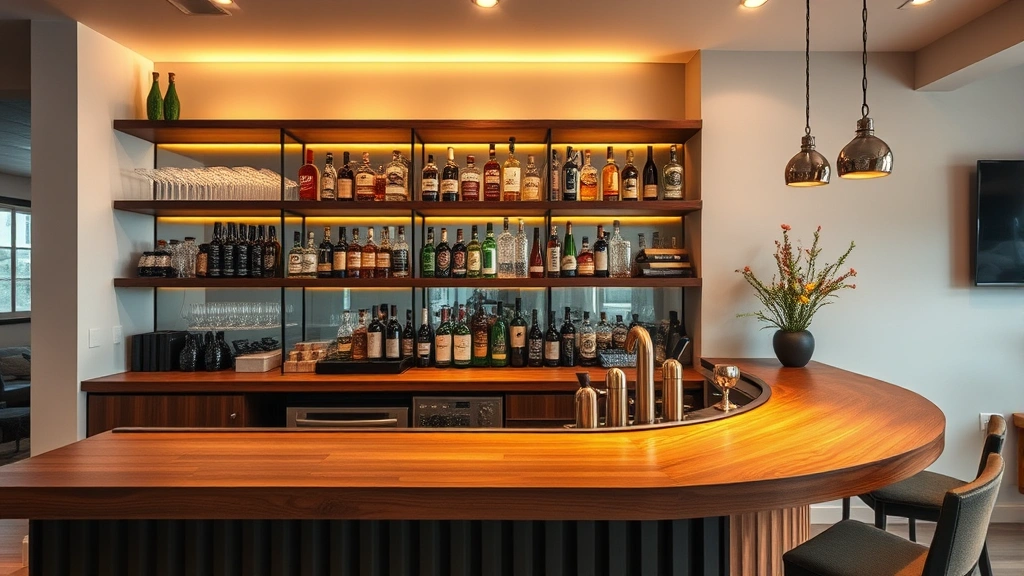
DIY Home Bar: Legal Age Requirements Explained
Building a home bar is an exciting DIY project that transforms any space into an entertaining hub for gatherings with friends and family. However, before you start designing your custom bar setup, it’s crucial to understand the legal age requirements and regulations surrounding bartending, alcohol service, and home alcohol consumption. Whether you’re planning to serve drinks to guests or simply creating a personal bar space, knowing the age-related laws in your jurisdiction protects you legally and ensures responsible alcohol service.
Many homeowners dive into home bar construction without fully grasping the liability and legal implications involved. Unlike commercial establishments that employ licensed bartenders, home bar owners operate in a gray area where state and local laws vary significantly. This comprehensive guide breaks down everything you need to know about age requirements for bartending, serving alcohol at home, and creating a legally compliant entertaining space.
Bartender Age Requirements by State
The minimum age to work as a bartender varies considerably across the United States, with most states requiring workers to be at least 18 or 21 years old. Understanding these variations is essential if you’re considering hiring help for your home bar setup or planning to work in the bartending industry yourself. Federal law doesn’t establish a specific bartending age requirement, leaving it to individual states to determine their own standards.
Currently, most states require bartenders to be at least 21 years old, the same age as the legal drinking age. However, approximately 15 states allow bartenders as young as 18 to serve alcohol under specific conditions, such as direct supervision by a manager aged 21 or older. States like California, Colorado, Connecticut, and Delaware permit 18-year-olds to bartend with restrictions, while states such as New York, Florida, and Texas maintain the 21-year minimum requirement.
For those interested in age-based legal requirements in other contexts, understanding how different states approach age restrictions reveals broader patterns in state regulation. The bartending age requirement often reflects a state’s philosophy on youth employment and alcohol exposure.
Some states distinguish between “on-premises” bartending (serving drinks at bars and restaurants) and “off-premises” sales (liquor stores). In these jurisdictions, 18-year-olds might stock shelves at a liquor store but cannot serve drinks at a bar. This distinction matters when you’re considering who can help manage your home bar during events.
Federal vs State Alcohol Laws
The relationship between federal and state alcohol regulations creates a complex legal landscape for home bar owners. The 21st Amendment grants states significant authority over alcohol regulation within their borders, meaning federal law sets a baseline while states can impose stricter rules.
Federal law establishes:
- The national legal drinking age of 21 years old
- Basic guidelines for alcohol production and distribution
- Standards for alcohol content labeling
- Tax requirements for commercial alcohol sales
States then layer additional requirements on top of federal standards. Some states allow home production of beer and wine under federal guidelines, while others prohibit it entirely. Understanding your state’s specific regulations is non-negotiable when setting up a home bar.
The Alcohol and Tobacco Tax and Trade Bureau (TTB) enforces federal alcohol laws and provides detailed guidance on legal alcohol service. Consulting their resources helps ensure your home bar complies with federal requirements, which form the foundation for state-level compliance.
State laws often impose additional restrictions such as:
- Limits on home alcohol production quantities
- Requirements for obtaining permits or licenses
- Restrictions on serving alcohol to minors (with criminal penalties)
- Specific liability rules for social hosts
- Regulations on alcohol sales near schools or parks
Home Bar Legal Considerations
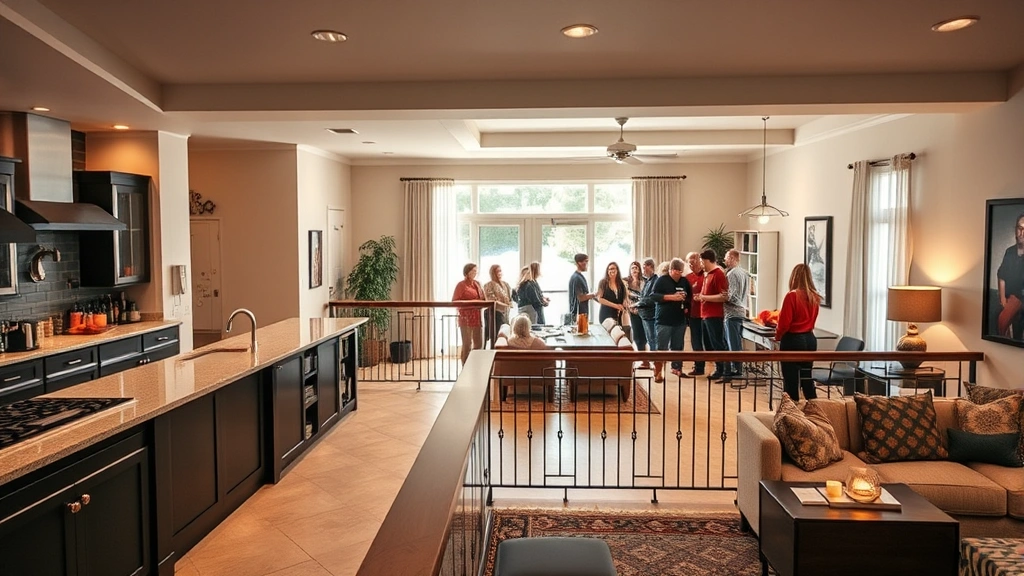
Creating a DIY home bar requires more than just construction skills—it demands legal awareness. The primary legal concern centers on your liability if someone gets injured or intoxicated after consuming alcohol in your home.
Social Host Liability is the critical legal concept affecting home bar owners. In many states, hosts can be held legally responsible if a guest becomes intoxicated at their home and subsequently causes harm (through drunk driving, for example). Some states have specific “social host liability” laws, while others rely on common law principles. This liability extends to serving alcohol to minors, which carries severe criminal and civil consequences.
Key legal protections for responsible home bar owners include:
- Age Verification: Always verify the age of anyone consuming alcohol at your home. Request valid identification and maintain records if hosting larger events.
- Monitoring Consumption: Keep track of how much guests drink and refuse service to intoxicated individuals, just as commercial bartenders must do.
- Providing Transportation: Arrange safe rides home for intoxicated guests through designated drivers, taxis, or rideshare services.
- Written Policies: Create house rules prohibiting underage drinking and explaining your expectations for responsible consumption.
- Incident Documentation: Keep records of any incidents or injuries that occur at your home for insurance purposes.
Many states have enacted laws specifically addressing underage drinking liability, imposing fines ranging from $500 to $5,000 and potential jail time for social hosts who knowingly serve minors. Some states even allow injured third parties to sue social hosts directly.
Age Verification and Liability
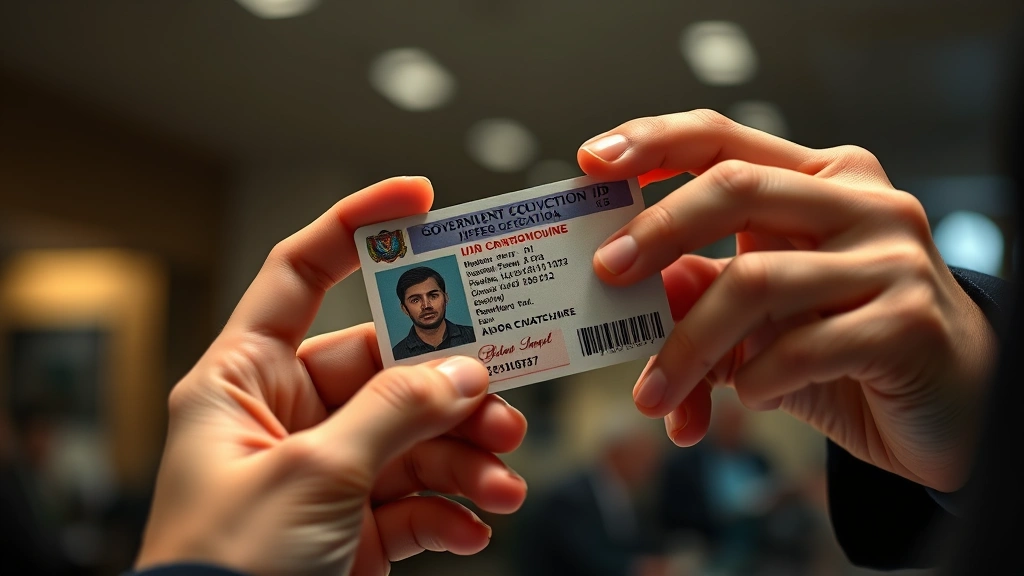
Proper age verification stands as your first line of defense against legal liability. Even in your own home, you have a legal obligation to verify that anyone consuming alcohol is at least 21 years old. Accepting someone’s word or relying on appearance is insufficient and legally dangerous.
Acceptable forms of identification include:
- State-issued driver’s licenses
- Passports
- State ID cards
- Military identification
- Tribal identification
When examining identification, verify:
- The photograph matches the person presenting it
- The expiration date hasn’t passed
- The birthdate indicates the person is at least 21 years old
- The document appears authentic and hasn’t been altered
Documentation becomes crucial if a legal dispute arises. Consider photographing IDs (with consent) or maintaining a guest list for larger events. This evidence demonstrates you exercised reasonable care to prevent serving minors, potentially reducing your liability in court.
Beyond age verification, your liability extends to monitoring guest behavior. If you notice someone becoming intoxicated, you have a legal responsibility to:
- Stop serving them alcohol immediately
- Provide food and non-alcoholic beverages
- Encourage them to rest or sleep it off
- Arrange safe transportation home
Failing to take these steps could expose you to significant legal liability if that person causes harm while driving or commits other dangerous acts.
Building Your Home Bar Responsibly
The physical construction of your DIY home bar shares similar principles with other home construction projects, but with unique legal and safety considerations. Beyond the woodworking and design elements, responsible home bar building means creating an environment that promotes safe alcohol consumption.
Design elements that promote responsibility:
- Adequate Seating: Provide comfortable seating areas where guests can sit while drinking, reducing the risk of falls or injuries.
- Food Service Area: Designate a space for serving food, which slows alcohol absorption and promotes responsible consumption.
- Water Station: Install a dedicated water station or ensure easy access to non-alcoholic beverages.
- Lighting: Use adequate lighting to monitor guest behavior and prevent accidents.
- Safety Barriers: If your bar is elevated or near stairs, install appropriate railings and barriers to prevent injuries.
The location of your home bar matters legally and practically. Placing it away from bedrooms used by minors and securing alcohol storage prevents unauthorized access. Many states have specific requirements about how alcohol must be stored in homes, particularly if minors live in the residence.
Consider implementing a “bartender” role for larger gatherings. Whether you’re serving drinks yourself or asking a responsible adult guest to help, having one person managing alcohol service ensures consistent monitoring and reduces the risk of over-serving guests. This person should understand responsible beverage service principles and be prepared to refuse service when necessary.
Insurance and Legal Protection
Homeowner’s insurance typically covers liability for injuries occurring at your home, but alcohol-related incidents present special coverage considerations. Many standard homeowner’s policies exclude or limit coverage for injuries resulting from alcohol consumption, particularly if you served alcohol to a minor or an obviously intoxicated person.
Insurance protection strategies include:
- Policy Review: Contact your insurance agent and specifically discuss alcohol liability coverage. Ask whether your policy covers social host liability.
- Umbrella Coverage: Consider purchasing umbrella liability insurance, which provides additional coverage beyond your homeowner’s policy limits.
- Event Insurance: For larger gatherings, purchase special event liability insurance that covers alcohol service.
- Documentation: Maintain detailed records of your responsible alcohol service practices, including ID verification procedures and incident logs.
Legal protection extends beyond insurance to your actual practices. Consult with a local attorney about your state’s social host liability laws and specific requirements in your jurisdiction. Some states require written acknowledgment from guests that they understand your house rules regarding alcohol consumption.
Create a comprehensive liability waiver that guests sign before attending events at your home. While waivers don’t eliminate all liability, they demonstrate your commitment to safety and may reduce your legal exposure. Include statements about:
- The requirement to be 21 years old to consume alcohol
- Your policy of refusing service to intoxicated individuals
- Your expectation that guests will arrange safe transportation
- Your assumption that guests will drink responsibly
Keep these waivers in a secure location for at least three years, as they may be needed in legal proceedings.
FAQ
Can I let an 18-year-old bartend at my home bar?
This depends entirely on your state’s laws. While some states allow 18-year-olds to bartend professionally with restrictions, the rules for home bars differ from commercial establishments. Even in states permitting 18-year-old bartenders, you should verify local regulations and obtain proper insurance. Most legal experts recommend requiring anyone serving alcohol in your home to be 21 years old to minimize liability.
What’s the difference between serving alcohol at home versus a commercial bar?
Commercial bartenders work under strict licensing requirements, complete formal training, and operate under employer supervision. Home bar owners have fewer formal requirements but potentially greater personal liability. You’re not required to have a bartender’s license to serve alcohol in your own home, but you must still comply with age verification laws and social host liability requirements.
Can I be sued if someone gets drunk at my home bar?
Yes, depending on your state’s social host liability laws. If someone becomes intoxicated at your home and subsequently causes harm, injured third parties may be able to sue you. Additionally, if you served alcohol to a minor or someone you knew was intoxicated, you could face both civil liability and criminal charges.
Do I need a license to have a home bar?
No, you don’t need a license to have a home bar for personal use and entertaining guests. However, if you’re selling alcohol or operating a commercial bar from your home, you would need appropriate licenses and permits. Check your local zoning regulations, as some jurisdictions prohibit commercial alcohol service from residential properties.
What should I do if a guest appears intoxicated?
Stop serving them alcohol immediately and provide food and non-alcoholic beverages. Encourage them to rest or sleep it off at your home if possible. Most importantly, arrange safe transportation—never allow an intoxicated guest to drive. You could offer to call a taxi, use a rideshare service, or arrange for a sober friend to drive them. Document the incident in case legal questions arise later.
How do I verify someone’s age at my home?
Request a valid government-issued ID such as a driver’s license, passport, or state ID card. Examine it carefully to ensure the photo matches the person, the document hasn’t expired, and the birthdate confirms they’re at least 21 years old. Don’t accept verbal confirmation or rely on appearance alone, even for friends or family members.


