How to Apply Diatomaceous Earth: Pro Tips Inside
Diatomaceous earth (DE) has become an essential tool for DIY builders, homeowners, and pest control enthusiasts alike. This naturally occurring powder, derived from fossilized diatoms, offers remarkable versatility across multiple applications—from controlling household pests to improving soil quality in construction projects. Whether you’re dealing with unwanted insects in your home or looking to enhance the structural integrity of your building materials, understanding the proper application methods is crucial for achieving optimal results.
The key to successful diatomaceous earth application lies in mastering the right techniques, selecting the appropriate product type, and following safety protocols. This comprehensive guide walks you through every step of the process, from preparation through final application, ensuring you get professional-grade results whether you’re tackling a small residential project or a larger construction endeavor.
Understanding Diatomaceous Earth Types
Before diving into application techniques, it’s essential to recognize that not all diatomaceous earth products are created equal. The two primary categories—food-grade and non-food-grade (pool-grade)—serve distinctly different purposes and require different handling approaches.
Food-grade diatomaceous earth contains less than 1% crystalline silica and is approved for use around food preparation areas and in applications where human or pet ingestion is possible. This type is significantly safer for indoor residential use and is the recommended choice for most DIY applications. When selecting food-grade DE, verify that it’s certified by relevant agricultural authorities and check the EPA’s pesticide registration database for approved products.
Non-food-grade diatomaceous earth undergoes heat treatment during processing, converting some silica into crystalline form. This type is more effective for pool filtration and industrial applications but should never be used in areas where inhalation exposure is likely. The crystalline silica content makes it unsuitable for residential pest control or food-related applications.
Understanding these distinctions ensures you’re using the right product for your specific project. For most DIY building and home improvement projects, food-grade DE is the safer, more versatile choice.
Safety Precautions and Protective Equipment
Proper safety practices are non-negotiable when working with diatomaceous earth. While food-grade DE is generally recognized as safe, inhalation of fine particles can cause respiratory irritation, particularly with prolonged exposure or in poorly ventilated spaces.
Essential protective equipment includes:
- Respiratory protection: Use an N95 or P100 respirator mask rated for fine particles. Full-face respirators with cartridge filters provide superior protection for extended applications.
- Eye protection: Safety glasses or goggles prevent powder from contacting eyes and causing irritation.
- Hand protection: Nitrile or latex gloves protect skin from drying effects of the powder and prevent contamination.
- Clothing: Wear long sleeves and pants to minimize skin exposure. Consider disposable coveralls for large-scale applications.
- Footwear: Closed-toe shoes prevent powder from settling on feet and being tracked indoors.
Ensure adequate ventilation in all application areas. Open windows, use exhaust fans, and consider temporary outdoor application whenever possible. For indoor applications, operate HVAC systems at higher settings to improve air circulation and particle removal.
Preparation Steps Before Application
Successful diatomaceous earth application begins long before the powder leaves the container. Thorough preparation ensures even coverage, maximum effectiveness, and easier cleanup afterward.
Site assessment and cleaning: Begin by thoroughly inspecting and cleaning the target area. Remove furniture, stored items, and other objects that might interfere with application or trap powder. Vacuum or sweep the area to remove existing dust, debris, and dead insects. For pest control applications, pay special attention to cracks, crevices, and areas where pests typically hide. Proper preparation techniques are fundamental to any application project.
Moisture management: Diatomaceous earth works most effectively in dry conditions. If your application area is damp, allow it to dry completely before beginning. Use dehumidifiers in enclosed spaces if necessary. Moisture reduces DE’s effectiveness and can cause clumping, making application difficult.
Identifying application zones: Map out exactly where DE needs to go. For pest control, this might include baseboards, behind appliances, inside cabinets, and wall voids. For agricultural uses, determine soil depth and coverage area. Mark these zones with tape or chalk to ensure consistent, complete coverage.
Equipment testing: Before full-scale application, test your application equipment on a small, inconspicuous area. This reveals any equipment malfunctions, helps you calibrate application rates, and shows how the powder settles and disperses in your specific environment.
Application Methods and Techniques
Multiple application methods exist, each suited to different scenarios and project scales. Selecting the right technique significantly impacts both effectiveness and efficiency.
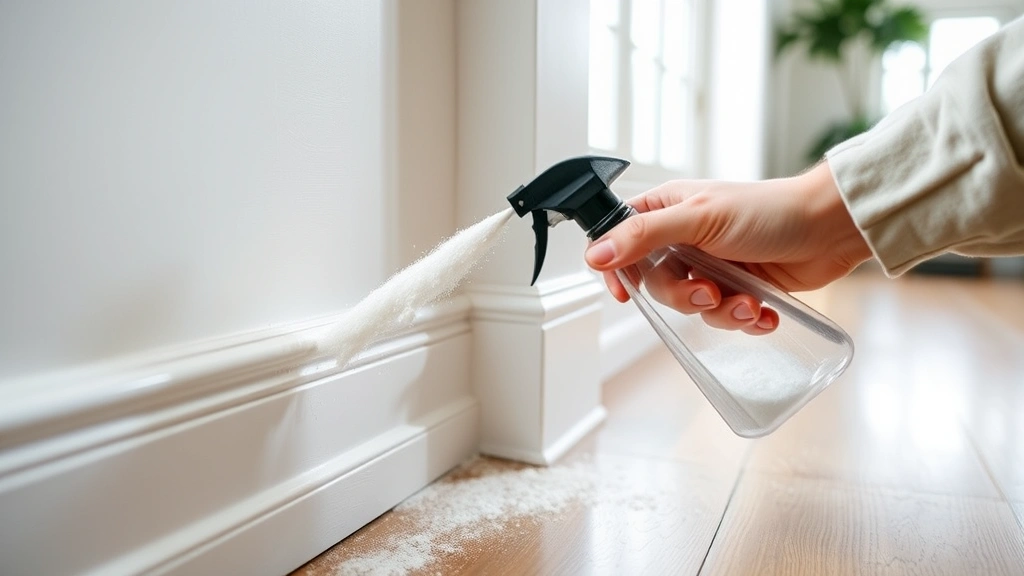
Hand application with duster bottles: For small areas and targeted treatment, hand-operated duster bottles offer excellent control. These inexpensive tools allow precise powder placement in cracks, crevices, and tight spaces. Fill the bottle three-quarters full, leaving space for air pressure. Squeeze gently to release a controlled puff of powder. This method works exceptionally well for treating baseboards, window frames, and areas behind appliances.
Powder dispensers and shaker containers: Larger containers with adjustable openings enable broader coverage of accessible surfaces. These work well for treating flooring under furniture, garden beds, and open floor areas. Shake the container gently to achieve consistent powder flow, avoiding clouds of dust that increase inhalation risk.
Mechanical application equipment: For substantial projects covering large areas, mechanical applicators significantly improve efficiency and reduce personal exposure. These range from handheld electric duster devices to backpack-mounted applicators used in agricultural and commercial settings. Such equipment provides superior coverage consistency and reduces application time dramatically.
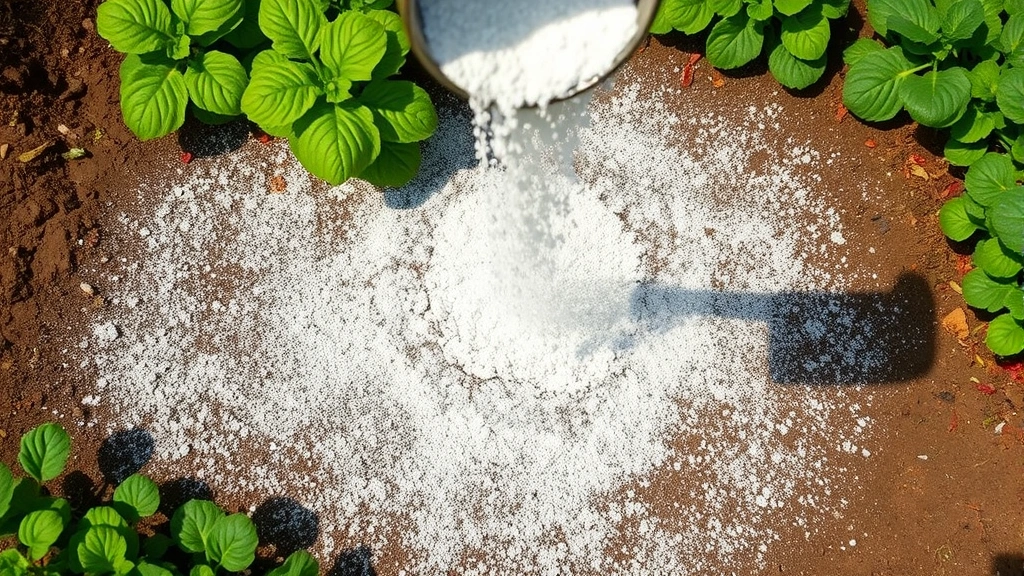
Broadcast spreading: For outdoor agricultural applications and large soil treatment projects, broadcast spreading distributes DE evenly across wide areas. This technique works best in calm weather conditions where wind won’t carry powder away from the target zone. Apply in multiple passes for even coverage, slightly overlapping each pass to eliminate missed spots.

Indoor vs. Outdoor Application Strategies
Indoor and outdoor applications require distinctly different approaches, addressing environmental factors and safety considerations unique to each setting.
Indoor application considerations: When applying diatomaceous earth indoors, ventilation becomes paramount. Open multiple windows to create cross-ventilation, use fans to direct airflow toward open windows, and consider temporarily relocating to another area during application. Apply DE in thin, even layers rather than heavy concentrations—excess powder creates cleaning challenges and increases inhalation risk.
For indoor pest control, focus application in areas where people and pets spend minimal time. Treat baseboards during evening hours, allow powder to settle overnight, and vacuum thoroughly the following morning. This minimizes exposure while maintaining effectiveness. Target wall cavities, under cabinets, and inside closets rather than high-traffic floor areas.
Outdoor application advantages: Outdoor application offers natural ventilation and easier cleanup. Apply diatomaceous earth in early morning or late evening when beneficial insects are less active and wind conditions are typically calmer. Avoid application during rain or immediately before predicted rainfall, as moisture significantly reduces effectiveness.
For garden and soil applications, incorporate DE into the top 2-3 inches of soil where pests and beneficial organisms interact. Water lightly after application to help settle the powder and reduce airborne particles. Reapply after heavy rains or every 5-7 days for continuous pest control.
Pest Control Applications
Diatomaceous earth’s mechanical action makes it an effective organic pesticide for numerous household and garden pests. Understanding target pests and their life cycles optimizes application timing and effectiveness.
Common household pests: DE effectively controls bed bugs, fleas, cockroaches, ants, and various crawling insects. For bed bug treatment, apply food-grade DE around bed frames, mattress seams, headboards, and baseboards in affected bedrooms. Allow the powder to remain undisturbed for 5-7 days for maximum effectiveness. Multiple applications spaced 7-10 days apart address different life cycle stages.
For flea control in carpeted areas, sprinkle DE lightly across affected carpets, work it into fibers with a broom, and allow it to remain for 24-48 hours before vacuuming thoroughly. Treat pet sleeping areas, furniture, and baseboards simultaneously for comprehensive control.
Garden and agricultural pests: Outdoor applications target beetles, aphids, mites, and other garden-damaging insects. Apply DE directly to plant foliage, covering both upper and lower leaf surfaces where many pests feed and hide. Reapply every 7-10 days or after rain. Early morning application when plants are damp improves adhesion and pest contact.
Application frequency and duration: Most pest control applications require repeated treatments. Initial heavy application followed by maintenance applications every 7-14 days provides consistent control. Complete elimination typically requires 3-4 weeks of consistent application as successive generations of pests emerge.
Agricultural and Soil Enhancement Uses
Beyond pest control, diatomaceous earth offers significant benefits for soil structure, water retention, and plant health in agricultural and gardening contexts.
Soil amendment benefits: When incorporated into garden soil, food-grade diatomaceous earth improves water retention, enhances microbial activity, and provides trace minerals beneficial to plant growth. The porous structure of DE particles creates tiny air pockets in soil, improving drainage in clay-heavy soils while increasing water-holding capacity in sandy soils.
For optimal results, incorporate DE into the top 6-8 inches of soil before planting. Use approximately 1-2 pounds per 100 square feet of garden bed, adjusting based on existing soil conditions. Mix thoroughly to distribute evenly, then water to help settle the powder and initiate beneficial microbial colonization.
Livestock and poultry applications: Food-grade DE mixed into animal bedding and feed areas reduces parasites and flies while improving overall herd health. Mix DE into bedding materials at a ratio of approximately 5% by weight. The powder adheres to insects and parasites, causing dehydration without harming mammals or birds.
Storage and preservation: Adding food-grade DE to grain storage areas prevents insect infestations and extends storage life. Mix DE into stored grains at approximately 0.5-1% by weight, ensuring thorough distribution. This protects against weevils, moths, and other storage pests without chemical additives.
Drying Times and Curing Procedures
Proper post-application management ensures maximum effectiveness and safety. Diatomaceous earth doesn’t cure or harden like traditional building materials; instead, it requires time to settle, distribute, and achieve optimal pest control contact.
Indoor pest control curing: After applying DE indoors for pest control, allow 24-48 hours for the powder to settle completely before vacuuming or cleaning. During this period, maintain normal room temperature and humidity. Avoid walking through treated areas excessively, as foot traffic disperses powder and reduces effectiveness.
Outdoor application settling: Outdoor applications require 3-5 days of dry weather before significant disturbance. Light watering after application helps settle powder while maintaining effectiveness. Allow 7 days before heavy rains or irrigation for maximum pest contact and effectiveness.
Soil amendment integration: When used as a soil amendment, allow 2-3 weeks for DE particles to establish throughout the soil matrix and for beneficial microbial colonization to begin. Water regularly during this period to facilitate integration and activate the powder’s beneficial properties.
Common Mistakes to Avoid
Learning from others’ experiences accelerates your success and prevents costly errors. Several common mistakes significantly reduce diatomaceous earth effectiveness or create safety concerns.
Using wrong product type: The most frequent error involves using non-food-grade DE indoors or in food-related areas. Always verify product type before purchase. Check packaging labels carefully and purchase only from reputable suppliers offering certified food-grade products.
Over-application: More powder doesn’t mean better results. Excessive DE application creates cleaning nightmares, increases inhalation risk, and actually reduces effectiveness by creating barriers that pests avoid. Use thin, even layers—if you can see visible powder accumulation, you’ve applied too much.
Applying to wet surfaces: Moisture renders diatomaceous earth ineffective. Never apply to damp areas or immediately before rain. Wait for complete drying before application. For outdoor applications, check weather forecasts to ensure 3-5 days of dry conditions follow treatment.
Ignoring safety precautions: Skipping respiratory protection or ventilation increases inhalation risks unnecessarily. Treat every application as a professional project requiring proper safety equipment. This protects your long-term respiratory health and models responsible DIY practices.
Inconsistent application timing: Pest control effectiveness depends on repeated applications targeting successive generations. Skipping applications or extending intervals between treatments allows pest populations to rebound. Mark your calendar and maintain consistent application schedules throughout treatment periods.
Neglecting application area preparation: Failing to clean and prepare areas before DE application reduces effectiveness. Existing dust, debris, and organic matter interfere with DE’s contact with target pests. Always thoroughly clean treatment areas before beginning application.
FAQ
Is food-grade diatomaceous earth safe for pets and children?
Food-grade diatomaceous earth is considered safe for use around pets and children when applied properly. However, inhalation of particles should be minimized through proper ventilation and the use of respiratory protection during application. Once settled and dried, DE poses minimal risk. Keep children and pets out of treatment areas during application and for 24 hours afterward, allowing powder to settle completely.
How long does diatomaceous earth remain effective?
Diatomaceous earth’s effectiveness depends on several factors including moisture exposure, disturbance, and pest population dynamics. Indoor applications typically remain effective for 7-14 days before requiring reapplication. Outdoor applications may remain effective for 5-7 days or longer depending on weather conditions. Soil amendments provide benefits for several months to years as particles integrate into the soil structure.
Can I mix diatomaceous earth with water?
While diatomaceous earth can be mixed with water to create a slurry for application, this significantly reduces effectiveness. The powder’s mechanical action depends on dry particles contacting insects. Water-based applications work primarily through ingestion rather than contact. For best results, apply dry DE using duster bottles or mechanical applicators. If water application is necessary, reapply more frequently as effectiveness diminishes.
What’s the difference between food-grade and pool-grade DE?
Food-grade DE contains less than 1% crystalline silica and is approved for food-related applications and areas where humans and pets have regular contact. Pool-grade (non-food-grade) DE undergoes heat treatment, converting silica into crystalline form. This makes it more effective for pool filtration but unsuitable for residential pest control or food-related uses due to increased respiratory hazard. Always verify product type before purchase.
How should I store diatomaceous earth?
Store food-grade diatomaceous earth in airtight containers in cool, dry locations away from moisture. Humidity causes clumping and reduces effectiveness. Original packaging often provides adequate storage if sealed properly. Keep DE away from food preparation areas, even though food-grade products are safe. Clearly label all containers and store separately from non-food-grade products to prevent accidental misuse.
Can diatomaceous earth be used indoors year-round?
Yes, food-grade diatomaceous earth can be used indoors year-round for pest control and other purposes. However, seasonal pest activity typically peaks in warmer months. Adjust application frequency based on pest activity levels. Winter applications may be less necessary unless you’re treating existing infestations or maintaining preventive treatment in known problem areas.
What if I accidentally inhale diatomaceous earth dust?
Brief inhalation exposure typically causes mild respiratory irritation similar to inhaling any fine powder. Move to fresh air immediately and allow irritation to subside. If symptoms persist or worsen, seek medical attention. Chronic inhalation of crystalline silica (found primarily in non-food-grade DE) poses serious health risks, making respiratory protection essential during all applications. This is why proper safety equipment is non-negotiable.


