Build a Home Gym: Expert Tips & Tricks for DIY Fitness Success
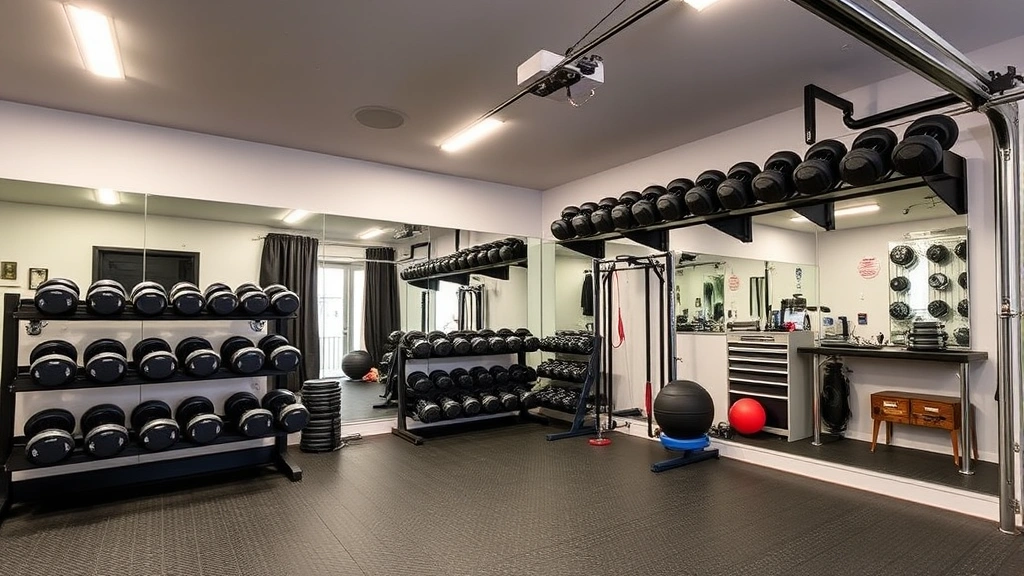
Creating a home gym transforms your fitness routine and eliminates the intimidation factor many people experience in crowded commercial facilities. Whether you’re building a dedicated workout space in your garage, basement, or spare bedroom, a well-planned home gym provides convenience, privacy, and cost savings over time. This comprehensive guide walks you through every step of establishing a functional, safe, and effective home workout environment.
The beauty of a DIY home gym lies in its flexibility and personalization. You control the equipment, atmosphere, and schedule without membership fees or commute times. From selecting appropriate flooring to installing proper ventilation, every decision impacts your long-term fitness success and safety. Let’s explore the essential components and expert strategies for building a home gym that meets your specific fitness goals.
Assessing Your Space and Budget
Before purchasing any equipment, honestly evaluate your available space and financial resources. Home gyms range from minimal setups costing under $500 to comprehensive facilities exceeding $10,000. Measure your room dimensions carefully, accounting for ceiling height—critical for exercises involving overhead movements or jump training. A standard home gym requires minimum 100 square feet, though 200+ square feet accommodates more equipment and training variety.
Determine your primary fitness goals: strength training, cardio conditioning, flexibility work, or a balanced combination. This decision directly influences equipment priorities and space allocation. Budget considerations should include not just equipment purchases but also flooring materials, wall modifications, mirrors, and climate control upgrades. Many successful home gym builders start modest and expand gradually as fitness habits solidify and budget allows.
Calculate realistic costs by researching equipment prices from reputable manufacturers and retailers. Factor in delivery fees for heavy items like treadmills or weight benches. Consider whether you’ll need professional installation for certain equipment or structural modifications. Creating a detailed budget spreadsheet helps prioritize purchases and prevents impulse buying that doesn’t align with your fitness objectives.
Foundation: Flooring and Safety Considerations
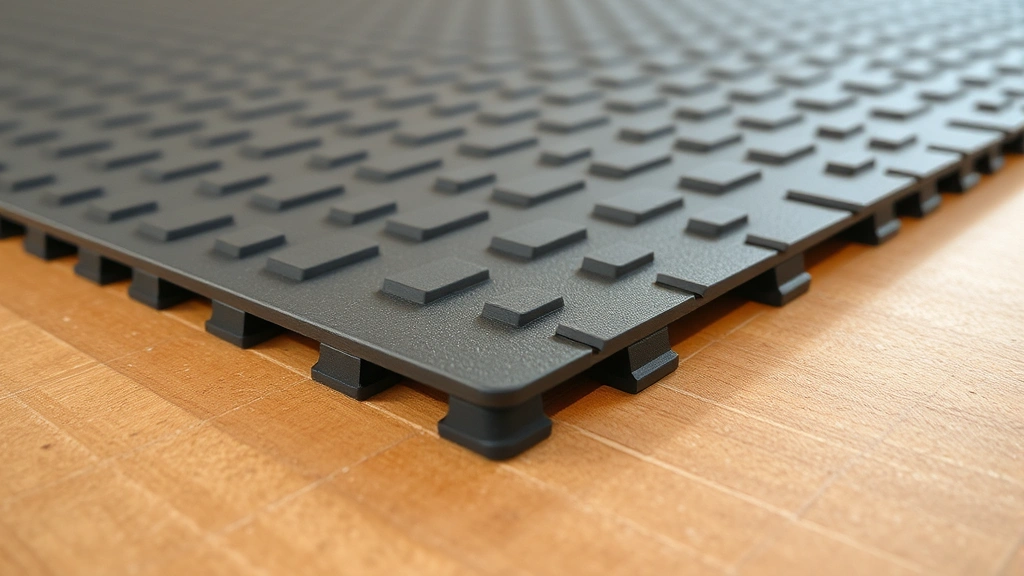
Proper flooring is fundamental to home gym safety and longevity. Standard residential flooring cannot withstand dropped weights, dragged equipment, or intense training impacts. Rubber flooring provides superior shock absorption, noise reduction, and equipment protection. Interlocking rubber tiles offer flexibility for custom gym layouts and allow easy removal if you relocate equipment or move homes.
Concrete basement floors benefit from rubber underlayment before tile installation, creating a moisture barrier and cushioning layer. For upstairs rooms with wooden subfloors, reinforcement may be necessary before installing heavy equipment—consult a structural engineer if planning significant weight loads. Plywood subflooring under rubber tiles distributes weight more effectively than direct installation on wood floors.
Safety extends beyond flooring materials. Ensure adequate clearance around all equipment—minimum 2-3 feet on all sides prevents collisions and allows safe movement. Install wall padding in corners and around fixed structures. Secure free weights and equipment to prevent tipping. Review OSHA guidelines for home workshop safety and equipment installation standards. Proper grounding and electrical safety become critical when operating motorized equipment like treadmills.
Essential Equipment for Beginners
Start with versatile, space-efficient equipment that addresses multiple training modalities. Adjustable dumbbells represent the most valuable beginner investment—they occupy minimal space while enabling hundreds of exercises. A quality adjustable dumbbell set (5-50 pounds) costs $200-400 and eliminates the need for multiple individual weights.
An adjustable weight bench serves as the foundation for countless upper body and core exercises. Look for benches offering flat, incline, and decline positions with secure padding and stable construction. Resistance bands provide affordable, portable alternatives to machines and enable progressive overload through variable tension. A pull-up bar installation requires minimal space and provides essential upper body training capability.
Cardiovascular fitness can be maintained through bodyweight exercises, jump rope, or modest cardio equipment. Treadmills consume significant space; consider folding models if space is limited. Rowing machines offer excellent full-body conditioning in a compact footprint. Stationary bikes provide low-impact cardio suitable for various fitness levels. Begin with equipment matching your primary goals, then expand based on training progression and preference evolution.
Advanced Equipment and Specialization
As your fitness journey progresses, specialized equipment enables targeted training and prevents plateaus. Power racks or squat stands become essential for serious strength training, providing safety features and progressive loading capability. Olympic weight plates and barbells offer superior durability and precision compared to dumbbells for compound movements. Smith machines provide guided movement patterns beneficial for technique development or training while fatigued.
Cable machines enable constant tension throughout movements, building muscle effectively through varied angles. Functional trainers offer similar benefits with reduced equipment footprint. Leg press machines target lower body efficiently, though they require substantial space. Specialty equipment like landmine attachments, trap bars, and chains enable creative training variations maximizing limited space and equipment investment.
Cardio advancement might include spin bikes, assault bikes, or ski machines offering high-intensity interval training capabilities. Rowing ergometers provide precise performance metrics and competitive elements. Consider your specific sport or fitness goal when selecting advanced equipment—rock climbers benefit from hangboards, martial artists need heavy bags, and runners may eventually upgrade to premium treadmills.
Ventilation, Lighting, and Climate Control
Proper ventilation prevents moisture accumulation, eliminates odors, and maintains comfortable training conditions. Basement gyms particularly benefit from dehumidifiers and exhaust fans directing moisture outdoors. ASHRAE standards recommend specific air exchange rates for exercise spaces, ensuring adequate oxygen availability during intense workouts. Open windows when weather permits, supplementing mechanical ventilation during high-intensity training sessions.
Lighting directly impacts safety and motivation. Bright, even illumination prevents accidents and enables proper exercise form assessment. LED fixtures provide energy efficiency and superior light quality compared to incandescent options. Consider dimmable lighting for flexibility—brighter settings for technical training, moderate levels for steady-state cardio. Avoid shadows cast by fixtures that might obscure movement patterns or create tripping hazards.
Climate control maintains consistent training conditions and equipment longevity. Extreme temperatures degrade rubber flooring, electronic equipment, and lubricants in machines. Space heaters supplement inadequate heating in uninsulated spaces; portable air conditioning units cool overheated areas. Insulation upgrades in permanent gym spaces justify their initial cost through improved comfort and equipment preservation. Humidity control prevents rust on metal weights and corrosion on electronic components.
Mirror Installation and Layout Design
Mirrors serve practical and psychological functions in home gyms. They enable form assessment during exercises, preventing injury-causing technique breakdowns. Mirrors also psychologically enlarge perceived space, creating more inviting training environments. Install mirrors opposite windows or light sources to maximize brightness without creating glare that obscures movement reflection.
Position mirrors at heights accommodating various exercises and user heights. Mirrors should reflect your body from approximately knee height to slightly above head height for optimal form visualization. Secure mirrors firmly to wall studs using appropriate hardware—falling mirrors present serious injury risks. Safety film backing prevents shattering if mirrors are struck by equipment.
Layout design balances equipment accessibility with safe movement paths. Place frequently-used equipment centrally; less-used items toward perimeter areas. Separate strength and cardio zones if space permits, minimizing interference during training. Power outlets should be conveniently located for equipment charging and operation. Create clear pathways preventing tripping hazards from cables, dumbbells, or equipment feet. Flexible layout using equipment on wheels allows configuration changes matching evolving training priorities.
Storage Solutions and Organization
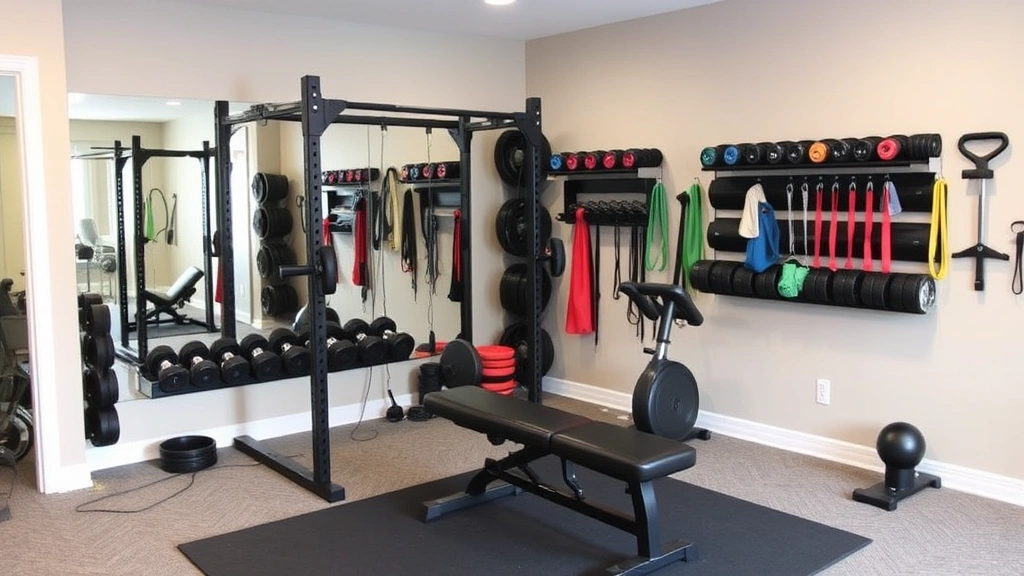
Organized storage systems maximize usable training space and maintain safety. Wall-mounted racks store dumbbells, resistance bands, and accessories efficiently. Pegboards with hooks accommodate varied equipment types while remaining accessible. Shelving units hold smaller items, supplements, and training logs. Vertical storage utilizes often-wasted wall space, keeping floors clear for movement.
Dedicated storage for cables, straps, and small equipment prevents tangling and damage. Rolling carts provide mobile storage for frequently-rearranged items. Labeled bins containing resistance bands, foam rollers, and mobility tools facilitate quick equipment location. Climate-controlled storage preserves equipment longevity—keep leather handles away from extreme humidity, store electronics in temperature-stable areas.
Organization systems reduce workout disruptions from equipment searching. Establish consistent placement for each item, creating habits that maintain order. Regular inventory assessments identify broken equipment requiring repair or replacement. Proper storage also protects family members from tripping hazards or accidental equipment contact during non-training hours.
Safety Standards and Building Code Compliance
Home gym construction must comply with local building codes and safety regulations. Structural modifications, electrical work, or wall modifications may require permits and inspections. International Building Code standards establish minimum requirements for residential spaces, including floor load capacity, egress pathways, and electrical safety. Basement gyms must maintain clear access to exits and avoid blocking emergency egress routes.
Electrical safety demands particular attention when operating motorized equipment. Dedicated circuits prevent overloads and reduce shock hazards. Ground-fault circuit interrupter (GFCI) protection is essential, especially in damp environments like basements. All electrical work should comply with National Electrical Code standards. Consider hiring licensed electricians for installations rather than DIY electrical modifications.
Equipment installation must follow manufacturer specifications precisely. Wall-mounted equipment requires secure attachment to wall studs capable of supporting dynamic loads. Ceiling-mounted pull-up bars need proper installation into structural members. Equipment exceeding floor load limits requires reinforcement—concrete pads or weight distribution systems prevent floor damage. Document all modifications and installations for insurance purposes and future reference.
Fire safety considerations include maintaining clear pathways to exits and keeping fire extinguishers accessible. Ensure smoke detectors function properly in enclosed gym spaces. Avoid blocking windows or doors that might serve as emergency exits. Regular safety audits identify hazards—loose equipment, deteriorating flooring, or electrical damage—requiring immediate attention.
FAQ
What’s the minimum space needed for a functional home gym?
A functional home gym requires minimum 100 square feet, though 150+ square feet accommodates more equipment variety and safer movement patterns. Ceiling height of at least 8 feet accommodates overhead exercises and jumping movements. Vertical spaces like walls can be maximized through mounted storage and racks, effectively expanding usable training area.
How much should I budget for a complete home gym?
Budget varies significantly based on fitness goals and equipment preferences. Basic setups cost $500-1,500 (dumbbells, bench, resistance bands). Intermediate gyms range $2,000-5,000 (adding specialized equipment and cardio machines). Comprehensive facilities may exceed $10,000. Start modest and expand gradually as fitness habits solidify and budget allows, preventing waste from unused equipment.
Do I need professional help for home gym construction?
Some tasks benefit from professional assistance: structural assessments for heavy equipment, electrical installations, and wall modifications requiring permits. Most equipment assembly can be accomplished with basic tools following manufacturer instructions. Consult professionals when unsure about building code compliance, structural capacity, or electrical safety—safety investments justify their costs.
What flooring works best for home gyms?
Rubber flooring provides optimal shock absorption, noise reduction, and equipment protection. Interlocking rubber tiles offer flexibility for custom configurations. Concrete basements benefit from rubber underlayment creating moisture barriers. Wooden floors may require reinforcement before supporting heavy equipment. Avoid standard carpet or vinyl that cannot withstand dropped weights or dragged equipment damage.
How can I improve air quality in my home gym?
Install exhaust fans or open windows for mechanical ventilation, exchanging stale air during training sessions. Dehumidifiers prevent moisture accumulation, particularly in basements. Air purifiers with HEPA filters remove dust and odors. Adequate ventilation also prevents oxygen depletion during intense exercise—high-quality air exchange enables proper respiratory function during demanding workouts. Regular cleaning maintains air quality and prevents mold growth.
Should I install mirrors in my home gym?
Yes, mirrors enable crucial form assessment preventing injury-causing technique breakdowns. They also psychologically enlarge perceived space, creating more inviting training environments. Install mirrors opposite light sources to maximize brightness without glare. Secure them firmly to wall studs using safety film backing. Position mirrors accommodating various exercise heights and movement ranges for optimal form visualization.
What equipment should beginners prioritize?
Beginners should start with adjustable dumbbells (most versatile investment), an adjustable weight bench, resistance bands, and a pull-up bar. These fundamentals enable hundreds of exercises addressing all major muscle groups. Add cardio equipment matching personal preferences—jump rope, rowing machine, or stationary bike. Expand gradually based on training progression and specific fitness goals rather than purchasing everything simultaneously.
How do I ensure my home gym complies with building codes?
Review local building codes or consult municipal building departments about requirements for home modifications. Structural changes, electrical work, or wall installations may require permits and inspections. Ensure electrical installations comply with National Electrical Code standards—hire licensed electricians rather than attempting DIY electrical work. Equipment installation must follow manufacturer specifications and structural requirements. Document all modifications for insurance purposes and future reference.