Avoid Razor Burn: Dermatologist-Approved Tips for Smooth, Irritation-Free Skin
Razor burn is one of the most common skin irritations people experience during their personal grooming routine. Whether you’re shaving your face, legs, underarms, or other body areas, the uncomfortable redness, itching, and burning sensation can persist for hours or even days after shaving. This condition occurs when your razor blade irritates the skin’s surface, removing not just hair but also protective layers of skin cells and natural oils. The good news is that razor burn is entirely preventable with the right techniques, tools, and products.
Understanding how to avoid razor burn requires knowledge of your skin type, proper preparation methods, and the correct shaving technique. Many people unknowingly contribute to their own razor burn by rushing through their grooming routine, using dull blades, or skipping essential preparation steps. In this comprehensive guide, we’ll explore dermatologist-approved strategies to keep your skin smooth, comfortable, and irritation-free. Whether you’re new to shaving or looking to refine your technique, these evidence-based tips will help you achieve the best results while protecting your skin’s health.
Understand Your Skin Type and Sensitivity
Before you can effectively prevent razor burn, you need to understand your unique skin characteristics. Different skin types respond differently to shaving, and what works perfectly for someone with oily skin might cause severe irritation for someone with sensitive or dry skin. Your skin type—whether normal, dry, oily, combination, or sensitive—determines which products and techniques will work best for you.
Sensitive skin is particularly prone to razor burn because the skin barrier is naturally more reactive to irritation. If you have sensitive skin, you’ll want to take extra precautions when shaving. This might include using dermatologist-recommended sensitive skin products and allowing more time between shaving sessions to let your skin recover. Dry skin also requires special attention because shaving can further strip away natural moisturizing oils, leading to increased irritation and discomfort.
Consider conducting a patch test with any new shaving product before applying it to your entire shaving area. This helps you identify potential allergic reactions or sensitivities before they affect a large area of your skin. Keep a personal grooming journal to track which products, techniques, and timing work best for your skin, noting any irritation patterns that emerge after shaving.

Invest in Quality Razors and Replacement Blades
The quality of your razor blade directly impacts your risk of developing razor burn. Dull blades are one of the leading causes of shaving irritation because they tug at hair rather than cutting it cleanly. When a blade pulls at hair instead of slicing through it, it creates micro-tears in the skin and hair follicles, leading to inflammation, redness, and that characteristic burning sensation.
Dermatologists consistently recommend replacing your razor blade after 5-10 shaves, depending on the thickness of your hair and the size of the area you’re shaving. Men with thick facial hair may need to replace blades more frequently than women shaving their legs. Investing in a quality razor with multiple blades—typically 3-5 blades—provides better cutting efficiency and reduces the pressure needed to cut hair effectively.
When selecting a razor, look for models with moisture strips that contain lubricating ingredients. These strips help the blade glide smoothly across your skin while providing additional protection against irritation. Safety razors and electric razors are excellent alternatives if you find traditional multi-blade razors consistently cause problems. Electric shavers, in particular, create less direct contact with the skin and can be gentler for people with very sensitive skin.
Prepare Your Skin Properly Before Shaving
Proper skin preparation is absolutely crucial for preventing razor burn. Many people jump straight into shaving without taking time to soften their hair and skin, which dramatically increases irritation risk. Dermatologists universally recommend preparing your skin before shaving, and this preparation should begin well before the razor touches your skin.
Start by taking a warm shower or applying warm water to the area you plan to shave. Warm water opens your pores and softens hair follicles, making them easier to cut and less likely to be yanked out. Spend at least 2-3 minutes allowing warm water to soften the area. For facial hair, some men find that applying a warm, damp washcloth to their face for several minutes provides optimal softening. This simple step dramatically reduces the tugging sensation that causes irritation.
Exfoliation is another important preparation step, but it must be done gently. Light exfoliation removes dead skin cells and helps prevent ingrown hairs, which can contribute to irritation. However, avoid aggressive scrubbing or exfoliating immediately before shaving. Instead, exfoliate gently 1-2 times per week on non-shaving days using a soft exfoliating glove or mild chemical exfoliant. This keeps your skin smooth without adding extra irritation on shaving day.
Master the Correct Shaving Technique
How you actually perform the shaving action matters tremendously for preventing razor burn. Many people apply too much pressure, use incorrect angles, or shave too quickly, all of which increase irritation. The correct technique requires patience, proper angle alignment, and a light touch.
Hold your razor at a 30-45 degree angle to your skin—not perpendicular and not flat against the skin. This angle allows the blade to cut hair efficiently without digging into the skin. Use light, gentle strokes rather than pressing hard; the weight of the razor should do most of the work. Pressing too hard forces the blade closer to the skin, increasing irritation risk and potentially causing cuts.
Shave in the direction of hair growth whenever possible, known as shaving “with the grain.” Shaving against the grain provides a closer shave but significantly increases irritation, ingrown hairs, and razor burn. If you prefer a very close shave, you can make one pass with the grain, then one pass across the grain, but avoid shaving against the grain entirely if you have sensitive skin.
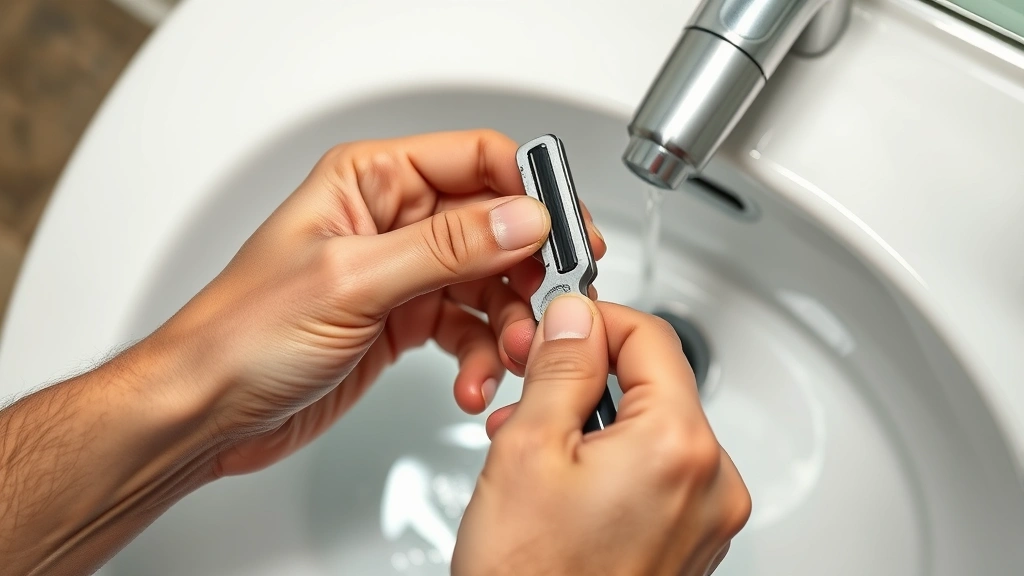
Use short, controlled strokes rather than long sweeping motions. Short strokes give you better control and reduce the risk of applying uneven pressure. Rinse your razor frequently—after every 2-3 strokes—to remove hair and shaving cream buildup. A clogged blade cannot cut efficiently and will tug at hair instead of cutting cleanly.
Choose the Right Shaving Products
The shaving cream, gel, or oil you use significantly impacts your risk of razor burn. These products serve multiple purposes: they lubricate the blade for smooth gliding, soften hair for easier cutting, and protect the skin from direct blade contact. Choosing high-quality products tailored to your skin type is essential.
Look for shaving products containing soothing ingredients like aloe vera, glycerin, or chamomile. These ingredients provide additional skin protection and can help calm irritation. Avoid products containing alcohol, which dries out skin and increases irritation risk. If you have sensitive skin, seek out products specifically formulated for sensitive skin or those labeled as hypoallergenic.
Shaving creams and gels are not interchangeable with regular soaps or body washes. Regular soap doesn’t provide adequate lubrication or protection for shaving. Shaving oils are an excellent option for people with dry skin, as they provide superior lubrication and leave skin feeling moisturized. Shaving foams provide good lubrication but may dry out skin more than creams or oils.
Allow your shaving product to sit on your skin for 30 seconds to a minute before shaving. This brief waiting period allows the product to fully soften your hair and create an optimal protective barrier. Many people rush this step, but giving the product time to work significantly improves shaving comfort and results.
Aftercare and Soothing Irritated Skin
What you do after shaving is just as important as your preparation and technique. Proper aftercare prevents razor burn from developing and soothes any irritation that does occur. Immediately after shaving, rinse the area thoroughly with cool water. Cool water closes your pores and helps reduce inflammation. Pat your skin dry gently with a soft towel—avoid rubbing, which can irritate freshly shaved skin.
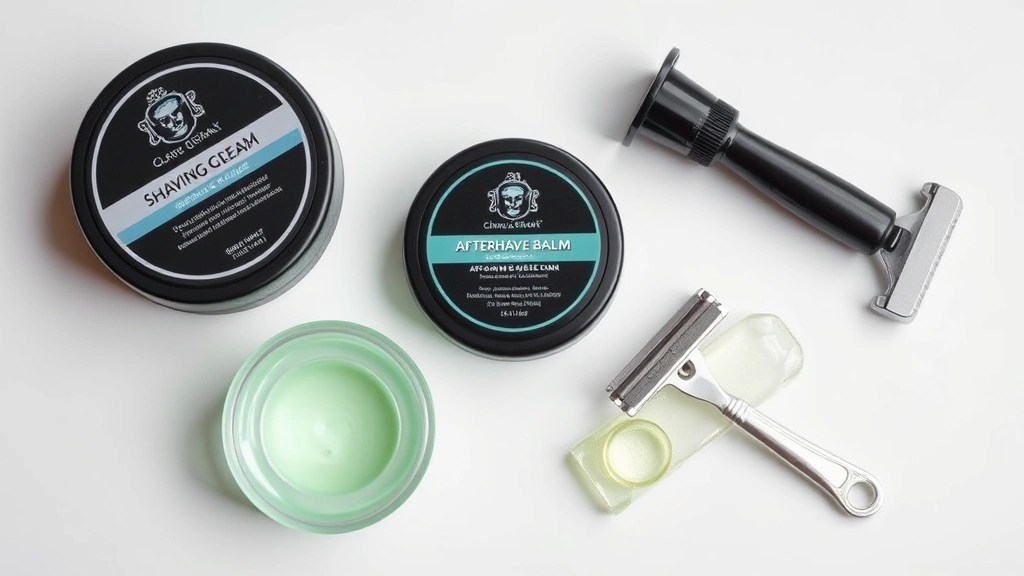
Apply an aftershave product immediately while your skin is still slightly damp. Aftershave balms and lotions create a protective barrier and provide soothing ingredients. Look for products containing aloe vera, witch hazel, or chamomile. Avoid traditional alcohol-based aftershaves, which sting and dry out skin. If you don’t have specific aftershave products, a fragrance-free moisturizer works well for most skin types.
For the first few hours after shaving, avoid activities that might irritate your skin further. Skip intense exercise that causes sweating, avoid tight clothing that rubs against freshly shaved areas, and don’t apply makeup or other products immediately after shaving. Give your skin at least 30 minutes to calm down before exposing it to additional irritants.
If you do develop razor burn, several home remedies can provide relief. Applying cool compresses, using hydrocortisone cream, or taking an oatmeal bath can all help soothe irritation. The American Academy of Dermatology provides additional guidance on treating razor irritation. For severe or persistent razor burn, consult a dermatologist to rule out infection or other skin conditions.
Common Mistakes That Cause Razor Burn
Understanding what causes razor burn helps you avoid these mistakes. One of the most common errors is shaving too frequently. Your skin needs time to recover between shaving sessions. If possible, wait at least 24 hours between shaving the same area to allow your skin to heal. For very sensitive skin, waiting 48 hours between shaves may be necessary.
Using old, dull, or rusty blades is another major culprit. People often continue using razors well past their useful lifespan to save money, but this false economy results in more irritation and discomfort. A fresh blade costs far less than treating severe razor burn or dealing with resulting skin infections. Replace your blades regularly and don’t hesitate to discard a blade that feels rough or doesn’t glide smoothly.
Rushing through your shaving routine causes numerous problems. When you hurry, you skip preparation steps, apply too much pressure, and don’t allow products to work properly. Dedicate adequate time to shaving—at least 5-10 minutes—to do it correctly. This investment in time pays dividends in terms of skin comfort and appearance.
Using the wrong products for your skin type perpetuates irritation. If you have dry skin but use a foaming gel designed for oily skin, you’ll experience more irritation. Take time to identify your skin type and select products accordingly. Don’t assume that the most expensive product is the best choice; sometimes simpler, more basic products work better for sensitive skin.
Shaving immediately after waking up is another common mistake. Your skin is naturally more swollen and sensitive first thing in the morning. If possible, shower and allow your skin to normalize for at least 15-20 minutes before shaving. Similarly, shaving right before bed can cause irritation that worsens overnight. Mid-morning or early afternoon typically provides optimal timing for shaving.
If you’re interested in learning more about home improvement and personal care, explore our comprehensive guides on topics like DIY basement finishing and DIY home security. These resources provide detailed instructions for various home improvement projects that can enhance your living space and quality of life.
FAQ
What causes razor burn?
Razor burn occurs when your razor blade irritates the skin’s surface, removing protective skin cells and natural oils. Common causes include dull blades, insufficient skin preparation, shaving too quickly, applying too much pressure, and using products unsuitable for your skin type. The irritation manifests as redness, itching, burning sensation, and sometimes small bumps or ingrown hairs.
How long does razor burn last?
Mild razor burn typically subsides within 24-48 hours with proper aftercare. More severe irritation can persist for several days. Using soothing products like aloe vera and avoiding further irritation accelerates healing. If razor burn doesn’t improve within a week or shows signs of infection, consult a dermatologist.
Can razor burn lead to infection?
While rare, razor burn can become infected if you scratch the irritated area or if bacteria enter through damaged skin. Signs of infection include increased redness, warmth, swelling, pus, or pain. If you suspect infection, clean the area gently and apply an antibiotic ointment. Seek medical attention if symptoms worsen.
Is electric shaving better for preventing razor burn?
Electric razors can be gentler than traditional razors for some people, particularly those with very sensitive skin. Electric shavers create less direct contact with the skin and reduce the risk of applying too much pressure. However, they may not provide as close a shave. The best option depends on your individual skin type and preferences.
How often should I replace my razor blade?
Most dermatologists recommend replacing razor blades every 5-10 shaves. However, this varies based on hair thickness and the size of the area you’re shaving. If your blade feels rough, doesn’t glide smoothly, or you notice increased irritation, replace it immediately. Don’t wait for a set number of shaves if the blade is clearly dull.
What’s the best shaving product for sensitive skin?
For sensitive skin, look for fragrance-free, hypoallergenic shaving products containing soothing ingredients like aloe vera, chamomile, or oatmeal. Shaving oils often work better than foams for sensitive skin as they provide superior lubrication without drying. Test new products on a small area first to check for allergic reactions.
Should I shave against the grain for a closer shave?
While shaving against the grain does provide a closer shave, it significantly increases razor burn risk, ingrown hairs, and irritation. If you have sensitive skin, always shave with the grain. If you prefer a very close shave, make one pass with the grain and one pass across the grain, but avoid shaving directly against the grain.
What should I do if I already have razor burn?
If you already have razor burn, apply cool compresses to reduce inflammation, use fragrance-free moisturizer or aloe vera, and avoid further irritation from tight clothing or additional shaving. Over-the-counter hydrocortisone cream can help with itching and inflammation. Avoid makeup and other products on the affected area for at least 24 hours. If symptoms persist beyond a week, consult a dermatologist.