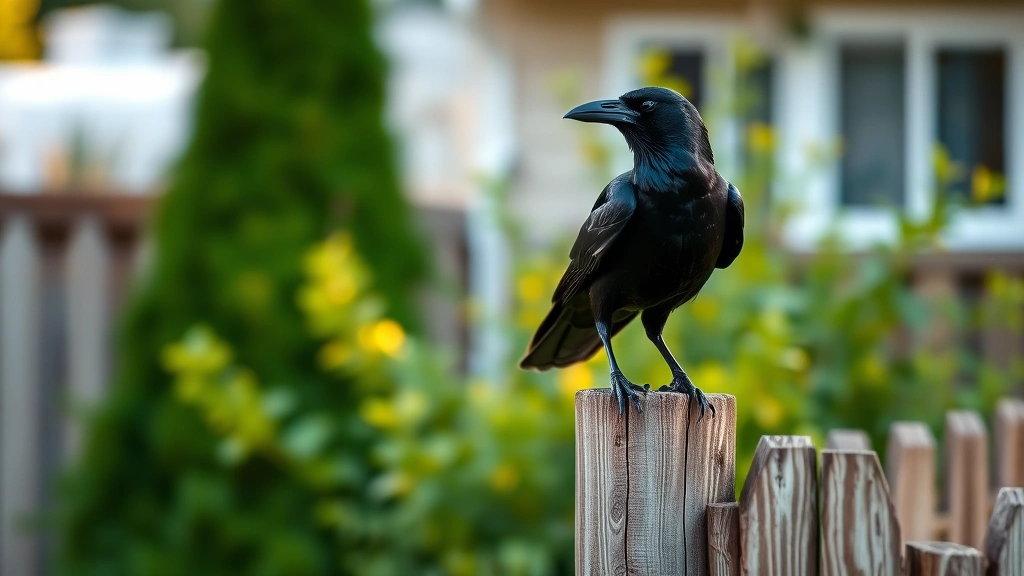
Befriend Crows: Expert Tips for Bird Lovers
Crows are among the most intelligent birds on the planet, possessing cognitive abilities that rival some primates. These remarkable creatures can solve complex problems, use tools, and even recognize individual human faces. Building a genuine friendship with crows requires patience, consistency, and understanding their behavior patterns. Whether you’re a casual backyard observer or a dedicated bird enthusiast, learning how to befriend crows can transform your outdoor experience and provide fascinating insights into avian intelligence.
The process of befriending crows isn’t instantaneous, but the rewards are extraordinary. Once you establish trust with these birds, they may bring you gifts, remember you across seasons, and actively seek your company. This guide will walk you through proven strategies for attracting crows, building their confidence, and developing a mutually beneficial relationship that enriches both your life and theirs.

Understanding Crow Behavior and Intelligence
Before you can effectively befriend crows, you need to understand what makes them tick. Crows belong to the Corvidae family, which includes ravens, magpies, and jays. Research from universities worldwide has demonstrated that crows possess remarkable problem-solving abilities, memory retention, and even the capacity for playful behavior. They can remember human faces for years, distinguish between people who have treated them kindly and those who haven’t, and communicate warnings to other crows about potential threats.
Crows are highly social birds that live in family groups and communities. They communicate through a complex system of calls and body language, each vocalization carrying specific meaning. Understanding that crows are not simply looking for food, but genuine social interaction, is crucial to successful befriending. They engage in play, teach their young through observation and practice, and demonstrate what appears to be genuine affection toward their mates and family members.
The intelligence of crows means they’re cautious and observant. They won’t trust you immediately, and they shouldn’t. This caution has allowed them to thrive in urban and rural environments alike. Your goal is to become someone they recognize as safe, predictable, and rewarding to be around. This is a gradual process that mirrors how humans build friendships—through repeated positive interactions over time.

Creating the Right Environment for Crows
Crows need three essential things: food, water, and safe perching spots. To create an environment where crows feel welcome, you’ll need to provide all three. Start by assessing your outdoor space and identifying where crows are likely to visit. They prefer areas with a mix of open space for foraging and trees or structures for perching and escape routes.
Water is critically important for crows. A shallow bird bath or even a large bowl of fresh water will attract them and give them reason to visit regularly. Change the water daily to keep it clean and appealing. Position your water source where you can observe it from a window, creating a comfortable vantage point for your crow-watching activities. Many bird lovers find that providing water is just as important as providing food in establishing regular crow visits.
Safe perching locations are essential for crows to feel secure. If you have trees in your yard, they’re ideal. If not, consider installing sturdy branches or perches on fences or posts. Crows appreciate having multiple vantage points from which they can survey their surroundings. This allows them to watch for threats while also observing you, which is part of the trust-building process. The more secure a crow feels in your space, the more likely it is to return and bring family members.
Consider the overall landscape design of your yard. Crows prefer areas that aren’t too open or too cluttered. They like having clear sight lines and escape routes. If your yard is surrounded by dense shrubs or completely open, crows may feel vulnerable. A balanced approach with some trees, open areas, and good visibility is ideal for attracting and keeping crows comfortable in your space.
Feeding Strategies That Build Trust
Food is your primary tool for building relationships with crows. However, not all foods are appropriate for crows, and how you present food matters enormously. The best foods for crows include unsalted peanuts (in shell or shelled), eggs, cooked chicken, and specialized bird feed. Avoid salted nuts, chocolate, avocado, and anything with artificial ingredients. Research from the National Audubon Society provides detailed guidance on appropriate bird nutrition.
Start by placing small amounts of food in the same location every day, preferably at the same time. Consistency is absolutely critical. Crows have excellent memories and will learn your schedule. If you feed them at 8 AM every morning, they’ll be waiting by 7:45 AM. This predictability is what builds trust. It demonstrates that you’re reliable and that your presence means food and safety.
Initially, place food at a distance from where you’ll be standing or sitting. As crows become more comfortable, you can gradually move closer to the food source. Never make sudden movements or loud noises during feeding times. Speak softly if you speak at all. The goal is to become a non-threatening presence in their feeding routine. Over weeks and months, individual crows will become comfortable eating while you’re nearby.
Some experienced crow befrienders eventually reach a point where crows will eat directly from their hands. This is an advanced stage that requires months of consistent, gentle interaction. Never rush this process. Forcing interaction can set back your progress significantly. Let the crows dictate the pace of increasing closeness. When a crow is ready to eat from your hand, it will demonstrate confidence through relaxed body posture and direct approach.
Establishing Consistent Routines
Consistency is the foundation of crow trust. Crows are creatures of habit and they appreciate predictability. Establish a regular feeding schedule and stick to it religiously. Feed at the same time each day, in the same location, with the same types of food. This consistency signals to crows that you’re trustworthy and that your presence is associated with positive outcomes.
Beyond feeding, establish a routine presence in your yard. Spend time sitting quietly in the same spot, perhaps reading or just observing. Crows will notice your patterns and adjust their behavior accordingly. If you always sit on a particular bench at a particular time, crows will learn this and may time their visits accordingly. This routine presence helps crows feel that you’re a permanent, non-threatening fixture in their environment.
Document your interactions and observations. Keep notes about which crows visit, their markings, their behavior patterns, and any interesting incidents. This practice serves multiple purposes: it helps you identify individual crows over time, it allows you to track progress in building relationships, and it deepens your engagement with the befriending process. Many crow enthusiasts create detailed journals or even photo albums of their corvid friends.
Seasonal changes will affect crow behavior and your routine. During breeding season, crows may be more territorial and less interested in human interaction. In winter, they may be more food-motivated. Adapt your routine seasonally while maintaining the core consistency that crows rely on. Understanding these cycles helps you maintain patience during periods when crows seem less engaged.
Reading Crow Body Language
To befriend crows effectively, you need to understand what their body language is communicating. A relaxed crow will have smooth feathers, normal posture, and may even make soft vocalizations. An alert crow will have slightly fluffed feathers and will be paying close attention to its surroundings. A frightened or defensive crow will have very fluffed feathers, may make loud alarm calls, and will position itself for quick escape.
When a crow is comfortable with you, it will gradually decrease the distance it maintains between itself and you. It may make eye contact, which is a sign of trust among many bird species. Crows may also engage in what appears to be playful behavior, hopping around or manipulating objects. This is excellent news—it means the crow feels safe enough to engage in non-essential activities in your presence.
Vocalizations are equally important. Crows use different calls for different situations. A harsh, repeated caw is often an alarm call warning other crows of danger. Softer, more varied vocalizations suggest contentment or friendly interaction. Over time, you’ll begin to recognize individual crow voices and their different call patterns. Some crows may even seem to be having conversations with you, using varied tones and waiting for your response.
Pay attention to tail position and wing posture. A crow with a relaxed tail and wings held close to its body is comfortable. A crow with raised tail feathers or extended wings may be preparing for flight or displaying dominance. Understanding these subtle signals allows you to adjust your behavior to maintain the crow’s comfort level. This responsiveness to their non-verbal communication builds deeper trust.
Common Mistakes to Avoid
One of the biggest mistakes people make is being inconsistent. Missing feeding times, changing locations, or varying the routine confuses crows and can undo months of trust-building. Crows are intelligent enough to notice these changes, and inconsistency signals unreliability. If you can’t maintain a consistent routine, it’s better to wait until you can before starting the befriending process.
Another common error is providing inappropriate foods or foods that are harmful to crows. Bread, while sometimes given to wild birds, is actually nutritionally inadequate and can cause health problems. Salted foods can harm birds’ kidneys. Pesticide-contaminated food can cause serious illness. Always research what you’re feeding before offering it to crows. The U.S. Fish and Wildlife Service provides comprehensive guidelines on wildlife feeding safety.
Don’t attempt to touch or grab crows, even when they seem comfortable. This violates their trust and can injure the bird or yourself. Let any physical contact be initiated by the crow, and even then, keep it minimal and gentle. Respect their autonomy and boundaries. Many people get so excited when a crow becomes comfortable that they forget to maintain appropriate distance and respect.
Avoid using pesticides or herbicides in areas where you’re feeding crows. These chemicals can accumulate in birds’ systems and cause serious health problems. If you’re committed to befriending crows, you’re making a commitment to their health and wellbeing. This includes maintaining a chemical-free environment around your feeding areas and throughout your yard.
Never attempt to keep a wild crow or interfere with natural behaviors like nesting or territorial disputes. Crows are wild animals, and the friendship you build should respect their nature. The goal is peaceful coexistence and mutual benefit, not possession or control. This distinction is crucial for both the crows’ wellbeing and for the sustainability of your relationship with them.
Safety Considerations for You and the Birds
While crows are generally not aggressive toward humans, certain situations can provoke defensive behavior. During nesting season, protective parents may dive or scold people who get too close to their nest. Respect these boundaries and give nesting crows space. This actually strengthens your relationship in the long run because crows remember which humans respected their family.
Maintain good hygiene when handling crow food. Wash your hands before and after feeding, use clean containers, and keep food fresh. Spoiled food can harbor bacteria that harm both crows and humans. Use dedicated feeding utensils that you don’t use for human food. This prevents cross-contamination and demonstrates respect for both species’ health.
Be aware of local regulations regarding wildlife feeding. Some municipalities have restrictions on feeding wild birds in certain areas. Check with your local wildlife management office to ensure your crow befriending activities comply with local laws. Most areas allow feeding, but it’s important to verify before establishing your routine.
Watch for signs of illness or injury in your crow visitors. If a crow seems lethargic, has visible injuries, or displays abnormal behavior, contact a local wildlife rehabilitation center. Many communities have specialists who can help injured or sick wildlife. By monitoring the health of your crow friends, you’re contributing to their wellbeing and the health of the broader crow population in your area.
Keep your feeding area clean and remove uneaten food regularly. Accumulated food can attract rats and other unwanted wildlife. It can also become moldy or contaminated, creating health hazards. A well-maintained feeding station is more attractive to crows and safer for everyone involved. Regular cleaning also prevents the spread of disease among the crow population.
Frequently Asked Questions
How long does it take to befriend a crow?
The timeline varies depending on the individual crow and your consistency. Some crows may become comfortable within weeks, while others take months or even years. Expect at least 2-3 months of daily consistent interaction before seeing significant trust development. Patience is essential, and rushing the process can set back your progress.
Can crows actually recognize individual people?
Yes, absolutely. Research has conclusively demonstrated that crows can recognize and remember individual human faces for years. They can distinguish between people who have treated them kindly and those who haven’t. This is one of the remarkable aspects of crow intelligence and why consistency in your behavior matters so much.
What should I do if a crow brings me a gift?
Crow gifts are a sign of exceptional trust and affection. Gifts might include shiny objects, food items, or other small objects. Accept these gifts graciously and with appreciation. You can keep them as mementos of your friendship or gently return them. Either way, acknowledge the gift with soft vocalizations and positive body language.
Is it safe to feed crows year-round?
Yes, year-round feeding is generally safe and beneficial. In fact, consistent year-round feeding helps maintain relationships and provides crucial nutrition during harsh winters. However, adjust your feeding amounts seasonally. Crows need more calories in winter, so increase portions during cold months. In summer, they can supplement with natural food sources.
What if aggressive crows show up?
Occasionally, aggressive or overly dominant crows may appear at feeding stations. If a crow becomes aggressive toward you or other birds, reduce feeding in that area temporarily. Crows have a social hierarchy, and dominant individuals sometimes need to be discouraged from monopolizing resources. Consult with local wildlife experts if aggression becomes a persistent problem.
Can I befriend crows if I live in an apartment?
Absolutely. Apartment dwellers can befriend crows using balconies, window sills, or nearby communal outdoor spaces. Set up a small feeding station on your balcony or in a nearby park. The same principles of consistency and patience apply. Many urban crow enthusiasts have successfully built relationships with crows despite living in high-rise apartments.
What’s the difference between crows and ravens?
Crows and ravens are both corvids, but ravens are significantly larger. Ravens also have shaggier throat feathers and different vocalizations. Both species are highly intelligent, but they have different habitat preferences and social structures. Crows are more likely to be found in urban areas, while ravens prefer wilder, more remote locations. The befriending techniques are similar for both species, though ravens may be more skittish initially.


