
Can You Breed Schmoochle? Expert Tips Inside
The Schmoochle, a delightful hybrid cross between a Schnauzer and a Poodle, has become increasingly popular among dog enthusiasts seeking an intelligent, affectionate companion with minimal shedding. If you’re considering breeding Schmoochles, this comprehensive guide will walk you through the essential considerations, genetic factors, health screening requirements, and ethical breeding practices that responsible breeders must understand before embarking on this rewarding but demanding journey.
Breeding Schmoochles requires more than simply pairing two dogs together. It demands knowledge of genetics, breed standards, health certifications, temperament evaluation, and a genuine commitment to improving the breed while prioritizing the health and wellbeing of both parent dogs and their offspring. This guide explores the critical factors that determine breeding success and helps you make informed decisions about whether breeding is right for your situation.
Understanding Schmoochle Genetics and Hybrid Vigor
Schmoochles represent a first-generation hybrid cross, combining the genetic material of Schnauzers and Poodles. Understanding the genetic foundation of this hybrid is crucial for responsible breeding. The Schnauzer parent contributes traits including alertness, loyalty, and a distinctive wiry coat, while the Poodle parent brings intelligence, athleticism, and the desirable low-shedding coat characteristic. This genetic combination creates what breeders call “hybrid vigor,” where offspring often exhibit improved health and vitality compared to purebred dogs from either parent breed.
However, hybrid vigor doesn’t guarantee immunity from genetic disorders. Both parent breeds carry recessive genes that can express in offspring under certain conditions. Schmoochle puppies may inherit health predispositions from either lineage, including hip dysplasia, progressive retinal atrophy (PRA), or Schnauzer comedo syndrome. A thorough understanding of these genetic possibilities helps breeders make informed decisions about which dogs should and shouldn’t reproduce. Consulting resources from the Orthopedic Foundation for Animals (OFA) provides valuable genetic screening databases and health documentation standards.
The genetic makeup of your Schmoochles will influence coat type, size, temperament, and susceptibility to specific health conditions. First-generation (F1) crosses typically show more predictable hybrid vigor than later generations. If you’re breeding F1b or F2 Schmoochles (those with more complex breeding histories), the genetic variability increases, requiring even more careful screening and selection.
Health Screening Requirements Before Breeding
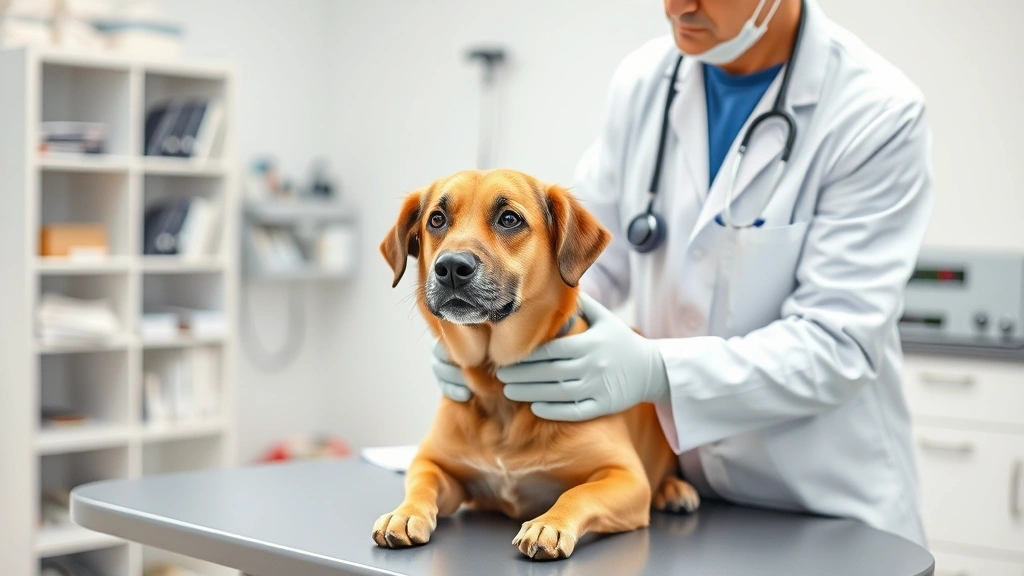
Before any Schmoochle enters a breeding program, comprehensive health screening is absolutely essential. This isn’t optional—it’s a fundamental ethical responsibility. Both the dam (female) and sire (male) must undergo thorough veterinary examinations and genetic testing to identify potential hereditary conditions that could be passed to offspring.
Essential health screenings include:
- Hip and Elbow Dysplasia Evaluation: OFA or PennHIP screening should be completed before breeding. Hip dysplasia is a degenerative joint disease that causes pain and mobility issues. Both parent breeds have documented instances of this condition, making screening critical for Schmoochles.
- Ophthalmologic Examination: A board-certified veterinary ophthalmologist must perform eye screening to detect progressive retinal atrophy, cataracts, and other vision problems. The Canine Eye Registration Foundation (CERF) maintains records of eye health certifications.
- Cardiac Evaluation: A veterinary cardiologist should examine both parents for heart murmurs and structural abnormalities, particularly since Poodles can carry genetic predispositions to certain cardiac conditions.
- Genetic Testing: DNA testing for breed-specific genetic markers helps identify carriers of recessive conditions. Modern genetic testing can identify status for conditions like von Willebrand’s disease and various forms of progressive retinal atrophy.
- Thyroid Function Testing: Both Schnauzers and Poodles can develop thyroid disorders. TSH and T4 levels should be evaluated to ensure normal thyroid function.
These screenings typically cost $500-$1,500 per dog but provide invaluable information for making responsible breeding decisions. Results should be documented and shared transparently with prospective puppy buyers. Many responsible breeders maintain health registries and encourage buyers to report any health issues discovered in their puppies, creating feedback loops that improve breeding practices over time.
Selecting Quality Breeding Stock
Beyond health screening, selecting appropriate breeding candidates requires evaluating temperament, conformation, and genetic diversity. Quality breeding stock should demonstrate stable, predictable temperaments that align with Schmoochle breed characteristics—intelligent, affectionate, alert, and trainable. Dogs with severe behavioral issues, excessive aggression, or extreme anxiety should never be bred, as temperament traits can be hereditary.
Physical conformation matters significantly. Your breeding dogs should exhibit appropriate size for Schmoochles (typically 10-20 pounds depending on parent breed size), proper coat quality, and structural soundness. Observe how potential breeding candidates move, stand, and interact. Their body structure should reflect balanced proportions without exaggerated features that might compromise health or functionality.
Genetic diversity is crucial for maintaining breed health. Breeding closely related dogs (inbreeding) increases the likelihood that recessive genetic disorders will express in offspring. Maintain detailed pedigrees and avoid pairing dogs that share recent common ancestors. If you’re working with a limited gene pool, consider reaching out to other responsible breeders to identify unrelated quality candidates, or consult resources on American Kennel Club breed standards for guidance on maintaining genetic diversity.
Age considerations are important too. Female dogs should be at least 2 years old before their first breeding to ensure physical maturity and completion of health screening protocols. Males should similarly be mature, typically between 2-7 years old for optimal breeding. Breeding very young or very old dogs increases risks of complications and reduces the likelihood of healthy offspring.
Reproductive Considerations and Timing
Understanding female reproductive cycles is essential for successful breeding. Female dogs typically experience estrus (heat cycles) every 6-12 months, with each cycle lasting approximately 21 days. The fertile window occurs during the estrus phase, typically days 5-15 of the cycle, though individual variation is significant. Many breeders use vaginal cytology or progesterone testing to pinpoint optimal breeding timing with precision.
Breeding should be timed strategically. Most breeders aim for puppies to be born during seasons when socialization and early outdoor exposure are feasible—typically spring or early summer in temperate climates. This requires calculating backward from desired birth dates to determine appropriate breeding windows, typically 63 days before intended delivery.
Consider whether natural breeding or artificial insemination is most appropriate for your dogs. Natural breeding works well for most Schmoochles, but some dogs may benefit from artificial insemination due to size differences, behavioral incompatibility, or health concerns. Artificial insemination requires veterinary assistance and increases costs but provides flexibility and can help preserve genetic lines when natural breeding isn’t feasible.
Females should not be bred in consecutive cycles. Most responsible breeders allow at least one full cycle between breedings, typically breeding a female only 4-5 times in her lifetime. This approach prioritizes the dam’s long-term health and wellbeing over maximizing litter production.
Pregnancy Management and Care
Once breeding is confirmed, pregnancy management becomes critical. Pregnant Schmoochles require specialized nutrition, veterinary monitoring, and appropriate exercise. High-quality prenatal vitamins and carefully balanced nutrition support fetal development. Your veterinarian can recommend pregnancy-specific diets or supplementation protocols appropriate for your dam’s individual needs.
Pregnancy typically lasts 63-65 days in dogs. During this period, the dam should continue moderate exercise but avoid strenuous activities that might stress developing puppies. Veterinary ultrasound examinations around day 30 confirm pregnancy and estimate litter size. X-rays near term help identify puppy numbers and positions, valuable information for preparing for delivery and identifying potential complications.
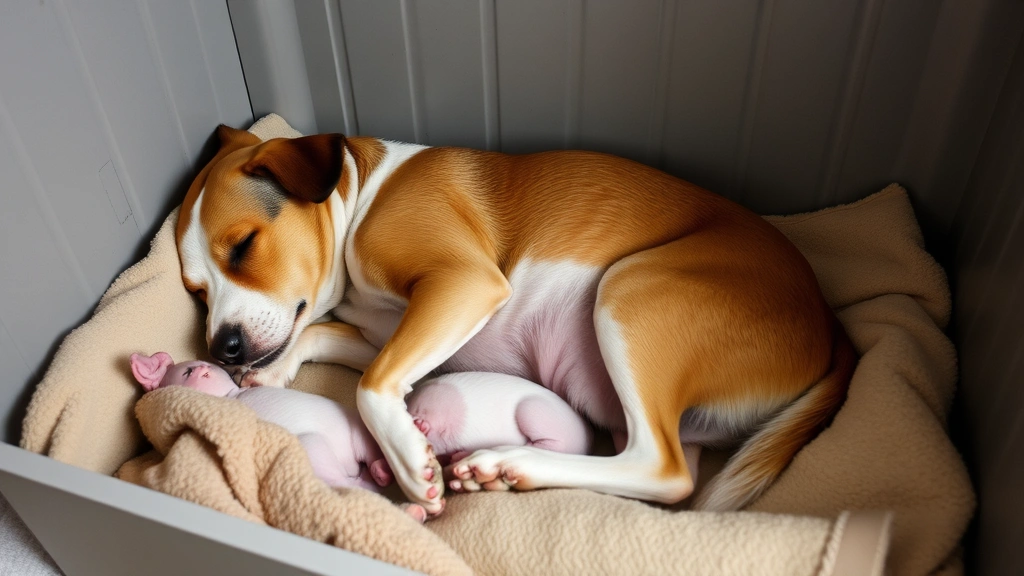
Prepare a clean, quiet whelping area where the dam feels safe and comfortable. Many breeders use whelping boxes with heat lamps to maintain appropriate temperatures for newborn puppies. Stock supplies including clean towels, sterile gloves, puppy feeding bottles, and emergency veterinary contact information. Complications during delivery, while uncommon, can arise quickly—having a veterinarian on standby is essential.
Post-partum care is equally important. Nursing dams require increased calories and high-quality nutrition to support milk production. Monitor for mastitis (breast inflammation), ensure puppies are nursing effectively, and watch for signs of eclampsia (calcium deficiency), which can develop in nursing mothers. Regular veterinary check-ins during the first weeks postpartum help catch complications early.
Puppy Development and Socialization
The first weeks of a Schmoochle puppy’s life establish the foundation for lifelong health and behavior. Puppies are born deaf and blind, entirely dependent on their dam. By week 3-4, eyes and ears open, and exploration begins. This is when early socialization—exposure to various people, environments, sounds, and experiences—should commence.
Responsible breeders invest significant time in early puppy socialization. This includes handling puppies frequently, exposing them to household sounds and activities, introducing them to different textures and surfaces, and beginning basic habituation to grooming and veterinary handling. Puppies that receive thoughtful early socialization typically develop into more confident, adaptable adult dogs.
Veterinary care begins early. Puppies should receive their first vaccinations at 6-8 weeks of age, with boosters following established protocols. Deworming, fecal examinations, and physical assessments ensure healthy development. Many responsible breeders provide health guarantees covering genetic conditions for defined periods, typically 1-2 years.
Breeding creates ongoing responsibility beyond puppy sales. Responsible breeders maintain relationships with puppy buyers, provide guidance on training and care, and take back dogs if circumstances change. This commitment extends throughout the dog’s life, creating a support network that benefits both dogs and their families. Establishing clear contracts that outline breeder responsibilities, buyer obligations, and return policies protects everyone involved.
Legal and Ethical Responsibilities
Breeding dogs carries legal and ethical obligations that vary by location. Some jurisdictions require breeding licenses, impose limits on litter frequency, or mandate specific health certifications. Research local regulations before beginning a breeding program. Consulting with your veterinarian and local animal control offices clarifies legal requirements in your area.
Ethical breeding means prioritizing animal welfare above profit. Responsible breeders don’t maximize litter production or breed frequently; they breed thoughtfully, spacing litters appropriately and limiting each dam’s reproductive years. They screen buyers carefully, ensuring puppies go to suitable homes. They maintain transparency about genetic testing results, health histories, and any known issues.
Consider joining breed clubs or associations that provide guidance on ethical breeding standards. These organizations often maintain code of ethics documents and breeder directories. By aligning with established standards, you contribute to improving the Schmoochle breed while building credibility and trust with prospective buyers.
Transparency about the hybrid nature of Schmoochles is essential. Buyers should understand that Schmoochles are designer hybrids, not recognized by major kennel clubs, and may exhibit variable traits depending on the specific genetics inherited from each parent. Honest communication about what buyers can expect—in terms of coat type, size, temperament, and potential health considerations—builds trust and results in better matches between dogs and families.
Common Breeding Challenges
Even with careful planning, breeding challenges arise. Some females experience difficulty conceiving despite appearing healthy. Others may have small litters or experience complications during pregnancy or delivery. Dystocia (difficult delivery) can occur, requiring emergency veterinary intervention. Neonatal complications like failure to thrive or congenital defects can affect puppies despite careful breeding practices.
Behavioral incompatibility between potential mates may prevent successful natural breeding. Some dogs simply don’t breed well together despite being genetically and health-wise appropriate. In these cases, artificial insemination or reconsidering breeding plans may be necessary.
Post-breeding complications in dams can include uterine infections, milk fever, or behavioral issues related to motherhood. Monitoring closely during the postpartum period and maintaining veterinary relationships ensures rapid response if problems develop.
Genetic surprises occasionally occur. Despite careful screening, puppies may develop health issues not predicted by parental testing. This underscores the importance of maintaining lifetime relationships with puppy buyers and encouraging them to report health developments, creating valuable feedback that informs future breeding decisions.
Market challenges also matter. Breeding is expensive and time-consuming, yet demand for Schmoochles fluctuates. Responsible breeders don’t breed simply because puppies might sell; they breed because they’re genuinely committed to improving the breed and have homes identified for puppies before breeding occurs. If you’re considering managing significant life changes that might affect your breeding commitments, postpone breeding until your situation stabilizes.
FAQ
Can you breed a first-generation Schmoochle to another first-generation Schmoochle?
Yes, F1 to F1 breeding is possible and creates F2 Schmoochles. However, F2 litters show increased genetic variability, making outcomes less predictable. Some puppies may resemble Schnauzers more closely, others Poodles. Genetic testing becomes even more critical with F2 breeding to manage this variability responsibly.
What is the ideal age for a female Schmoochle’s first breeding?
Most responsible breeders wait until females are at least 2 years old before first breeding. This allows completion of health screening protocols and ensures physical maturity. Some breeders wait until age 3 to allow even more comprehensive evaluation of long-term health status.
How many litters should a female Schmoochle have?
Responsible breeding practices typically limit females to 4-5 litters maximum over their lifetime. Breeding in consecutive cycles is discouraged. Many breeders retire females from breeding by age 7-8, prioritizing their health and quality of life during senior years.
What health certifications are absolutely essential before breeding?
At minimum, OFA hip and elbow scores, CERF eye certifications, and genetic testing for breed-specific conditions are essential. Cardiac evaluation and thyroid testing add important layers of health assurance. Your veterinarian can recommend additional screenings based on your specific dogs’ backgrounds.
Should I breed Schmoochles if I’m not prepared for complications?
No. Breeding carries inherent risks including dystocia, neonatal complications, and unexpected health issues. Responsible breeders maintain emergency veterinary funds and relationships with specialists. If you cannot commit financially and emotionally to managing potential complications, breeding isn’t appropriate.
How do I find appropriate breeding partners if I own a Schmoochle?
Network with other responsible Schmoochle breeders, consult breed clubs and online communities, and thoroughly vet potential partners. Evaluate their health screening practices, breeding history, and commitment to ethical standards. Don’t breed with anyone unwilling to share health certifications or discuss breeding philosophy in depth.
Is breeding Schmoochles legal everywhere?
Regulations vary significantly by location. Some jurisdictions restrict breeding without licenses or limit litter frequency. Research local animal control regulations, municipal ordinances, and any homeowner association restrictions before beginning a breeding program.
What should I include in a puppy purchase contract?
Comprehensive contracts should specify health guarantees, return policies, spay/neuter requirements, breeding restrictions, and breeder support availability. Include clauses requiring buyers to notify you of any health issues and obligating you to take back dogs if circumstances change. Clear contracts protect both parties and ensure responsible dog placement.


