Burning sage has become increasingly popular in modern homes as a practice for purification, aromatherapy, and creating a calming atmosphere. Whether you’re interested in this ancient tradition for spiritual reasons or simply enjoy the pleasant aroma, understanding the proper techniques ensures safety and effectiveness. This comprehensive guide covers everything you need to know about burning sage in your home, from selecting quality materials to mastering safe burning practices.
Sage burning, also known as smudging when practiced traditionally, requires careful attention to fire safety and proper technique. Many homeowners approach this practice without understanding the fundamentals, which can lead to safety hazards. By following expert guidance, you can enjoy the benefits of burning sage while protecting your home and family from potential fire risks.
Understanding Sage and Its Types
Not all sage is created equal, and selecting the right type significantly impacts your burning experience. The most common variety for burning is white sage, which originates from the southwestern United States and produces a clean, distinctive aroma. However, other varieties like garden sage, black sage, and mugwort offer different scent profiles and burning characteristics.
White sage bundles, often called smudge sticks, are tightly bound dried sage leaves and stems. These bundles burn more slowly and evenly than loose sage, making them ideal for beginners. When purchasing sage products, look for sustainably harvested options from reputable suppliers. The quality of your sage directly affects the burning experience and the purity of the aroma released into your space.
Garden sage, commonly used in cooking, can also be dried and burned, though it produces a different scent than white sage. This variety is more readily available and often more affordable. If you’re exploring sage burning as part of your home wellness routine, starting with small quantities helps you determine which varieties you prefer.
Understanding the moisture content of your sage is crucial for proper burning. Sage should be completely dried before use; fresh or partially dried sage produces excessive smoke and may not light properly. Quality bundles are tightly wrapped and feel light and crisp to the touch. Avoid bundles that feel damp or smell musty, as these indicate improper storage or drying.
Preparing Your Space for Sage Burning
Before lighting any sage, thoroughly prepare your environment to prevent accidents and ensure optimal results. Start by clearing the area where you’ll burn sage of clutter, papers, curtains, and other flammable materials. Create a minimum three-foot buffer zone around your burning area, keeping all combustible items at a safe distance. This preparation is especially important if you’re working in areas of your home with accumulated items, similar to considerations when organizing basement spaces.
Ensure adequate clearance from ceiling fans, overhead fixtures, and hanging decorations. Smoke from burning sage can travel upward and potentially trigger smoke detectors if your space lacks proper ventilation. Open windows and doors before beginning to establish air flow patterns that will carry smoke safely out of your home.
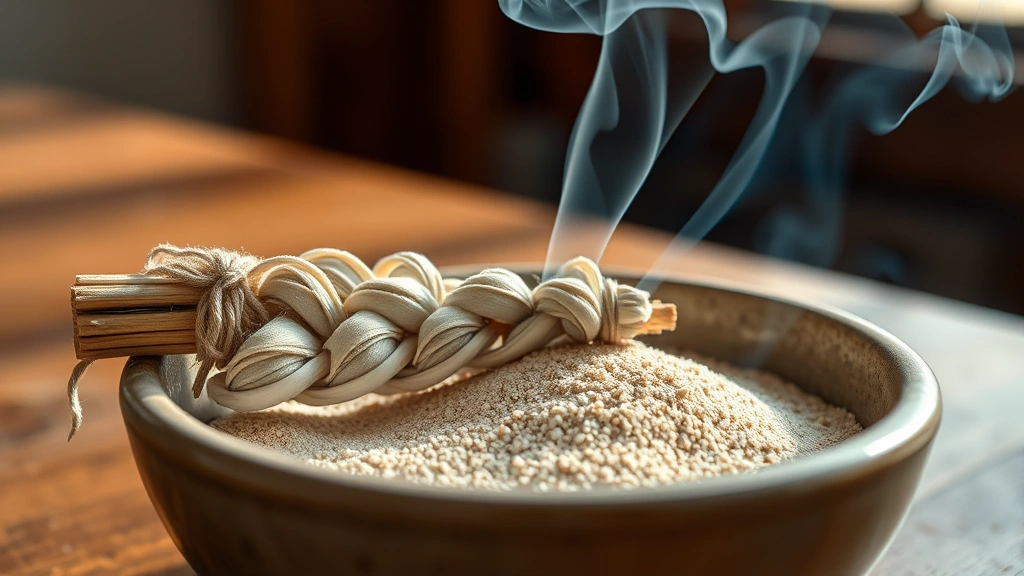
Place a heat-resistant container or abalone shell beneath your sage bundle to catch ashes and protect surfaces from heat damage. Ceramic bowls, metal containers, or traditional abalone shells all work effectively. Fill your chosen container with sand, ash, or a heat-resistant material to further protect the bottom surface and help contain any sparks.
Consider the layout of your home and plan your burning path in advance. Many people prefer to work room by room, starting from the lowest level and moving upward. This systematic approach ensures complete coverage and helps you maintain focus on safety throughout the process.

Proper Lighting Techniques
Lighting sage correctly is essential for consistent burning and smoke production. Hold your sage bundle at a 45-degree angle and use a long lighter or wooden match to ignite the end. A regular lighter works, but long-handled lighters provide better safety and control. Direct the flame to the outer edge of the bundle where the leaves meet the stem, as this area ignites most readily.
Allow the sage to catch flame for several seconds, then gently blow out the fire so the bundle smolders rather than burns with an active flame. The goal is to produce steady smoke without active flames. A properly lit bundle produces a gentle, consistent stream of smoke with a pleasant aroma. If your sage produces excessive smoke or a strong, acrid smell, the bundle may be too moist or of poor quality.
Some bundles light more easily than others depending on how tightly they’re bound and their moisture content. If your sage resists lighting, ensure it’s completely dry and try igniting a slightly larger area of the bundle. Once lit and smoldering, the bundle should maintain combustion with minimal effort. If it continues to extinguish, allow it to dry further before attempting again.
Keep a fireproof container nearby throughout the burning process. Never leave a lit sage bundle unattended, even for brief moments. Always have water or a fire extinguisher accessible as a precaution, though proper technique and attention make emergencies extremely unlikely.
Safe Burning Practices
Safety must be your primary concern when burning any material in your home. Never burn sage near pets, as the smoke can irritate their respiratory systems. If you have birds, fish, or other sensitive animals, ensure they’re in a well-ventilated area away from smoke exposure. Some people with respiratory conditions may also find sage smoke irritating, so always consider household health factors.
Hold your sage bundle safely by the unlit end, allowing ashes to fall into your container. Move slowly through your space, allowing smoke to circulate naturally. Avoid waving the bundle aggressively, as this can scatter ashes and potentially create fire hazards. The smoke itself does the work; you don’t need vigorous movement to achieve results.
Keep the burning bundle at least twelve inches away from walls, curtains, furniture, and other surfaces. Watch for any sparks or falling embers, immediately extinguishing any that land on flammable materials. Many home accidents occur because people underestimate fire risks; treating sage burning with respect and caution prevents problems entirely.
If you’re working on home building projects, never burn sage while construction work is ongoing or materials are exposed. Dust and debris from construction can ignite more easily, and your attention may be divided. Wait until your space is clean and stable before introducing any open flames.
Duration matters when burning sage. Most sources recommend burning for ten to fifteen minutes per room, though you can extend this based on room size and personal preference. Longer burning times don’t necessarily increase benefits; consistency and intention matter more than duration. After you’ve finished, fully extinguish your sage bundle by submerging it in water or sand, never simply setting it down to cool.
Ventilation and Air Quality
Proper ventilation is absolutely critical when burning sage. Open at least one window in each room where you’re burning to create air exchange and prevent smoke accumulation. Cross-ventilation, achieved by opening windows on opposite sides of a room, creates natural air flow that efficiently removes smoke. This is particularly important in sealed, modern homes with minimal air leakage.
If you’re burning sage in a basement or interior room without windows, create ventilation using fans. Position a fan to push smoke toward an open window or door leading to ventilated space. Even with a fan, avoid burning sage extensively in rooms with no natural ventilation options, as smoke can accumulate and trigger discomfort.
Be aware that smoke from sage can linger in fabrics, carpets, and soft furnishings. While many people enjoy this aroma, some find it overwhelming. Extended burning in poorly ventilated spaces can leave persistent odors. If you’re concerned about lingering smells, limit burning duration and maximize ventilation.
Those with asthma, allergies, or other respiratory sensitivities should approach sage burning cautiously. Even though sage smoke is generally considered safe, individual reactions vary. Start with brief burning sessions in well-ventilated areas to gauge personal tolerance. If you experience coughing, wheezing, or breathing difficulty, discontinue burning immediately and increase ventilation.
Consider your neighbors when burning sage, particularly in apartment buildings or close-quarters housing. Smoke can travel through shared ventilation systems and under doors. Be mindful of timing and duration to avoid disturbing others in your building.
Storage and Maintenance
Proper storage preserves sage quality and ensures it remains ready for use. Keep sage bundles in a cool, dry location away from direct sunlight. Excessive heat or humidity degrades the bundle and makes lighting difficult. A dedicated storage container, such as a sealed jar or wooden box, protects sage from moisture while keeping it organized.
Check your sage regularly for signs of mold, discoloration, or musty odors indicating moisture damage. Quality sage stored properly lasts indefinitely, though using bundles within six months to a year of purchase ensures optimal burning characteristics. If you notice degradation, discard the bundle and replace it with fresh stock.
Keep your burning containers clean by removing ash after each use. Accumulated ash reduces the container’s heat-dissipating properties and can look unsightly. A simple brush or small tool easily removes cooled ash. Wash ceramic or metal containers periodically to maintain cleanliness and hygiene.
If you’re incorporating sage burning into a broader home wellness and security strategy, document your routine and storage location. This helps you maintain consistency and ensures family members know where materials are kept and how to handle them safely.
Consider growing your own sage if you’re interested in a sustainable approach. Sage grows readily in most climates and requires minimal maintenance. Drying homegrown sage properly ensures quality comparable to purchased bundles. This approach connects you more deeply to the practice while providing a renewable supply.
FAQ
How often should I burn sage in my home?
Frequency depends entirely on personal preference. Some people burn sage weekly, while others do so monthly or less frequently. There’s no required frequency; use sage burning as often as it feels meaningful to you. Many practitioners recommend monthly or seasonal burning for general home purification.
Can burning sage set off smoke detectors?
Yes, if your space lacks adequate ventilation and smoke accumulates, detectors may activate. Prevent this by opening windows before lighting sage and ensuring good air circulation. If your detector is particularly sensitive, you might temporarily move it to another room or disable it before burning, remembering to reactivate it afterward.
Is white sage endangered or should I choose alternatives?
White sage populations face harvesting pressure in some regions. If sustainability concerns you, explore alternatives like garden sage, mugwort, or rosemary. Many ethical suppliers practice sustainable harvesting and replanting. Researching your supplier ensures you’re supporting responsible practices.
What should I do if my sage won’t light?
Sage that resists lighting is typically too moist. Allow your bundle to dry completely in a warm, dry location for several days. Try igniting a larger area of the bundle, or use a torch lighter rather than a standard lighter for better heat concentration. If problems persist, the bundle may be defective and worth replacing.
Can I burn sage if I have pets?
Pets are sensitive to smoke and may experience respiratory irritation. If you burn sage, keep pets in well-ventilated areas away from smoke. Monitor them closely for signs of distress. Some pet owners choose to burn sage only when pets are in other parts of the home or outside.
How do I properly extinguish burning sage?
Never leave sage smoldering unattended. To extinguish, submerge the burning end in water, sand, or soil. This immediately stops combustion and prevents accidental fires. Alternatively, press the burning end firmly into sand or ash until all smoke ceases. Never simply set the bundle down to cool on its own.
What’s the difference between smudging and burning sage?
Smudging is a specific indigenous practice with cultural and spiritual significance, while burning sage generally refers to the act of lighting sage for aroma or purification without the cultural context. Respect the distinction and avoid appropriating smudging practices if they’re not part of your own tradition.


