How to Check Recently Closed Apps in Windows 11: Expert Tips Inside
Windows 11 has revolutionized how users interact with their applications, but many people don’t realize how easy it is to recover recently closed apps. Whether you accidentally closed an important program or want to review your application history, understanding how to access this information can save you time and frustration. This guide walks you through multiple methods to view closed apps in Windows 11, from simple keyboard shortcuts to advanced system settings.
Knowing how to check recently closed apps is essential for anyone who works with multiple applications simultaneously. Unlike some operating systems, Windows 11 doesn’t make this feature immediately obvious, which is why many users struggle to find it. We’ll explore several reliable techniques that work across different Windows 11 versions and configurations, ensuring you have the knowledge to retrieve your closed applications whenever needed.
Understanding Windows 11 App History
Windows 11 maintains an internal log of recently used applications, though this data isn’t always immediately visible to users. The system tracks which apps you’ve opened, when you opened them, and for how long they were active. This information is stored in multiple locations throughout your system, making it possible to recover closed app information even after they’ve been shut down. Understanding where this data lives is the first step toward effectively managing your application history.
The DIY Nests Hub Blog has covered various Windows optimization topics that complement this knowledge. Your system maintains these records to improve performance and provide personalized recommendations. Unlike building a comprehensive home security system, checking app history requires no physical tools—just knowledge of where to look in your Windows interface.
Windows 11 stores this information in the Registry and in temporary system files. The operating system uses this data to populate the Start menu suggestions, taskbar recommendations, and the Alt+Tab switcher. By understanding this architecture, you’ll be better equipped to locate and recover information about recently closed applications, regardless of how long ago they were shut down.
Using Alt+Tab to View Recently Closed Apps
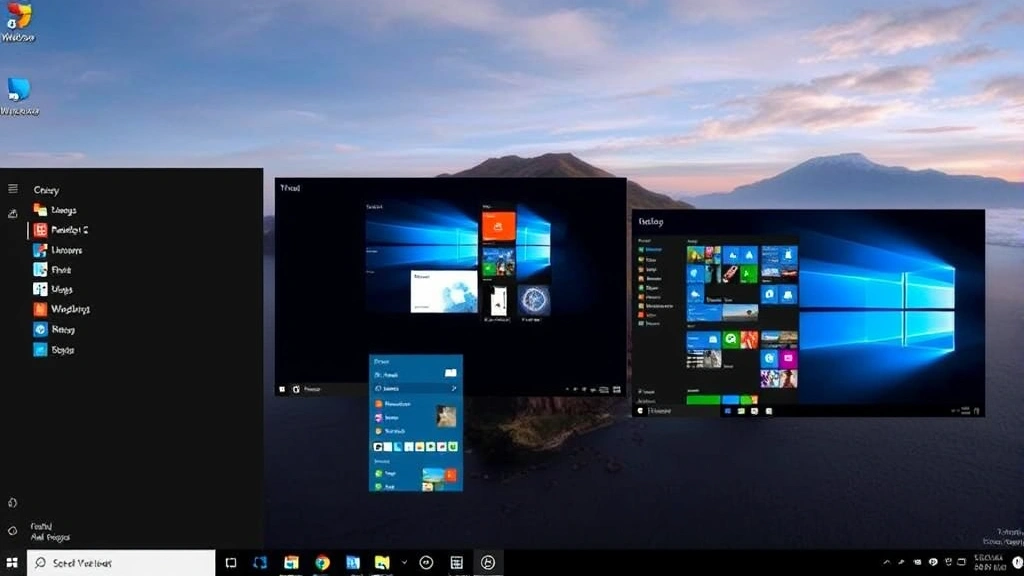
The Alt+Tab keyboard combination remains one of the most powerful tools for viewing recently used applications in Windows 11. When you press Alt+Tab, Windows displays a visual switcher showing all currently open and recently used applications. This switcher updates in real-time and displays applications in the order you’ve used them, making it easy to jump back to recently closed apps if they’re still in the system’s memory.
To use this feature effectively, press and hold the Alt key while tapping Tab repeatedly to cycle through your applications. You’ll see a preview of each application as you navigate. The interface shows application icons and names, making identification simple. If an app appears in this switcher, it means Windows still has it in memory—even if you’ve closed its main window. You can select any application and release the keys to bring it to the foreground.
This method works similarly to how you’d organize tools in a DIY car repair workspace—keeping frequently used items readily accessible. The Alt+Tab switcher is particularly useful because it doesn’t require navigating through menus or settings. However, note that this only shows apps still running in the background; truly closed applications won’t appear here unless you reopen them.
Checking Task Manager for Application History
Task Manager is your gateway to detailed application information in Windows 11. To open Task Manager, right-click your taskbar and select “Task Manager,” or press Ctrl+Shift+Esc for instant access. The Processes tab shows all currently running applications, but you can also access more detailed history through the Performance and Details tabs.
Within Task Manager, navigate to the Details tab to see a comprehensive list of running processes with their resource usage. While this primarily shows active applications, you can monitor which apps were recently running by checking the timestamp information. Some third-party monitoring tools, similar in principle to checking battery health with a multimeter, provide even more detailed historical data about application usage patterns.
Task Manager also includes a Startup tab that shows which applications are configured to launch when Windows starts. This helps you understand your system’s behavior and can reveal applications you may have forgotten about. For applications that crashed or closed unexpectedly, Task Manager’s history can help you identify what was running at the time of the incident. The Resource Monitor, accessible through Task Manager, provides even deeper insights into application behavior and resource consumption.
Windows 11’s Event Viewer, another system tool, maintains logs of application crashes and unexpected closures. Access Event Viewer by typing “Event Viewer” in your Windows search bar. Navigate to Windows Logs > Application to see detailed records of application-related events. This information proves invaluable when troubleshooting why certain applications closed unexpectedly or to recover information about applications you were running during a specific time period.
Accessing Recently Closed Apps Through Settings
Windows 11 Settings contains several options for managing and viewing your application history. Open Settings by pressing Windows Key + I, then navigate to System > Notifications & actions. Here you’ll find options related to app notifications and recent activity. While this section doesn’t directly display closed apps, it shows which applications have been active on your system.
The Privacy & Security settings section includes an “App permissions” area that shows which applications have requested access to system resources. This indirectly reveals which applications are installed and have been used recently. Navigate to Settings > Apps > Installed apps to see a complete list of your applications, sorted by installation date or name. You can also see the last time each application was accessed in some cases.
Another useful location is Settings > System > Multitasking, which shows your virtual desktops and allows you to review which applications you’ve assigned to specific desktops. This organizational feature helps you remember where you were using specific applications. Similar to planning a routine maintenance task like an oil change, organizing your apps across virtual desktops keeps your workflow efficient and helps you remember what you were working on.
Using Virtual Desktops for App Management
Windows 11’s Virtual Desktops feature is a powerful tool for managing multiple applications and keeping track of what you’re running. Press Windows Key + Tab to open the Task View, which displays all your virtual desktops and the applications running on each one. This view gives you a comprehensive overview of your entire application ecosystem at a glance.
Each virtual desktop maintains its own set of open applications, allowing you to organize your workspace logically. You can create a new virtual desktop by clicking the + button in Task View, then drag applications between desktops as needed. This organization system helps prevent accidentally closing apps because you can easily see where everything is located. When you close an application, Task View immediately reflects this change, updating your desktop layout.
To switch between virtual desktops, use Windows Key + Right Arrow or Windows Key + Left Arrow. You can also click directly on a desktop in Task View to jump to it. This feature is particularly useful for professionals who work with multiple projects simultaneously. Just as you’d organize your workspace when setting up network devices like printers, organizing applications across virtual desktops creates a logical, efficient working environment.
When you close an application from a specific virtual desktop, Windows removes it from that desktop’s display. However, the application remains in your system’s memory briefly, and you can still access it through Alt+Tab or the Start menu if you need to reopen it. Virtual Desktops essentially create separate workspaces, making it easier to remember which applications you were using in each context.
Advanced Recovery Methods
For users who need to recover detailed historical data about closed applications, Windows 11 offers several advanced options. The Registry Editor contains comprehensive information about recently used applications and files. Press Windows Key + R, type “regedit,” and press Enter to open Registry Editor. Navigate to HKEY_CURRENT_USER > Software > Microsoft > Windows > CurrentVersion > Explorer > RecentDocs to view recently accessed documents and applications.
This Registry location shows file extensions and paths to recently used items, providing detailed history about your application usage. Each entry includes timestamp information showing when the file or application was last accessed. While this requires some technical knowledge to interpret, it’s invaluable for detailed historical analysis. Be cautious when editing the Registry, as incorrect changes can affect system stability—always back up your Registry before making modifications.
Another advanced method involves checking your system’s Windows Event Log through Event Viewer. This comprehensive log tracks application launches, crashes, and unexpected closures with precise timestamp information. To access this, type “Event Viewer” in your Windows search, then navigate to Windows Logs > Application. Filter by Event ID 1000 (Application Error) to see crash reports for closed applications.
Third-party application monitoring tools provide even more detailed tracking. These tools maintain their own logs of application usage, showing exactly when each application was launched and closed, how long it was active, and what system resources it consumed. While not built into Windows 11, these tools are valuable for users who need comprehensive application history for productivity analysis or troubleshooting purposes.
Preventing Accidental App Closure
Understanding how to view closed apps is helpful, but preventing accidental closure in the first place is even better. Windows 11 offers several features to protect your work. Many applications include their own auto-save functionality—check your application’s preferences to enable this feature. Programs like Microsoft Word, Google Docs, and other productivity software can automatically save your work at regular intervals.
The Windows 11 Notification Center can alert you when applications are about to close unexpectedly. Enable these notifications in Settings > System > Notifications to receive warnings when applications crash or close abnormally. This gives you an opportunity to save your work before the application fully closes. Additionally, many applications offer recovery features that restore your previous session when you reopen them.
Another protective measure is using the Task Scheduler to create backups of important files regularly. Similar to how you’d maintain important records when managing a battery maintenance schedule, regular file backups ensure your work isn’t lost if applications close unexpectedly. Windows 11’s built-in File History feature automatically backs up your documents to an external drive or network location.
For critical applications, consider pinning them to your taskbar or Start menu. This makes them easily accessible and less likely to be accidentally closed and forgotten. You can also use Windows 11’s Focus Assist feature to prevent accidental interactions during important work sessions. Press Windows Key + A to access Quick Settings and enable Focus Assist to minimize distractions and accidental actions.
Additionally, many users benefit from using application containers or isolated environments for testing purposes. This prevents accidentally closing critical applications while experimenting with new software. Virtual machines or container applications allow you to test new programs without affecting your main system or critical applications.
FAQ
Can I see a list of all apps I’ve ever closed in Windows 11?
Windows 11 doesn’t maintain a permanent, easily accessible list of all historically closed applications. However, the Event Viewer and Registry contain detailed records of application activity. The longer an application has been closed, the less likely you’ll find specific information about it, as Windows periodically clears temporary logs. For comprehensive historical tracking, consider using third-party application monitoring software that maintains its own detailed logs.
How long does Windows 11 keep recently closed apps in memory?
The duration varies depending on your system resources and which applications you’re running. Windows typically keeps recently closed applications in memory for anywhere from a few minutes to several hours, depending on available RAM and system demands. Applications with auto-save features may preserve their state longer. Once an application is truly closed and removed from memory, you’ll need to reopen it from the Start menu or file system.
Is there a keyboard shortcut to recover a recently closed app?
Windows 11 doesn’t have a built-in keyboard shortcut specifically for recovering closed apps, unlike some browsers that use Ctrl+Shift+T to reopen closed tabs. However, Alt+Tab shows recently used applications, and pressing Windows Key + Tab opens Task View showing all your desktops and running applications. For individual applications, you’ll need to open them from the Start menu or search for them using Windows Search.
Why can’t I see an app in Alt+Tab after closing it?
When an application is completely closed and no longer running in the background, it won’t appear in the Alt+Tab switcher. Alt+Tab only shows currently running or suspended applications. If you need to access the application again, you must reopen it from the Start menu, file system, or by searching for it in Windows Search. Some applications run background processes even after their main window closes, which is why they might still appear in Alt+Tab.
Does Windows 11 track which apps I use for productivity analysis?
Windows 11 collects application usage data for improving system performance and providing personalized recommendations. This data is stored locally and, if you’ve enabled the feature, can be sent to Microsoft for analysis. You can control what data Windows collects in Settings > Privacy & Security > General. Disable the toggles for app diagnostics and activity history if you prefer Windows not to track your application usage.
Can I export my application history from Windows 11?
You can export data from Event Viewer by right-clicking event logs and selecting “Save All Events As.” This creates an XML file containing detailed event information. Additionally, Registry data can be exported by right-clicking Registry keys and selecting “Export.” These exports allow you to analyze your application history in external tools or archive historical data for reference purposes.


