How to Check Shampoo Expiry Date: Industry Guidelines for Product Safety
Understanding how to check shampoo expiry dates is essential for maintaining personal hygiene and ensuring product efficacy. Like many consumer products, shampoos have a limited shelf life during which they maintain their intended formulation, performance, and safety standards. Whether you’re organizing your bathroom inventory or purchasing new products, knowing how to identify expiration dates protects your health and maximizes your investment in quality hair care.
The cosmetic and personal care industry follows strict guidelines for product dating and labeling. Manufacturers must comply with regulations set by agencies such as the FDA’s cosmetics labeling regulations to ensure consumers can easily identify when products should no longer be used. This comprehensive guide walks you through the various methods for checking shampoo expiry dates and understanding what those dates actually mean for your hair care routine.
Understanding Shampoo Expiry Dates
Shampoo expiry dates represent the timeframe during which the product maintains its original formulation, efficacy, and safety. Unlike food products, cosmetics don’t typically spoil in the traditional sense, but their chemical composition can degrade over time, especially when exposed to environmental factors like heat, light, and humidity. The Personal Care Products Council establishes standards that help manufacturers determine appropriate shelf life for their formulations.
Most shampoos have a shelf life of 18 to 36 months from the date of manufacture, though this varies by brand and formulation. Premium products with natural ingredients may have shorter shelf lives, while those with synthetic preservatives might last longer. Understanding the difference between manufacture dates and expiration dates is crucial for proper product management. The manufacture date tells you when the product was made, while the expiration date indicates when you should stop using it.
When shampoo expires, several things can happen to its composition. The active cleaning agents may become less effective, the fragrance can fade or become unpleasant, and in some cases, the product may separate or develop an unusual consistency. More importantly, expired products may harbor bacterial growth or lose their preservative efficacy, potentially causing scalp irritation or other adverse reactions when applied to your hair and skin.
How to Read Manufacturer Date Codes
Manufacturers use various coding systems to indicate when shampoo was produced. These codes, known as date codes or batch codes, appear on the bottle, packaging, or printed directly on the container. Learning to decipher these codes is the most reliable way to determine product age. Most codes follow standardized formats that correspond to specific dates, though the exact system varies between manufacturers.
The most common format is the Julian date code, which uses a three-digit number representing the day of the year. For example, code 150 would indicate the product was manufactured on the 150th day of the year (approximately May 30). Some manufacturers add a letter prefix indicating the year, such as A for 2020, B for 2021, and so forth. To decode Julian dates, you simply count from January 1 through the calendar year until you reach the corresponding number.
Another prevalent system is the standard month-year format, which appears as MM/YY or MM/DD/YY. This format is more intuitive for consumers and clearly indicates the manufacture or expiration month and year. For instance, 06/24 would mean June 2024. Many premium brands and those following ISO 8601 date standards use this straightforward approach. Some manufacturers also include the production facility code, which helps with quality control and product traceability but doesn’t affect your ability to determine expiration.
The batch or lot number, distinct from the date code, contains alphanumeric characters that identify a specific production batch. This number becomes important if a product recall occurs, as it allows manufacturers to identify which batches are affected. Batch numbers typically don’t directly indicate expiration but are paired with the date code for complete product information. Always look for both elements when examining shampoo packaging.
Identifying the PAO Symbol
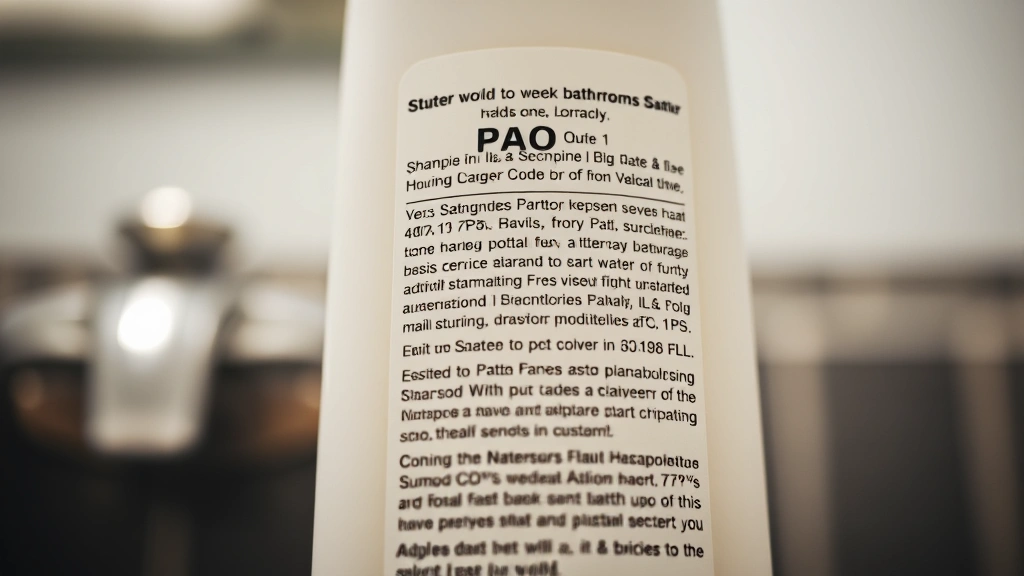
The Period After Opening (PAO) symbol is a standardized graphic developed by the cosmetics industry to indicate how long a product remains safe and effective after you first open it. This small icon, typically showing an open jar with a number inside, appears on most modern shampoo bottles and represents months of safe use after opening. For example, a PAO symbol showing “12M” means the shampoo is safe to use for 12 months after you open it.
Understanding the PAO symbol is crucial for product safety, as it accounts for the exposure to air, bacteria, and environmental contaminants that occurs once you start using the product. Even if the original unopened shampoo wouldn’t expire for another year, if the PAO indicates six months and you’ve already had it open for eight months, you should discontinue use. This system protects consumers by providing clear guidance on product lifespan in real-world conditions.
The PAO symbol was introduced by the European Cosmetics Association and has become an international standard adopted by most major manufacturers. The symbol typically appears on the back or bottom of the bottle near other product information. Not all shampoos display the PAO symbol prominently, so you may need to examine the packaging carefully. If you cannot find this symbol, contact the manufacturer directly or check their website for PAO information specific to that product.
Tracking when you open a shampoo bottle helps you adhere to PAO guidelines. Consider writing the opening date on the bottle with a marker or keeping a mental note of when you first used the product. This practice is especially important for premium or specialized shampoos that you might use intermittently, as it’s easy to lose track of how long they’ve been open. Many consumers find it helpful to establish a routine check of their bathroom products monthly to ensure compliance with safety guidelines.
Visual and Physical Indicators of Expired Shampoo
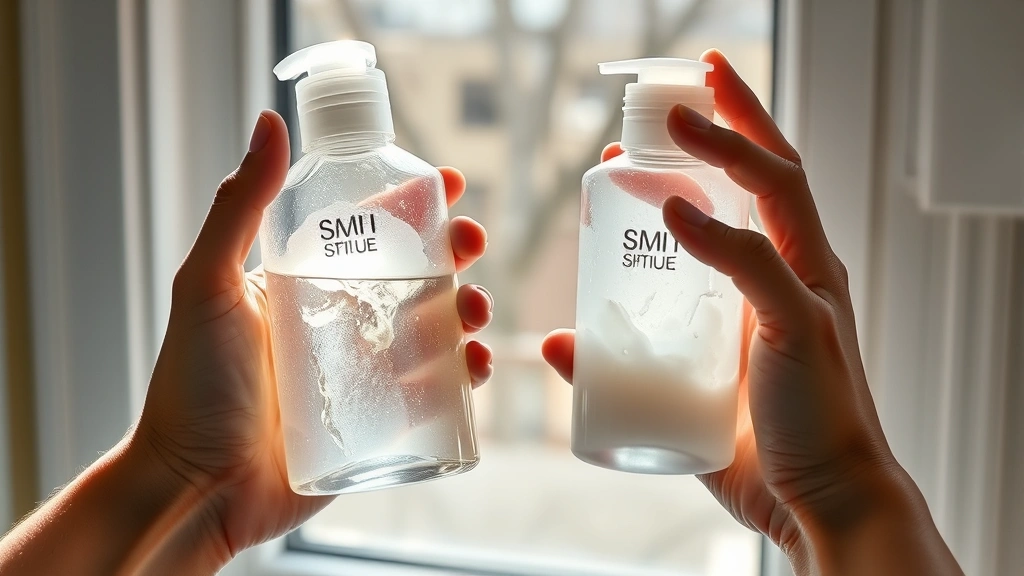
Beyond checking printed dates, visual and physical inspection can reveal whether shampoo has expired or degraded. Fresh shampoo should maintain a consistent color, typically clear, translucent, or uniformly opaque depending on the brand and formulation. If you notice significant color changes, such as darkening, yellowing, or the appearance of unusual tints, the product may have oxidized or been exposed to excessive heat during storage.
Separation or settling is another common sign of aged shampoo. Most quality shampoos maintain a homogeneous consistency, but over time, ingredients can separate into distinct layers. This is particularly common in products containing natural oils or botanical extracts. While some separation might not render the product completely unusable, it suggests the emulsion has broken down, which typically means the product’s effectiveness has diminished. Shaking the bottle vigorously might temporarily remix the contents, but if separation reoccurs quickly, the product is likely past its prime.
Unusual odors provide a reliable indicator of shampoo degradation. Fresh shampoo should smell like its intended fragrance or have a neutral scent depending on the type. If the aroma becomes unpleasant, musty, or develops a sour note, bacterial growth or chemical breakdown has likely occurred. This is a clear signal to discard the product immediately, as using it could expose your scalp to harmful microorganisms. Trust your nose—if something smells off, it probably is.
Texture changes also warrant concern. Expired or improperly stored shampoo may become excessively thick, develop a grainy consistency, or become unusually runny. These changes indicate that the stabilizing agents have broken down or that water content has been lost to evaporation. When you encounter texture abnormalities, discontinue use immediately. Additionally, if the bottle feels pressurized or the cap is difficult to open, gas production from bacterial fermentation may have occurred, another sign of expiration.
Clumping or visible particles suspended in the shampoo represent another red flag. Fresh shampoo should be free of floating debris or sediment. If you notice small particles or cloudiness where there wasn’t any before, the product has likely degraded or become contaminated. Always inspect shampoo in good lighting before applying it to your hair and scalp to catch these warning signs early.
Storage Best Practices to Extend Shelf Life
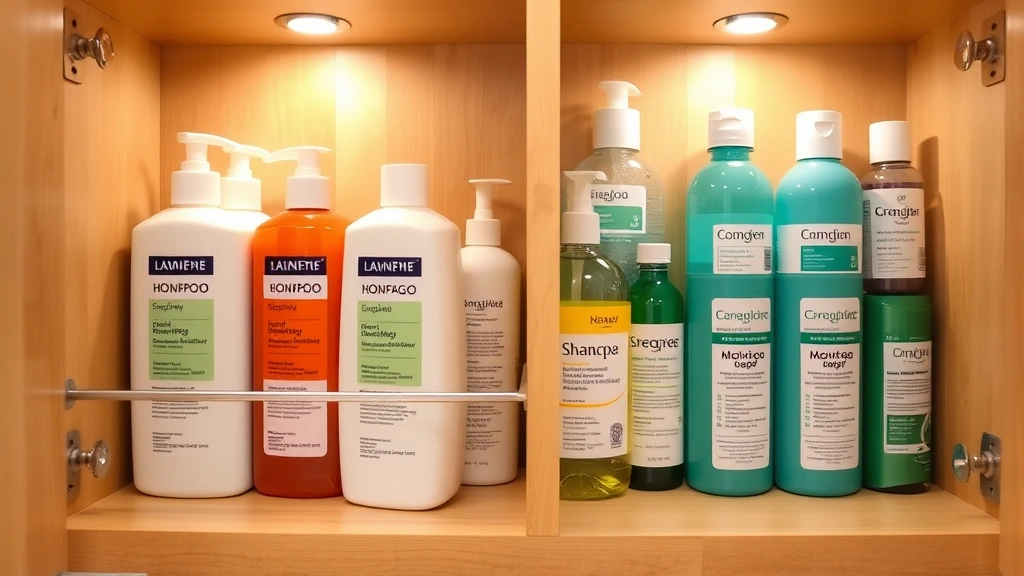
Proper storage significantly extends shampoo shelf life and maintains product quality. The ideal storage environment is cool, dark, and dry. Bathroom medicine cabinets or under-sink storage work well for most households, provided they don’t experience excessive heat or humidity from showers. Avoid storing shampoo directly on shower shelves where it’s constantly exposed to steam, heat, and moisture, as these conditions accelerate ingredient degradation.
Temperature stability is paramount for preserving shampoo integrity. Extreme heat causes ingredient separation and accelerates chemical breakdown, while freezing can damage the emulsion and change product consistency. Maintain storage temperatures between 50°F and 77°F (10°C to 25°C) whenever possible. Never leave shampoo in cars, direct sunlight, or near heating vents, as these locations experience temperature fluctuations that degrade product quality rapidly.
Light exposure, particularly ultraviolet light, degrades shampoo formulations. Opaque or dark-colored bottles provide better protection than clear plastic ones. If you transfer shampoo to a different container, use an opaque bottle with an airtight seal. Keep original packaging whenever possible, as manufacturers design bottles specifically to protect product contents. If you must store shampoo in a clear container, keep it in a dark cabinet or closet away from windows and overhead lighting.
Humidity control prevents moisture-related degradation and microbial growth. Ensure shampoo bottles remain tightly sealed when not in use. Bathroom moisture from showers and baths can infiltrate poorly sealed containers, introducing water that compromises product stability. If your bathroom experiences high humidity, consider storing shampoo in a bedroom closet or other low-humidity area instead. For long-term storage of unopened bottles, a climate-controlled closet provides optimal conditions.
Organization systems help you track product age and ensure older items are used before newer purchases. The FDA’s consumer guidance on cosmetics recommends rotating stock using the first-in, first-out method. Place newly purchased shampoo behind existing bottles so you use older products first. This practice prevents accidental use of expired products and maximizes the value of your purchases. Regular audits of your bathroom inventory, perhaps quarterly, help maintain this system.
Industry Standards and Regulations
The cosmetics industry operates under strict regulatory frameworks that govern product safety, dating, and labeling. In the United States, the FDA oversees cosmetics regulation and requires manufacturers to ensure product safety and appropriate shelf life documentation. Unlike pharmaceuticals, cosmetics don’t require FDA approval before marketing, but manufacturers must ensure products are safe and properly labeled when distributed to consumers.
The Fair Packaging and Labeling Act (FPLA) mandates that cosmetics display specific information, including the manufacturer or distributor name, product quantity, and, in many cases, ingredient lists. While the FPLA doesn’t explicitly require expiration dates for cosmetics (unlike food products), most manufacturers voluntarily include them. The PAO symbol, while not legally mandated in all jurisdictions, has become an industry standard adopted by responsible manufacturers to enhance consumer safety.
International standards vary by region. The European Union requires more explicit dating information than the United States, often mandating both manufacture and expiration dates on packaging. Japan’s Cosmetic Industry Association and other regional bodies have established similar guidelines. When purchasing imported shampoos, check local regulations for your country to understand labeling requirements and ensure you can properly identify product age.
Quality assurance protocols within manufacturing facilities include stability testing, where products are stored under various conditions to determine realistic shelf life. These tests simulate real-world storage scenarios and identify when products begin to degrade. Manufacturers use this data to establish conservative expiration dates that ensure consumer safety. Understanding that these dates represent genuine safety thresholds rather than arbitrary marketing tools helps you appreciate their importance.
The American Society for Testing and Materials (ASTM) develops standards for cosmetic testing and evaluation. ASTM D6866, for example, addresses the stability testing of cosmetic products. Manufacturers who follow these rigorous standards provide consumers with confidence that their products will perform as intended throughout the labeled shelf life. When selecting shampoos, prioritizing brands that adhere to industry standards offers additional assurance of product quality and safety.
FAQ
Can I use shampoo after the expiration date if it looks and smells fine?
While expired shampoo that appears normal may not cause immediate harm, using it is not recommended. Expiration dates indicate when preservative efficacy may diminish, even if visual signs aren’t apparent. Expired products could harbor increased bacterial growth or have reduced cleaning effectiveness. For safety and optimal results, discard shampoo that has passed its expiration date. The cost of a new bottle is minimal compared to potential scalp irritation or infection risks.
How do I know if my shampoo has an expiration date if the bottle is unclear?
Contact the manufacturer directly through their website or customer service number. Most brands maintain detailed product information and can decode batch codes for you. You can also check the INCIDecoder or similar cosmetic ingredient databases for general information about the brand’s dating practices. Never guess about expiration dates when in doubt—clarification takes only minutes.
Does unopened shampoo expire if stored properly?
Yes, unopened shampoo eventually expires, though proper storage extends its shelf life significantly. Even in ideal conditions, chemical degradation occurs over time. Most unopened shampoos remain safe for 2-3 years from manufacture when stored correctly. However, the PAO symbol and manufacturer expiration dates supersede these general guidelines. Always adhere to the dates provided by the manufacturer rather than making assumptions about shelf life.
What should I do with expired shampoo?
Never pour expired shampoo down the drain, as it can harm aquatic ecosystems and water treatment systems. Instead, take expired cosmetics to hazardous waste collection facilities in your area or participate in manufacturer take-back programs. Some retailers accept empty or expired cosmetic bottles for proper disposal. Check your local waste management guidelines or contact your municipality for disposal options specific to your location.
Can I use expired shampoo on my pets?
No, expired shampoo should not be used on pets. Animal skin is sensitive and more susceptible to irritation from degraded products. Always use products specifically formulated for pets and within their shelf life. Using expired human shampoo on animals increases the risk of adverse reactions and discomfort. Your veterinarian can recommend appropriate pet shampoo products with reliable shelf life information.
Why don’t all shampoos clearly display expiration dates?
In the United States, the FDA doesn’t legally require expiration dates on cosmetics as it does for food and pharmaceuticals. However, most responsible manufacturers include them voluntarily. The PAO symbol is industry standard but not universally mandated. To encourage greater transparency, consumers should support brands that clearly display dating information and contact manufacturers about products lacking this labeling. Your purchasing choices influence industry practices.


