Picking Pineapples: Expert Tips for Sweet Success
Selecting the perfect pineapple at the grocery store or farmers market requires more than just grabbing the first one you see. Whether you’re planning a tropical smoothie, grilling fresh fruit, or adding pineapple to your next DIY kitchen project, understanding how to choose a ripe, sweet pineapple will transform your culinary experience. This comprehensive guide breaks down the science and art of pineapple selection, helping you avoid mealy, underripe, or overripe fruit every single time.
Pineapples don’t continue ripening after harvest, making the selection process critically important. Unlike bananas or avocados, once a pineapple is picked, its sugar content remains static. This means you must choose a fruit that’s already ripe and ready to eat, or nearly there. Learning to identify the visual, tactile, and olfactory cues of a perfectly ripe pineapple ensures you’ll bring home quality fruit that delivers maximum flavor and nutritional benefits.
Understanding Pineapple Ripeness Indicators
Ripeness in pineapples manifests through several interconnected biological processes. As a tropical fruit, pineapples develop their characteristic sweetness through the conversion of starches into sugars during the ripening phase. The fruit’s color, firmness, and aromatic compounds all shift as ripeness progresses. Understanding these changes helps you make informed decisions whether you’re shopping for immediate consumption or planning to use your pineapple in a few days.
Pineapples typically ripen from the bottom up, with color development being one of the most reliable indicators. A fully ripe pineapple displays a golden-yellow hue across most of its exterior, though some green coloration near the crown is perfectly normal and doesn’t indicate underripeness. The transition from green to yellow happens relatively quickly once a pineapple reaches maturity, so timing your purchase correctly ensures optimal flavor and texture.
Temperature also plays a crucial role in ripeness progression. Pineapples stored in warmer environments ripen faster than those kept in cool conditions. This is why you might notice variation in ripeness levels among pineapples in the same display, even if they were harvested around the same time. Understanding these environmental factors helps you predict how quickly your selected pineapple will be ready for consumption.
Visual Assessment Techniques
Begin your pineapple selection by examining the fruit’s overall color distribution. Look for a predominantly golden-yellow exterior that covers at least 75% of the fruit’s surface. The remaining green areas should appear as small patches rather than large sections. Avoid pineapples that are completely green, as these are underripe and will lack sweetness and juiciness. Similarly, reject fruits displaying brown spots, dark patches, or signs of mold, which indicate overripeness or deterioration.
The crown—the leafy green top—provides additional visual clues about freshness. Healthy crowns display vibrant green coloring with firm, crisp leaves. If the crown appears brown, wilted, or shows signs of drying, the pineapple may have been stored too long or experienced temperature stress. However, a slightly brown crown doesn’t necessarily mean the fruit is bad; it simply suggests the pineapple has been ripening for a while and should be consumed sooner rather than later.
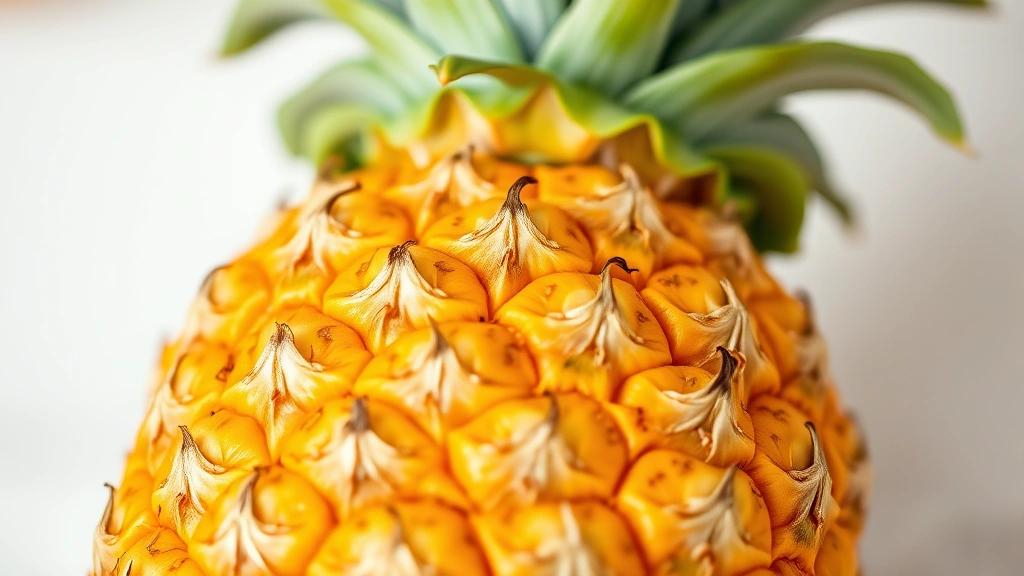
Examine the fruit’s skin texture carefully. Ripe pineapples have relatively smooth skin with the characteristic diamond-pattern indentations clearly visible. These hexagonal patterns should appear evenly distributed and consistent in depth. Sunken or irregular patterns may indicate internal damage or disease. The skin should feel firm to the touch without soft spots, bruises, or areas of decay. Small blemishes on the exterior don’t affect the fruit’s interior quality, but deep gouges or large damaged areas should be avoided.
The size of the pineapple matters less than its weight relative to size. A heavy pineapple for its size indicates high juice content and superior flavor compared to a lighter fruit of identical dimensions. This density suggests the fruit is fully mature and packed with natural sugars and moisture. When comparing similar-sized pineapples, choose the heaviest one—this simple technique immediately elevates your selection accuracy.
The Touch and Squeeze Method
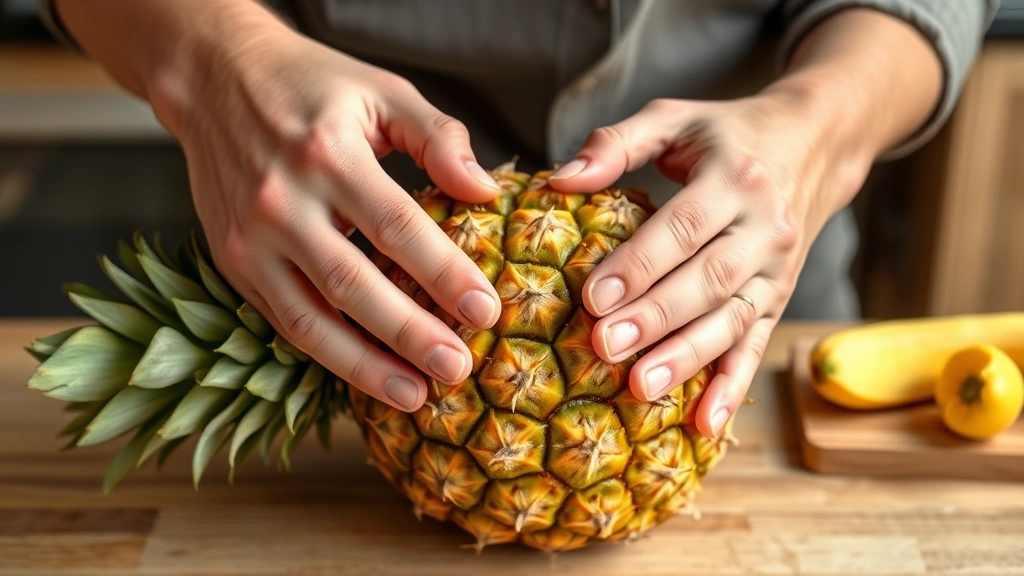
Proper tactile evaluation requires a gentle but deliberate approach. Hold the pineapple in your palm and apply moderate pressure across different areas of the fruit. A ripe pineapple should yield slightly to pressure but maintain its structural integrity—your thumb shouldn’t sink deeply into the flesh. This balance indicates the fruit has reached optimal ripeness with flesh that’s neither too firm nor too soft and mushy.
Press the fruit gently near the base, where ripeness is most advanced. This area should feel slightly softer than the crown area, which typically remains firmer. If the base is mushy or excessively soft, the pineapple is overripe and may have begun fermenting internally. Conversely, if the entire fruit feels rock-hard and unyielding, it’s underripe and won’t deliver the sweet flavor you’re seeking. The ideal sensation is a subtle give that suggests juicy, ripe flesh ready for consumption.
Avoid squeezing too aggressively, as excessive pressure can bruise the fruit and damage the delicate tissue, creating soft spots that accelerate decay. Many produce departments discourage hard squeezing for this reason. Instead, use the gentle palm-pressure method—it provides sufficient feedback without causing damage. If you’re shopping at a quality market, staff members can often recommend the ripest pineapples or select one for you if you explain your needs.
Check the leaves of the crown by gently tugging one. A ripe pineapple’s leaves should resist your pull, remaining firmly attached to the crown. If leaves pull away easily or separate with minimal effort, the fruit is likely overripe or has been stored improperly. This simple test takes seconds and provides valuable information about the pineapple’s overall condition and freshness.
Aroma and Fragrance Evaluation
The sense of smell provides perhaps the most reliable indicator of pineapple ripeness, though it requires practice to develop proficiency. Bring the pineapple to your nose and inhale gently near the base of the fruit, where aromatic compounds concentrate most strongly. A ripe pineapple emits a sweet, tropical aroma that’s unmistakably pleasant and inviting. This fragrance develops as the fruit ripens due to the production of volatile organic compounds.
Underripe pineapples produce little to no detectable aroma, or the scent may be faint and grassy rather than sweet. This absence of fragrance reliably indicates the fruit hasn’t reached full ripeness and won’t satisfy your taste expectations. Conversely, an overly strong, fermented, or alcoholic aroma suggests the fruit has begun breaking down and fermenting internally—a sign you should pass on that particular pineapple.
The ideal aroma is sweet, fruity, and inviting without being overwhelming or sickly. Some people describe it as having tropical, slightly floral notes. If you’re uncertain whether a pineapple smells ripe, compare it to another fruit from the display. The difference between a ripe and underripe pineapple’s aroma becomes immediately obvious when you have a direct comparison. Trust your nose—your olfactory system is finely tuned to detect ripeness cues that visual inspection alone might miss.
Environmental factors affect aroma development. Pineapples stored in very cold conditions may not produce detectable fragrance even when ripe, as cold temperatures suppress volatile compound production. If you’re shopping in a heavily refrigerated section, this is worth considering. Room-temperature pineapples typically provide more reliable aroma cues than those stored in cold cases.
Avoiding Common Selection Mistakes
One frequent error involves selecting pineapples based solely on color, ignoring other ripeness indicators. While color is important, it’s not foolproof—some varieties naturally display less yellow coloring even when fully ripe. This is why combining multiple assessment methods—visual inspection, touch, aroma, and weight evaluation—produces superior results compared to relying on any single factor.
Many shoppers incorrectly believe they can ripen an underripe pineapple at home, similar to ripening bananas or avocados. This is false. Pineapples don’t continue ripening after harvest, making proper selection at the store absolutely critical. Storing an underripe pineapple at room temperature won’t increase its sugar content or improve its flavor—it will simply age and eventually spoil. Always select a pineapple that’s already ripe or very close to ripeness.
Avoid purchasing pineapples with visible signs of mold, unusual discoloration, or soft spots. These defects indicate disease or deterioration that affects the entire fruit, not just the damaged area. Similarly, reject pineapples with dried-out, brown crowns that show signs of extended storage or poor handling. While minor cosmetic blemishes don’t affect interior quality, significant external damage usually correlates with internal problems.
Don’t assume that larger pineapples are sweeter or better quality than smaller ones. Size doesn’t determine sweetness—ripeness does. A small, properly ripened pineapple will taste significantly better than a large, underripe one. Weight relative to size is what matters. When comparing pineapples, focus on density and ripeness indicators rather than absolute size.
Some people make the mistake of selecting pineapples several days before they plan to consume them, assuming the fruit will continue improving. Since pineapples don’t ripen further, this strategy backfires—the fruit simply ages and begins deteriorating. Purchase ripe pineapples only 1-2 days before consumption for maximum quality. If you need pineapple for a future date, buy underripe fruit and plan accordingly, though understand it won’t actually ripen—it will simply age.
Storage and Preparation Tips
Once you’ve successfully selected a ripe pineapple, proper storage extends its quality window. Keep whole pineapples at room temperature away from direct sunlight if you plan to consume them within 1-2 days. For longer storage, refrigerate the fruit—cold temperatures slow the ripening process and deterioration significantly. A properly stored ripe pineapple can last 3-5 days in the refrigerator before quality noticeably declines.
Before refrigerating, you can remove the crown if desired, though this isn’t necessary. Some people place pineapples upside down (crown down) during storage, believing this distributes juices more evenly. While this practice is harmless, research doesn’t conclusively prove it improves flavor distribution. Simply storing the fruit in a cool environment is sufficient to maintain quality.
When you’re ready to prepare your pineapple, cut off the crown and base using a sharp knife. Stand the fruit upright and slice away the skin in vertical strips, following the natural curve of the fruit. Remove the eyes (the small brown spots) by cutting diagonal lines along the fruit’s surface. This creates an attractive spiral pattern while ensuring you remove all inedible portions. For home entertaining or special occasions, you might preserve the crown for decorative presentation.
Fresh pineapple can be cut into rings, spears, chunks, or wedges depending on your intended use. Store cut pineapple in an airtight container in the refrigerator for up to 5 days. The fruit’s high acid content naturally prevents bacterial growth, making it relatively shelf-stable compared to other fresh fruits. Freezing cut pineapple is also viable—frozen pineapple works excellently in smoothies and frozen drinks, though the texture becomes mushy when thawed for eating fresh.
Consider pairing fresh pineapple with complementary flavors. Grilled pineapple develops caramelized exterior layers that intensify sweetness, making it an excellent addition to outdoor entertaining. Fresh pineapple combines beautifully with coconut, lime, ginger, and spicy peppers. These flavor combinations enhance the fruit’s natural tropical character while adding complexity and depth.
Frequently Asked Questions
Can you ripen a pineapple after purchasing it?
No. Pineapples stop ripening immediately after harvest. Unlike bananas or avocados, they don’t produce ethylene gas or continue the ripening process once picked. You must select a ripe or nearly-ripe pineapple at the store. Storing an underripe pineapple at home simply causes it to age and deteriorate without developing additional sweetness or improving flavor.
What’s the difference between a ripe and overripe pineapple?
A ripe pineapple yields slightly to gentle pressure, smells sweet and tropical, displays predominantly yellow coloring, and feels heavy for its size. An overripe pineapple shows dark soft spots, emits a fermented or alcoholic aroma, has mushy texture when squeezed, and may display brown discoloration or mold. Overripe fruit has begun fermenting internally and should be avoided.
How long does a ripe pineapple last?
At room temperature, a ripe pineapple stays fresh for 1-2 days. Refrigerated, it lasts 3-5 days before quality declines noticeably. Cut pineapple stored in an airtight refrigerator container remains fresh for up to 5 days. Frozen pineapple maintains quality for several months, though texture changes upon thawing.
Does pineapple size indicate sweetness?
No. Size doesn’t determine sweetness—ripeness does. A small, fully ripe pineapple tastes significantly sweeter than a large, underripe one. What matters is weight relative to size. Choose heavier pineapples of similar dimensions, as greater density indicates higher juice content and better flavor.
Why do pineapple leaves pull out easily on some fruits?
Easy leaf removal indicates the pineapple is overripe or has been stored improperly. Leaves should resist gentle tugging on a properly ripened fruit. If leaves pull away with minimal effort, the fruit has likely begun deteriorating internally and may have fermented or developed off-flavors.
Is it safe to eat pineapple with brown spots?
Minor brown spots on the exterior don’t affect interior quality or safety. However, large dark areas, soft spots, mold, or discoloration indicate disease or deterioration affecting the entire fruit. When in doubt, select a different pineapple. Small cosmetic blemishes are harmless, but significant damage suggests problems throughout the fruit.
Should you buy pineapples from refrigerated or room-temperature displays?
Both options work, though each has advantages. Room-temperature pineapples typically produce more detectable aroma, making ripeness assessment easier. Refrigerated pineapples age more slowly, potentially extending shelf life slightly. The most important factor is selecting a ripe fruit regardless of display temperature. If buying from refrigerated cases, allow the pineapple to sit at room temperature briefly before consuming to enhance flavor perception.


