A well-maintained baseball hat can last for years, but improper cleaning can damage the fabric, fade colors, and compromise the structural integrity of the cap. Whether your favorite hat is covered in sweat stains, dirt, or general grime from regular wear, knowing the right cleaning techniques is essential. This guide provides expert-backed methods to restore your baseball cap to like-new condition without causing permanent damage.
Baseball hats endure considerable stress from sun exposure, moisture, and repeated wear. The bill, sweatband, and fabric panels each require different care approaches. By following proven cleaning strategies and understanding what materials your hat contains, you can maintain its shape, color, and comfort for seasons to come.
Understanding Your Hat Material
Before attempting any cleaning method, identify what your baseball cap is made from. Most caps combine multiple materials: cotton-polyester blends for the crown, structured synthetic materials for the bill, and often a leather or synthetic sweatband. Each material responds differently to water, heat, and cleaning agents.
Cotton hats are durable and relatively forgiving, while polyester offers stain resistance and color retention. Wool caps require gentler handling to prevent shrinking and felting. The bill typically contains a stiffening material that can warp if exposed to excessive heat or moisture. Check your hat’s care tag or manufacturer documentation for specific recommendations before proceeding with any cleaning method.
Structured hats with reinforced bills need different approaches than unstructured, soft-crown designs. The adhesive binding the bill layers together can deteriorate with harsh chemicals or high temperatures. Understanding these distinctions prevents costly damage and ensures your cleaning efforts enhance rather than harm your cap.
Pre-Cleaning Inspection and Preparation
Thorough preparation prevents mistakes during the cleaning process. Start by removing loose debris using a soft brush or lint roller. Gently brush the entire cap, paying special attention to the bill and creases where dirt accumulates. This step removes surface dust without introducing moisture that could set stains.
Examine the cap closely for existing stains, discoloration, or damage. Identify the stain type—sweat stains appear yellowish and typically concentrate on the sweatband and bill underside, while dirt stains vary in color depending on their source. Understanding what you’re treating helps you select appropriate cleaning solutions.
Check seams, stitching, and bill edges for signs of wear. If your hat shows deterioration, avoid aggressive scrubbing that could worsen damage. Test any cleaning solution on an inconspicuous area first, such as the interior sweatband, to ensure it won’t cause discoloration or damage.
Hand Washing Method for Baseball Caps
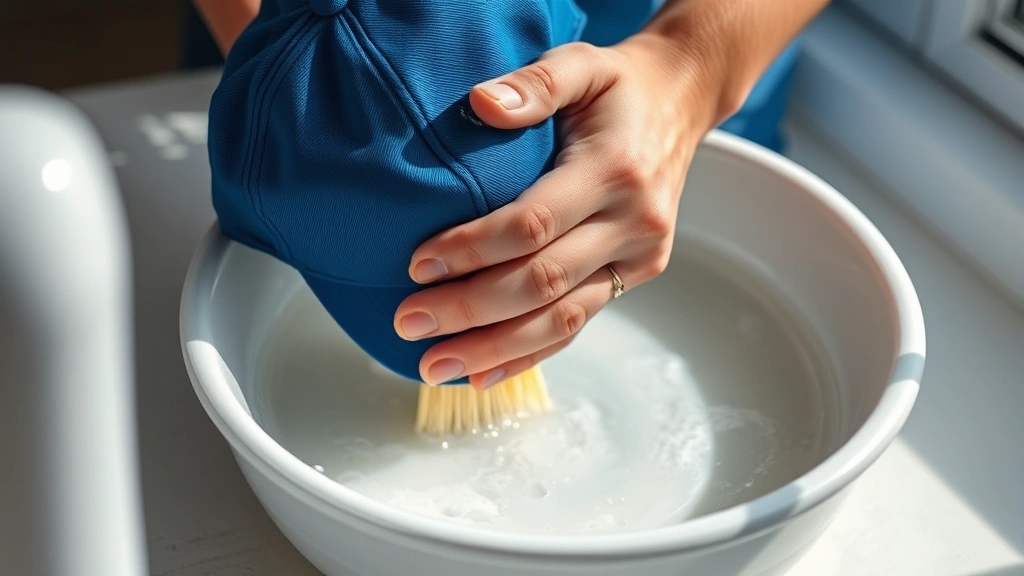
Hand washing is the safest approach for most baseball hats and represents the gold standard for cap care. Fill a basin with lukewarm water—never hot, as excessive heat can damage materials and set protein-based stains like sweat. Add a small amount of mild detergent, such as baby shampoo or gentle laundry soap.
Submerge the cap and let it soak for 15-30 minutes. This allows the cleaning solution to penetrate fibers and loosen embedded dirt and sweat residues. For heavily soiled caps, extend soaking time to one hour. After soaking, use a soft brush or old toothbrush to gently scrub problem areas, working in circular motions.
Pay particular attention to the bill underside, where sweat accumulation is heaviest. Use a soft cloth or sponge for the crown to avoid damaging the fabric weave. Rinse thoroughly under cool running water until all soap residue disappears. Incomplete rinsing leaves detergent residue that attracts dirt and causes discoloration over time.
Spot Cleaning Stubborn Stains
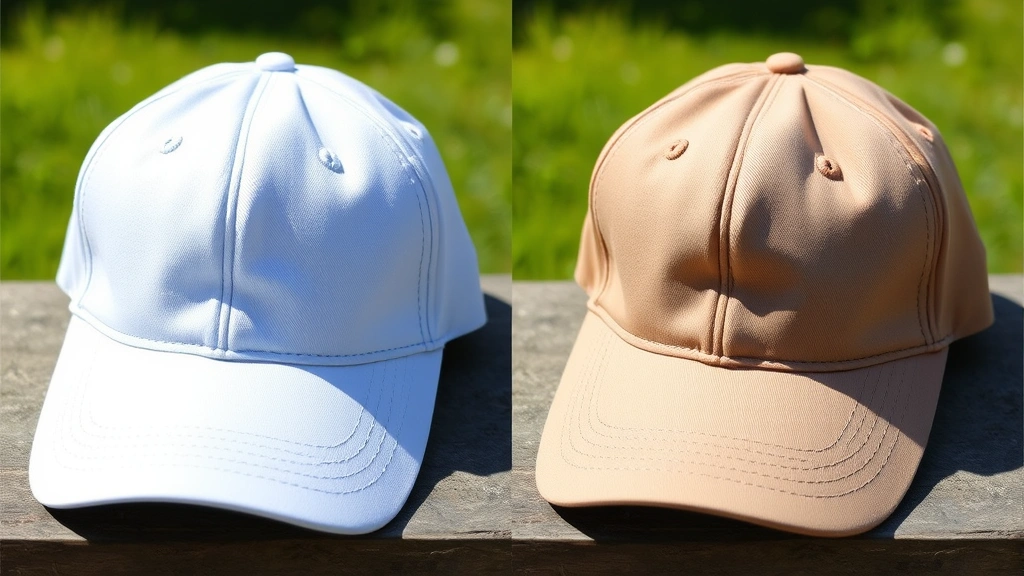
Persistent stains require targeted treatment before full washing. For sweat stains, create a paste using equal parts baking soda and hydrogen peroxide. Apply directly to yellowed areas and let sit for 5-10 minutes before scrubbing gently with a soft brush. This combination safely breaks down sweat residue without bleaching most fabrics.
Grease stains respond well to a small dab of dish soap applied directly to the stain. Let it sit for a few minutes, then scrub gently before rinsing. For oil-based stains, sprinkle baking soda on the wet spot and let it absorb for 15 minutes before brushing away and washing.
Ink or marker stains require immediate attention. Dab with rubbing alcohol on a cotton pad, working from the outside edges toward the center to prevent spreading. Avoid aggressive scrubbing, which pushes stain particles deeper into fibers. Always test cleaning solutions on hidden areas first to confirm they won’t damage or discolor your specific hat material.
Machine Washing Considerations
While hand washing is preferred, some modern baseball caps can tolerate gentle machine washing. Check the manufacturer’s care instructions first—if machine washing is permitted, use these precautions to minimize damage.
Place your cap inside a mesh laundry bag designed for delicate items. This protective barrier prevents the hat from tumbling excessively and coming into contact with agitator mechanisms. Select the gentlest cycle available, typically labeled “delicate” or “hand wash.” Use cold water exclusively, as warm or hot water can damage materials and set stains.
Add mild detergent only—excess soap leaves residue and attracts dirt. Remove the cap immediately after the cycle completes to prevent mildew and moisture damage. Never use the machine’s spin cycle, which can warp the bill and damage structural elements. Instead, gently extract excess water by hand.
Drying and Reshaping Your Cap
Proper drying is critical for maintaining cap shape and preventing mildew. Never use a clothes dryer, as high heat warps bills, damages adhesives, and can shrink fabric. Instead, gently extract excess water by rolling the cap in a clean towel and pressing—don’t wring or twist.
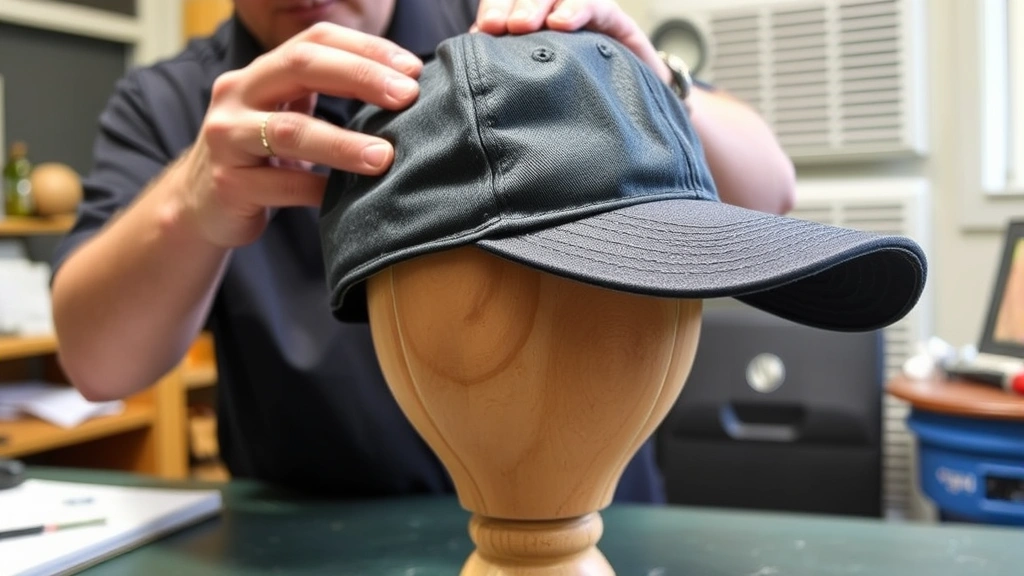
Reshape the cap while damp by placing it on a rounded object like a bowl or cap form. This maintains the crown shape as moisture evaporates. Position the bill to its original angle and ensure the sweatband sits correctly. Leave the cap in this position until completely dry, typically 24-48 hours depending on humidity and ventilation.
Air dry in a well-ventilated area away from direct sunlight, which can fade colors over time. Never place the cap near heat sources like radiators, vents, or sunny windowsills. Patience during drying prevents damage that aggressive heat-drying methods cause. The result is a cap that retains its original shape and appearance.
Specialized Cleaning for Different Materials
Cotton and Cotton-Blend Caps: These durable materials tolerate most cleaning methods well. Use mild detergent and warm water for general cleaning. Cotton resists damage from gentle scrubbing, making it ideal for removing stubborn stains. Avoid bleach, which yellows cotton over time.
Wool Caps: Wool requires gentle handling to prevent shrinking and felting. Use only cool water and specialized wool detergent. Never machine wash wool caps, and avoid prolonged soaking. Sweat stains on wool respond well to vinegar solutions—mix one part white vinegar with four parts water and gently dab affected areas.
Synthetic and Polyester Caps: These materials are generally stain-resistant and durable. They tolerate warm water and standard mild detergents well. Synthetic materials dry quickly, reducing mildew risk. However, avoid bleach and optical brighteners, which can yellow these materials.
Leather Sweatbands: Clean leather separately using a leather-specific cleaner or saddle soap. Apply with a soft cloth in circular motions, then wipe clean with a damp cloth. Never submerge leather in water. Condition leather annually to prevent cracking and maintain suppleness.
Odor Elimination Techniques
Persistent odors, typically from sweat and bacteria accumulation, require targeted treatment. For fresh odors, increase ventilation by leaving the cap in a well-aired space for several days. Sunlight naturally kills odor-causing bacteria, though extended exposure can fade colors.
Baking soda is highly effective for odor absorption. Sprinkle a generous amount inside the sweatband and crown, then seal the cap in a plastic bag overnight. The baking soda absorbs odors without damaging materials. Alternatively, place the cap in a sealed container with crumpled newspaper or activated charcoal, which naturally absorb odors over 24-48 hours.
For severe odors, create a spray solution using equal parts white vinegar and water. Lightly mist the interior sweatband and allow to air dry completely. Vinegar’s acetic acid kills odor-causing bacteria while the smell dissipates as the hat dries. For machine-washable caps, add one cup of white vinegar to the rinse cycle for additional odor elimination.
FAQ
Can I use bleach to clean my baseball hat?
Avoid bleach on most baseball caps. While it effectively removes stains, bleach damages fabric colors, weakens fibers, and can create yellow stains on white or light-colored hats. For stubborn stains, hydrogen peroxide is a safer alternative that provides mild bleaching action without the damage.
How often should I clean my baseball cap?
Frequency depends on usage and environmental conditions. Caps worn daily benefit from weekly or bi-weekly cleaning, while occasional-wear caps need monthly attention. Clean immediately after exposure to sweat, dirt, or staining substances. Regular maintenance prevents odor accumulation and keeps colors vibrant.
Can I machine wash my cap in a mesh bag?
Yes, if the manufacturer permits machine washing. Always use a mesh laundry bag on the gentlest cycle with cold water. Remove immediately after washing and reshape while damp. Mesh bags provide protection but don’t eliminate all machine-washing risks, so hand washing remains the safest method.
Why is my hat’s bill getting soft or floppy?
Excessive moisture exposure degrades the stiffening material inside the bill. Avoid prolonged soaking and never use high heat. If the bill loses structure, the adhesive and stiffening layers have deteriorated and cannot be restored. Proper drying techniques prevent this damage.
What’s the best way to remove sweat stains?
Baking soda and hydrogen peroxide paste is highly effective. Apply to yellowed areas, let sit 5-10 minutes, then scrub gently. For white or light-colored caps, this combination safely removes stains without harsh bleach. For colored caps, test on a hidden area first to ensure no discoloration.
Can I use a hat stretcher or form?
Yes, hat forms are excellent for maintaining shape during and after cleaning. Use a stretcher sized appropriately for your cap—oversized forms can distort the crown. Leave the cap on the form until completely dry to set the proper shape.
How do I prevent color fading?
Avoid prolonged direct sunlight exposure during storage and drying. Wash in cold water, as hot water accelerates fading. Use mild detergents without optical brighteners. Store your cap away from windows and light sources. Regular cleaning prevents dirt accumulation that makes colors appear dull.


