How to Clean an Electric Kettle: Expert-Backed Methods for Optimal Performance
Electric kettles are indispensable kitchen appliances that heat water quickly and efficiently for tea, coffee, instant meals, and countless other purposes. However, over time, mineral deposits, limescale, and residue can accumulate inside the heating chamber, compromising both performance and water quality. Understanding how to clean an electric kettle properly ensures your appliance remains hygienic, efficient, and long-lasting.
Regular maintenance of your electric kettle prevents the buildup of calcium carbonate and other minerals that can damage heating elements and reduce heating speed. Whether you prefer natural cleaning solutions or commercial descaling products, this comprehensive guide covers every method you need to keep your kettle in pristine condition. We’ll explore safe, effective techniques recommended by appliance manufacturers and cleaning experts alike.
Understanding Kettle Buildup and Why Cleaning Matters
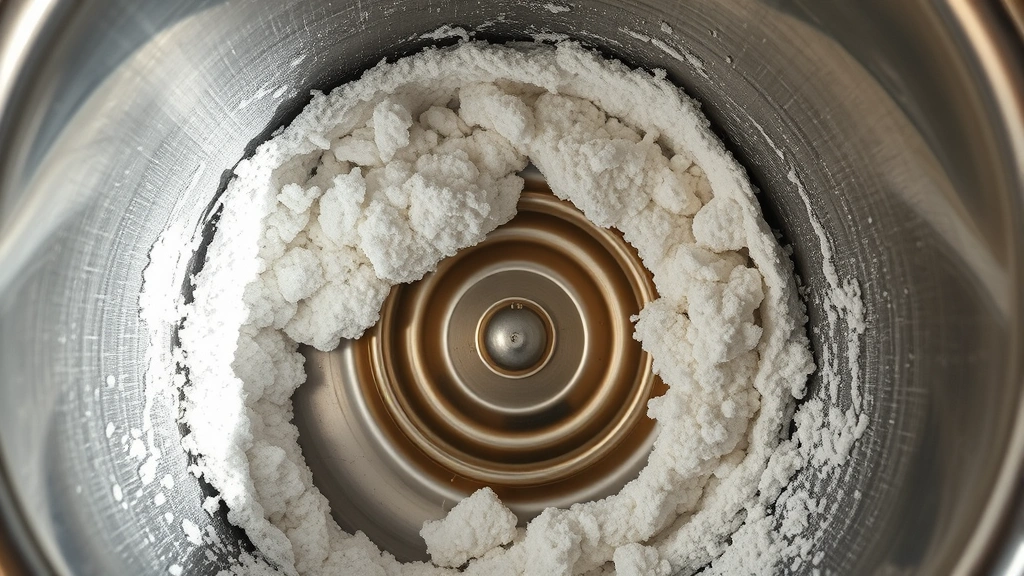
Mineral deposits form inside electric kettles due to the natural minerals present in tap water, particularly calcium and magnesium ions. As water heats, these minerals precipitate and accumulate on the heating element and interior walls, creating a crusty white or brownish layer commonly called limescale. The severity of buildup depends on your local water hardness—areas with hard water experience faster accumulation than those with soft water.
This buildup creates several problems beyond appearance. The mineral layer acts as an insulator, forcing your kettle’s heating element to work harder and consume more electricity to reach boiling temperature. Over time, excessive strain can shorten the appliance’s lifespan and potentially cause the heating element to fail. Additionally, loose mineral particles may enter your drinking water, affecting taste and potentially introducing contaminants. When maintaining your DIY home maintenance routine, don’t overlook small appliances like kettles.
Regular cleaning—typically every 4-8 weeks depending on water hardness—prevents severe buildup and maintains optimal performance. Descaling also eliminates bacteria and mold that can thrive in the moist environment, ensuring your water remains safe and fresh-tasting. Most manufacturers recommend descaling as part of standard appliance care, making it essential preventative maintenance rather than optional deep cleaning.
The Vinegar Method: Natural Descaling at Home
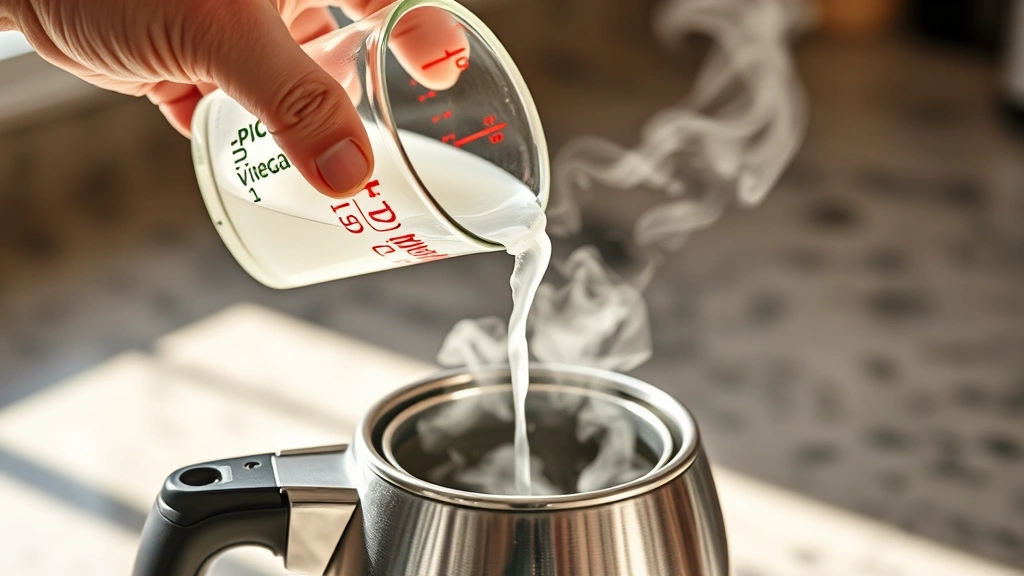
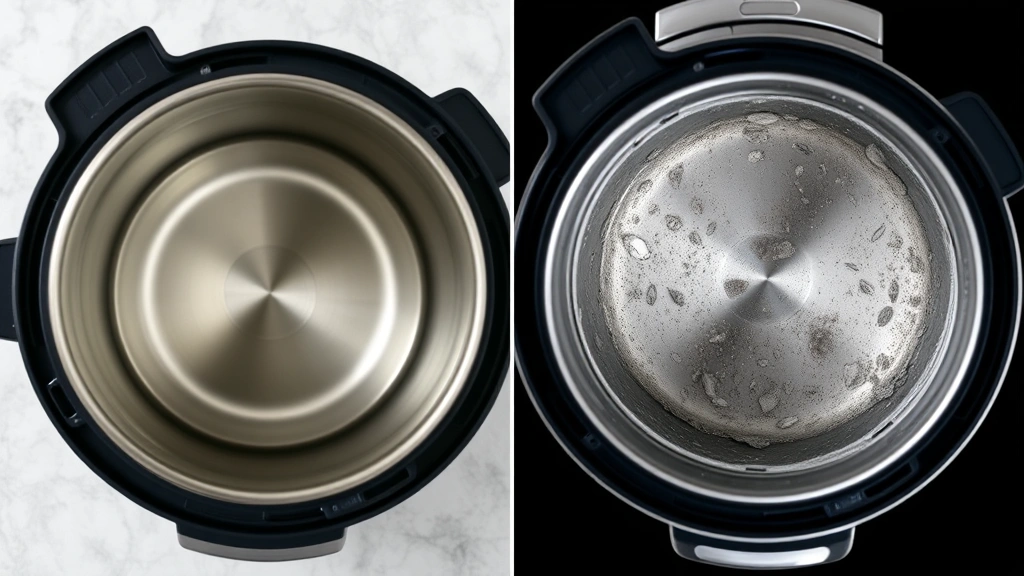
White vinegar stands as the gold standard for natural kettle descaling, offering an effective, safe, and economical solution. The acetic acid in vinegar dissolves mineral deposits without damaging most kettle materials. This method works exceptionally well for light to moderate buildup and carries no risk of chemical residue affecting your water quality.
Step-by-step vinegar descaling process:
- Fill your kettle halfway with equal parts white vinegar and water (50/50 ratio)
- Bring the solution to a boil and let it sit for 15-30 minutes without turning off the kettle
- Carefully pour out the vinegar solution
- Fill with fresh water and boil again to rinse
- Repeat the rinse cycle 2-3 times until vinegar smell disappears
- Boil plain water one final time and discard before using normally
For stubborn, heavy deposits, increase the vinegar concentration to 75% vinegar and 25% water, or let the solution sit longer before boiling. Some users prefer filling the kettle and letting it soak overnight with the vinegar-water mixture, which allows the acid more time to dissolve minerals without heat. This gentler approach works well for older kettles or those with delicate interior coatings.
The vinegar method’s primary advantage is safety—vinegar is food-grade and poses no health risk even if small amounts remain. The smell, while initially strong, dissipates completely after thorough rinsing. This method costs pennies per application, making it budget-friendly for regular maintenance. Health and cleaning experts consistently recommend vinegar for household descaling tasks.
Baking Soda Approach for Gentle Cleaning
Baking soda offers another natural cleaning option, particularly suited for kettles with non-stick or specialty coatings that might be sensitive to acidic solutions. While less powerful than vinegar for dissolving mineral deposits, baking soda works well for maintenance cleaning and removing surface stains.
Baking soda cleaning method:
- Mix 1 tablespoon of baking soda with 1 cup of water
- Pour the solution into your kettle
- Bring to a boil and let simmer for 15 minutes
- Pour out and scrub the interior with a soft-bristled brush or cloth
- Rinse thoroughly with multiple water cycles
For exterior cleaning, create a paste with baking soda and water, apply to the outside surface, let sit for 5 minutes, then wipe clean. This removes fingerprints, dust, and discoloration without scratching stainless steel or plastic surfaces. Baking soda is mildly abrasive, so avoid vigorous scrubbing on delicate finishes.
The advantage of baking soda is its gentleness and pleasant smell—or rather, its lack of odor. It doesn’t require extensive rinsing and poses zero health risks. However, for kettles with significant mineral buildup, you’ll achieve better results combining baking soda with vinegar or using vinegar alone. Many cleaning professionals recommend baking soda as maintenance between deeper vinegar descalings.
Commercial Descaling Solutions: When to Use Them
When natural methods prove insufficient for heavy mineral deposits, commercial descaling products offer powerful alternatives. These solutions contain stronger acids (typically citric acid or hydrochloric acid) specifically formulated for kitchen appliances. Popular brands include Durgol, Homeplus, and other descaling specialists designed for kettles and coffee makers.
Advantages of commercial descalers:
- Faster action on heavy, stubborn deposits
- Formulated specifically for kettle materials
- Precise dosing instructions ensure effectiveness
- Often include conditioning agents that protect heating elements
- Ideal for hard-water regions with rapid buildup
Always follow manufacturer instructions precisely when using commercial products. Typically, you’ll dilute the descaler according to package directions, fill your kettle, bring to a boil, and let sit for specified time (usually 15-20 minutes). After descaling, multiple rinse cycles with fresh water are essential to remove all chemical residue before using the kettle for drinking water.
Select descaling products compatible with your specific kettle material—some are formulated for stainless steel, others for plastic or glass. Check your kettle’s manual or manufacturer website for recommendations. While more expensive than vinegar, commercial solutions cost $3-8 per use and last through multiple descaling sessions. For extreme buildup or if you have a household with very hard water, they may provide better value than repeated vinegar treatments.
Daily Maintenance Tips to Prevent Buildup
Preventing excessive mineral accumulation is far easier than removing heavy deposits. Simple daily habits can dramatically reduce descaling frequency and keep your kettle performing optimally. Think of prevention as part of your overall home maintenance approach to preventing system buildup.
Daily and weekly maintenance practices:
- Empty after each use: Don’t leave water sitting in your kettle, which promotes mineral precipitation and bacterial growth
- Use filtered water: Filtering water before boiling significantly reduces mineral content and descaling frequency
- Wipe dry: After emptying, wipe the interior with a soft cloth to remove water droplets that leave mineral residue
- Descale monthly: In hard-water areas, perform light vinegar descaling monthly to prevent heavy buildup
- Clean the exterior: Wipe the outside weekly to prevent dust and mineral spray accumulation
- Check the filter: If your kettle has a removable filter basket, clean or replace it regularly
Using filtered water makes an enormous difference in descaling frequency. A simple water filtration pitcher or faucet filter removes many minerals before they enter your kettle, extending the interval between deep cleanings from 4-8 weeks to 8-12 weeks or longer. This preventative approach saves time, money, and extends appliance lifespan significantly.
Safety Precautions and Best Practices
Cleaning electric kettles safely requires understanding electrical hazards and chemical safety. Never immerse an electric kettle base in water—only the heating chamber itself should contact cleaning solutions. Always unplug the kettle before cleaning and allow it to cool completely to room temperature before starting any maintenance procedure.
Essential safety guidelines:
- Unplug the kettle and wait 30 minutes for complete cooling
- Never submerge the electrical base or cord in water
- Wear gloves when handling vinegar or commercial descalers
- Ensure good ventilation when using commercial chemical products
- Never mix different cleaning products—vinegar and commercial descalers together can create hazardous fumes
- Keep children and pets away during cleaning and rinsing cycles
- Test any cleaning solution on a small hidden area first if concerned about discoloration
- Always perform multiple rinse cycles with fresh water after using any cleaning product
If your kettle has a removable base or heating element, check the manual before attempting to separate parts. Some kettles have sealed bases that shouldn’t be opened. Understanding your specific appliance design prevents accidental damage and electrical hazards. When in doubt, contact the manufacturer for guidance on safe disassembly and cleaning procedures.
Troubleshooting Common Kettle Issues
Beyond mineral buildup, electric kettles can develop other problems requiring targeted solutions. Knowing how to diagnose and address these issues extends appliance life and ensures safe operation. Many problems that seem to require replacement can actually be resolved through proper cleaning and maintenance.
Slow heating: If your kettle takes noticeably longer to boil, mineral buildup on the heating element is the primary culprit. Perform a thorough vinegar or commercial descaling treatment. If heating remains slow after descaling, the heating element may be damaged and require professional repair or replacement.
Strange taste or smell in water: This usually indicates bacterial growth or mineral contamination. Perform a vinegar descaling, ensuring thorough rinsing. If the smell persists, disinfect by filling with water, adding a teaspoon of bleach, letting sit 15 minutes, then rinsing extensively with multiple water cycles. Alternatively, boil plain water several times and discard to clear any residual flavors.
Discolored interior: Brown or rust-colored staining may indicate mineral deposits or oxidation. Vinegar or commercial descalers should remove mineral stains. If staining persists and appears to be rust, the kettle’s interior coating may be compromised, and replacement is recommended for safety.
Leaking from the spout: Mineral deposits in the spout outlet can restrict water flow and cause leaks. Use a small pipe cleaner or thin brush soaked in vinegar to clean the spout opening. A descaling cycle should help dislodge any blockages.
Auto-shutoff not working: If your kettle fails to turn off automatically when water boils, the thermal sensor may be covered with mineral deposits. Descaling often restores this function. If the kettle still doesn’t shut off after cleaning, the electrical mechanism may be faulty, requiring professional service.
For persistent issues unresolved by cleaning, consult your kettle’s manual or manufacturer support. Many brands offer troubleshooting guides and may provide repair or replacement options depending on warranty coverage. Proper maintenance often prevents these problems entirely, making regular descaling a worthwhile investment in appliance longevity.
FAQ
How often should I descale my electric kettle?
Descaling frequency depends on your water hardness. In soft-water areas, descale every 8-12 weeks. In hard-water regions, descale every 4-6 weeks. If you use filtered water, you can extend intervals to 12+ weeks. Some manufacturers recommend monthly maintenance regardless of location.
Is white vinegar safe for electric kettles?
Yes, white vinegar is completely safe for electric kettles. The acetic acid dissolves mineral deposits without damaging most kettle materials. After descaling, thorough rinsing removes any vinegar smell or taste. Vinegar is food-grade and poses no health risk even if trace amounts remain.
Can I use lemon juice instead of vinegar for descaling?
Lemon juice contains citric acid similar to vinegar and works effectively for descaling. Use the same ratio as vinegar (50/50 with water) and follow the same procedure. Lemon may leave a slightly better smell than vinegar, though thorough rinsing is still necessary.
What’s the difference between descaling and cleaning?
Cleaning removes surface dirt, dust, and discoloration from the exterior and interior surfaces. Descaling specifically targets mineral deposits (limescale) that accumulate on heating elements and interior walls. Most kettles need both regular cleaning and periodic descaling for optimal maintenance.
Is it safe to use my kettle immediately after descaling?
After descaling with vinegar, perform at least 2-3 rinse cycles with fresh water and boil plain water once before using for drinking. After commercial descalers, follow package instructions but typically require 3-5 rinse cycles. Always discard the first boiled water after descaling before using normally.
Can descaling damage my electric kettle?
When done correctly, descaling won’t damage your kettle. Use appropriate methods for your kettle type, follow manufacturer guidelines, and avoid mixing cleaning products. Never submerge the electrical base. If you’re concerned about damage, start with gentle methods like baking soda before trying stronger vinegar solutions.
Why does my kettle smell like vinegar after descaling?
Vinegar smell indicates incomplete rinsing. Perform additional rinse cycles with fresh water and boil plain water 1-2 times, discarding each batch. The smell will completely disappear with thorough rinsing. If it persists after extensive rinsing, let the kettle sit open overnight to air out.
Is filtered water worth the investment for kettle maintenance?
Yes, using filtered water significantly extends descaling intervals and improves overall water quality. A basic pitcher filter costs $20-40 and lasts 2-3 months, easily paying for itself through reduced descaling frequency and extended kettle lifespan. Hard-water users especially benefit from filtration.


