
How to Clean Silver Plated Items: Expert Tips and Techniques
Silver plated items add elegance and sophistication to any home, but they require proper care to maintain their lustrous shine and prevent tarnishing. Whether you inherit grandmother’s silverware, collect vintage serving pieces, or simply want to restore your everyday flatware, understanding the right cleaning methods is essential. Silver plating is a thin layer of pure silver applied over a base metal, making it more delicate than solid silver and requiring specialized attention to avoid damage.
Tarnish—that dark discoloration that appears on silver—occurs when silver reacts with sulfur compounds in the air, forming silver sulfide. The good news is that tarnish is purely cosmetic and removable with proper techniques. This comprehensive guide covers safe cleaning methods, preventative measures, and expert tips to keep your silver plated treasures looking magnificent for generations. You’ll learn when to tackle cleaning yourself and when to seek professional restoration services.
Understanding Silver Plating and Tarnish
Silver plating involves electroplating a layer of pure silver (typically 0.5 to 2 mils thick) onto a base metal such as copper, nickel silver, or brass. This process creates beautiful, affordable pieces that mimic solid silver’s appearance while offering cost savings. However, the thinner plating layer means you must be gentler during cleaning than you would with solid silver items.
Tarnish forms through a chemical reaction between silver and hydrogen sulfide, a common atmospheric compound. The resulting dark coating isn’t harmful to the metal underneath, but it obscures the silver’s natural beauty. Understanding this chemistry helps you choose appropriate cleaning methods—you’re essentially removing silver sulfide without damaging the underlying silver layer or base metal.
Different types of silver plated items may require adjusted approaches. Flatware with intricate handles needs more careful handling than simple platters. Items with attached materials like mother-of-pearl inlays or wooden handles demand extra caution to avoid water damage or loosening. Before cleaning any piece, inspect it for loose components, cracks, or separation between the plating and base metal.
Preparation and Essential Supplies
Successful silver cleaning begins with proper preparation and gathering the right materials. Start by assessing what you’re cleaning—examine each piece for damage, loose parts, or areas where water shouldn’t penetrate. This inspection prevents costly mistakes and ensures you use the most appropriate cleaning method.
Essential supplies for basic cleaning include:
- Soft cotton or microfiber cloths (lint-free)
- Distilled water (tap water contains minerals that leave spots)
- Mild dish soap (unscented, without additives)
- Soft-bristled toothbrush or silver brush
- Plastic or wooden bowls (never aluminum)
- Rubber gloves to protect your hands
- Newspaper or paper towels for drying
For deeper cleaning, you may need baking soda, white vinegar, or commercial silver polish. Always choose products specifically formulated for silver plated items rather than harsh chemicals designed for other materials. Test any new cleaning product on an inconspicuous area first.
Prepare your workspace by laying down newspaper to catch spills and protect surfaces. Fill bowls with room-temperature water—never use hot water initially, as extreme temperature changes can stress the plating and cause separation. Ensure adequate lighting so you can see what you’re cleaning and avoid missing spots.
Gentle Cleaning Methods for Daily Care
For lightly tarnished or regularly used silver plated items, gentle cleaning methods work beautifully and minimize wear on the plating. These approaches are ideal for maintaining pieces between deeper cleanings and should be your first choice for delicate or valuable items.
The Soft Cloth Method is the gentlest approach. Use a dry, soft microfiber cloth to gently rub the silver’s surface in circular motions. This removes dust and light tarnish without introducing any moisture or chemicals. For pieces displayed on shelves or used infrequently, regular dusting with a soft cloth prevents tarnish buildup.
Soap and Water Washing works well for flatware and items without sensitive components. Dissolve a few drops of mild dish soap in lukewarm distilled water. Submerge pieces for a few minutes, then gently wash with your fingers or a soft cloth. Use a soft-bristled toothbrush to clean grooves and textured areas, moving gently to avoid scratching. Rinse thoroughly under running distilled water, then dry immediately with a soft cloth. Never let silver plated items air dry, as water spots and mineral deposits will form.
Baking Soda Paste Method provides gentle abrasive action without scratching. Mix baking soda with a small amount of distilled water to create a thick paste. Apply this paste with a soft cloth using gentle circular motions. The mild abrasive removes light tarnish while the paste’s consistency prevents aggressive scrubbing. Rinse thoroughly and dry completely. This method works exceptionally well for flatware handles and smooth surfaces.
For items like serving spoons or ornamental pieces, you might combine these methods—start with the soap and water wash, then use the baking soda paste for any remaining tarnish. Always work gently and avoid back-and-forth scrubbing motions that can wear through the plating over time.
Deep Cleaning Techniques for Heavy Tarnish
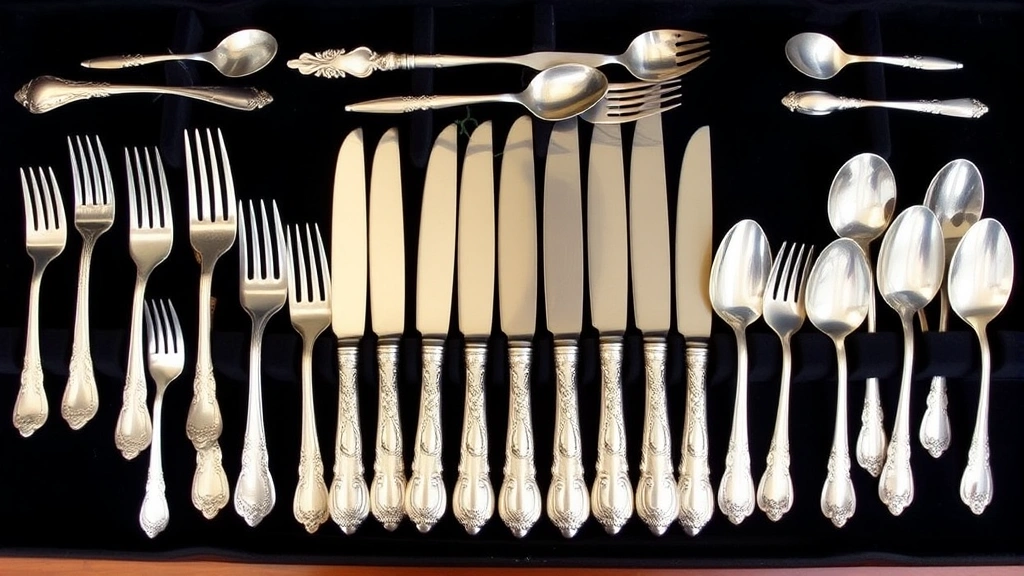
When light cleaning doesn’t restore your silver plated items’ shine, deeper cleaning techniques become necessary. These methods work more aggressively on tarnish while still respecting the delicate plating layer. Always start with the gentlest method and progress to stronger ones only if needed.
The Vinegar and Baking Soda Method combines two household staples into an effective tarnish remover. Mix equal parts white vinegar and baking soda to create a fizzy paste. The chemical reaction between these ingredients helps lift tarnish from the silver’s surface. Apply the paste with a soft cloth, working gently in circular motions. For heavily tarnished pieces, you can let the paste sit for up to 10 minutes, but monitor it closely to prevent overworking the plating. Rinse thoroughly under distilled water and dry immediately with a soft cloth. This method is particularly effective for flatware and pieces without delicate components.
The Aluminum Foil and Baking Soda Method uses a chemical reaction to transfer tarnish from silver to aluminum. Line a bowl with aluminum foil (shiny side up), add hot distilled water, and dissolve one tablespoon of baking soda per quart of water. Place your silver plated items in the solution, ensuring they touch the aluminum foil. The tarnish will transfer to the foil through an ion exchange process. This method works quickly—within 15 minutes, heavily tarnished pieces often show dramatic improvement. Remove items carefully, rinse with distilled water, and dry immediately. This technique is excellent for flatware sets and items without attached materials.
Commercial Silver Polish specifically formulated for plated items can be very effective when used correctly. Choose products labeled safe for silver plate and always follow manufacturer instructions precisely. Apply polish with a soft cloth using gentle circular motions. Most commercial polishes require buffing after application—use a clean, soft cloth to buff away excess polish and reveal the shine. These products often contain protective agents that help prevent future tarnishing, providing added value beyond the cleaning action.
Never use silver dips or harsh chemical solutions on plated items, as these can damage or remove the thin silver layer entirely. Avoid abrasive scrubbing pads, steel wool, or aggressive brushing techniques that wear through the plating.
Specialized Cleaning Methods
Certain silver plated items require customized cleaning approaches based on their construction, materials, or condition. Understanding these specialized techniques prevents damage to valuable pieces and ensures optimal cleaning results.
Flatware with Handles often features wooden, bone, or mother-of-pearl handles that cannot tolerate extended water exposure. For these pieces, use the minimal water approach: dampen (don’t soak) a soft cloth with soapy distilled water, wipe the silver blade or tines thoroughly, then immediately dry with a separate cloth. Clean handles separately using a slightly damp cloth with minimal moisture. The key is speed—minimize water contact time to prevent handle deterioration or loosening of handle-to-blade connections.
Hollow Items and Vessels like silver plated pitchers, bowls, or decorative pieces require careful attention to prevent water from entering hollow sections where it can cause internal corrosion. Fill these items with uncooked rice or newspaper to absorb any interior moisture. Clean the exterior using gentle methods, then invert and shake out the rice or newspaper. If water enters the hollow section, stand the piece upright and place it in a warm (not hot) location to air dry completely, checking periodically until entirely dry.
Items with Gemstones or Inlays demand extra care around set stones, enamel work, or decorative inlays. Use a soft toothbrush dampened with soapy water, cleaning around stones rather than directly over them. Avoid getting moisture into settings where it might weaken adhesives. For intricate inlay work, use a dry soft cloth rather than wet methods when possible. If professional restoration might be beneficial, consult an expert before attempting aggressive cleaning on valuable pieces with significant inlay or gemstone work.
Antique and Heirloom Pieces often have historical or sentimental value exceeding their material worth. For truly valuable antiques, consider consulting a professional conservator before attempting any cleaning. DIY methods work well for everyday silver plated items, but irreplaceable heirlooms deserve professional assessment. Professional conservators have specialized knowledge about specific pieces’ construction, historical context, and optimal restoration approaches.
Prevention and Proper Storage
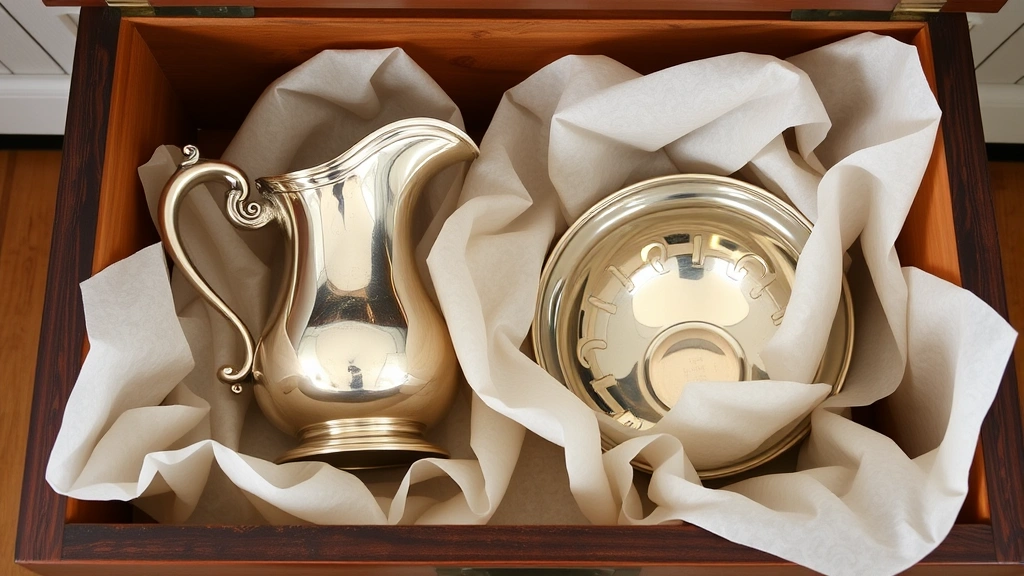
Preventing tarnish is far easier than removing it, making proper storage and handling essential for maintaining silver plated items’ appearance. Strategic prevention dramatically reduces cleaning frequency and extends the life of the plating.
Storage Environment Control directly impacts tarnish formation. Store silver plated items in cool, dry locations away from direct sunlight, which can accelerate oxidation. Maintain consistent humidity levels—excessive moisture promotes tarnishing while extremely dry conditions can affect some base metals. Avoid storing silver near rubber items, as sulfur compounds in rubber accelerate tarnishing. Similarly, keep silver away from wool and felt, which contain sulfur compounds that promote discoloration.
Protective Storage Methods create barriers between silver and tarnish-causing atmospheric compounds. Wrap individual pieces in acid-free tissue paper or soft cloth, securing wrapping gently without tight binding that stresses the plating. For valuable flatware, use specially designed silver storage chests lined with tarnish-inhibiting materials. These chests maintain stable conditions and minimize air exposure. Alternatively, store silver in sealed plastic bags with tarnish-inhibiting packets (containing activated charcoal or silica gel) that absorb sulfur compounds.
Regular Use Benefits often overlooked: frequently used silver plated items actually tarnish less quickly because regular handling and use creates slight friction that removes forming tarnish before it becomes visible. If you have heirloom flatware, using it regularly for special dinners provides both enjoyment and practical preservation benefits. The oils from your hands provide minimal protective coating, and the friction from use prevents tarnish accumulation.
Handling Practices protect both the plating and prevent fingerprints. Always wash and dry your hands before handling silver plated items—skin oils and salt from perspiration accelerate tarnishing. Wear soft cotton gloves when handling valuable pieces if you’ll be touching them extensively. Store flatware in dedicated compartments or wrapped individually rather than jumbled together, which causes scratching and plating wear.
Place desiccant packets in storage areas to control humidity. Replace these packets regularly according to manufacturer recommendations. For flatware stored in dining room buffets or sideboards, cover with glass doors or cloth covers that reduce dust exposure while allowing some air circulation.
When to Seek Professional Restoration
While DIY methods handle most silver plating cleaning situations effectively, certain circumstances warrant professional expertise. Knowing when to call a professional prevents costly mistakes and ensures valuable pieces receive appropriate care.
Professional assessment is recommended for:
- Antique pieces with unknown construction or plating thickness
- Items showing signs of plating separation or lifting
- Pieces with extensive damage, dents, or structural issues
- Silver with attached gemstones, enamel work, or precious inlays
- Items with irreplaceable historical or sentimental value
- Flatware or serving pieces where plating has worn through to base metal
- Pieces requiring specialized restoration beyond basic cleaning
Professional silver restoration specialists possess advanced knowledge and equipment unavailable to home users. They can assess plating thickness, determine appropriate restoration methods, and perform replating when necessary. For valuable heirlooms, the investment in professional consultation often proves worthwhile compared to the risk of damage from incorrect DIY methods.
When selecting a professional restorer, seek recommendations from antique dealers, museums, or local historical societies. Verify credentials and ask about their experience with silver plated items specifically. Request before-and-after examples of similar pieces they’ve restored. Reputable professionals provide detailed assessments of work needed and transparent pricing before beginning restoration.
Frequently Asked Questions
Can I use silver dip on silver plated items?
Silver dips are not recommended for plated items. These products work through chemical immersion that can damage or remove the thin silver plating layer entirely. They’re designed for solid silver and work too aggressively for plated pieces. Stick to gentle cleaning methods, baking soda paste, or commercial polishes specifically formulated for silver plate.
How often should I clean my silver plated flatware?
Frequency depends on use and storage. Regularly used flatware benefits from gentle cleaning after each use (simple soap and water washing). For stored pieces, inspect quarterly and clean if tarnish appears. Proper storage dramatically reduces cleaning frequency—well-stored silver plated items may only need deep cleaning annually.
Is it safe to put silver plated items in the dishwasher?
Dishwasher cleaning is generally not recommended for silver plated items. High temperatures, harsh detergents, and the abrasive environment of dishwashers accelerate plating wear and separation. Hand washing with gentle methods preserves plating far more effectively. The exception is modern flatware specifically labeled as dishwasher-safe by manufacturers, though hand washing still extends its lifespan.
What causes black spots on silver plated items?
Black spots typically indicate tarnish (silver sulfide) formation. These spots are purely cosmetic and removable through cleaning. If spots are accompanied by pitting or texture changes, the plating may be separating from the base metal, warranting professional evaluation. Prevention through proper storage is your best defense against black spot formation.
Can I replicate the aluminum foil method with other metals?
No, the aluminum foil method specifically works through an ion exchange with aluminum. Other metals won’t produce the same chemical reaction. Attempting this method with copper foil, steel foil, or other materials won’t remove tarnish effectively and may damage your silver plated items.
How do I remove water spots from silver plated items?
Water spots result from mineral deposits left by non-distilled water. Prevent them by always using distilled water for rinsing and drying immediately. To remove existing spots, dampen a soft cloth with white vinegar and gently wipe the affected areas, then rinse with distilled water and dry completely. For stubborn spots, the baking soda paste method often removes them effectively.
What’s the difference between cleaning silver plated items and solid silver?
Silver plated items have a thin silver layer over base metal, making them more delicate than solid silver. Plated items require gentler methods and shorter cleaning times to avoid wearing through the plating. Solid silver can tolerate more aggressive cleaning methods. Always assume items are plated unless you know otherwise, and adjust your approach accordingly.
Can I use lemon juice to clean silver plated items?
While lemon juice contains mild acids that can remove tarnish, it’s not ideal for silver plated items. The acidity can be too aggressive for the thin plating layer, and the citric acid may cause pitting or damage. Stick with gentler options like baking soda paste or vinegar solutions specifically diluted for safe use on plating.


