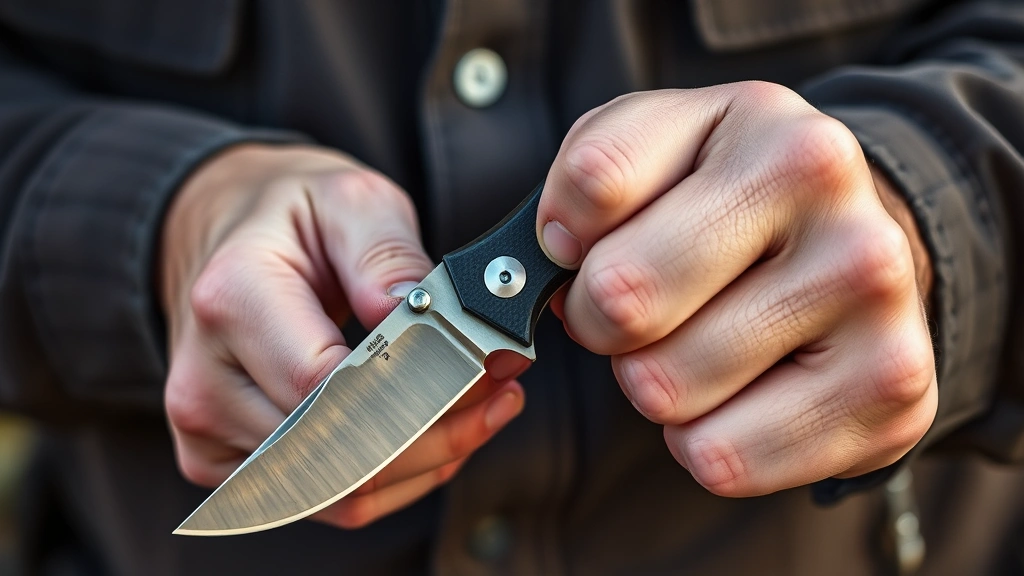
Safely Close a Folding Knife: Expert Tips for Proper Technique
Folding knives are indispensable tools for DIY enthusiasts, craftspeople, and outdoor adventurers alike. Whether you’re working on woodworking projects or tackling general maintenance tasks, knowing how to safely close your folding knife is just as important as understanding how to open it. Many accidents occur during the closing process because users rush through this critical step or use improper techniques that compromise their safety and the knife’s longevity.
The closing mechanism of a folding knife requires deliberate, controlled movements to prevent finger injuries and blade damage. Unlike fixed-blade knives that remain open, folding knives demand respect and attention during both deployment and retraction. This comprehensive guide will walk you through professional techniques used by craftspeople, survival experts, and tool specialists to safely secure your folding knife every single time.
Understanding Your Folding Knife Anatomy
Before you can safely close a folding knife, you must understand its basic components and how they work together. The blade is the sharp cutting edge that extends from the handle when opened. The spine runs along the back of the blade and provides structural support. The pivot point is the mechanical joint where the blade connects to the handle—this is where all the magic happens during opening and closing operations.
The handle or scales form the body of the knife and house the internal mechanisms. Most folding knives feature a liner lock, frame lock, or other locking mechanism that keeps the blade in the open position during use. This lock must be disengaged before you attempt to close the blade. The backspring or tension spring creates resistance that keeps the blade either open or closed depending on the design. Understanding these components will help you identify where to apply pressure and how much force is necessary for safe operation.
Different knife manufacturers design their locking mechanisms with varying degrees of tension. A quality tool from a reputable manufacturer will have a positive lock that requires intentional disengagement. Budget knives with poor manufacturing may have loose locks that accidentally disengage, creating hazardous situations during active use.
The Grip Method for Safe Closure
Your grip is the foundation of safe knife operation. Begin by holding the knife in your dominant hand with your fingers wrapped firmly around the handle scales. Your thumb should rest naturally on the spine or side of the handle—never place it near the blade path or locking mechanism during closure. Position your non-dominant hand safely away from the blade, keeping fingers clear of the closing path by at least six inches.
Some professionals recommend using the “pinch grip,” where you hold the handle between your thumb and index finger while other fingers provide additional support from underneath. This method gives you maximum control and allows for quick adjustment if something goes wrong during the closing process. Never grip the knife so tightly that your hand becomes fatigued—this leads to loss of control and involuntary muscle movements.
Your body position matters significantly for safe knife handling. Stand with your feet shoulder-width apart and keep your torso upright. Avoid leaning over the knife or positioning it in ways that would direct the blade toward your body if it suddenly closes. Always close the knife away from your face and torso. If you’re working on a project like pallet projects, take a moment to secure your workpiece and ensure adequate lighting before closing your knife.

Step-by-Step Closing Technique
The proper sequence for closing a folding knife prevents accidents and protects the blade from damage. Step One: Assess your environment. Before closing the knife, make sure you have a clear workspace with no obstacles or people nearby. Remove the knife from any cutting surface and hold it in your dominant hand using the grip method described above.
Step Two: Locate and disengage the lock. Most folding knives feature a lock that must be manually disengaged. For liner locks, this typically means pushing the lock liner (a thin metal piece inside the handle) away from the blade with your thumb or index finger. Frame locks operate similarly but use the knife’s frame as the locking mechanism. Consult your knife’s manual to understand exactly where and how to disengage the specific lock on your model.
Step Three: Apply steady pressure to the spine. With the lock disengaged, gently apply pressure to the blade spine to initiate closure. Use your index or middle finger to guide the blade down smoothly. The pressure should be deliberate and controlled—never use sudden force or jerking motions. The blade should move in a smooth arc from fully open to fully closed.
Step Four: Monitor blade alignment. As the blade closes, watch carefully to ensure it’s tracking properly along its pivot point. If the blade begins to bind or stick, stop immediately and investigate. Never force a blade that isn’t closing smoothly. This could indicate dirt accumulation, corrosion, or mechanical issues that require cleaning or professional service.
Step Five: Complete the closure with confidence. As the blade nears the fully closed position, maintain steady pressure until you hear or feel the click of the blade seating in the closed position. This audible or tactile confirmation indicates the blade is properly closed and secured. Give the knife a gentle shake to confirm the blade doesn’t rattle or move.

Common Mistakes That Cause Injuries
Understanding what not to do is as important as knowing proper technique. Rushing the closing process is the leading cause of folding knife injuries. Many people hurry through closure without paying attention to hand placement or blade tracking. This creates situations where fingers accidentally enter the blade path or the blade binds unexpectedly.
Using excessive force can damage both the knife and your hands. If a blade doesn’t close smoothly with moderate pressure, something is wrong. Forcing a stuck blade can cause it to suddenly snap closed, catching your fingers in the process. It can also damage the pivot mechanism or lock components, rendering the knife unsafe for future use.
Closing with improper hand positioning ranks among the most dangerous mistakes. Never place your fingers near the blade path, on top of the blade, or underneath where the blade will travel during closure. Even experienced users can have unexpected slips or muscle twitches that cause fingers to move into dangerous positions.
Ignoring warning signs like grinding sounds, resistance, or irregular blade movement often leads to injury. Your knife is trying to communicate that something is wrong. Listen to these signals and stop immediately rather than pushing forward and risking damage to the tool or yourself.
Closing the knife while distracted removes your attention from the task at hand. Never close a knife while talking to someone, looking at your project, or thinking about other things. Maintain complete focus on the closing operation. This is especially important when working on demanding projects like home security installations where you might be working at heights or in confined spaces.
Maintenance for Smooth Operation
A well-maintained folding knife closes smoothly and safely every time. Regular cleaning prevents dirt and debris from accumulating in the pivot area and lock mechanism. After each use, wipe down the exterior and interior of your knife with a clean, dry cloth. For thorough cleaning, use a soft brush to gently remove particles from crevices and the pivot point.
Lubrication is essential for smooth blade operation. Apply a thin coat of quality knife oil or light machine oil to the pivot point and along the blade edges where it meets the handle. Use minimal lubrication—excess oil attracts dirt and makes the knife sticky. Allow the oil to penetrate for a few minutes, then wipe away excess with a clean cloth. Proper lubrication reduces friction and makes closing the blade easier and safer.
Inspect your knife regularly for corrosion, rust, or damage to the lock mechanism. Stainless steel blades resist corrosion better than carbon steel, but all metal requires proper care. If you notice rust spots or discoloration, clean the affected area with a soft cloth and appropriate cleaner. For carbon steel blades, consider applying a light coat of oil for storage protection.
Check that the blade closes with consistent resistance each time you use the knife. If the closing action suddenly becomes easier or harder, this indicates mechanical changes that require attention. Loose pivot screws are a common culprit—most folding knives allow you to adjust pivot tension using an appropriately sized screwdriver. Tighten the pivot screw gradually until the blade moves smoothly without binding.
Different Closing Mechanisms Explained
Liner Lock Knives: These feature a spring-loaded metal liner inside one handle scale that engages with the blade spine to prevent closure during use. To close a liner lock knife, push the lock liner away from the blade using your thumb or index finger. This disengages the lock and allows the blade to fold. Liner locks are among the most common designs and offer good reliability for DIY applications.
Frame Lock Knives: The entire handle frame serves as the locking mechanism. To close a frame lock knife, push the frame slightly away from the blade to disengage it. This design provides excellent strength and is popular for heavy-duty work. Frame locks require slightly different hand positioning than liner locks, so familiarize yourself with your specific knife’s design.
Axis Lock Knives: This trademarked design (primarily used by Benchmade) features a spring-loaded bar that crosses the blade path. To close an axis lock knife, push this bar from either side to disengage it, then fold the blade closed. Axis locks offer smooth operation and are known for reliability in professional environments.
Slip Joint Knives: These classic designs lack a positive lock, relying instead on blade tension and spring mechanisms to hold the blade open or closed. Closing a slip joint knife is as simple as applying gentle pressure to the blade spine—no lock disengagement required. However, this design is less suitable for heavy-duty cutting work since the blade can accidentally close during use.
Button Lock Knives: These feature a button on the handle that must be pressed to disengage the blade lock. Button locks are intuitive and offer excellent safety for users who remember to press the button before attempting closure. Some users find button locks annoying for frequent opening and closing, but they’re excellent for safety-conscious applications.
Safety Protocols for DIY Work
Integrating proper folding knife safety into your DIY routine protects you from serious injury. Before starting any project, inspect your knife thoroughly and ensure the blade is sharp. Contrary to common belief, sharp blades are safer than dull ones because they require less force and are less likely to slip unexpectedly. If your blade is dull, sharpen it using appropriate sharpening tools or have a professional service sharpen it for you.
Establish a designated storage location for your folding knife when not in active use. Never leave an open knife on your workbench or leave it where children or pets might access it. When you’re finished with a task, close the knife immediately using proper technique and store it securely. This habit prevents accidental injuries and demonstrates responsible tool ownership.
Wear appropriate protective equipment when working with knives on projects. Cut-resistant gloves provide an extra layer of protection, though they shouldn’t replace proper technique. Safety glasses protect your eyes from debris, and an apron with a utility pocket keeps your knife secure and accessible when you need it.
If you’re new to using folding knives, practice the closing technique in a safe environment before using the knife on actual projects. Spend time getting comfortable with the lock disengagement and blade closure motion. This builds muscle memory and confidence that translates to safer operation during real work. Consider taking a knife skills course from a qualified instructor—many woodworking schools and outdoor recreation organizations offer these programs.
Keep a first aid kit nearby whenever you’re working with sharp tools. Despite best efforts, accidents can happen. Knowing how to properly treat minor cuts prevents complications and ensures you can respond quickly if an injury occurs. For more comprehensive safety preparation in your home workspace, develop a complete safety plan before beginning projects.
FAQ
What should I do if my folding knife blade won’t close?
If your blade won’t close smoothly, stop immediately and investigate. Common causes include dirt in the pivot area, corrosion, or mechanical damage. Clean the pivot point thoroughly and apply light lubrication. If the problem persists, contact the manufacturer or a professional knife service. Never force a blade that isn’t closing properly.
Is it normal for the blade to make noise when closing?
A slight click when the blade fully closes is normal and indicates the lock is engaging properly. However, grinding sounds, squeaking, or other unusual noises suggest lubrication issues or mechanical problems. Clean and lubricate the knife, and if noises continue, seek professional service.
How tight should the pivot be on my folding knife?
The pivot should be tight enough that the blade doesn’t rattle when closed and doesn’t close on its own when the lock is disengaged. However, it should remain loose enough to open and close smoothly without excessive force. Most knives require gentle adjustment using an appropriately sized screwdriver—tighten gradually and test frequently.
Can I close a folding knife with one hand?
While experienced users can close some folding knives one-handed, this technique requires significant practice and carries higher injury risk. For safety, always use two hands when closing your knife. Your non-dominant hand provides stability and helps keep fingers clear of the blade path.
What’s the best way to teach children about folding knife safety?
Never allow unsupervised children to handle folding knives. If teaching a child, start with detailed explanation of the anatomy and proper grip. Demonstrate the closing technique multiple times before allowing the child to attempt it. Always supervise closely and stop immediately if improper technique is observed. Consider waiting until the child is older and can demonstrate consistent focus and responsibility.
Should I close my folding knife differently on different surfaces?
The closing technique remains consistent regardless of surface, but your environment matters significantly. Always close the knife away from your body and other people. Ensure adequate lighting so you can see what you’re doing. If working on a bench, clear away clutter that might interfere with the closing motion. When working in the field or on outdoor projects, find a stable position before closing your knife.


