
Tirzepatide’s Effectiveness: Doctor Insights on Timeline and Results
Tirzepatide has emerged as a significant advancement in weight management and metabolic health treatment. Understanding how long it takes for this medication to work is crucial for patients beginning their therapeutic journey. Medical professionals emphasize that tirzepatide operates differently than previous generations of weight management medications, with a distinct timeline for effectiveness that varies based on individual factors, dosing protocols, and metabolic characteristics.
The question of timing is not merely academic—it directly impacts patient compliance, expectations, and treatment outcomes. Healthcare providers stress the importance of realistic timelines to prevent premature discontinuation of therapy. This comprehensive guide explores the clinical evidence, doctor insights, and practical considerations surrounding tirzepatide’s onset of action and sustained effectiveness.
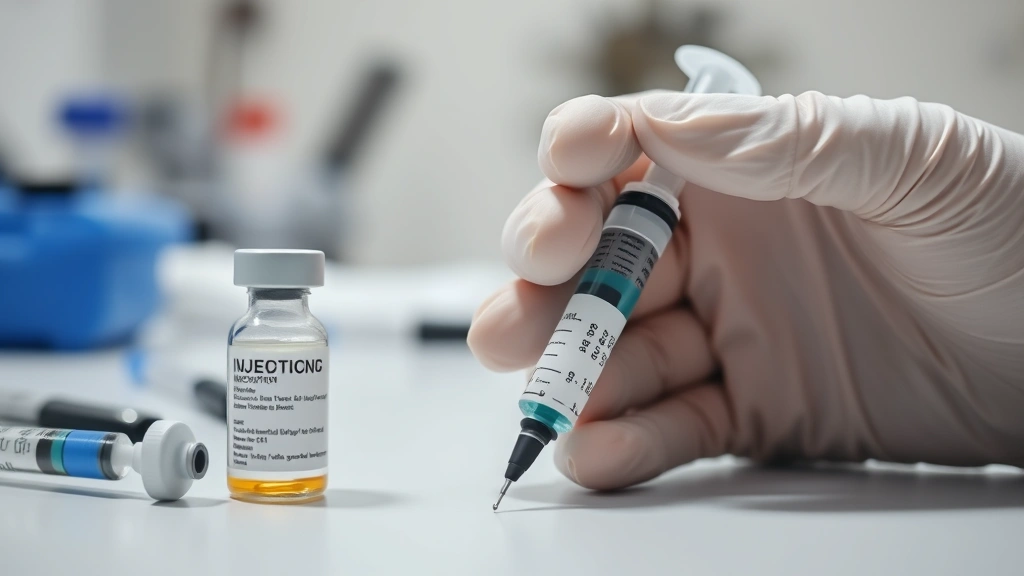
Understanding Tirzepatide’s Mechanism of Action
Tirzepatide represents a dual glucagon-like peptide-1 (GLP-1) and glucose-dependent insulinotropic polypeptide (GIP) receptor agonist. This dual mechanism distinguishes it from previous single-receptor medications. Doctors highlight that this pharmacological approach addresses multiple physiological pathways simultaneously, which contributes to its robust efficacy profile.
The medication works by enhancing insulin secretion in response to elevated blood glucose levels, slowing gastric emptying to promote satiety, and reducing appetite through central nervous system pathways. These mechanisms don’t activate instantaneously—they require time for the body to respond and adapt to the medication’s presence. Medical professionals explain that understanding this biological timeline helps patients maintain realistic expectations during their initial treatment phase.
The dual-receptor approach means tirzepatide influences both appetite regulation and metabolic function. This comprehensive action creates a more substantial impact on weight reduction compared to single-mechanism alternatives. However, this complexity also means the body requires adjustment time to fully experience the medication’s benefits.

Initial Timeline: When Effects Begin
Clinical evidence and doctor testimonials consistently indicate that tirzepatide’s initial effects typically manifest within 2 to 4 weeks of starting treatment. However, these early effects are often subtle and may not involve significant weight loss. Instead, patients frequently report changes in appetite perception and early satiety signals.
Most physicians note that the first noticeable change involves altered food preferences and reduced hunger sensations. Patients often describe feeling satisfied with smaller portion sizes earlier in meals. These appetite-suppressive effects represent the medication’s initial action on central and peripheral appetite centers. While not dramatic weight loss, these changes establish the foundation for sustained metabolic improvements.
During the first month, weight loss typically ranges from minimal to modest—often 2-5 pounds for many patients. This conservative initial response reflects the medication’s gradual titration protocol and the body’s adaptation phase. Doctors emphasize this initial period as critical for establishing medication tolerance and allowing the gastrointestinal system to adjust to altered digestive patterns.
For those considering home renovation projects or lifestyle modifications, understanding this medication timeline helps coordinate personal health goals with DIY basement finishing or other physically demanding home projects that might be postponed during initial medication adjustment.
Week-by-Week Progression and Expectations
Weeks 1-2: Initial gastrointestinal adaptation occurs during this period. Patients may experience mild nausea, which typically subsides as the body adjusts. Appetite changes begin, though they’re often subtle. Weight changes are minimal or absent.
Weeks 3-4: Appetite suppression becomes more pronounced. Many patients report significant reductions in food cravings and snacking behaviors. Early weight loss becomes evident for most individuals, typically 2-5 pounds. Energy levels may fluctuate as metabolism begins adjusting.
Weeks 5-8: More substantial appetite reduction occurs as the body continues adapting. Blood glucose stabilization becomes more apparent, particularly for those with metabolic dysfunction. Weight loss accelerates for many patients, with weekly losses of 0.5-1.5 pounds becoming typical. Gastrointestinal side effects generally diminish significantly during this window.
Weeks 9-12: By the end of the first dosing interval, most patients achieve the full therapeutic benefit of their current dose. Weight loss becomes more consistent and predictable. Metabolic improvements in blood glucose, insulin sensitivity, and lipid profiles become measurable through laboratory assessments. This represents an appropriate checkpoint for dose escalation if clinically indicated.
Doctors emphasize that this progression isn’t universal—individual variation is substantial. Some patients experience faster responses, while others require longer adjustment periods. Consistency with medication adherence significantly influences this timeline.
Dosage Escalation and Response Patterns
Tirzepatide treatment typically follows a structured dosage escalation protocol. Starting doses begin at 2.5 mg weekly, with escalation to 5 mg after 4 weeks, then potential progression to 10 mg and 15 mg at subsequent intervals. This gradual titration strategy serves multiple purposes: it allows gastrointestinal tolerance development, enables individual response assessment, and optimizes therapeutic benefit.
Each dose escalation introduces a new effectiveness timeline. When patients increase from one dose level to the next, they may experience a 1-2 week adjustment period before achieving full benefit from the new dose. This means that rather than a single timeline, tirzepatide therapy involves multiple overlapping effectiveness phases throughout the initial treatment period.
Medical professionals note that the most significant effectiveness gains often occur between the 5 mg and 10 mg dose levels. Many patients experience plateau effects at lower doses, followed by renewed weight loss acceleration after dose increases. This pattern reflects the dose-response relationship of GLP-1/GIP receptor agonists.
For patients managing home improvement projects like DIY house painting, understanding the medication adjustment timeline helps schedule physically demanding tasks when energy levels are optimal and gastrointestinal symptoms are minimal.
Factors Affecting Individual Response Time
Baseline Metabolic Status: Patients with significant metabolic dysfunction or severe insulin resistance often experience slower initial responses. Their bodies require more time to recalibrate metabolic pathways. Conversely, those with relatively preserved metabolic function frequently respond more rapidly.
Body Composition and Starting Weight: Heavier patients often experience more substantial absolute weight loss but may perceive slower percentage-based improvements. Starting weight significantly influences both timeline and magnitude of response. Patients with greater adipose tissue reserves typically show more dramatic long-term responses.
Age and Hormonal Status: Younger patients generally demonstrate faster metabolic responses. Postmenopausal women may experience slightly delayed responses compared to premenopausal women, reflecting hormonal influences on GLP-1 receptor sensitivity and glucose metabolism.
Medication Adherence: Consistent weekly dosing at appropriate intervals is essential for optimal effectiveness. Missed doses or irregular administration significantly delays response timelines. Doctors emphasize that adherence represents one of the most controllable factors influencing treatment success.
Concurrent Medications: Certain medications can influence tirzepatide’s effectiveness or absorption. Medications affecting gastrointestinal motility or glucose metabolism may alter response patterns. Healthcare providers review medication interactions carefully when initiating therapy.
Lifestyle Factors: Diet quality, physical activity levels, sleep patterns, and stress management substantially influence medication effectiveness. Patients combining tirzepatide with lifestyle modifications consistently achieve superior outcomes and faster response timelines compared to those relying solely on pharmacotherapy. This synergistic approach reflects the medication’s optimal use within comprehensive health management strategies.
Genetic Factors: Individual genetic variations in GLP-1 receptor expression and function influence response variability. Some patients are genetic responders, experiencing robust effects, while others demonstrate more modest responses despite adequate dosing.
Comparing Tirzepatide to Alternative Treatments
Previous GLP-1 receptor agonists like semaglutide demonstrated effectiveness timelines similar to tirzepatide’s initial phase—appetite changes within 2-4 weeks, with progressive weight loss over subsequent months. However, tirzepatide’s dual-receptor mechanism often produces more substantial effects at comparable timepoints.
Traditional weight management medications like phentermine show much faster initial effects—appetite suppression within days. However, these sympathomimetic agents typically demonstrate tolerance development within weeks, limiting long-term effectiveness. Tirzepatide’s sustained effectiveness over months and years represents a significant advantage despite its slower initial onset.
Behavioral interventions and lifestyle modification alone typically require 4-8 weeks to demonstrate measurable results. Tirzepatide’s combination with behavioral approaches often produces synergistic benefits, with faster overall timeline and superior outcomes compared to either intervention alone.
Bariatric surgery produces immediate weight loss in the immediate postoperative period, but tirzepatide offers comparable long-term outcomes through pharmacotherapy without surgical risks. For those unable or unwilling to pursue surgery, tirzepatide provides a viable alternative with acceptable timeline considerations.
Long-Term Effectiveness and Maintenance
Beyond the initial 12-week titration phase, tirzepatide demonstrates sustained effectiveness over extended periods. Long-term clinical trials show continued weight loss and metabolic improvements over 2+ years of treatment. This extended timeline differs markedly from many weight management interventions that plateau after initial benefits.
Doctors emphasize that tirzepatide effectiveness requires ongoing treatment. Discontinuation typically results in weight regain, with most patients returning to baseline weights within 6-12 months. This maintenance requirement reflects the medication’s symptom-management approach rather than curative action—similar to antihypertensive or lipid-lowering medications requiring indefinite use.
Optimal long-term outcomes require sustained lifestyle modifications alongside continued medication use. Patients combining tirzepatide with consistent dietary improvements, regular physical activity, and behavioral modifications achieve the most impressive long-term results. The medication facilitates these lifestyle changes through appetite suppression and metabolic enhancement, but doesn’t replace their importance.
Some patients experience modest weight regain despite continued medication use after 12-18 months. This plateau often reflects metabolic adaptation and may necessitate reassessment of lifestyle factors or, in some cases, dose optimization. Healthcare providers regularly monitor treatment efficacy and adjust protocols accordingly.
For those managing home security systems or DIY home security installations, the sustained nature of tirzepatide treatment supports long-term health goals and lifestyle stability. Understanding that this represents a sustained treatment approach helps patients plan comprehensive health strategies.
FAQ
How long does tirzepatide take to start working?
Most patients notice initial appetite changes within 2-4 weeks of starting treatment. Measurable weight loss typically becomes evident within 4-6 weeks. However, the full therapeutic benefit at each dose level requires approximately 4 weeks to manifest.
Can I expect significant weight loss in the first month?
Initial weight loss is typically modest—2-5 pounds in the first month. More substantial weight loss generally occurs after 8-12 weeks as the body fully adapts to the medication and doses are optimized. Patience during the initial phase is important for long-term success.
What if I don’t see results after 4 weeks?
Early appetite changes should be noticeable by week 4, even if weight loss is minimal. If no changes occur, discuss medication adherence, timing of injections, and potential contraindications with your healthcare provider. Individual response variation is normal.
How long until I reach my goal weight?
Timeline varies significantly based on starting weight, goal weight, and individual response. Average weight loss continues for 12-24 months on tirzepatide. Many patients achieve meaningful weight loss within 6 months and substantial results by 12 months. Your healthcare provider can estimate personal timelines based on your specific situation.
Does tirzepatide work faster at higher doses?
Higher doses generally produce greater effects, but the onset timeline remains similar. Each dose escalation requires 3-4 weeks to achieve full effectiveness. Starting at lower doses and titrating gradually optimizes both safety and efficacy.
What happens if I stop taking tirzepatide?
Weight regain typically begins within weeks of discontinuation, with most patients returning to baseline weights within 6-12 months. This reflects the medication’s ongoing requirement for maintained benefit. Long-term treatment is generally necessary for sustained results.
Can lifestyle changes speed up tirzepatide’s effectiveness?
Yes. Patients combining tirzepatide with dietary improvements, regular physical activity, and behavioral modifications consistently achieve faster weight loss and better long-term outcomes. These lifestyle factors complement and enhance the medication’s effectiveness.
Are there ways to improve tirzepatide’s timeline?
Consistent medication adherence, optimal timing of injections, adequate hydration, regular physical activity, dietary modifications, and stress management all support optimal effectiveness. Discussing specific strategies with healthcare providers helps maximize individual response.


