Detective DIY: How to Build a Secret Room
Creating a secret room in your home combines architectural intrigue with practical functionality. Whether you’re designing a safe haven for valuables, a panic room for security, or simply a private retreat, building a concealed space requires careful planning, precise execution, and adherence to building codes. This comprehensive guide walks you through the entire process, from initial design concepts to final finishing touches, ensuring your hidden room is both structurally sound and genuinely concealed.
The appeal of secret rooms has captivated homeowners for centuries. Modern DIY builders can achieve professional results by understanding load-bearing walls, framing techniques, and finishing methods. Unlike detectives investigating crime scenes, you’re creating your own mystery space—one that requires legitimate construction knowledge and proper permits to ensure safety and legality. Building a secret room typically takes 4-12 weeks depending on complexity, size, and your experience level.
Planning Your Secret Room: Design and Location
The foundation of any successful secret room project begins with strategic location selection. Optimal spaces typically exist in basement areas, under staircases, or within closets. Analyze your home’s existing layout to identify wasted space—areas between walls, under floor joists, or in attic sections. Measure twice and document everything with detailed sketches or digital floor plans.
Consider the room’s intended purpose when determining dimensions. A safe room for document storage requires minimal square footage, while a panic room or entertainment space demands more generous proportions. Standard ceiling height should be at least 7 feet to maintain comfort and meet code requirements. Account for wall thickness (typically 4-6 inches with insulation) when calculating final dimensions.
Evaluate structural elements before committing to a location. Identify load-bearing walls, which cannot be modified without proper support beams. Check for existing plumbing, electrical conduit, and HVAC ducts that may complicate construction. Basement locations offer advantages including easier access to utilities and existing concrete foundations, though moisture control becomes critical. Upper-floor spaces provide better concealment but present more complex structural challenges.
Create a detailed materials list and budget estimate. Secret room construction typically costs $3,000-$15,000 depending on size, access mechanism sophistication, and finishing quality. Factor in potential contingencies—approximately 15-20% additional budget for unexpected discoveries or modifications.
Permits, Codes, and Legal Considerations
Before breaking ground, contact your local building department regarding permit requirements. Most jurisdictions require permits for any room addition or significant structural modification. The International Code Council (ICC) establishes baseline standards that most municipalities adopt. Specific requirements vary by location, but generally include:
- Egress requirements (emergency exits for habitable rooms)
- Fire-rated wall construction for certain applications
- Minimum ceiling heights and square footage standards
- Electrical outlet spacing and GFCI protection in appropriate areas
- Ventilation and air quality standards
Panic rooms and safe rooms have specialized code requirements. The National Fire Protection Association (NFPA) provides guidelines for emergency egress in concealed spaces. Most codes require at least one door or window opening to the outside, though panic rooms may qualify for exceptions with proper safety features and communication systems.
Document everything with your building inspector. Provide architectural drawings, material specifications, and detailed construction plans. Obtaining permits protects you legally, ensures proper construction practices, and facilitates future home sales. Hidden rooms built without permits can create serious liability issues and may require costly remediation.
Consult with your insurance provider about secret room construction. Some policies require notification of structural modifications. Proper documentation ensures coverage for contents stored within the space and protects your overall homeowner’s insurance.
Framing and Structural Requirements
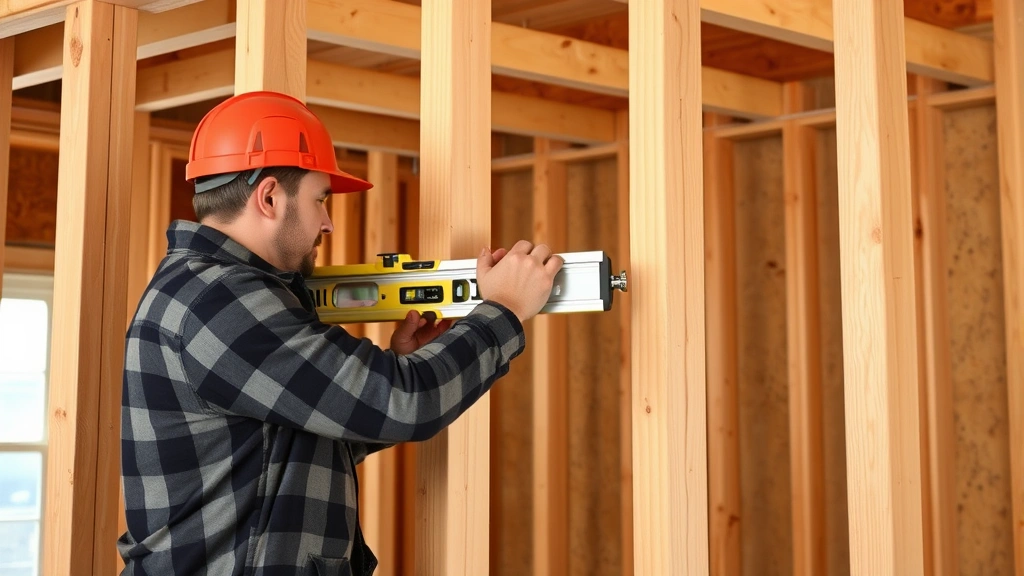
Proper framing forms the structural backbone of your secret room. Begin by establishing reference lines using chalk lines or laser levels. Mark stud locations at 16 inches on center, the standard spacing for residential construction. If you’re unfamiliar with framing principles, review beginner woodworking fundamentals to understand wood construction basics.
Use pressure-treated lumber for basement installations to resist moisture and decay. For above-grade locations, standard construction-grade lumber suffices. Typical framing includes:
- Bottom plates (horizontal members anchored to floor)
- Vertical studs (typically 2×4 lumber)
- Top plates connecting to existing structure
- Headers above doorways (doubled 2x10s or engineered beams for wider openings)
- Blocking for horizontal stability and fixture attachment
Load-bearing walls require special consideration. If your secret room requires removing or modifying load-bearing walls, you must install a properly sized beam to support the load above. Calculate beam requirements based on span length, load magnitude, and lumber grade. Most jurisdictions require a structural engineer’s stamp for beam installations. The American Wood Council provides span tables and design guidelines for residential construction.
Secure all framing members with appropriate fasteners. Use 3-inch nails or 2.5-inch wood screws for stud-to-plate connections. Ensure corners are square using the 3-4-5 triangle method: measure 3 feet along one wall, 4 feet along the adjacent wall, and verify the diagonal measures 5 feet. Brace walls temporarily with diagonal cross-bracing until sheathing provides permanent support.
Consider sound isolation if privacy is important. Install resilient channels or staggered-stud walls with acoustic insulation to reduce noise transmission. This proves particularly valuable for entertainment spaces or sensitive document storage areas.
Access Methods and Hidden Doors
The access mechanism defines your secret room’s effectiveness and functionality. Multiple options exist, each with advantages and limitations:
Bookcase Doors: Classic and aesthetically pleasing, bookcase doors require specialized hardware designed to support weight while providing smooth operation. Heavy bookcases (150+ pounds) need commercial-grade pivot hinges rated for the load. Installation requires precise alignment and substantial door reinforcement. Budget $2,000-$5,000 for quality hardware and installation.
Panel Doors: Disguised as wall paneling or artwork, panel doors offer subtle concealment. These lightweight options work well for closet-sized spaces. Standard door hardware suffices with proper reinforcement. Cost ranges from $500-$2,000 depending on finish quality and access mechanism sophistication.
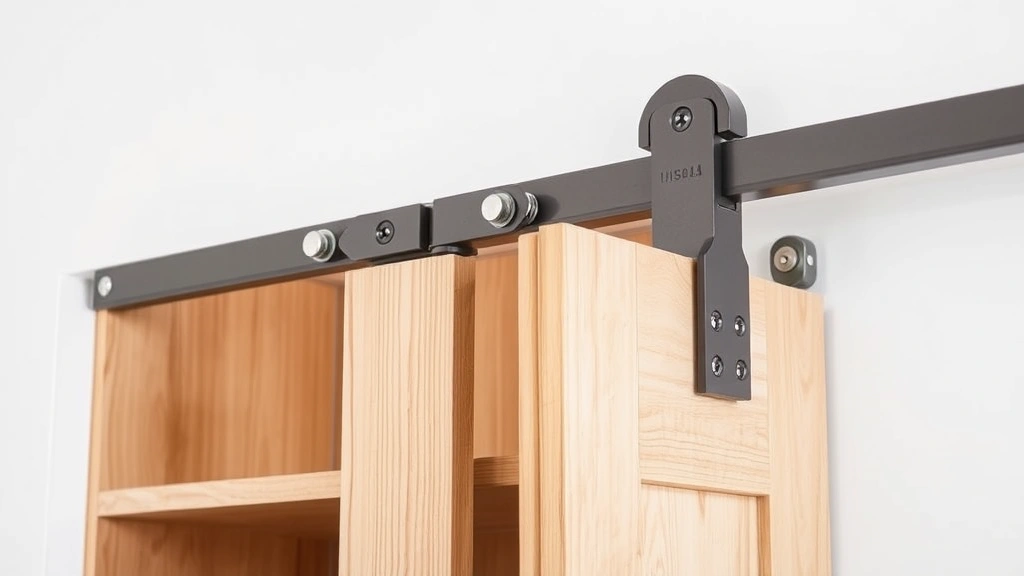
Sliding Doors: Pocket doors or barn-style sliding doors provide space-efficient access. Heavy sliding doors require commercial-grade track systems rated for residential use. Installation demands precise opening dimensions and level installation. Expect to invest $1,500-$4,000 for quality hardware and installation.
Trapdoor Access: Ceiling or floor access points work for vertical spaces like attic rooms. Counterbalanced mechanisms reduce effort required to open heavy doors. Hidden ladders or stairs provide access. This method costs $800-$3,000 depending on automation level.
Regardless of access method, ensure smooth operation through proper installation and regular maintenance. Lubricate hinges and tracks quarterly. Test access mechanisms weekly to verify functionality. Consider backup manual operation for motorized systems in case of power failure.
Electrical, Plumbing, and HVAC Integration
Utility integration transforms your secret room from empty shell to functional space. All electrical work must comply with National Electrical Code (NEC) standards. Most jurisdictions require licensed electricians for new circuits and installations. Plan outlet locations carefully—standard spacing requires outlets every 6 feet along walls in habitable rooms.
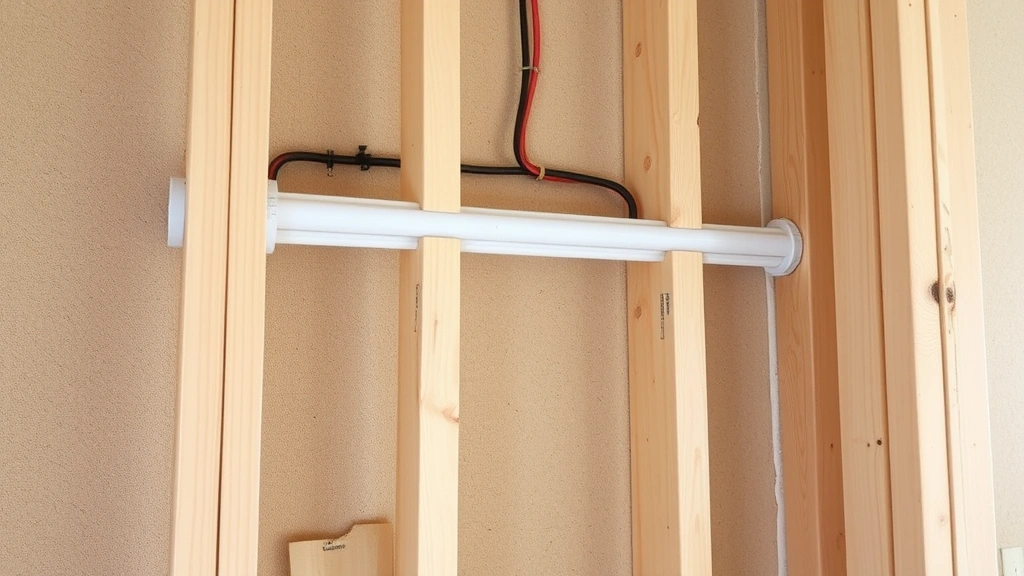
Run electrical conduit through wall cavities before closing walls with drywall. Clearly label circuits at the breaker panel. Install GFCI protection in bathrooms and damp locations. If your secret room includes a panic room, install backup battery systems and emergency lighting. Ensure all switches and outlets are accessible without moving hidden doors or furniture.
Plumbing considerations depend on intended use. Document storage and safe rooms typically require no plumbing. Entertainment spaces or bathrooms demand proper drain and supply line installation. Run PEX tubing or copper lines through wall cavities, securing them every 32 inches vertically and every 6 feet horizontally. Slope drain lines 1/4 inch per foot toward main drain. All plumbing must meet local codes and pass inspection before walls are closed.
Ventilation and air quality prove critical for sealed spaces. Install HVAC returns and supply ducts to maintain proper air circulation and humidity control. Basement spaces particularly benefit from dehumidification systems preventing mold growth. Consider installing dedicated exhaust fans or air filtration systems for enclosed rooms without window ventilation. Minimum air changes per hour requirements vary by jurisdiction but typically range from 6-15 ACH for conditioned spaces.
For panic rooms, install separate HVAC systems with dedicated filters and backup power. Communication systems including phone lines or internet connectivity require proper conduit installation during framing stages. Plan technology integration carefully to avoid retrofitting after walls close.
Finishing and Concealment Techniques
Professional finishing transforms framed walls into polished spaces. Install insulation between studs for thermal control and sound dampening. Fiberglass batts or blown-in cellulose provide R-values appropriate for your climate zone. Vapor barriers prevent moisture infiltration in basement locations.
Drywall installation requires careful attention to hidden door locations. Use lighter-weight drywall (1/2 inch) for easier handling, or 5/8-inch fire-rated drywall for enhanced safety. Tape and mud joints smoothly, applying three coats of joint compound with proper sanding between coats. Prime and paint with quality finishes matching your home’s aesthetic.
Concealment effectiveness depends on matching surrounding finishes perfectly. If your hidden room accesses from a bookshelf, ensure the door frame aligns with existing molding and trim. Paint colors should match precisely—bring paint chips to stores for computer color matching. Textured finishes hide imperfections better than flat paints but require more sophisticated equipment to apply.
Flooring selection balances aesthetics with functionality. Concrete works well in basements with moisture-resistant coatings. Hardwood, laminate, or vinyl options provide warmth and durability in upper-level spaces. Ensure flooring transitions smoothly at doorways without creating trip hazards. Install baseboards and trim matching your home’s existing details.
Consider your home security integration strategy during finishing. Install security cameras, motion sensors, or alarm system components before closing walls. Run necessary wiring through conduit during framing stages. Professional installation ensures proper functionality and code compliance.
Safety Considerations for Secret Spaces
Secret rooms present unique safety challenges demanding careful attention. Egress requirements exist for habitable rooms—building codes typically mandate at least one door or window providing emergency exit capability. Panic rooms may qualify for exceptions when equipped with communication systems and backup ventilation. Verify specific requirements with your local building inspector before finalizing designs.
Install emergency lighting systems with battery backup. Motion-activated LED strips provide low-cost illumination during power outages. Ensure light switches remain accessible and clearly labeled for occupants. In panic rooms, consider redundant lighting systems with separate power sources.
Fire safety demands careful planning. Install smoke detectors with interconnected alarms throughout your home, including the secret room. Ensure fire-rated construction where codes require. Maintain clear access to fire extinguishers from within the secret room. Establish and practice emergency evacuation procedures with household members.
Ventilation failure poses serious risks in sealed spaces. Install carbon dioxide monitoring systems in rooms lacking continuous ventilation. Modern CO2 detectors alert occupants when levels exceed safe thresholds. Battery-backup ventilation systems provide failsafe operation during power outages. Never seal a room completely without redundant ventilation systems.
Communicate hidden room locations to emergency responders. Provide information to local fire departments and law enforcement. In panic room scenarios, ensure 911 dispatchers understand your home layout and can direct responders appropriately. Update emergency contact information with family members and trusted neighbors.
Regular maintenance prevents safety issues. Inspect structural integrity quarterly, checking for cracks, settling, or moisture damage. Test all access mechanisms monthly. Verify HVAC system operation and change filters according to manufacturer recommendations. Check battery backup systems twice yearly to ensure proper operation.
FAQ
How long does it take to build a secret room?
Timeline varies significantly based on complexity. Simple closet conversions require 2-4 weeks, while elaborate panic rooms with specialized systems take 8-12 weeks. Permit acquisition adds 2-4 weeks. Plan your project timeline conservatively, accounting for inspection delays and unforeseen complications.
Do I need permits to build a secret room?
Yes, most jurisdictions require permits for room additions or significant structural modifications. Verify requirements with your local building department. Obtaining permits ensures code compliance, proper construction practices, and legal protection. Unpermitted work can create serious liability and complicate future property sales.
What’s the most affordable secret room option?
Hidden closet doors or panel doors offer the most budget-friendly options, costing $500-$2,000 for access hardware alone. Combining basic framing with simple door concealment keeps total costs under $5,000. Elaborate motorized systems or sophisticated panic room features increase costs substantially.
Can I build a secret room in an apartment?
Most apartment leases prohibit structural modifications. Consult your lease agreement and landlord before beginning any construction. Removable wall systems or furniture-based concealment options may be permissible alternatives, though these require landlord approval.
What size should my secret room be?
Size depends on intended use. Document storage rooms require minimal space—50-100 square feet suffices. Entertainment spaces benefit from 100-200 square feet. Panic rooms should accommodate 2-4 people comfortably, typically 150-300 square feet. Verify minimum sizes with local building codes before finalizing designs.
How do I ensure proper ventilation in a sealed room?
Install dedicated HVAC returns and supply ducts during framing stages. Include fresh air intake with proper filtration. Install CO2 monitoring systems and backup ventilation with battery power. Consult HVAC professionals to calculate appropriate air change rates for your space dimensions and intended occupancy.
What access method works best for secret rooms?
Choice depends on location and intended use. Bookcase doors work beautifully for libraries or offices. Panel doors suit bedroom closets. Trapdoors function well for attic access. Consider aesthetics, frequency of use, and budget when selecting mechanisms. Test options thoroughly before committing to permanent installation.
Are secret rooms safe during emergencies?
Yes, when properly designed with appropriate safety features. Install emergency lighting, backup ventilation, and communication systems. Ensure code-compliant egress options. Practice emergency procedures regularly. Maintain detailed documentation and share information with emergency responders.
Building a secret room combines creativity with construction expertise. Whether you’re creating a panic room, safe storage, or private retreat, following proper procedures ensures both functionality and safety. Start with careful planning, obtain necessary permits, and don’t hesitate to consult professionals for complex tasks. Your finished secret room will provide security, privacy, or entertainment for years to come.
Ready to begin your project? Explore our complete DIY resource library for additional guidance on related projects. From basement finishing techniques to comprehensive home security solutions, we provide detailed instructions for confident DIY builders.


