How Long Does It Take to Dye Hair? Expert Tips for Perfect Timing
Hair dyeing is one of the most popular DIY beauty projects, transforming your look from home without expensive salon visits. However, getting the timing right is crucial for achieving vibrant color results and maintaining healthy hair. Whether you’re covering grays, going bold with a new shade, or refreshing your current color, understanding the exact duration and process steps ensures you won’t rush through application or leave dye on too long.
The answer to “how long does it take to dye hair” isn’t one-size-fits-all. Processing time varies based on your hair type, the dye brand, desired color depth, and whether you’re doing roots only or full coverage. This comprehensive guide breaks down every timing element so you can execute a flawless at-home hair coloring experience.
Understanding Hair Dye Processing Times
Hair dye processing time refers to how long the color molecules need to penetrate your hair shaft and develop the desired shade. This is fundamentally different from application time—the period spent actually applying dye to your hair. Most permanent and semi-permanent dyes require 25 to 45 minutes of processing time, though this varies significantly.
The chemistry behind hair coloring explains why timing matters. Permanent dyes contain ammonia and peroxide that open the hair cuticle, allowing color molecules to enter the cortex. Semi-permanent dyes work differently, coating the hair shaft without penetrating as deeply. Understanding the chemistry of hair dye helps you appreciate why manufacturers specify exact processing times.
Leaving dye on longer than recommended doesn’t necessarily produce darker color—it risks damaging hair structure. Conversely, removing dye too early results in patchy, uneven color that won’t match your expectations. Professional colorists spend years mastering timing because it directly impacts results and hair health.
Preparation Phase Duration
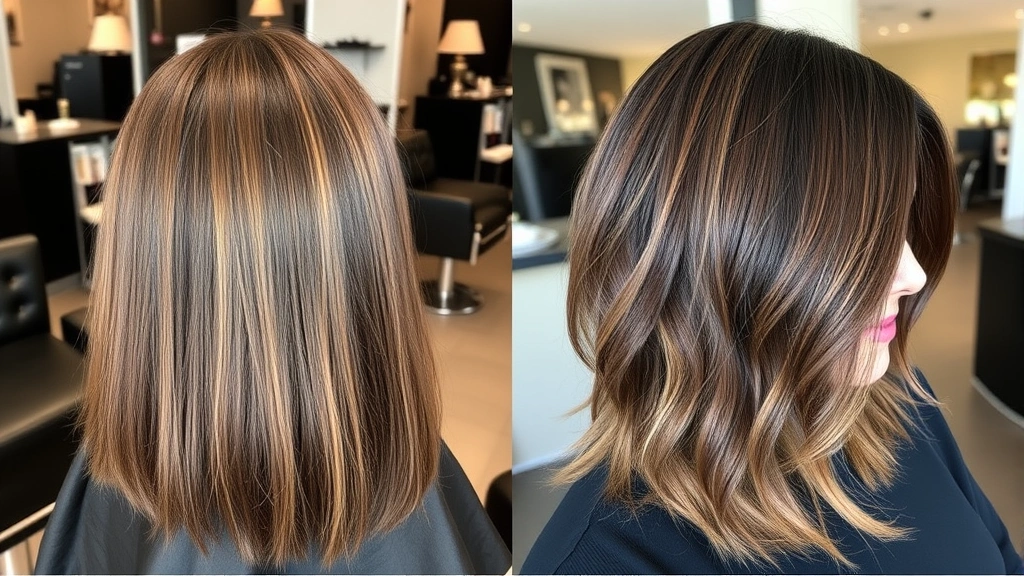
Before you even open the dye box, preparation takes 15 to 30 minutes. This phase is non-negotiable for successful results. Start by gathering all supplies: applicator bottle, gloves, sectioning clips, old towels, petroleum jelly, and the dye kit itself. Read instructions thoroughly—different brands have specific requirements.
Next, perform a patch test 24 to 48 hours before dyeing. Apply a small amount behind your ear or on your inner elbow to check for allergic reactions. This is especially important if you have sensitive skin or are using a new brand. While waiting for patch test results, prepare your workspace similar to how you’d prepare for home improvement projects—protecting surfaces from stains and ensuring adequate ventilation.
On dye day, protect your skin by applying petroleum jelly along your hairline, ears, and neck. Wear old clothing you don’t mind staining. Section dry hair into four quadrants using clips—this ensures even dye distribution. Brush through tangles so dye penetrates uniformly. This entire preparation process takes patience but prevents frustration and poor results.
Application Timing by Hair Type
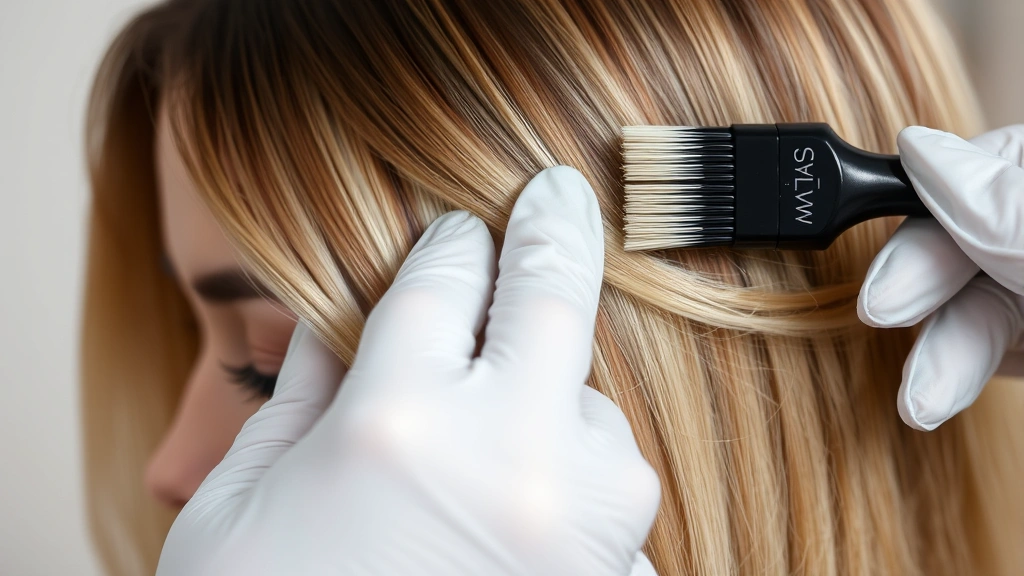
Application time—how long it takes to actually apply dye to your hair—ranges from 10 to 25 minutes depending on hair thickness, length, and texture. Fine, short hair requires 10 to 15 minutes, while thick, long hair may need 20 to 25 minutes. Working methodically through each quadrant ensures complete coverage.
For virgin hair (never dyed before), apply dye to mid-lengths and ends first, saving roots for last. Roots process faster due to scalp heat, so applying them last prevents over-processing and color streaking. This technique typically adds 5 minutes to application time but dramatically improves results.
If you’re doing root touch-ups only, application takes just 5 to 10 minutes. Focus on new growth along the scalp, being careful not to overlap previously colored hair unless doing a full refresh. Root-only applications significantly reduce total project time, which is why many people schedule touch-ups every 4 to 6 weeks rather than full recolors.
For those with textured or curly hair, application requires extra time—potentially 20 to 30 minutes—because dye must penetrate each curl individually. Work section by section, ensuring dye saturates from roots to ends. Curly hair often processes differently than straight hair, so don’t rush this step.
Processing Time Guidelines
Once you’ve finished applying dye, the processing phase begins. This is when you simply wait. Most permanent hair dyes process for 30 to 45 minutes. Check your specific product instructions—some brands recommend 20 minutes, others up to 50. Never exceed the maximum time listed, as this damages hair integrity.
Set a timer on your phone to track processing time accurately. Don’t estimate or guess. Some people check color development by wiping a small section with a damp cloth at the midpoint, but this can create uneven results. Instead, trust the manufacturer’s timeline and resist the urge to peek constantly.
Semi-permanent dyes typically process for 20 to 30 minutes and won’t damage hair if left on longer, making them forgiving for beginners. However, leaving them on excessively long may cause uneven fading. Demi-permanent dyes fall between semi and permanent, usually processing for 20 to 30 minutes with minimal ammonia.
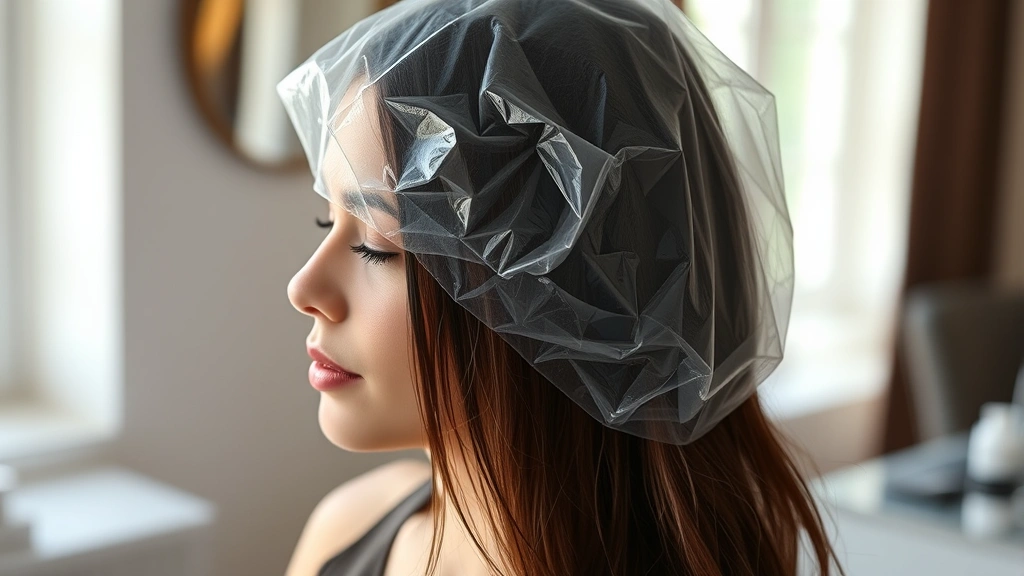
Temperature affects processing speed slightly. Warmer environments accelerate processing, while cold temperatures slow it. Wrapping your head in a plastic cap creates warmth and can help color develop more evenly. Some people sit in sunlight or use a heat cap, though this isn’t necessary for standard dyes.
If your dye includes a developer, mixing ratios matter tremendously. Most require 1:1 or 1:2 ratios of color to developer. Incorrect ratios alter processing times and results. Always measure carefully using the provided applicator bottle markings.
Post-Dye Care Timeline
After processing time expires, rinse your hair thoroughly under cool water until water runs clear—this takes 5 to 10 minutes. Hot water opens the cuticle and can strip color, so use cool or lukewarm water instead. Apply the conditioner included in your dye kit, which helps seal the cuticle and lock in color.
After rinsing and conditioning, your hair needs recovery time. Wait 48 to 72 hours before shampooing to allow color molecules to fully settle into the hair shaft. During this waiting period, avoid chlorinated pools, saltwater, and excessive sweating. If you must wash sooner, use only cool water and color-safe shampoo.
For the first two weeks post-dye, use color-safe shampoo and conditioner exclusively. These products have pH-balanced formulas that prevent color fading. Regular shampoo can strip dye molecules, causing premature color loss. This is similar to how proper finishing techniques protect DIY projects—the aftercare determines longevity.
Apply deep conditioning treatments weekly for the first month. Permanent dye can temporarily increase porosity, making hair thirsty for moisture. Deep conditioning restores hydration and keeps color vibrant. Many professionals recommend waiting one week before heat styling to minimize damage.
Common Timing Mistakes to Avoid
Mistake #1: Removing dye early because you’re nervous. Watching color develop is tempting, but premature removal results in uneven, lighter-than-desired color. Trust the process and wait the full recommended time. If you’re uncertain about results, perform a strand test on hidden hair first.
Mistake #2: Leaving dye on too long thinking darker is better. Over-processing can cause brassy tones, dull color, or even damage. Permanent dye continues developing slightly after you rinse, so removing it at the recommended time is optimal. More time doesn’t equal better results.
Mistake #3: Skipping the patch test. Even if you’ve dyed your hair before, allergic reactions can develop. The 24 to 48-hour wait feels inconvenient but prevents serious reactions. This is non-negotiable safety protocol.
Mistake #4: Applying dye to already-colored hair without adjusting timing. Previously colored hair processes faster because it’s more porous. Reduce processing time by 5 to 10 minutes when refreshing color on previously dyed hair. Ignoring this causes over-processing and color damage.
Mistake #5: Not sectioning hair properly before application. Rushing through application means some sections get dyed sooner than others. By the time you finish the last section, the first section has processed longer, creating uneven color. Proper sectioning and systematic application prevents this.
Mistake #6: Applying dye to wet hair. Water dilutes dye molecules and prevents proper color development. Always apply dye to clean, dry hair. If your hair is slightly damp from recent washing, blow dry it first.
Understanding timing prevents expensive mistakes. Many people spend money trying to correct timing errors—depositing color over mistakes, using color removers, or visiting salons for corrections. Getting timing right the first time saves money and stress.
FAQ
How long does semi-permanent hair dye take to process?
Semi-permanent dyes typically process for 20 to 30 minutes. These dyes are gentler than permanent options because they don’t contain ammonia. They coat the hair shaft rather than penetrating the cortex, making them forgiving if left on slightly longer. However, following manufacturer instructions still produces the best results.
Can I leave hair dye on for 2 hours?
No, leaving permanent hair dye on for 2 hours causes significant damage. Most permanent dyes should never exceed 45 to 50 minutes maximum. Extended processing can break hair bonds, cause severe dryness, and result in uneven color or unwanted tones. Stick to recommended times always.
Why does root touch-up take less time than full color?
Root touch-ups take less time because you’re only coloring new growth, not the entire hair length. Additionally, roots process faster due to scalp warmth. Full color requires application to mid-lengths and ends (which process slower) plus roots, making the total project longer.
What if I accidentally left dye on too long?
If you realize dye has been processing too long, rinse immediately with cool water. Don’t panic—most hair survives slight over-processing, though color might be darker or more intense than expected. Use deep conditioning treatments for the next week. If hair feels damaged or breaks easily, consult a professional stylist before additional coloring.
How often should I redye my hair?
Permanent color typically requires touch-ups every 4 to 6 weeks as new growth appears. Semi-permanent color fades gradually over 4 to 6 weeks but doesn’t require touch-ups since it fades evenly. Full recolors should happen every 8 to 12 weeks to avoid cumulative damage from over-processing.
Does hair type affect dye processing time?
Yes, significantly. Fine hair processes faster (25 to 30 minutes), while thick, coarse hair needs the full 40 to 45 minutes. Curly and textured hair also requires longer processing because dye must penetrate each curl. Damaged or porous hair processes faster than healthy hair. Always consider your hair’s condition when timing.
Should I use heat while dye is processing?
Heat isn’t necessary, but a plastic cap can help color develop more evenly by maintaining warmth. Some people sit in sunlight or use a heat cap for 5 to 10 minutes during processing. However, this isn’t required—room temperature processing works fine for most dyes. Avoid excessive heat that could damage your scalp.


