
DIY Shed Construction? Expert Tips Inside
Building your own shed is one of the most rewarding DIY projects you can undertake. Whether you need extra storage, a workshop, or a garden retreat, a well-constructed shed adds both functionality and value to your property. The question isn’t whether you can build a shed—it’s whether you’re ready to invest the time and effort to do it right. This comprehensive guide walks you through every phase of shed construction, from planning and permits to finishing touches, ensuring your project succeeds from foundation to roof.
Before you break ground, understand that shed construction timelines vary dramatically based on size, complexity, and your experience level. A simple 8×10 shed might take 40-60 hours of work spread over 3-4 weekends, while larger or more elaborate structures could require several months. The key to success lies in thorough planning, obtaining proper permits, and following building codes that govern your area.
Planning Your Shed Project
Successful shed construction begins with meticulous planning. Start by determining your shed’s purpose—will it store lawn equipment, serve as a workshop, house garden tools, or provide covered outdoor space? Your answer directly influences size, ventilation, shelving, and access requirements. A 4×6 shed works fine for basic storage, but a workshop needs at least 8×10 feet with proper electrical considerations and workbenches.
Next, assess your property carefully. Check for utility lines—call 811 before you dig to locate underground electric, gas, water, and telecommunications lines. Evaluate drainage patterns; never place a shed in a low spot where water collects. Consider sun exposure, wind direction, and how the structure affects your landscape’s aesthetics and functionality. Sketch your property to scale and mark potential shed locations.
Create detailed drawings or find plans online. Your sketch should show dimensions, door placement, window locations, and roof pitch. Even simple sketches help you visualize the final product and catch design conflicts before construction starts. Consider working with International Building Code standards resources to understand basic structural requirements for your region.
Permits and Building Codes
Many homeowners skip permits, but this mistake can create serious problems during property sales, insurance claims, or code enforcement actions. Most jurisdictions require permits for structures over 120 square feet, though some areas have lower thresholds. Check your local building department’s website or visit in person to understand requirements for your specific location.
Building codes exist to ensure structural safety and property protection. Your shed must comply with setback requirements (distance from property lines), height restrictions, foundation specifications, and roofing standards. The National Fire Protection Association provides guidelines for safe construction practices. The permit process typically involves submitting plans, paying fees, and scheduling inspections at key phases—foundation, framing, and final completion.
Don’t view permits as bureaucratic obstacles; inspectors catch problems that could cause structural failure, water damage, or safety hazards. A failed inspection means corrections before moving forward, but these corrections prevent expensive failures later. Budget 2-4 weeks for the permit process and inspection scheduling into your timeline.
Foundation Options Explained
Your shed’s foundation determines its longevity and performance. Three primary options exist: concrete pads, concrete footings with wooden posts, and wooden skids. Each has advantages and limitations based on climate, soil conditions, and budget.
Concrete Pad Foundations provide the most durable, long-lasting option. A properly constructed concrete pad resists moisture, prevents pest infiltration, and maintains level over decades. Pour a 4-6 inch slab over compacted gravel base, sloping slightly for drainage. This method costs more upfront but eliminates wood rot concerns entirely. Ideal for permanent installations in wet climates or areas with freeze-thaw cycles.
Post and Footing Systems combine concrete footings below the frost line with pressure-treated wooden posts. This approach works well in most climates and costs less than full concrete pads. Dig holes below your area’s frost depth—typically 24-48 inches depending on climate—set posts in concrete, and allow proper curing before building. The Building Code Resource Center provides frost depth maps by region.
Wooden Skid Foundations use pressure-treated beams as the base. This budget-friendly option works for temporary or portable sheds. Skids require level ground and regular inspection for rot. They’re easiest for DIYers but provide the shortest lifespan, typically 10-15 years depending on climate and maintenance.
Regardless of foundation type, ensure proper drainage and ventilation underneath. Standing water causes rot, mold, and structural failure. Slope ground away from your shed and consider landscape fabric with gravel underneath for moisture control.

Framing Your Shed Structure
Framing creates your shed’s skeleton and determines structural integrity. Standard shed framing uses 2×4 lumber for walls, 2×6 for roof rafters, and appropriate spacing for your climate’s wind and snow loads. Most sheds use 16-inch on-center stud spacing, though 24-inch spacing works for smaller structures in mild climates.
Start by building wall frames on the ground, then raising and securing them to your foundation. Use proper fastening methods—galvanized nails or exterior-grade screws resist corrosion. Ensure walls are perfectly square by measuring diagonals; they should be equal length. Install diagonal bracing or sheathing immediately after raising walls to prevent racking (twisting).
The roof frame typically uses rafters, collar ties, and ridge beams. Roof pitch affects water shedding and snow load capacity. A 4:12 pitch (4 inches rise per 12 inches run) works for most climates, though steeper pitches shed snow better in heavy-snow regions. Calculate rafter sizes based on your span, spacing, and local snow loads—your building department can specify requirements.
Install proper ventilation during framing. Soffit vents, ridge vents, or gable vents prevent moisture accumulation in the attic space, extending your roof’s lifespan and preventing mold growth. Ventilation also reduces summer heat buildup, making the shed more comfortable for work.
Roofing Systems and Installation
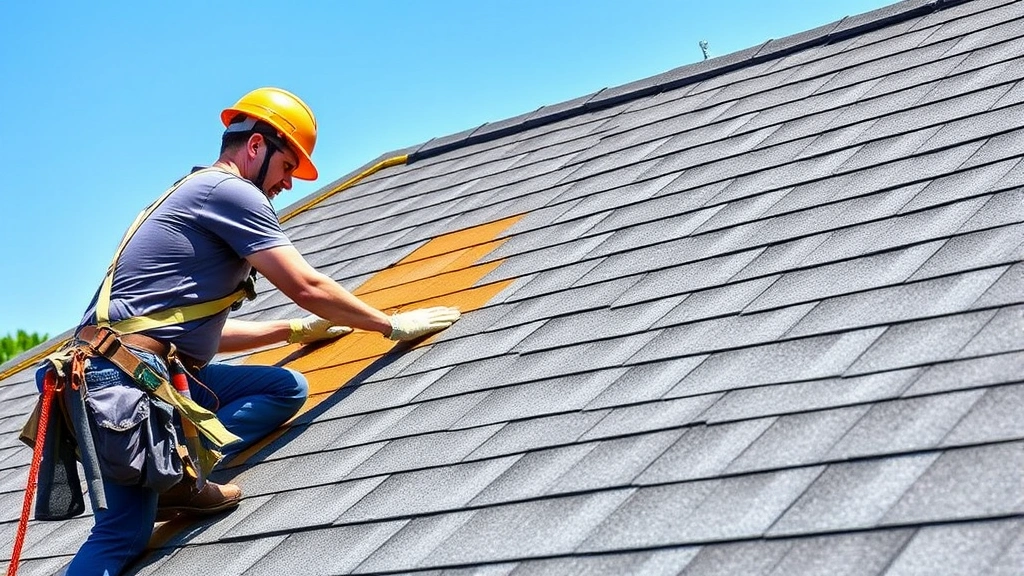
Your roof protects everything inside from weather, making proper installation critical. Asphalt shingles are the most common and affordable choice, lasting 15-25 years. Metal roofing costs more but lasts 40-70 years and handles snow better. Standing seam metal roofs are ideal for steep pitches and heavy snow areas.
Before installing shingles, install roofing underlayment—synthetic or felt paper that provides a water barrier if shingles fail. Proper underlayment installation prevents water infiltration during heavy rains. Nail or staple underlayment according to manufacturer specifications, overlapping courses to direct water downward.
Install drip edge metal along eaves and gables before underlayment, then overlap underlayment over the drip edge on eaves. This detail directs water off the roof into gutters rather than into wall framing. Shingles install with galvanized nails or screws, four fasteners per shingle, placed in the manufacturer’s specified nail line.
Proper flashing around penetrations—vent pipes, chimneys, or skylights—prevents leaks. Use metal flashing with proper slope, sealed with roofing cement. The flashing extends under shingles above the penetration and over shingles below, creating a water-shedding overlap. Leaks almost always occur where roofing meets vertical surfaces, so take extra care with flashing installation.
Siding and Weatherproofing
Siding protects framing from weather while defining your shed’s appearance. Options include wood, vinyl, metal, or composite materials. Wood siding offers classic appeal but requires regular maintenance. Vinyl and metal require minimal upkeep. Composite materials resist rot but cost more than traditional options.
Before installing siding, apply house wrap—a breathable moisture barrier that prevents water infiltration while allowing vapor transmission. Proper house wrap installation overlaps courses like shingles, directing water downward and outward. Staple or nail house wrap according to manufacturer specifications.
Install siding from bottom to top, ensuring courses are level and properly overlapped. Each siding type has specific fastening requirements—use corrosion-resistant fasteners appropriate for your material. Avoid over-fastening, which prevents natural movement and causes buckling or warping.
Pay special attention to corners, door and window openings, and transitions between siding materials. Use trim boards—typically 1×4 or 1×6 lumber—to frame openings and transitions. Trim boards should be primed and painted or stained to match your siding, protecting end grain from water absorption.
Caulk gaps between trim and siding with exterior-grade caulk. This prevents water infiltration while allowing slight movement. Re-caulk every few years as caulk deteriorates. Proper caulking is often overlooked but prevents expensive water damage inside walls.
Interior Finishing Touches
Interior finishing depends on your shed’s purpose. A storage shed needs shelving and organization; a workshop requires workbenches and tool storage; a retreat space might need insulation and finished walls. Install interior elements after weatherproofing is complete.
Shelving provides efficient storage in limited space. Wall-mounted shelves use less floor area than freestanding units. Build shelves from pressure-treated lumber for moisture resistance, or install commercial shelving systems designed for outdoor storage. Ensure shelves are properly supported and can handle your storage load without sagging.
For workshop sheds, build sturdy workbenches with vises or clamping systems. Concrete floors with epoxy coating resist stains and stand up to dropped tools. Wall-mounted pegboards and magnetic strips keep frequently-used tools accessible and organized.
If you’re creating a living space or climate-controlled workshop, insulation becomes important. Fiberglass batts or spray foam insulation in walls and roof reduces temperature swings and improves comfort. Proper ventilation remains critical even with insulation to prevent moisture accumulation.
Interior paint or stain protects wood and improves appearance. Use exterior-grade paint that resists moisture and UV damage. Light colors reflect heat and make spaces feel larger; darker colors hide dirt but absorb heat. Primer is essential before painting, especially on raw wood, for proper adhesion and durability.
Tools You’ll Actually Need
Successful shed construction requires quality tools. Start with basics: circular saw or miter saw for cutting lumber, power drill for fastening, level for ensuring plumb and level surfaces, tape measure for accurate dimensions, and a square for checking right angles. These core tools handle most construction tasks.
Additional helpful tools include a nail gun or screw gun for faster fastening, a reciprocating saw for cutting through multiple materials, a table saw for ripping lumber to width, and a stud finder for locating framing behind sheathing. A roofing nailer specifically designed for shingles makes roof installation faster and more consistent.
Safety equipment is non-negotiable. Safety glasses protect from flying debris, hearing protection from loud tools, work gloves prevent splinters and cuts, and dust masks protect lungs from sawdust and particles. Invest in quality safety gear—your health is worth the expense. A fall protection system becomes essential if your roof pitch exceeds 6:12 or if you’re working at heights above 6 feet.
Consider renting specialized equipment rather than purchasing. Scaffolding, boom lifts, or pneumatic tools might be one-time expenses that renting makes economical. Many tool rental shops offer daily or weekly rates that beat purchase prices if you only need equipment briefly.
Proper tool maintenance extends lifespan and ensures safety. Keep saw blades sharp—dull blades require excessive pressure and bind easily, causing kickback or binding. Lubricate moving parts, clean dust from tool vents, and store tools in dry conditions to prevent rust. A well-maintained tool collection lasts decades and performs reliably.
FAQ
How long does a typical DIY shed project take?
Timeline varies significantly based on shed size and complexity. A basic 8×10 shed typically requires 40-60 hours of labor spread over 3-4 weekends. Larger structures, complex roofs, or finishing work can extend timelines to several months. Weather delays and permit processing also affect overall schedule. Plan conservatively and celebrate finishing ahead of schedule rather than scrambling to meet unrealistic deadlines.
Do I really need a permit for my shed?
Most jurisdictions require permits for structures exceeding 120 square feet, though some areas have lower thresholds. Check your local building department’s regulations. Permits ensure your structure meets safety codes and prevent legal issues during property sales. Unpermitted structures can trigger code enforcement actions requiring removal or expensive retrofits. The permit cost and time investment protect your property investment.
What’s the best foundation for different climates?
In cold climates with freeze-thaw cycles, concrete pads or post-and-footing systems work best, with footings below the frost line. In mild climates, wooden skid foundations work adequately. Wet climates benefit from concrete pads that resist moisture and prevent rot. Consult your building department about frost depth and foundation requirements specific to your area. USDA soil data can help identify soil type and drainage characteristics on your property.
Can I build a shed on a sloped lot?
Yes, but sloped lots require special consideration. Build on the highest part of your lot to maximize drainage and minimize water issues. Level the ground as much as practical, or use a stepped foundation with multiple levels of footings. Ensure adequate drainage away from the structure. Sloped lots often provide natural drainage advantages if properly oriented.
What’s the difference between a shed and a structure requiring different permits?
Building departments typically distinguish between accessory structures (sheds, detached garages) and habitable structures based on intended use, square footage, and features like electrical service or plumbing. A shed is generally non-habitable storage; add utilities or windows that suggest living space, and permit requirements change significantly. Ask your building department to clarify your structure’s classification before designing.
How do I prevent moisture problems in my shed?
Proper drainage is essential—slope ground away from your shed, install gutters to direct roof water away, and ensure foundation ventilation. Use vapor barriers under wooden floors and install adequate ventilation. Avoid storing items directly on floors; use shelving to allow air circulation. Monitor for signs of moisture—musty smells, mold, or wood discoloration—and address immediately. Regular maintenance prevents expensive water damage.
Should I hire professionals for any aspects?
Hiring professionals for roofing, electrical work, or complex framing can save time and prevent costly mistakes. If you’re uncomfortable with heights, roofing work is worth outsourcing. Electrical work often requires licensed electricians depending on local codes. Foundation work is straightforward for DIYers but can be physically demanding. Be honest about your skills and hire help for specialized work rather than risking failure.


