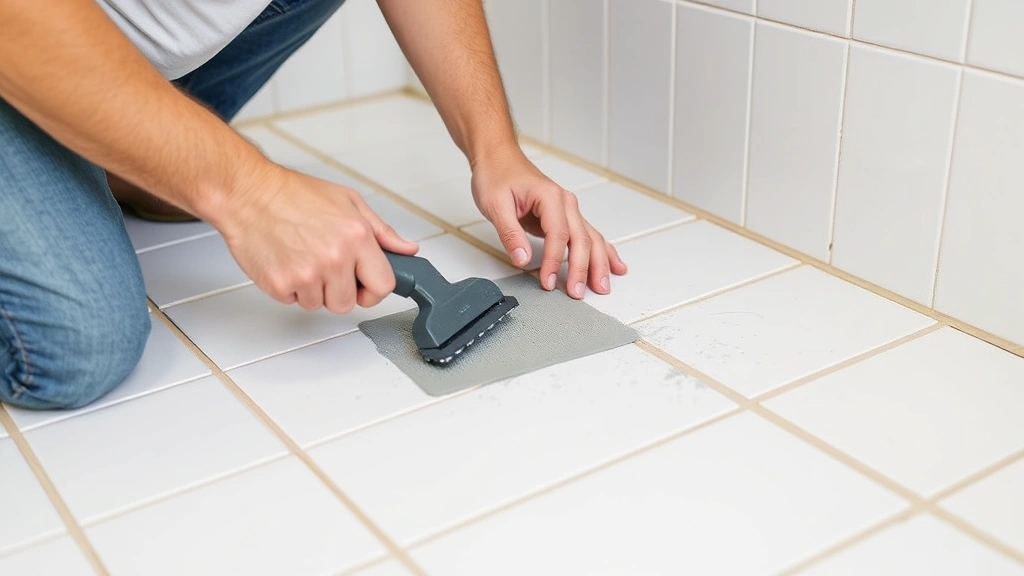
How Long for Grout to Dry? Expert Advice Inside
Grout drying time is one of the most critical factors in any tiling project, yet it’s often misunderstood by DIY enthusiasts and professionals alike. Whether you’re installing ceramic tiles in your kitchen, natural stone in a bathroom, or porcelain pavers on a patio, understanding the precise timeline for grout curing can mean the difference between a beautiful, long-lasting installation and costly mistakes. The answer isn’t simply a single number—it depends on multiple variables including grout type, environmental conditions, tile material, and application thickness.
Many DIYers make the mistake of assuming that because grout feels dry to the touch, it’s fully cured and ready for use. This misconception leads to premature grouting of seams, inadequate curing time, and premature failure of the installation. In this comprehensive guide, we’ll break down everything you need to know about grout drying and curing times, helping you plan your tiling projects with confidence and precision.
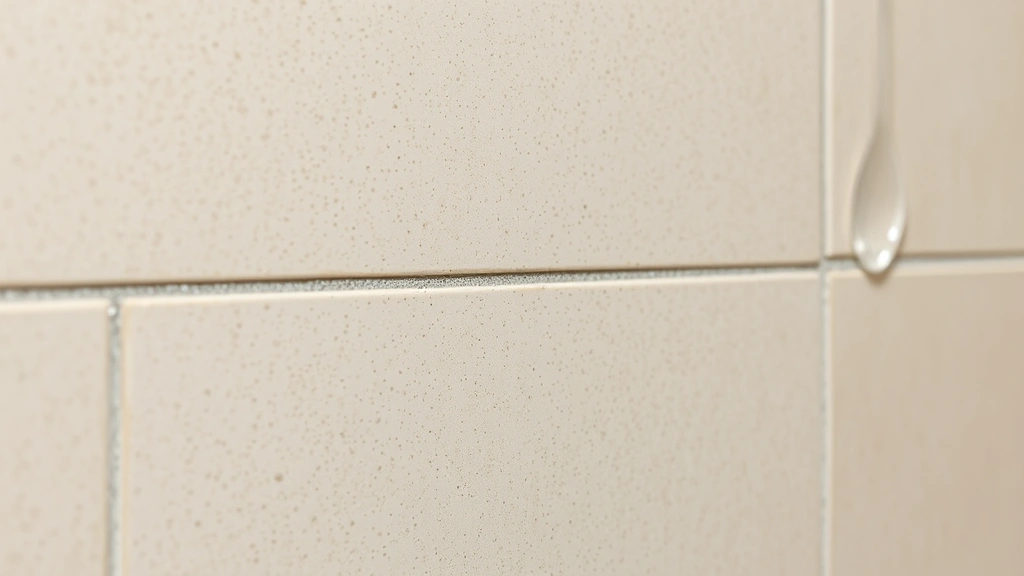
Understanding Grout Types and Their Drying Times
Grout comes in several varieties, and each has distinctly different drying characteristics. The type of grout you select will significantly impact your project timeline, so understanding these differences is essential before you begin any tile installation.
Cement-Based Grout is the most common type used in residential applications. Standard cement-based grout typically requires 24-72 hours of initial drying time before foot traffic is acceptable, though full curing can take up to 28 days. This grout is affordable, readily available, and suitable for most tile applications. However, it’s porous and requires sealing in wet environments.
Epoxy Grout offers superior performance characteristics, including chemical resistance and waterproofing properties. The advantage here is speed: epoxy grout can be walked on in 4-8 hours, though full cure strength develops over 24-48 hours. This makes epoxy an excellent choice when you need faster project completion, though it’s more expensive and requires careful handling during application.
Urethane Grout provides flexibility and stain resistance without requiring sealing. Urethane grout typically dries in 24-48 hours, making it a middle-ground option between standard cement and epoxy. It’s particularly useful for floor installations where movement and flexibility matter.
Furan Grout is specialized for industrial and chemical-resistant applications. It’s rarely used in residential settings but offers exceptional drying speed—often ready for foot traffic in just 2-4 hours. This option is expensive and requires professional installation in most cases.
When planning your basement finishing project or bathroom renovation, selecting the right grout type ensures your timeline aligns with your renovation goals.
Factors That Affect Grout Drying Speed
Beyond grout type, numerous environmental and application factors influence how quickly your grout will dry and cure. Understanding these variables allows you to optimize conditions and avoid common pitfalls.
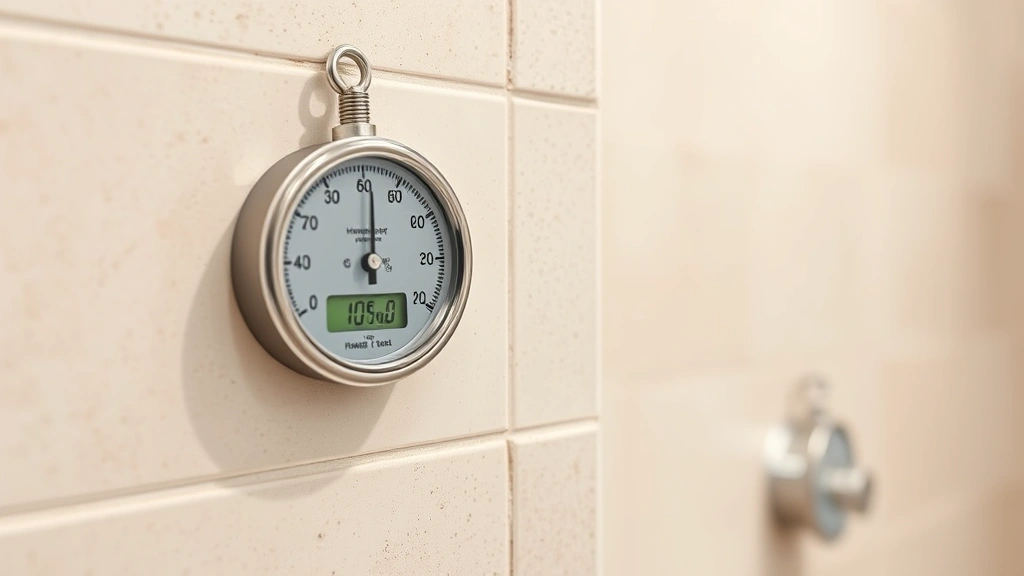
Temperature and Humidity are perhaps the most significant factors affecting drying time. Grout dries faster in warm, dry conditions. Ideal conditions typically range from 50-85°F (10-29°C) with relative humidity between 40-60%. Cold temperatures dramatically slow drying—below 50°F, drying times can double or triple. High humidity (above 80%) also significantly extends drying times, as moisture in the air prevents water from evaporating from the grout. Conversely, extremely dry conditions can cause grout to dry too quickly, potentially leading to cracking and poor bonding.
Tile Material and Porosity affects how much moisture the tiles themselves absorb. Porous tiles like natural stone and unglazed ceramics absorb water from the grout, potentially speeding up drying time. Non-porous tiles like glazed ceramics and porcelain don’t absorb water, so the grout must dry primarily through evaporation, which takes longer. Glass tiles present the slowest drying scenario since they’re completely impermeable.
Grout Joint Width directly impacts drying duration. Thin grout joints (1/16 inch) dry much faster than wide joints (1/2 inch or larger). Wide joints contain significantly more material and have less surface area per unit volume, meaning water must travel farther to escape. For large-format tiles requiring wide grout lines, plan for extended drying times.
Substrate Type influences moisture dynamics beneath the tiles. Porous substrates like cement backer board absorb moisture from the grout, potentially accelerating drying. Non-porous substrates like vinyl or metal slow the process. The thickness of substrate material and its initial moisture content also matter considerably.
Ventilation plays a crucial role in moisture evaporation. Proper air circulation removes moisture-laden air and replaces it with drier air, speeding the drying process. In bathrooms, running exhaust fans continuously during and after grouting accelerates drying. In basements or enclosed spaces, portable fans or dehumidifiers can dramatically improve conditions.
Water Content in the Grout Mix determines how much moisture must evaporate. Using too much water when mixing grout extends drying times significantly. Always follow manufacturer instructions precisely—using less water than recommended won’t improve drying speed and will compromise grout strength and bonding.
Curing vs. Drying: What’s the Difference
Many people use “drying” and “curing” interchangeably when discussing grout, but these are distinct processes with different timelines and implications for your project.
Drying refers to the evaporation of water from the grout surface and shallow layers. Grout may feel dry to the touch within 24-48 hours, and you might be able to walk on it carefully. However, this surface dryness is misleading—it doesn’t mean the grout is ready for water exposure or heavy use.
Curing is the chemical process where the binder in the grout (typically Portland cement) hydrates and hardens, developing full strength. This process continues long after the grout feels dry. For cement-based grout, full cure strength typically develops over 28 days, though 80% of strength is usually achieved within 7 days. Only after proper curing should you expose grout to water or heavy traffic.
This distinction is critical for safety and longevity. Applying grout sealer before the grout is fully cured can trap moisture and cause problems. Similarly, exposing grout to water or heavy foot traffic too early can compromise its strength and durability. Always consult ASTM International standards for your specific grout type, as these provide authoritative guidance on proper curing times.
For bathroom installations where water exposure is inevitable, waiting the full recommended time before using the shower or bathtub is essential. For kitchen backsplashes, waiting before exposing grout to regular water and cleaning is prudent.
Timeline for Common Grout Applications
Different applications have different requirements and timelines. Here’s a practical breakdown of what to expect:
Bathroom Tile Showers and Wet Areas: These applications require the longest wait times before water exposure. For standard cement-based grout, wait a minimum of 48-72 hours before light water exposure and 7-14 days before full shower use. For epoxy grout, you can typically use the shower after 24-48 hours. The grout must be fully cured before applying waterproofing membranes or sealing products—typically 7-14 days for cement-based grout.
Kitchen Backsplashes: Since backsplashes receive splash water rather than direct water spray, you can resume normal kitchen use after 24-48 hours with cement-based grout. However, avoid heavy water spray directly on the grout for at least 72 hours. Epoxy grout allows normal use after 12-24 hours.
Floor Tiles: Walking on floor tiles is generally safe after 24 hours for epoxy grout and 48-72 hours for cement-based grout. However, avoid heavy furniture placement or traffic for 7 days to ensure proper curing. This is particularly important for kitchen and bathroom floors where moisture and thermal stress occur.
Large Format Tiles (12×24 or larger): These require special consideration due to wider grout joints and longer drying times. Plan for 72 hours minimum before foot traffic and 14-28 days before full exposure to moisture and use. The thin-set mortar beneath large-format tiles also requires extended curing time.
Natural Stone Installations: Stone tiles often have variable porosity and may require specialized grout products. Standard timelines apply, but always verify with your stone supplier and grout manufacturer, as some stone types have specific requirements. Sealing natural stone grout typically requires waiting 7-14 days after grouting.
For comprehensive project planning, review our guide on DIY house painting which discusses similar timing considerations for other home improvement projects.
Best Practices for Optimal Grout Curing
Following these best practices ensures your grout achieves maximum strength and durability:
Control Environmental Conditions: Maintain temperatures between 50-85°F and humidity between 40-60% if possible. In winter, use space heaters to maintain adequate temperature. In summer, use air conditioning and dehumidifiers. Avoid grouting in extreme conditions—if it’s very cold or very humid, postpone the project if possible.
Ensure Proper Ventilation: Keep windows open and doors ajar to promote air circulation. In bathrooms, run exhaust fans continuously for 24-48 hours after grouting. Use portable fans to improve air movement in enclosed spaces. This simple step can reduce drying time by 20-30%.
Avoid Water Exposure: Keep the grouted area dry for the recommended time period. Close bathroom doors and windows to prevent moisture from entering. Don’t spray water on the grout surface for at least 48-72 hours, even to clean it.
Don’t Rush Sealing: Wait the full recommended time—usually 7-14 days—before applying grout sealer. Sealing too early traps moisture and compromises the curing process. Many grout failures result from premature sealing rather than grout defects.
Prevent Foot Traffic: Keep people and pets off newly grouted floors for at least 48-72 hours. For high-traffic areas, wait 7 days before resuming normal use. Use temporary barriers or caution tape to prevent accidental foot traffic.
Cure Properly in Cold Weather: If grouting during winter or in cold climates, consider using grout additives or heated enclosures. Some specialized products are designed for cold-weather installation. Never grout below 50°F without specific cold-weather products and techniques.
Mix Correctly: Follow manufacturer instructions precisely regarding water ratios and mixing time. Incorrect mixing is a leading cause of poor grout performance. Use a drill with a mixing paddle rather than mixing by hand, which often results in inconsistent texture and inadequate hydration of cement particles.
When completing other home improvements, such as when you’re waiting for grass seed to sprout, patience during curing processes is equally important. The same principle applies to grout—rushing the process compromises the final result.
Troubleshooting Slow-Drying Grout
If your grout seems to be taking longer than expected to dry, several factors might be responsible:
High Humidity: This is the most common culprit. If humidity exceeds 80%, grout dries very slowly. Solution: Use a dehumidifier, increase ventilation, or temporarily relocate to a drier climate if possible. In bathrooms, run exhaust fans continuously and consider leaving doors open to other rooms.
Low Temperature: Grout drying essentially stops below 50°F. If your project occurs during cold months, use space heaters to maintain adequate temperature. Aim for 60-70°F for optimal drying. Avoid heating too aggressively, which can cause uneven drying and cracking.
Poor Ventilation: Stagnant air doesn’t remove moisture effectively. Install temporary fans to improve air circulation. Cross-ventilation—having air enter from one area and exit from another—is most effective. Even in enclosed spaces, a single fan can dramatically improve drying times.
Excessive Water in Mix: If you added too much water when mixing grout, drying times extend significantly. Unfortunately, you cannot fix this after grouting. For future projects, measure water carefully and follow manufacturer specifications exactly. Use a kitchen scale for precision if available.
Thick Grout Application: Grout applied too thickly in wide joints takes much longer to dry. While you can’t thin grout after application, you can improve conditions by increasing ventilation and temperature. Plan future projects with this in mind—thinner joints dry faster.
Wrong Grout Type: If you selected standard cement-based grout for a project requiring fast turnaround, switching to epoxy grout in the future will reduce waiting times significantly. Epoxy dries 3-4 times faster than cement-based products.
According to International Code Council guidelines, proper grout installation and curing is essential for code compliance in bathrooms and wet areas. Rushing the process violates building codes and can cause inspection failures.
For projects involving extensive tile work, you might want to review our comprehensive guide on basement finishing, which often involves tile installation and similar timing considerations.
FAQ
Can I use my bathroom after 24 hours if I used epoxy grout?
Epoxy grout is walkable after 4-8 hours and can handle light water exposure after 24 hours. However, avoid heavy water spray or full shower use for 48 hours. Even with fast-drying epoxy, allowing 48 hours before full bathroom use is recommended for optimal results.
What happens if I seal grout too early?
Sealing grout before it’s fully cured traps moisture inside the grout, preventing proper hydration of cement particles. This results in weak grout that cracks easily and fails prematurely. Always wait 7-14 days after grouting before applying sealer, regardless of how dry the surface appears.
Does grout continue to harden after it feels dry?
Yes, absolutely. Grout reaches surface dryness in 24-48 hours but continues curing for weeks. Cement-based grout typically requires 28 days to reach full strength, though 80% strength is achieved within 7 days. This is why patience is essential—rushing water exposure or heavy use during the curing period compromises durability.
Is there a way to speed up grout drying in humid climates?
Yes. Use a dehumidifier to reduce ambient humidity. Run exhaust fans continuously. Increase ventilation with portable fans. Maintain temperatures in the 65-75°F range. Consider using epoxy grout instead of cement-based products—it dries much faster regardless of humidity. In extreme cases, use specialized fast-setting grout products designed for humid conditions.
Can I use a hair dryer or heat gun to speed up grout drying?
Avoid this practice. Direct heat causes uneven drying, leading to cracking and poor bonding. Grout should dry evenly from the surface inward. Rapid surface drying traps moisture beneath, which causes failure. Allow grout to dry naturally through proper environmental control rather than forced heating.
How do I know when grout is fully cured?
Grout is fully cured when it has reached its specified timeline (typically 7-28 days depending on type) and has hardened to a point where it won’t dent with fingernail pressure. For cement-based grout, waiting the full 28 days ensures maximum strength. You can apply sealer after 7-14 days when grout no longer feels cool to the touch.
What’s the difference between rapid-set and standard grout?
Rapid-set grout (often epoxy or specialized cement products) dries in 4-12 hours versus 24-72 hours for standard grout. Rapid-set products are ideal for projects requiring quick turnaround but typically cost more. Standard grout is more economical and suitable when timeline isn’t critical. Choose based on your project requirements and budget.
Can cold weather permanently damage grout?
Grouting in temperatures below 50°F without proper precautions can result in poor hydration and weak grout. However, it’s not permanently damaged if you use cold-weather grout products and maintain adequate temperature during curing. Never grout in freezing conditions without specialized products and techniques—this almost always results in failure.
Is it safe to use a newly tiled shower after one week?
For cement-based grout, waiting at least 7-14 days before heavy shower use is recommended. For epoxy grout, one week is acceptable. However, the safest approach is waiting 14-28 days to ensure the grout reaches maximum strength. This is particularly important in shower applications where water exposure is constant and pressure is significant.
Why did my grout develop hairline cracks?
Hairline cracking usually results from one of several causes: drying too quickly (rapid temperature changes or excessive heat), drying too slowly causing delayed strength development, excessive water in the mix, or substrate movement. Proper environmental control, correct mixing, and allowing adequate curing time prevent most cracking. If cracks appear after proper curing, substrate issues may be responsible.


