Boiling Mini Potatoes? Chef’s Timing Guide
Mini potatoes are a culinary favorite for their tender texture, natural sweetness, and versatility in countless dishes. Whether you’re preparing a traditional boiled brats dinner or creating a standalone potato side dish, mastering the boiling technique ensures perfectly cooked results every time. Understanding the precise timing and methods transforms this simple cooking process into a reliable skill that elevates your home cooking.
The key to achieving perfectly tender mini potatoes lies in understanding water temperature, potato size consistency, and the critical factors that affect cooking time. This comprehensive guide walks you through every step of the process, from selection to serving, ensuring you never overcook or undercook these delicate vegetables again.
Understanding Mini Potato Varieties
Mini potatoes encompass several distinct varieties, each with unique characteristics affecting cooking time and texture. Red mini potatoes feature thin, edible skin and a waxy texture that holds shape beautifully during boiling. These are ideal for potato salads and side dishes because they resist falling apart. White mini potatoes offer a slightly starchier composition, creating a creamier interior while maintaining structural integrity. Fingerling mini potatoes, the most elongated variety, require slightly longer cooking times due to their shape and density.
Yellow mini potatoes, including varieties like Yukon gold, provide superior flavor and buttery texture. Baby Russet potatoes, though technically small rather than true mini varieties, cook similarly to their larger counterparts. Understanding these distinctions helps you select appropriate varieties for specific recipes and adjust cooking times accordingly. Most recipes calling for mini potatoes work interchangeably with red or white varieties, though cooking times may vary by 1-2 minutes depending on exact size.
Size consistency matters significantly when boiling multiple potatoes together. Potatoes of uniform size cook evenly, preventing some from becoming mushy while others remain firm. When shopping, select potatoes roughly 1.5 to 2 inches in diameter for optimal cooking. Smaller potatoes cook faster, while larger specimens require extended boiling time. If your collection includes size variations, consider cutting larger potatoes in half to match smaller ones, ensuring uniform cooking throughout the batch.
Preparation Steps Before Boiling
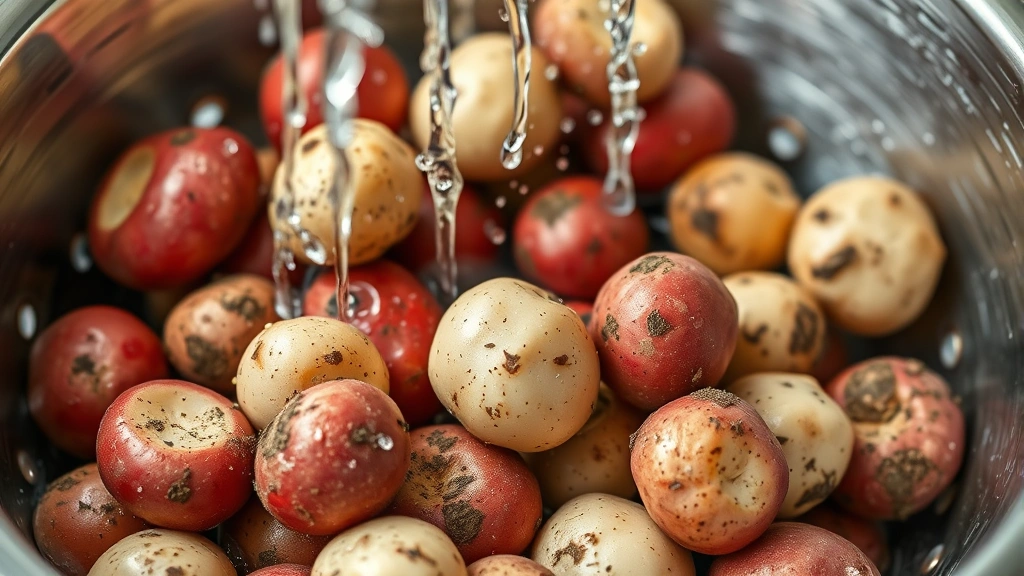
Proper preparation significantly impacts cooking outcomes and final texture. Begin by rinsing mini potatoes thoroughly under cold running water, using a soft brush or cloth to remove soil and debris without damaging the delicate skin. Pat them dry with paper towels to remove excess moisture. For potatoes with blemishes or small sprouts, use a vegetable peeler or knife to remove these areas, though most mini potato varieties have pristine skin suitable for cooking whole.
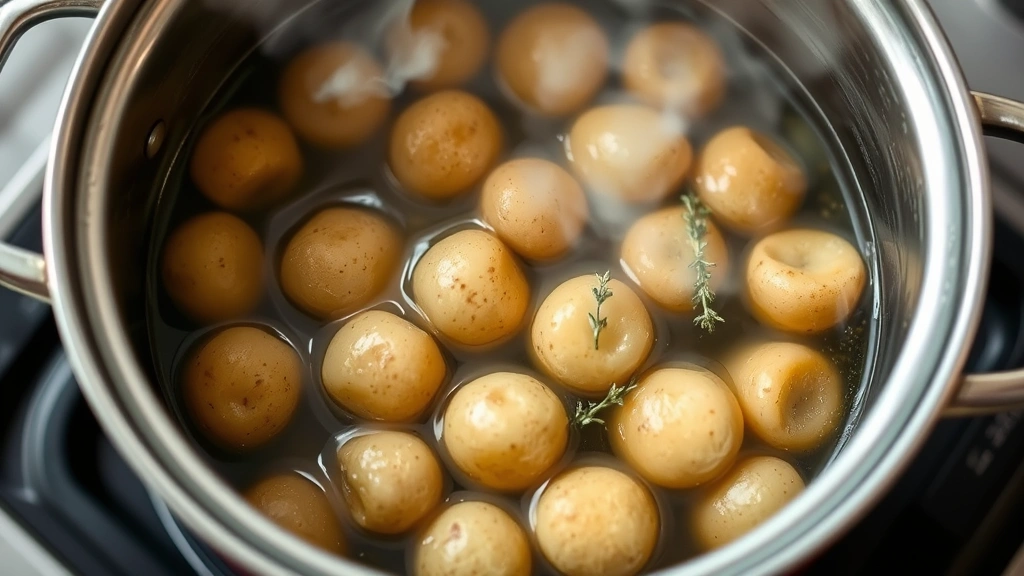
Place cleaned potatoes in a large pot and cover completely with cold water, adding approximately 1 inch of water above the potato layer. This cold-water start allows even cooking from the outside in, preventing the exterior from becoming overcooked while interiors remain firm. Adding salt to the water—approximately 1 tablespoon per gallon—seasons the potatoes from within and raises the water’s boiling point slightly, potentially improving texture. Some cooks prefer waiting until water reaches a boil before adding salt, though this method yields slightly less seasoned results.
For enhanced flavor, consider adding aromatics to the cooking water. Fresh thyme sprigs, bay leaves, whole garlic cloves, or rosemary infuse subtle flavors into the potatoes during cooking. These additions complement naturally sweet mini potatoes beautifully and require no additional seasoning. Avoid vinegar or acidic ingredients during boiling, as these can prevent potatoes from softening properly by affecting starch breakdown. Save acidic components for finishing dishes and flavor enhancement after cooking completes.
” alt=”Boiling mini potatoes in pot with herbs and aromatics”>
Boiling Time Guidelines
The standard boiling time for uniformly-sized mini potatoes ranges from 10 to 15 minutes after water reaches a rolling boil. This timeline assumes potatoes measuring 1.5 to 2 inches in diameter and starting from cold water. Smaller specimens, roughly 1 inch across, typically require only 8 to 10 minutes of boiling. Larger mini potatoes or those cut in half may need 12 to 18 minutes depending on exact size and thickness.
Once water reaches a rolling boil, reduce heat to medium or medium-high, maintaining a steady, gentle boil rather than an aggressive, rolling boil. Aggressive boiling can damage potato skins and cause uneven cooking as exterior potatoes jostle against pot sides and each other. A gentle boil provides adequate heat for even cooking while preserving the potatoes’ structural integrity and appearance. Covering the pot with a lid accelerates boiling time initially but should be removed once potatoes are added to prevent boiling over.
Altitude affects boiling times significantly. At sea level, water boils at 212°F (100°C), providing standard cooking times. At higher elevations, lower atmospheric pressure reduces boiling point temperature. For every 1,000 feet of elevation gain above sea level, water boils approximately 2°F lower. This means high-altitude cooks should add 5 to 10 minutes to standard boiling times. Denver residents cooking at 5,280 feet elevation should expect cooking times 15 to 25 percent longer than sea-level guidelines. Consult USDA food safety guidelines for altitude-specific cooking adjustments.
Potato starch content influences cooking time as well. Waxy varieties like red mini potatoes cook slightly faster than starchy varieties, potentially reducing cooking time by 1 to 2 minutes. New potatoes, harvested before full maturity, contain less starch and cook more quickly than mature potatoes. Storage conditions also matter—potatoes stored in cool environments cook more consistently than those exposed to temperature fluctuations. When precise timing matters, begin testing for doneness at the 8-minute mark rather than relying solely on published guidelines.
Testing for Doneness
Visual inspection provides the first doneness indicator. Fully cooked mini potatoes appear slightly translucent at the edges when viewed under bright light. The skin may appear slightly wrinkled or loose, a sign that starch has absorbed water and expanded the potato interior. However, visual cues alone prove unreliable, particularly for uniformly colored varieties. Texture testing provides more accurate results.
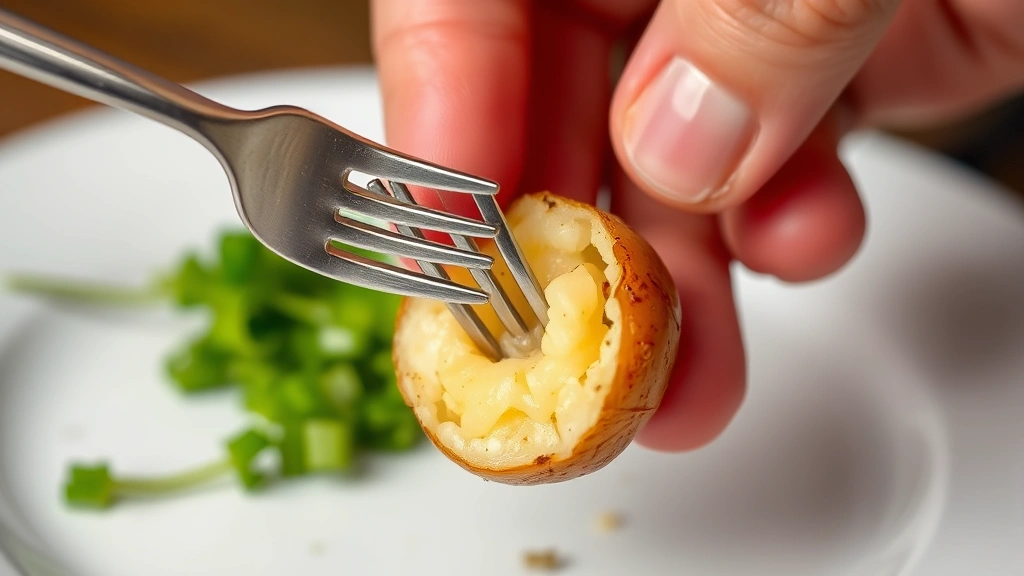
The fork test represents the most reliable doneness assessment method. Pierce a potato with a sharp fork or knife point—fully cooked potatoes offer minimal resistance, allowing utensils to pass through easily. Undercooked potatoes feel firm and slightly resistant to piercing. Overcooked potatoes may break apart when pierced or feel mushy. For consistent results, test multiple potatoes from different areas of the pot, as those near pot sides may cook slightly faster than those in the center.
The squeeze test works well for smaller potatoes but requires caution due to heat. Using a heat-resistant glove or kitchen towel, gently squeeze a potato between thumb and fingers. Properly cooked potatoes yield slightly to pressure without collapsing. Firm potatoes require additional cooking time, while potatoes that crumble or break apart have exceeded optimal doneness. This method works particularly well for fingerling or elongated varieties where fork testing may cause excessive damage.
Timing consistency improves with practice and note-taking. Record exact cooking times for different potato varieties and sizes in your kitchen notes. Over multiple cooking sessions, you’ll develop intuitive understanding of your specific stove, pot, and water conditions. Some cooks find that their particular cookware conducts heat differently than standard expectations, resulting in faster or slower cooking. Personalized records eliminate guesswork and ensure reliable results for important meals.
” alt=”Fork testing mini potato for doneness and tenderness”>
Seasoning and Flavor Enhancement
While boiling water seasoning provides foundational flavor, post-cooking seasoning elevates mini potatoes significantly. Immediately after draining, toss hot potatoes with butter and fresh herbs—parsley, chives, dill, or tarragon all complement potato flavor beautifully. The heat from freshly cooked potatoes helps melt butter evenly and infuses herb flavors throughout. This simple technique transforms basic boiled potatoes into restaurant-quality sides.
For Mediterranean-inspired preparations, dress warm potatoes with quality olive oil, lemon juice, minced garlic, and fresh herbs. This combination works particularly well when serving alongside grilled proteins or incorporating potatoes into salads. Allow potatoes to cool slightly before dressing to prevent excessive oil absorption. Alternatively, toss with mayonnaise-based dressings for traditional potato salad applications, or use vinaigrette for lighter preparations.
Roasted garlic adds sophisticated depth to boiled mini potatoes. Roast whole garlic cloves separately until soft and caramelized, then mash into a paste with olive oil and herbs. Fold this mixture into warm potatoes for complex flavor development. Smoked paprika, cumin, or other spice blends create globally-inspired variations—Spanish-style with smoked paprika and saffron, Indian-style with cumin and turmeric, or Mexican-style with chili powder and lime.
Creamy preparations suit mini potatoes exceptionally well. Toss with sour cream or Greek yogurt mixed with fresh herbs for a lighter alternative to traditional sour cream-based dressings. Heavy cream with Parmesan cheese creates an indulgent side dish suitable for special occasions. These preparations work equally well for warm serving or chilled potato salads prepared hours ahead.
Storage and Reheating Methods
Properly stored boiled mini potatoes remain fresh for 3 to 4 days when refrigerated in airtight containers. Allow potatoes to cool to room temperature before refrigerating to prevent condensation buildup that promotes mold growth. Store plain boiled potatoes separately from dressed varieties, as dressing can cause texture changes during storage. Plain potatoes offer maximum flexibility for repurposing in multiple dishes throughout the week.
Reheating methods significantly impact final texture and quality. For warm side dishes, place refrigerated potatoes in a microwave-safe container, add 1 to 2 tablespoons water per cup of potatoes, cover loosely, and microwave at 50-percent power for 3 to 5 minutes, stirring halfway through. This gentle reheating prevents overcooking and texture degradation. Alternatively, reheat on the stovetop in a covered skillet with a small amount of butter over medium-low heat, stirring occasionally for 5 to 8 minutes.
Freezing extends storage life to 3 to 4 months, though texture changes slightly after thawing. Boil potatoes until just tender—slightly undercooking ensures better texture retention during freezing. Cool completely, place in freezer-safe bags or containers, removing excess air, and freeze immediately. Thaw overnight in refrigerator before reheating. Frozen potatoes work best in soups, stews, or hash preparations where slight texture changes prove less noticeable than in simple side dishes.
For potato salads and cold preparations, refrigerate dressed potatoes in covered containers for up to 2 days. These dishes often improve as flavors meld and develop over time. Stir occasionally during storage to ensure even flavor distribution. Before serving, check seasoning levels and adjust as needed, as flavors may become muted during refrigeration.
FAQ
How long do mini potatoes take to boil from cold water?
Mini potatoes typically require 10 to 15 minutes of boiling time after water reaches a rolling boil, starting from cold water. Smaller potatoes (1 inch diameter) cook in 8 to 10 minutes, while larger specimens may require up to 18 minutes. Exact timing depends on size consistency, variety, and altitude.
Should I start with boiling water or cold water?
Starting with cold water and bringing to a boil together ensures the most even cooking. Cold water allows heat to penetrate gradually from outside in, preventing exterior overcooking while interiors remain firm. Hot water starts create uneven cooking and potential skin damage.
How do I know when mini potatoes are done boiling?
Test doneness using a fork or sharp knife—fully cooked potatoes offer minimal resistance to piercing. Alternatively, gently squeeze with a heat-resistant glove; properly cooked potatoes yield slightly without crumbling. Visual inspection showing slightly translucent edges provides additional confirmation.
Can I boil mini potatoes with their skins on?
Yes, mini potatoes are specifically bred for thin, edible skins. Boiling with skins intact preserves nutrients, flavor, and provides attractive presentation. Simply rinse thoroughly before cooking to remove soil and debris.
What’s the difference between boiling and steaming mini potatoes?
Boiling submerges potatoes in water, cooking faster but potentially leaching some flavor and nutrients. Steaming suspends potatoes above water, retaining more nutrients and flavor while requiring 5 to 10 minutes additional cooking time. Both methods produce tender results.
Why are my boiled mini potatoes mushy?
Mushiness results from overcooking. Reduce boiling time, test for doneness more frequently, or use a lower boiling temperature. Avoid using very old potatoes, which break down more easily. Fresh potatoes maintain better structure during cooking.
Can I prepare mini potatoes ahead of time?
Yes, boil potatoes up to 4 days ahead, storing in refrigerated airtight containers. Reheat gently before serving, or use cold in potato salads. Undercook slightly if preparing ahead, as reheating continues the cooking process.
What’s the best way to season boiling water?
Add approximately 1 tablespoon salt per gallon of water before boiling. Optional aromatics like thyme, bay leaves, garlic, or rosemary infuse subtle flavors. Avoid acidic ingredients during boiling, as these inhibit softening.
How much water do I need for boiling mini potatoes?
Cover potatoes completely with water, adding approximately 1 inch additional water above the potato layer. This ensures even heating and prevents water from evaporating before potatoes finish cooking.
Are mini potatoes healthier than regular potatoes?
Mini and regular potatoes offer similar nutritional profiles. Both provide potassium, vitamin C, and resistant starch when cooked and cooled. Boiling without added fats creates a healthy preparation method for either variety. Boiled mini potatoes pair well with lean proteins in balanced meals.


