
Boiling Sweet Potatoes: Chef’s Time Guide
Boiling sweet potatoes is one of the most straightforward cooking methods available to home cooks and professional chefs alike. Whether you’re preparing a weeknight dinner, meal prepping for the week ahead, or creating a side dish for a holiday gathering, understanding the precise timing ensures perfectly tender results every time. The process is remarkably simple: place peeled or unpeeled sweet potatoes in boiling water and monitor them until a fork pierces the flesh with minimal resistance.
The beauty of boiling sweet potatoes lies in its accessibility and reliability. Unlike roasting, which requires preheating and careful temperature monitoring, or air frying, which demands specific equipment, boiling requires only a pot, water, and heat. However, achieving consistent results depends on understanding how size, preparation method, and water temperature affect cooking time. This comprehensive guide walks you through every consideration, from selecting your potatoes to determining doneness with confidence.
Standard Boiling Times by Size
Sweet potato boiling time varies primarily based on the size of your potatoes. Small potatoes, measuring approximately 2-3 inches in diameter and weighing around 4-6 ounces each, typically require 12-15 minutes of boiling to reach full tenderness. Medium potatoes, ranging from 3-4 inches in diameter and weighing 6-10 ounces, need approximately 15-20 minutes. Large sweet potatoes, exceeding 4 inches in diameter and weighing 10-16 ounces or more, demand 20-30 minutes of cooking time.
These timeframes assume you’ve brought your water to a rolling boil before adding the potatoes. The water temperature remains critical throughout the process. Starting with cold water and bringing potatoes to a boil gradually can extend cooking times by 5-10 minutes compared to adding potatoes to already-boiling water. For maximum consistency in meal preparation, sort your sweet potatoes by size before cooking and boil similar-sized pieces together. This approach ensures even cooking and eliminates the frustration of removing some potatoes while others remain undercooked.
When preparing mini potatoes or smaller varieties, reduce cooking time to 8-12 minutes. These delicate potatoes cook quickly and can become mushy if overcooked. Conversely, if you’re working with exceptionally large sweet potatoes weighing more than 16 ounces, plan for 30-40 minutes of cooking time. Many experienced cooks prefer cutting large potatoes into uniform pieces to ensure even cooking rather than extending boiling times excessively.
Preparation Methods and Timing Variations
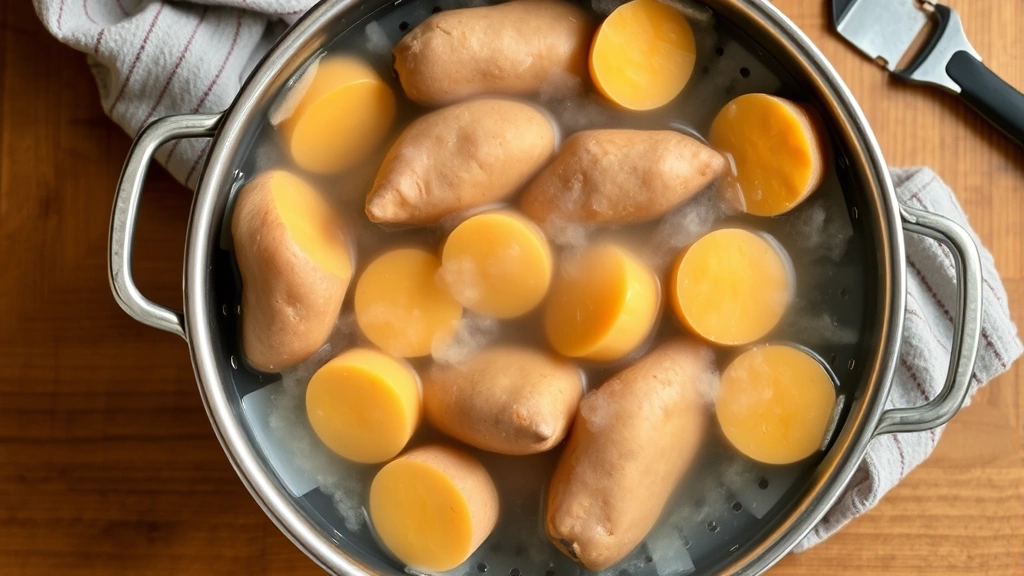
How you prepare your sweet potatoes before boiling significantly impacts cooking time. Whole, unpeeled sweet potatoes take the longest, as the skin acts as a barrier that slows heat penetration. Whole, peeled sweet potatoes cook slightly faster because the flesh is directly exposed to boiling water. Halved sweet potatoes reduce cooking time by approximately 5-10 minutes depending on size. Cubed or chunked sweet potatoes, cut into 1-2 inch pieces, cook the fastest, typically requiring only 8-12 minutes.
Uniform cutting is paramount for even cooking. If you’re cubing sweet potatoes, aim for pieces that are as consistent in size as possible. A 1-inch cube will cook significantly faster than a 2-inch cube. Some home cooks prefer cutting potatoes lengthwise into quarters, which offers a middle ground between whole potatoes and small cubes—these typically cook in 12-18 minutes depending on potato size.
The choice between preparation methods often depends on your intended use. If you’re making sweet potato mash or puree, cutting into smaller pieces accelerates cooking and saves energy. If you’re preparing whole potatoes for stuffing or for a composed dish, boiling them whole preserves nutrients and provides better structural integrity. Consider your recipe requirements before deciding on preparation method.
Water Temperature and Altitude Adjustments
Starting with water that’s already at a rolling boil is essential for accurate timing. If you place potatoes in cold water and bring them to a boil together, add an extra 5-10 minutes to the cooking times listed above. Professional kitchens and meal prep experts consistently use pre-boiled water to maintain predictable, repeatable results.
High altitude cooking requires adjustments because water boils at lower temperatures. At elevations above 3,000 feet, water boils at temperatures below 212°F (100°C), requiring longer cooking times. NIST guidelines on measurement and temperature indicate that for every 1,000 feet above sea level, add approximately 5% to your cooking time. At 5,000 feet elevation, add roughly 25% more time. At 7,000 feet, increase cooking time by approximately 35-40%.
If you’re unsure of your exact elevation, contact your local cooperative extension office or use online elevation tools. Alternatively, simply test potatoes for doneness starting at the standard time and continue cooking until they reach the desired tenderness. This method requires slightly more attention but guarantees success regardless of elevation.
Testing for Doneness
The most reliable method for determining doneness is the fork test. Pierce the thickest part of the sweet potato with a fork or knife. Properly cooked sweet potatoes should offer minimal resistance—the fork should glide through the flesh easily without requiring pressure. If you encounter significant resistance, the potato needs additional cooking time. Check again after 2-3 minutes.
Visual cues also provide helpful information. Fully cooked sweet potatoes often develop a slightly translucent appearance on the cut surface. The flesh should appear uniformly soft without any hard or chalky areas. However, appearance alone isn’t reliable enough to replace the fork test, particularly with whole potatoes where the interior may still be firm despite a soft exterior.
Avoid relying on skin appearance as a doneness indicator. The skin doesn’t soften at the same rate as the flesh, and some varieties maintain firm skin even when fully cooked. Additionally, the potato may split or tear if you apply too much pressure during testing. Use a gentle fork test with minimal pressure to assess doneness accurately.

Peeled vs Unpeeled Boiling
Boiling sweet potatoes with the skin on preserves more nutrients, including fiber and certain vitamins that concentrate near the surface. Unpeeled boiling also prevents some water-soluble nutrients from leaching into the cooking water. If you’re prioritizing nutritional content, keep the skin on during cooking.
Unpeeled sweet potatoes are easier to handle during cooking and maintain better structural integrity. They’re less likely to break apart or become mushy, making them ideal if you need to transfer potatoes from pot to colander or if you’re cooking them for a composed dish where appearance matters.
Peeled sweet potatoes cook slightly faster and are more convenient if you need to use them immediately. Peeling raw sweet potatoes requires a sharp vegetable peeler and some care, as the flesh is relatively delicate. Many cooks prefer boiling unpeeled potatoes and peeling them after cooking, when the skin slips off easily and naturally.
To peel cooked sweet potatoes, allow them to cool just enough to handle—typically 2-3 minutes. The skin will separate readily from the flesh when the potato is still warm. Use a paring knife or your fingers to remove the skin. This method wastes minimal flesh and is faster than peeling raw potatoes.
Cooling and Storage After Boiling
After boiling completes, drain sweet potatoes thoroughly using a colander. Spread them on a baking sheet or clean kitchen towel to cool. If you’re peeling them, do so while they’re still warm, as the skin separates more easily. Allow peeled potatoes to cool completely before storing.
Cooked sweet potatoes keep refrigerated for 3-5 days in an airtight container. Store them in the coldest part of your refrigerator, typically the back of the bottom shelf. You can also freeze boiled sweet potatoes for up to three months. Freeze them on a baking sheet first, then transfer to freezer bags once solid. This prevents them from freezing into a single clump.
For meal prep purposes, many home cooks boil a large batch of sweet potatoes at the beginning of the week and portion them into containers. This approach saves time during busy weekdays and ensures you have healthy, ready-to-eat vegetables available. Boiled sweet potatoes work well in grain bowls, salads, curries, and as simple sides with minimal additional preparation.
Common Mistakes to Avoid
Starting with cold water: Adding potatoes to cold water extends cooking time unpredictably. Always use pre-boiled water for consistent results.
Overcrowding the pot: Boiling too many potatoes simultaneously reduces water temperature and extends cooking time. Leave space for water to circulate freely around each potato.
Cutting inconsistently: Mixing different-sized pieces ensures some will be undercooked while others become mushy. Cut all pieces to uniform size.
Skipping the salt: Adding salt to boiling water enhances flavor and helps the potatoes cook more evenly. Use approximately one teaspoon per quart of water.
Not testing for doneness: Relying on time alone without checking potatoes can result in undercooked or overcooked results. The fork test takes seconds and guarantees proper doneness.
Leaving potatoes in water after cooking: Continuing to boil after potatoes are done causes them to break apart and become waterlogged. Drain immediately once they reach desired tenderness.
Comparing Cooking Methods
Boiling is just one method for cooking sweet potatoes. Air frying sweet potatoes typically takes 15-20 minutes and produces a firmer texture with caramelized edges. Roasting in a conventional oven requires 45-60 minutes at 400°F but develops deeper flavors through the Maillard reaction. Microwaving is fastest, requiring only 5-10 minutes, though results are less consistent.
Boiling excels when you need quick cooking with minimal equipment and maximum nutrient retention. It’s ideal for meal prep, purées, and mashes. Air frying suits situations where you want texture and caramelization. Roasting is best for developing complex flavors and creating side dishes for special occasions. Microwaving works for emergency situations when time is critical, though quality suffers compared to other methods.
For comprehensive meal preparation strategies, explore DIY Nests Hub Blog for additional cooking techniques and kitchen tips that complement your boiling knowledge. Whether you’re building your cooking skills or managing a busy household, understanding multiple preparation methods ensures you’re equipped for any situation.
FAQ
How long does it take to boil a medium sweet potato?
A medium sweet potato, typically 3-4 inches in diameter, requires approximately 15-20 minutes of boiling in already-hot water. Check for doneness by piercing with a fork—the flesh should offer minimal resistance when fully cooked.
Can I boil sweet potatoes with the skin on?
Yes, boiling with the skin on is recommended. It preserves nutrients, maintains structural integrity, and the skin slips off easily after cooking when the potato is still warm. This method also prevents nutrient loss to cooking water.
What’s the difference between boiling and steaming sweet potatoes?
Boiling immerses potatoes in water, while steaming suspends them above boiling water. Steaming takes slightly longer (20-30 minutes for medium potatoes) but preserves more water-soluble nutrients. Boiling is faster and more convenient for most home cooks.
Why are my boiled sweet potatoes mushy?
Mushiness results from overcooking. Reduce boiling time by 2-3 minutes and test earlier. Also ensure you’re not starting with cold water or overcrowding the pot, both of which extend cooking unpredictably and often result in overcooked potatoes.
Can I save the water from boiling sweet potatoes?
Yes, the cooking water contains some nutrients and starch. Use it as a base for vegetable stock, soup, or to cook grains for added flavor and nutrition. Store it in the refrigerator for up to three days.
How do I know when sweet potatoes are done boiling?
Test with a fork or knife by piercing the thickest part. Properly cooked sweet potatoes offer minimal resistance—the fork should glide through easily. If you encounter significant resistance, continue cooking and test again in 2-3 minutes.
Are there any food safety concerns with boiling sweet potatoes?
Boiling is very safe. Ensure potatoes reach an internal temperature of at least 165°F (74°C) if you’re concerned about pathogens, though properly boiled potatoes will naturally exceed this. Store cooked potatoes in the refrigerator within two hours of cooking.


