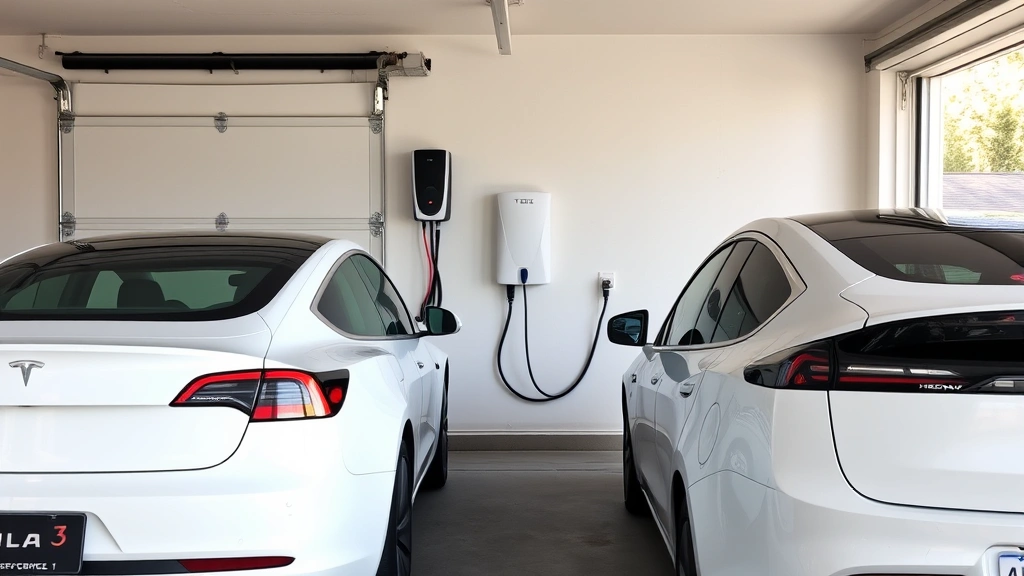
Charging an Electric Car: Expert Time Estimates
As electric vehicles become increasingly common on roads across North America, homeowners and car owners face a critical question: how long to charge electric car at home or public stations? The answer depends on multiple factors, including your vehicle’s battery capacity, charger type, and electrical infrastructure. Understanding these variables helps you plan charging schedules effectively and make informed decisions about upgrading your home’s electrical system.
Whether you’re installing a Level 2 home charging station or relying on public infrastructure, charging times range from 20 minutes to over 48 hours. This comprehensive guide breaks down the science and practicality behind electric vehicle charging, providing you with expert insights to optimize your EV experience.
Understanding EV Charging Levels
Electric vehicle charging infrastructure operates on three distinct levels, each delivering power at different rates. The charging level you use dramatically impacts how long your vehicle remains plugged in. Level 1 uses standard 120-volt household outlets, Level 2 requires 240-volt dedicated circuits (similar to what powers your dryer or range), and DC Fast Charging utilizes specialized commercial equipment delivering direct current at high voltages.
The Society of Automotive Engineers (SAE) established these standardized levels to ensure consistency across manufacturers and charging networks. Understanding which level suits your lifestyle helps you plan home upgrades strategically. If you spend most time at home, Level 2 charging provides optimal balance between convenience and cost. For frequent long-distance travel, familiarity with DC fast charging becomes essential.
Residential charging decisions often relate to broader home improvement planning. Just as building a house requires careful timeline planning, installing EV infrastructure demands understanding electrical codes and installation timelines. Your home’s electrical panel capacity, existing wiring, and local building codes all influence which charging solution works best.
Level 1 Charging: Standard Outlets
Level 1 charging represents the slowest but most accessible option for EV owners. This method uses a standard 120-volt household outlet found in virtually every American home. A Level 1 charger typically delivers 1.4 to 1.9 kilowatts of power, translating to approximately 2-5 miles of driving range per hour of charging.
For a typical 60-kilowatt-hour battery (common in mid-range electric vehicles), Level 1 charging requires 24-30 hours for a complete charge from empty. This timeline makes Level 1 impractical for most daily driving scenarios but acceptable for occasional users or as emergency backup charging. The advantage lies in simplicity—no installation costs, no electrical upgrades, and immediate accessibility.
Level 1 charging works best for owners who drive fewer than 30 miles daily and have consistent overnight charging access. If your commute covers short distances and you primarily charge during evening hours, Level 1 might suffice. However, most EV owners quickly realize this option’s limitations and invest in faster charging solutions.
Level 2 Charging: Home Installation
Level 2 charging remains the most popular home charging solution for residential EV owners. Operating at 240 volts with power delivery ranging from 7.2 to 19.2 kilowatts, Level 2 chargers reduce charging time to 4-10 hours for most vehicles. A 60-kWh battery typically charges fully in 6-8 hours on a standard 7.2-kW Level 2 charger.
Installing a Level 2 charger requires upgrading your home’s electrical infrastructure. This involves running a dedicated 240-volt circuit from your main electrical panel to the charging location—typically a garage or driveway. Installation costs range from $500 to $2,500 depending on circuit distance and existing electrical capacity. Many homeowners perform this work simultaneously with other home security and safety upgrades.
Before installation, verify your electrical panel has available capacity. Most homes with 200-amp service accommodate Level 2 charging without issues, but older homes with 100-amp service may require panel upgrades. Consulting a licensed electrician ensures compliance with National Electrical Code (NEC) requirements and local building codes.
Level 2 chargers come in two varieties: hardwired units (permanently installed) and plug-in models (portable). Hardwired chargers cost more but offer faster charging and cleaner aesthetics. Plug-in models provide flexibility if you move or want to relocate charging stations. Most manufacturers offer both options with warranties spanning 5-10 years.
DC Fast Charging: Rapid Replenishment
DC Fast Charging (also called Level 3 charging) represents the fastest available charging method, delivering 50-350 kilowatts of direct current power. These chargers can replenish an EV battery from 10% to 80% capacity in 20-45 minutes, making them ideal for road trips and time-sensitive situations. However, DC fast chargers are expensive to install ($40,000-$100,000+) and require three-phase commercial electrical service, making home installation impractical for most homeowners.
DC fast charging networks operate at commercial locations including highway rest stops, shopping centers, and dedicated charging hubs. Tesla’s Supercharger network, Electrify America, EVgo, and Ionity represent major providers offering nationwide coverage. Membership plans vary—some networks charge per kilowatt-hour, while others offer subscription models providing discounted rates.
Battery degradation becomes relevant during frequent DC fast charging. Lithium-ion batteries generate heat during rapid charging, and excessive heat accelerates degradation. Most EV manufacturers recommend limiting DC fast charging to occasional use for road trips rather than daily charging. Tesla’s charging guidance suggests daily use of Level 2 home charging with DC fast charging reserved for necessary occasions.
Battery Capacity and Vehicle Models
Electric vehicle battery sizes vary dramatically, directly affecting charging times. Compact vehicles like the Nissan Leaf feature 40-62 kWh batteries, while luxury models like the Tesla Model S Long Range offer 100+ kWh capacity. Battery size selection reflects your typical driving patterns and budget constraints.
Here’s how battery capacity impacts charging across different levels:
- 40-kWh battery (Nissan Leaf): Level 1: 16-20 hours | Level 2: 5-7 hours | DC Fast: 25-35 minutes
- 60-kWh battery (Tesla Model 3 Standard): Level 1: 24-30 hours | Level 2: 8-10 hours | DC Fast: 30-45 minutes
- 75-kWh battery (Chevy Bolt): Level 1: 30-37 hours | Level 2: 10-12 hours | DC Fast: 35-50 minutes
- 100-kWh battery (Tesla Model S): Level 1: 40-50 hours | Level 2: 12-15 hours | DC Fast: 40-60 minutes
When selecting an EV, consider your daily driving requirements and available charging infrastructure. If you drive 40+ miles daily without home charging access, a larger battery provides more flexibility. Conversely, short-commute drivers benefit from smaller, less expensive batteries.

Electrical Upgrades for Home Charging
Installing residential EV charging often requires upgrading your home’s electrical infrastructure. Understanding these requirements helps you budget appropriately and plan installation timelines. Most Level 2 installations demand a dedicated 240-volt circuit with appropriate breaker sizing and wire gauge.
The International Code Council (ICC) provides guidelines for residential EV charging installations. Electrical code requires proper grounding, GFCI protection, and circuit breaker sizing based on charger amperage. A 40-amp circuit (supporting 7.2-kW charging) requires 8-gauge copper wire or 6-gauge aluminum, while 50-amp circuits (9.6-kW charging) need 6-gauge copper.
Distance from your electrical panel to the charging location significantly impacts installation costs. Installations within 50 feet typically cost $500-$1,200, while runs exceeding 100 feet may reach $2,000-$2,500. Some homeowners coordinate EV charging installation with broader home renovation projects to optimize electrical work scheduling.
Before hiring an electrician, verify your electrical panel’s available capacity. Modern 200-amp service handles Level 2 charging alongside typical household loads. Older homes with 100-amp service may need panel upgrades costing $1,500-$3,000. Demand charges vary by utility—some charge additional fees during peak hours, incentivizing off-peak charging.
Permitting and inspection timelines vary by jurisdiction. Most areas require electrical permits for charging installation, involving inspections before and after work. Plan 1-4 weeks for permit approval and scheduling inspections. Licensed electricians handle permitting in many cases, simplifying the process.

Smart Charging Strategies
Maximizing EV charging efficiency requires understanding your utility’s rate structure and vehicle charging capabilities. Time-of-use (TOU) rates offer lower electricity prices during off-peak hours (typically 9 PM to 6 AM), providing significant savings for owners charging overnight. Programming your charger to start at designated times optimizes cost efficiency.
Modern Level 2 chargers include smart features allowing remote monitoring and scheduling via smartphone apps. This functionality lets you track charging progress, adjust charging rates, and receive notifications when charging completes. Some chargers integrate with home energy management systems, balancing EV charging with solar panel output or whole-home energy storage.
Cold weather impacts charging efficiency significantly. Lithium-ion batteries charge more slowly in freezing temperatures, and some vehicles include battery preheating systems consuming energy before charging begins. Planning longer charging windows during winter months ensures adequate battery replenishment. Conversely, summer heat accelerates charging but increases battery degradation risk—many owners limit charging to cooler morning hours.
For owners frequently taking long trips, developing a DC fast charging strategy becomes essential. Mapping charging stops along your route using PlugShare or similar apps identifies available chargers and wait times. Planning stops at restaurants or shopping areas transforms charging time into productive breaks rather than frustrating delays.
Battery conditioning practices extend vehicle lifespan and maintain charging speed. Avoiding complete battery depletion and limiting frequent DC fast charging preserves battery health. Most manufacturers recommend keeping batteries between 20-80% state of charge for daily use, reserving full charges for occasional road trips.
FAQ
How long does it take to charge an electric car at home?
Home charging time depends on your charger type and battery size. Level 1 charging (standard outlet) requires 24-30 hours for a 60-kWh battery. Level 2 charging (240-volt dedicated circuit) completes the same battery in 6-8 hours. Most owners charge overnight, making Level 2 the practical choice for daily driving.
Can I charge my electric car with a regular outlet?
Yes, Level 1 charging uses standard 120-volt household outlets found in every home. However, charging speed is extremely slow—approximately 2-5 miles of range per hour. This method only works for owners driving short distances or having flexible charging schedules. Most EV owners upgrade to Level 2 for practical daily use.
How much does it cost to install a Level 2 charger?
Level 2 charger installation typically costs $500-$2,500 including equipment and labor. The charger itself costs $300-$1,000, while electrical work (running dedicated circuits, breaker installation) comprises the remainder. Longer installation distances and panel upgrades increase costs. Federal tax credits up to $7,500 and state incentives may offset installation expenses.
Is DC fast charging bad for my battery?
Occasional DC fast charging (a few times monthly) causes minimal battery degradation. However, frequent daily DC fast charging accelerates aging due to heat generation. Most manufacturers recommend using Level 2 home charging for daily driving and reserving DC fast charging for road trips. Battery warranties typically cover 8-10 years or 100,000-120,000 miles regardless of charging method.
How often should I charge my electric car?
Ideally, charge your EV when battery reaches 20-30% capacity and disconnect around 80% state of charge. This practice maximizes battery lifespan by reducing stress on cells. However, for daily convenience, many owners simply plug in overnight and charge to full capacity, which is acceptable for regular use. Reserve full charges and complete depletions for occasional situations.
Can I charge my electric car in the rain?
Yes, properly installed Level 2 chargers include weatherproof designs and GFCI protection preventing electrical hazards during rain or snow. Charging during wet conditions is completely safe. The charging connector includes safety mechanisms preventing accidental contact with live contacts. However, avoid submerging chargers or connectors in standing water.


